
Market expansion in post-acute care requires more than intuition. Entering a new geography, service line, or patient population demands a clear understanding of referral dynamics, competitive presence, and payer mix. Claims data provides the visibility leaders need to evaluate these factors and determine whether a market truly supports growth. The following framework outlines how organizations can use claims data to make more informed, repeatable expansion decisions.
Claims data are large-scale electronic records that collect information on millions of doctors’ appointments, medical bills, insurance details, and other patient-provider communications. Medical claims and medical claims data originate from healthcare providers and insurance companies, capturing details about patient visits, procedures, and billing practices.
Claims data is essential for financial management, as it tracks revenue streams and manages reimbursement processes. This data is generated whenever healthcare providers submit a request for payment to a health plan, providing insight into the interactions between patients, providers, and insurers. Several claims databases are available, including data from the Centers for Medicare and Medicaid Services (CMS), and the Agency for Healthcare Research and Quality (AHRQ) is developing an all-payer claims database to compile medical claims from both private and public payers.
Expanding into a new market is one of the most consequential decisions a post-acute care organization can make. Whether the opportunity involves entering a new geographic region, launching a new service line, or targeting a different patient population, expansion requires significant investments in staffing, infrastructure, partnerships, and payer relationships. The margin for error is small.
Despite the stakes, many organizations still rely heavily on intuition, anecdotal referral feedback, or basic demographic projections when evaluating expansion opportunities. While these signals can be helpful, they rarely provide a complete picture of how patients actually move through a market or where real referral opportunities exist.
Claims data offers a far more reliable foundation for expansion decisions. By analyzing real patient movement, provider relationships, and payer dynamics, healthcare leaders can evaluate whether a market truly supports growth before committing capital.
This article outlines a practical framework for using claims data to assess market expansion opportunities in post-acute care.
Why Claims Data Matters for Market Expansion Strategy
Hospitals, physicians, post-acute providers, and payers all influence where patients receive care after discharge. Without visibility into these dynamics, organizations risk entering markets that appear attractive on the surface but offer limited referral opportunities in practice.
Claims data provides a comprehensive view of how care actually flows across the healthcare continuum. It captures both open and closed healthcare transactions, reflecting different stages of the billing and care process and offering insight into in-progress and completed claims. It allows leaders to analyze:
- Where patients are discharged after acute care
- Which providers receive the highest referral volumes
- How referral relationships are distributed across a market
- Which payers dominate specific geographies
- Where referral leakage and growth opportunities exist
Claims data enables organizations to examine different aspects of patient journeys, costs, and health outcomes, providing a multidimensional view of the market. Instead of relying on assumptions, organizations can base expansion decisions on real utilization patterns.
Step 1: Assess Referral Volume in the Target Market
The first question any expansion analysis should answer is straightforward: Is there enough patient volume to support growth?
Claims data allows organizations to quantify discharge volumes from hospitals and other referral sources within a specific market. By leveraging common data elements such as patient demographics, diagnostic codes, procedural codes, and medication information, organizations can analyze patient populations to better understand the makeup and needs of those being served. Leaders can evaluate:
- Total post-acute discharge volume
- Volume by care setting (home health, hospice, infusion, skilled nursing, etc.)
- Growth trends over time
- Seasonal patterns and market shifts
This analysis helps determine whether the underlying demand exists to sustain a new location or service line. It also helps organizations avoid entering markets where demand is already plateauing or declining.
Step 2: Analyze Referral Flow Patterns by Analyzing Claims Data
Volume alone does not tell the full story. The next step is understanding where patients are actually going today.
Claims data reveals referral flow patterns between hospitals, physicians, and post-acute providers. Analyzing claims data can also reveal treatment patterns across providers, helping organizations understand how care is delivered and where opportunities for improvement exist. This analysis can identify gaps in care, enabling targeted interventions to improve patient outcomes. This insight helps answer critical questions such as:
- Which providers currently receive the majority of referrals?
- Are referrals concentrated among a few dominant players?
- Do hospitals spread referrals across multiple providers?
- Are there referral sources with high leakage or untapped opportunity?
Understanding these dynamics allows organizations to determine whether meaningful referral access is achievable or if relationships in the market are already tightly controlled.
Step 3: Understand the Competitive Landscape
Competitive analysis is another area where claims data provides far more depth than traditional market research.
Instead of simply identifying which providers operate in a market, leaders can evaluate how those providers actually perform within referral networks. Claims data makes it possible to assess:
- Market share by provider
- Referral concentration among top competitors
- Growth or decline in competitor volumes
- Strength of referral relationships with key hospitals and physicians
In addition, claims data can be used to assess the overall quality of care delivered by competitors. Analytics of claims data helps highlight missed screenings and lack of immunizations, allowing for proactive outreach and targeted quality improvement initiatives.
This level of transparency helps organizations identify whether they are entering a crowded market or one where referral share is still fluid.
Step 4: Evaluate Payer Mix and Network Dynamics
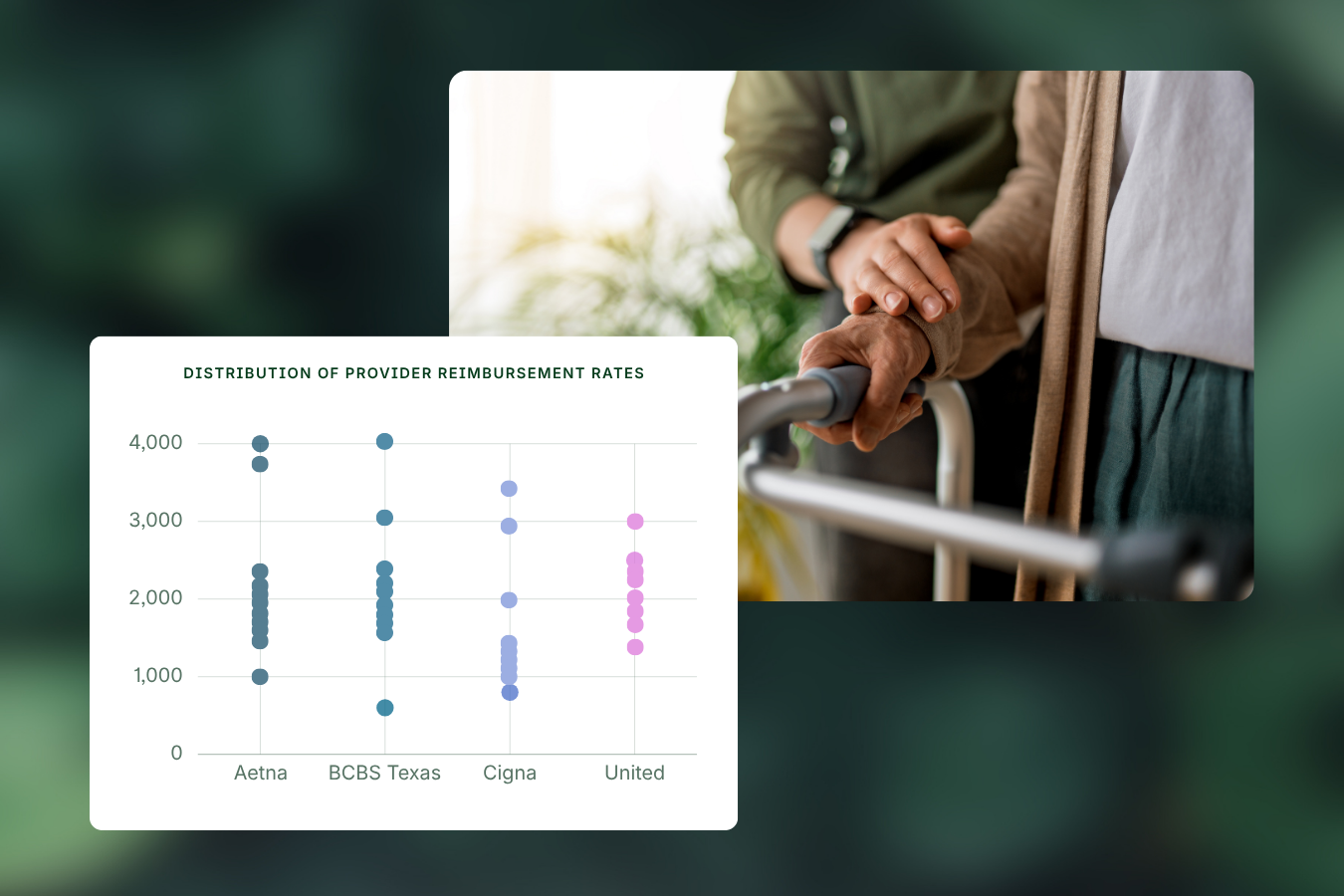
Payer mix plays a critical role in determining the financial viability of a new market. Even high-volume markets may not represent attractive opportunities if reimbursement structures are unfavorable or network access is limited.
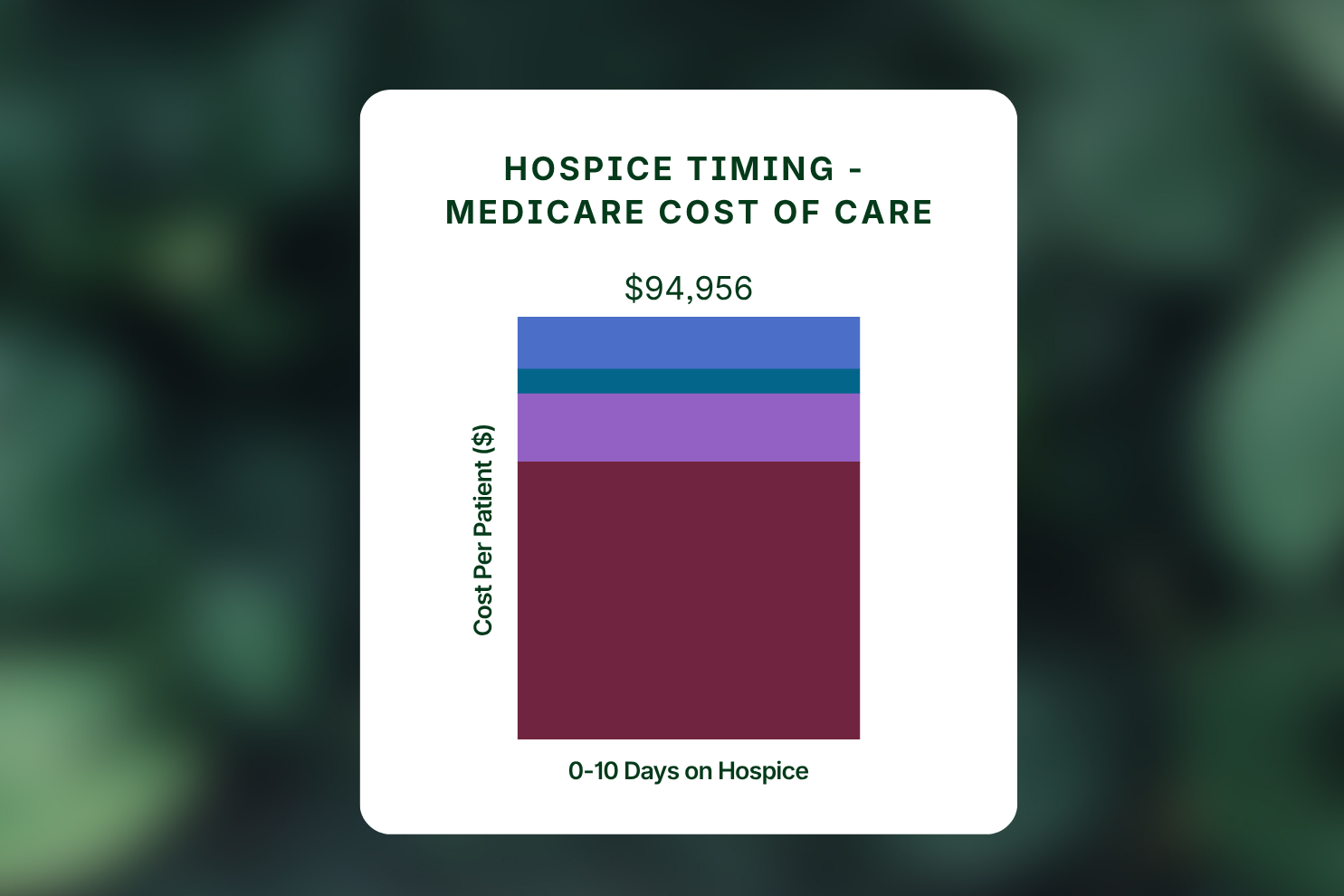
Analyzing claims data helps organizations understand medical costs associated with different payers, including Medicaid services, which is essential for modeling financial viability. Standardized coding in claims data improves payment accuracy and accelerates claim processing, which is critical for managing reimbursement.
Claims data can reveal:
- The dominant payers in a given geography
- How payer mix varies across referral sources
- Which post-acute providers currently participate in payer networks
- Where opportunities exist to capture underrepresented payer segments
This information allows organizations to model realistic revenue potential and avoid markets where payer dynamics create structural barriers to entry.
Step 5: Size the Realistic Addressable Opportunity Based on Disease Prevalence
After evaluating referral volume, flow patterns, competition, and payer mix, the final step is determining the realistic addressable market.
This requires moving beyond total market size to estimate the portion of volume an organization could reasonably capture. Claims data enables leaders to:
- Identify referral sources without entrenched relationships
- Evaluate providers with declining market share
- Pinpoint geographic pockets of unmet demand
- Quantify potential referral opportunities
By combining these insights, organizations can develop a data-driven estimate of achievable growth rather than relying on optimistic projections. Analyzing claims data provides valuable insights into referral opportunities and market potential, supporting evidence-based decision making.
Turning Market Expansion into a Repeatable Strategy
When expansion decisions rely on intuition alone, organizations often repeat the same costly mistakes, entering saturated markets, underestimating referral barriers, or misjudging payer dynamics.
Claims data enables a different approach. Instead of treating expansion as a one-off strategic bet, organizations can implement a repeatable evaluation framework that brings consistency and rigor to every market opportunity. Leveraging real world data, including claims data, enables organizations to consistently identify opportunities and risks across markets. Claims data also drives patient care improvement by identifying gaps in treatment and informs payment processes by reducing claim denials and accelerating payment cycles.
Strategy and operations leaders can apply the same analysis each time expansion questions arise, ensuring decisions are grounded in objective data rather than incomplete signals.
How Trella Health Supports Data-Driven Market Expansion
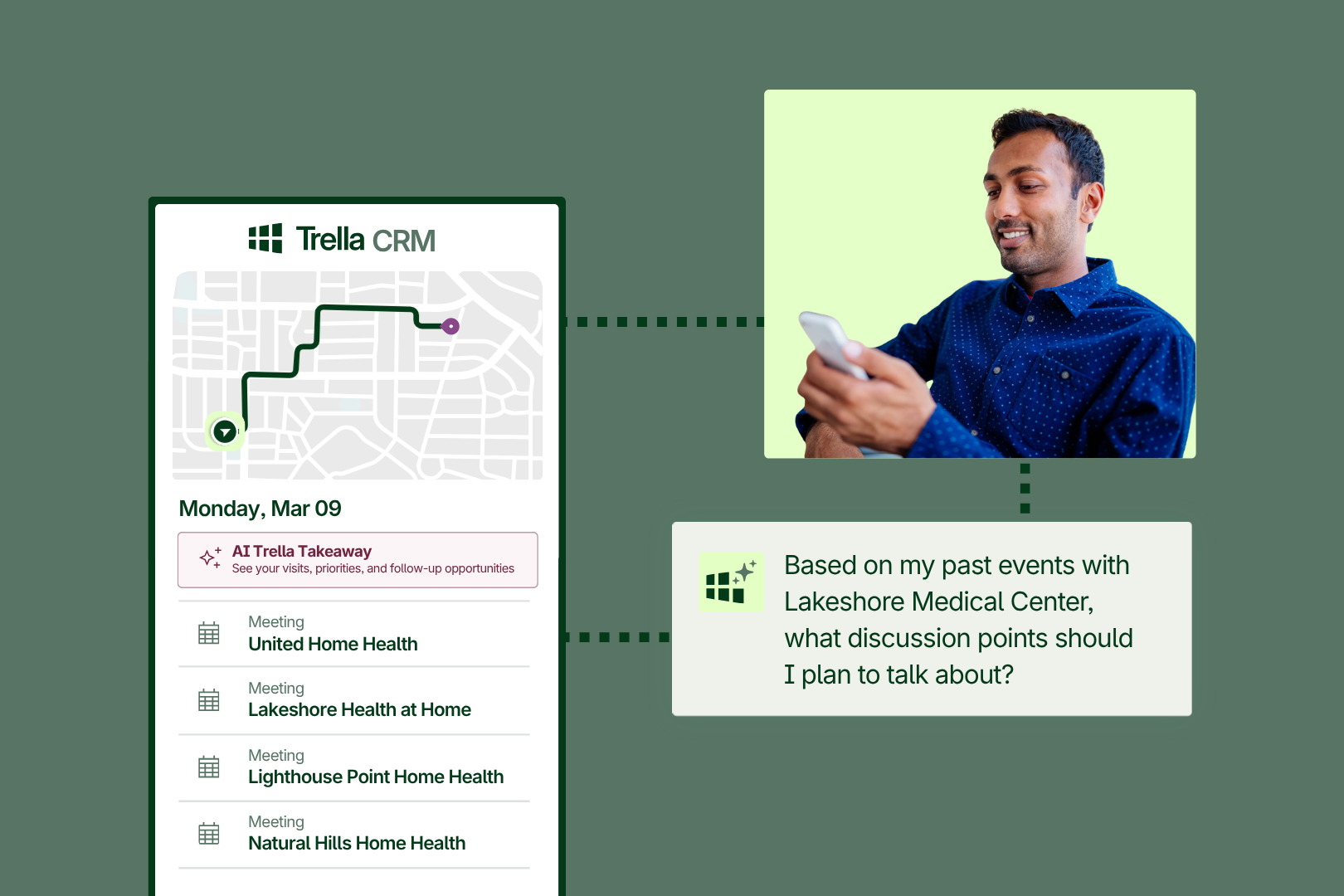
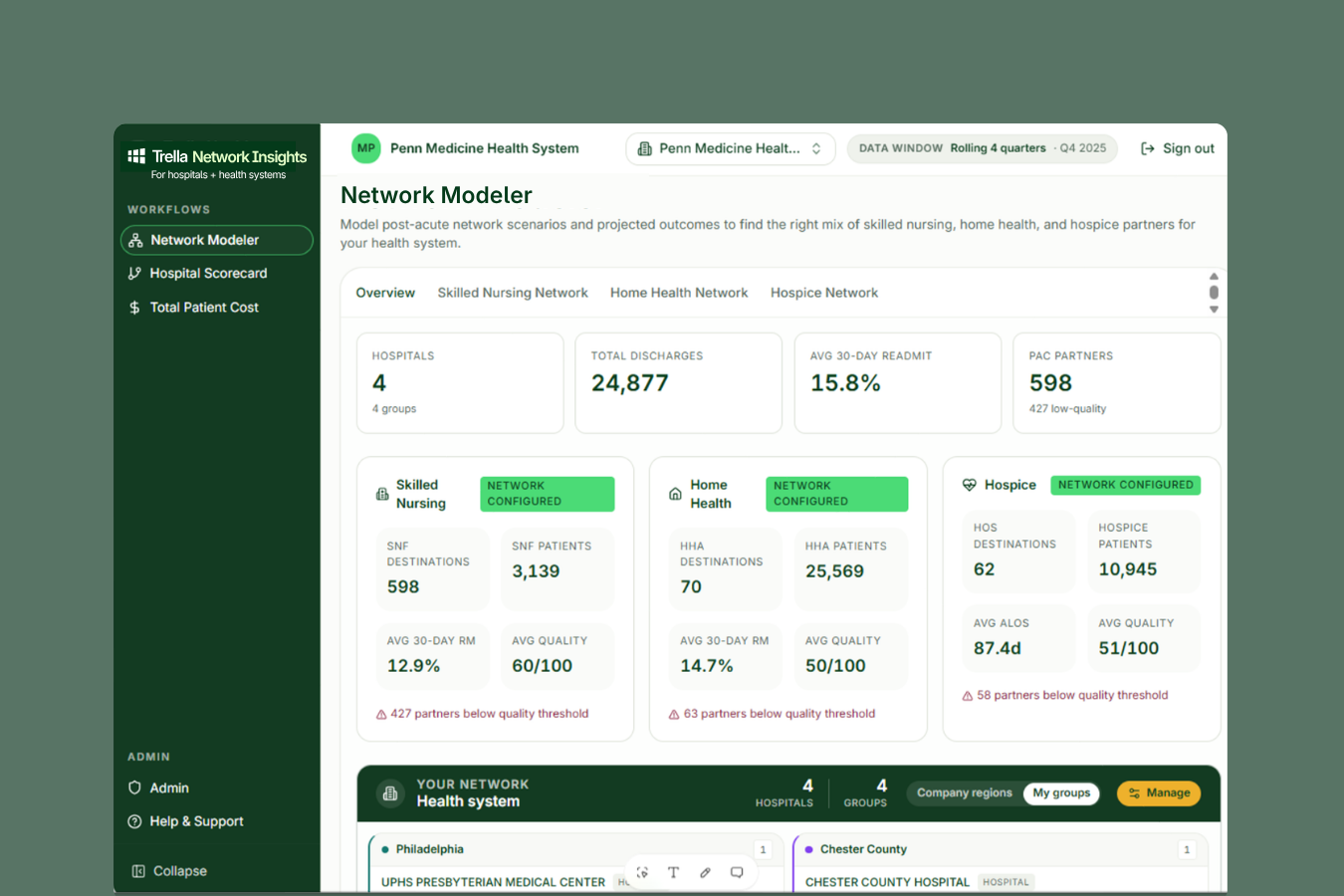
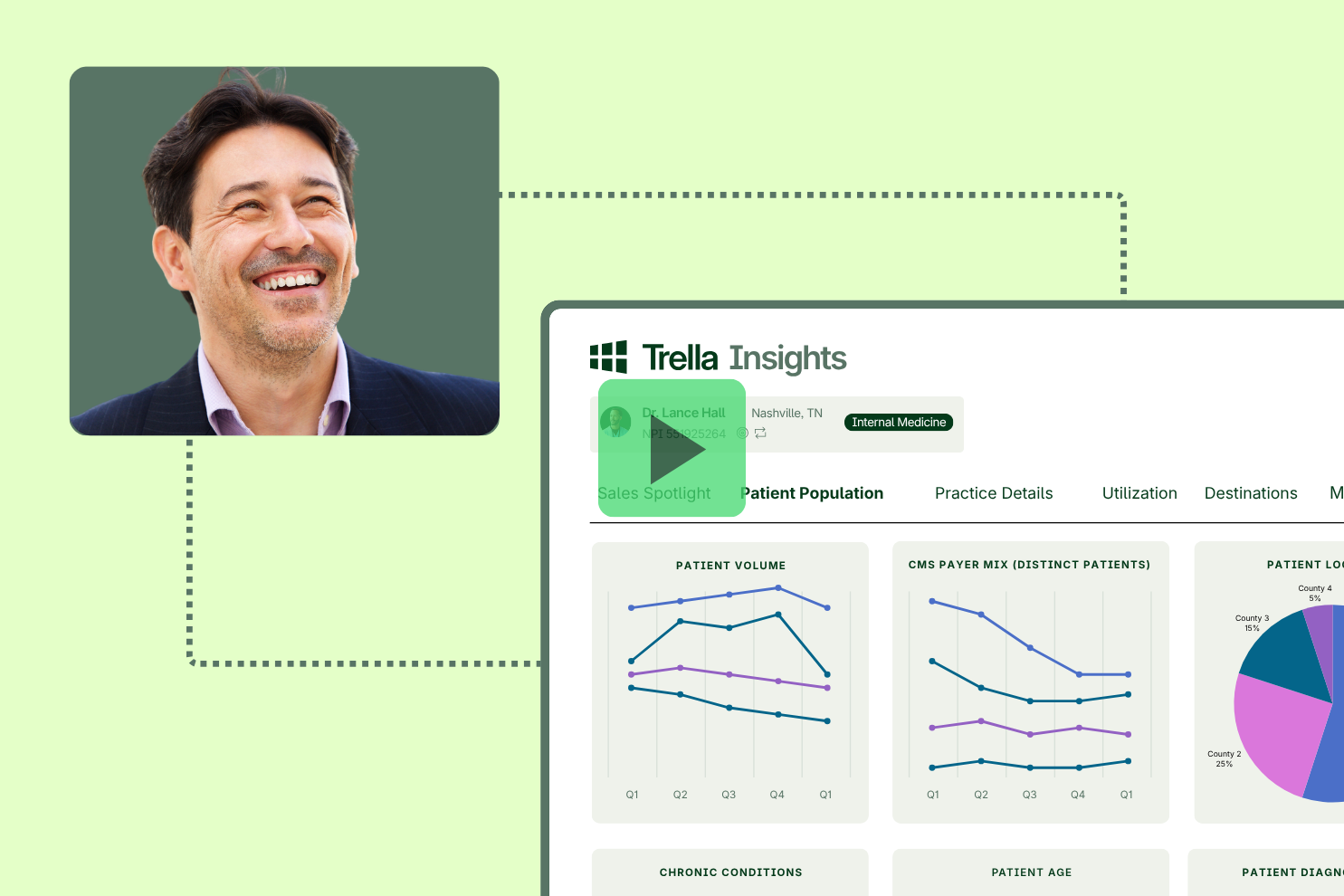
Accessing and analyzing claims data at scale can be challenging for most organizations. That is where Trella Health provides critical support. Trella Health supports organizations in analyzing data from multiple data sources, including claims data and patient data, to provide a comprehensive market view. Additional data views allow for claims data to be securely linked or integrated with de-identified EHR, ZIP code, or socioeconomic data, enhancing the depth of analysis.
Trella Health enables post-acute leaders to analyze any market across the country using a consistent national dataset. With Trella Health, organizations can quickly evaluate:
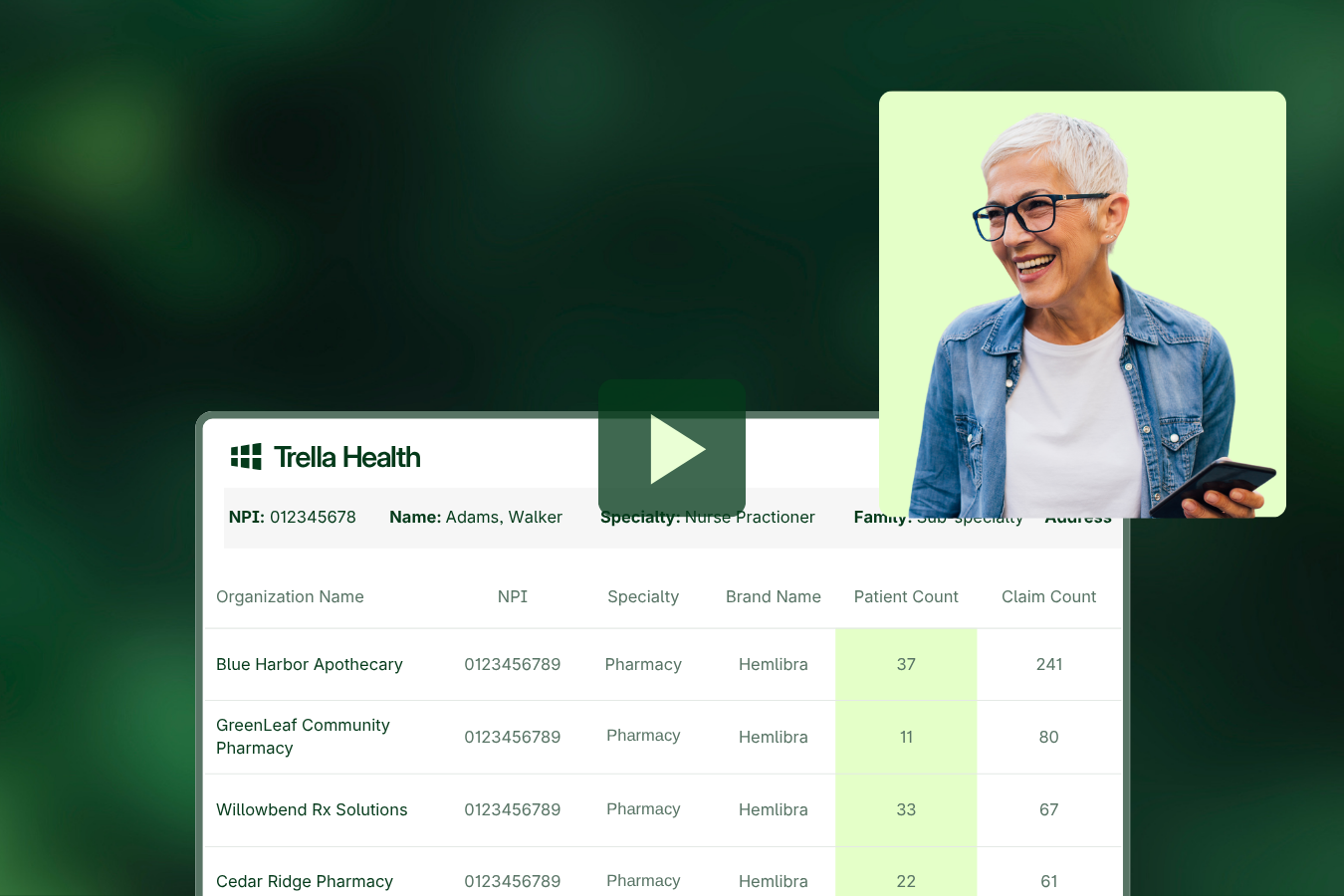
- Referral volume by provider and facility
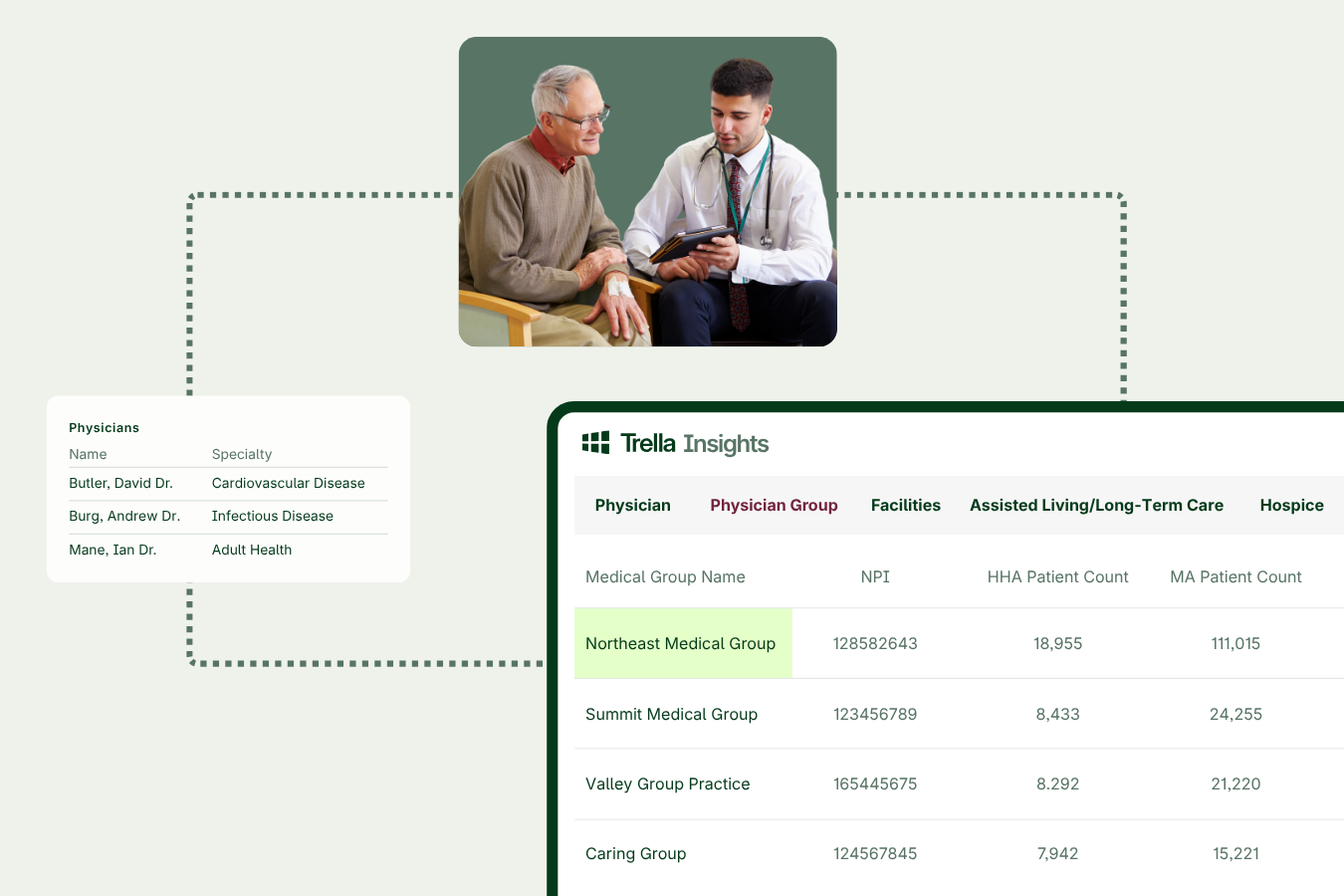
- Care transition patterns across hospitals and post-acute providers
- Competitive market share and referral relationships
- Payer mix across geographies and referral sources
This visibility allows leaders to understand how patients move through a market before making expansion decisions. Sales, strategy, and operations teams can identify high-value referral sources, assess competitive positioning, and size the true opportunity, often before hiring a single salesperson or signing a lease.
By transforming complex claims data into actionable insights, Trella Health helps healthcare organizations turn market expansion from a gut-driven bet into a confident, data-supported strategic decision.
From Expansion Guesswork to Data-Driven Strategy
Market expansion will always involve a degree of risk, but the most successful post-acute organizations are reducing uncertainty by grounding decisions in data rather than intuition.
Claims data provides the visibility needed to understand referral dynamics, competitive positioning, and payer influence before making significant investments. By applying a structured evaluation framework, leaders can approach each new market opportunity with greater clarity and confidence.
With the right insights in place, expansion becomes less about speculation and more about strategic execution, allowing organizations to pursue growth in markets where the opportunity is both measurable and achievable.
Connect with a product expert for more information.