
Technology is crucial to all businesses, but which one is right for your post-acute care agency? Having the right tools in place can help transform your day-to-day and overcome adoption barriers internally.
Follow these three steps to help your organization assess what technologies you have, identify opportunities for consolidation, and overcome adoption barriers.
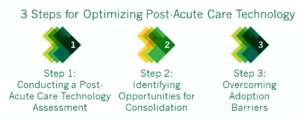
Step 1: Conducting a Post-Acute Care Technology Assessment
Starting with a post-acute care technology assessment will help you understand what tools you are currently subscribed to. Doing this on an annual basis will keep you connected, understand the buy-in per technology, and understand what is meaningful to your business.
Questions to ask yourself:
• What technology do we currently utilize, what does it do, and how much is it?
• Is there any overlap between tools that you can eliminate or consolidate?
• How long is our contract or subscription and is this still valuable to our business?
• Is this technology specifically built for post-acute care?
After answering these questions, you also have an opportunity to measure any return on investment and areas of improvement internally where there is a gap. Perhaps there is a need for a new tool that can help automate work for your team or solve a problem for your business.
Step 2: Identifying Opportunities for Consolidation
This step is crucial, and many times missed. Why? Well, if you aren’t doing the step above, how would you identify an opportunity for consolidation? Consolidating not only helps you save money in the long run, but it will help with adoption throughout your agency.
Questions to ask yourself:
• Is there something we can replace or get 3-for-1?
• Do any of these tools offer integration with one another, specifically our current post-acute care tech stack?
• Is there another version of a current tool that is a better fit for our business?
Integrating tools can help streamline your daily workflow and prevent duplication in areas. Keeping this at a minimum will also help with more accurate reporting on a daily and historical basis.
Step 3: Overcoming Adoption Barriers
Being open to change doesn’t always come naturally to us. However, admitting there is a better way will help you create a winning and innovative environment. Not to mention, healthcare and technology is an every-changing industry.
Key items to consider:
• Get buy-in and explain the “why”
• Define and document processes so everyone knows their role
• Teach, teach, and reteach
Having an internal champion or dedicated technology council can help keep you disciplined. Coming together to listen and solve problems will make your job easier – and isn’t that the purpose of technology? Lastly, people will come and go, ensuring they are taught the process and understand the “why” behind each tool will help set them up for success.
How Can Trella Help?
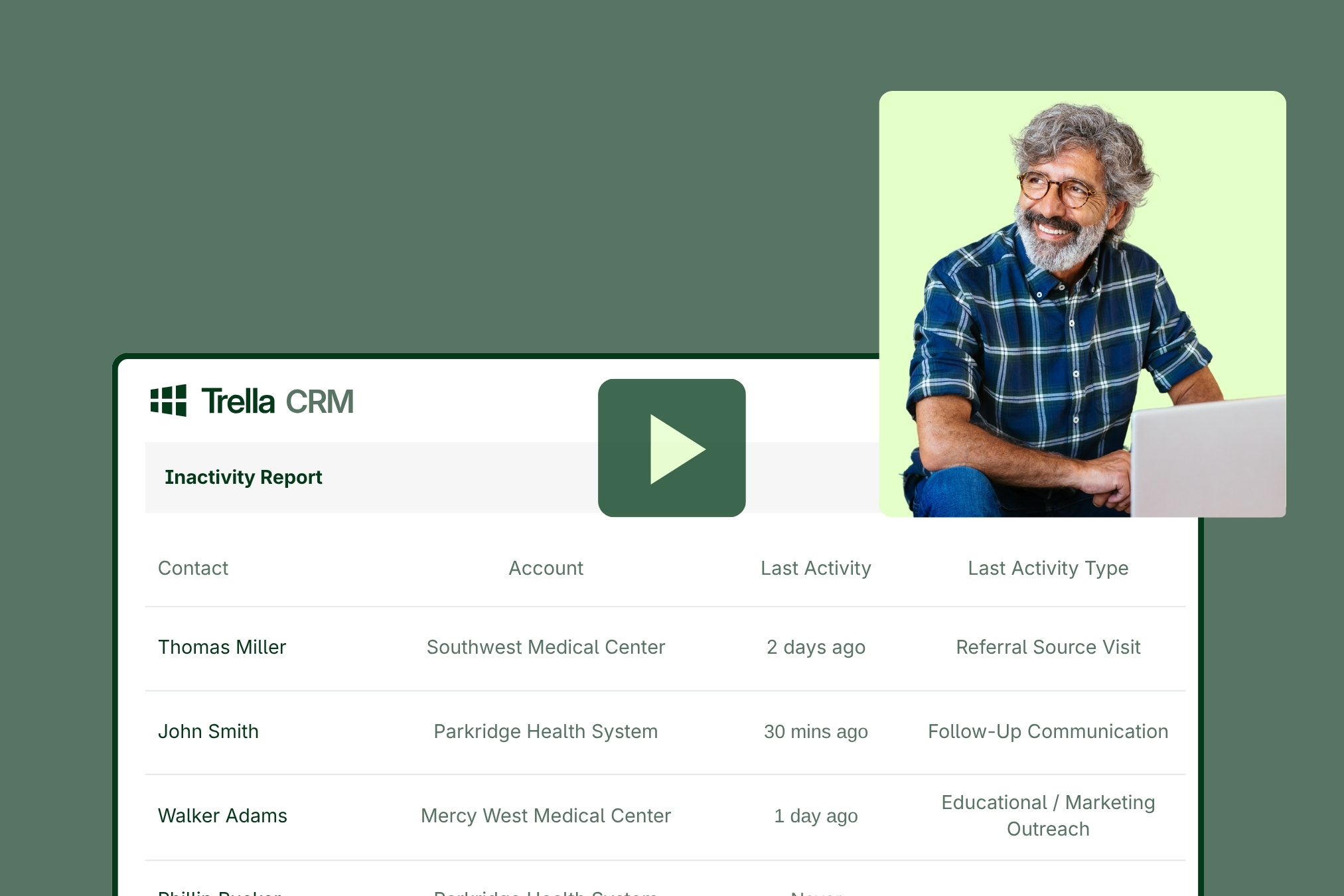
When reviewing your post-acute tech stack, some items on your list may include electronic health records (EHR), customer relationship management (CRM), email, or data and analytics.
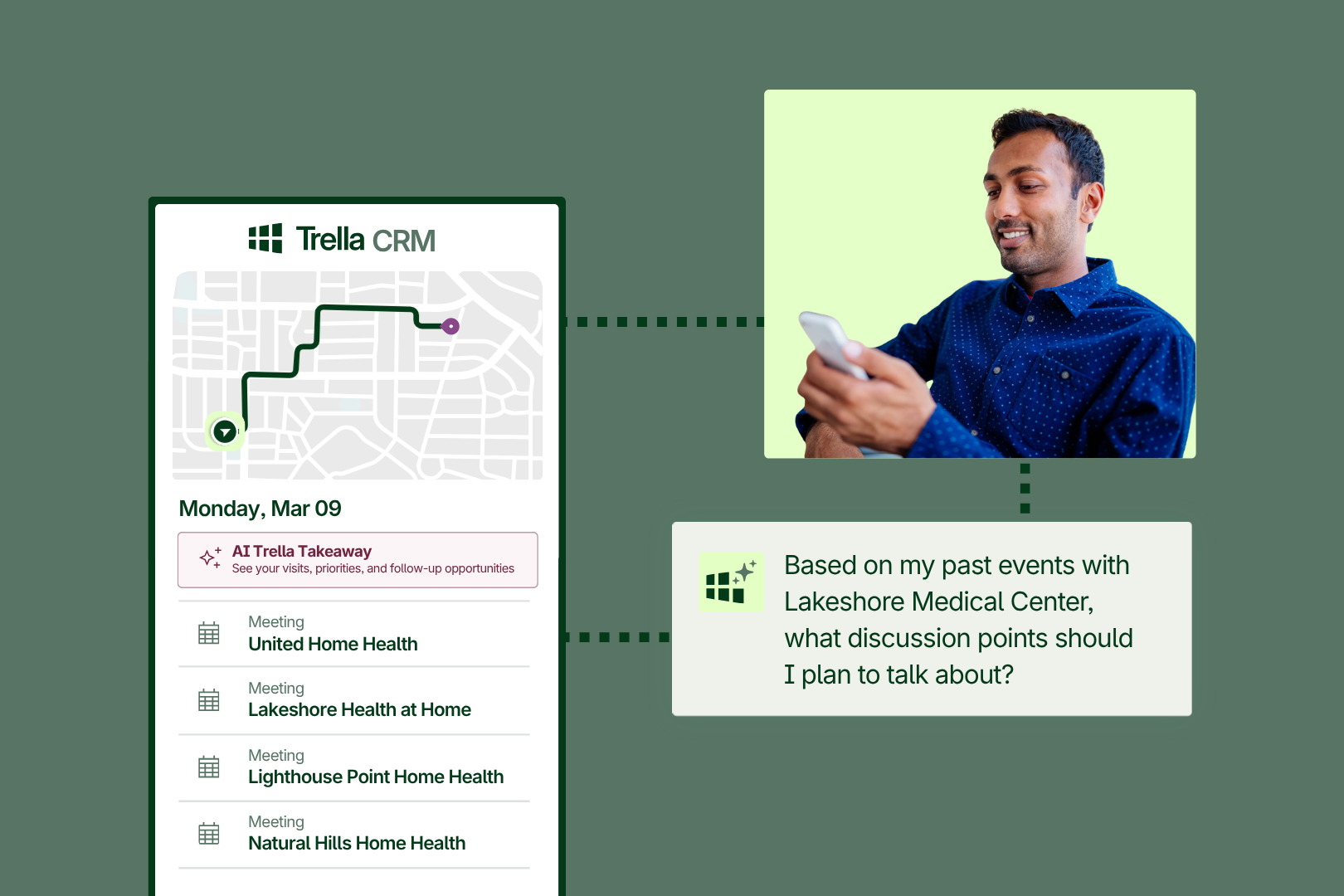
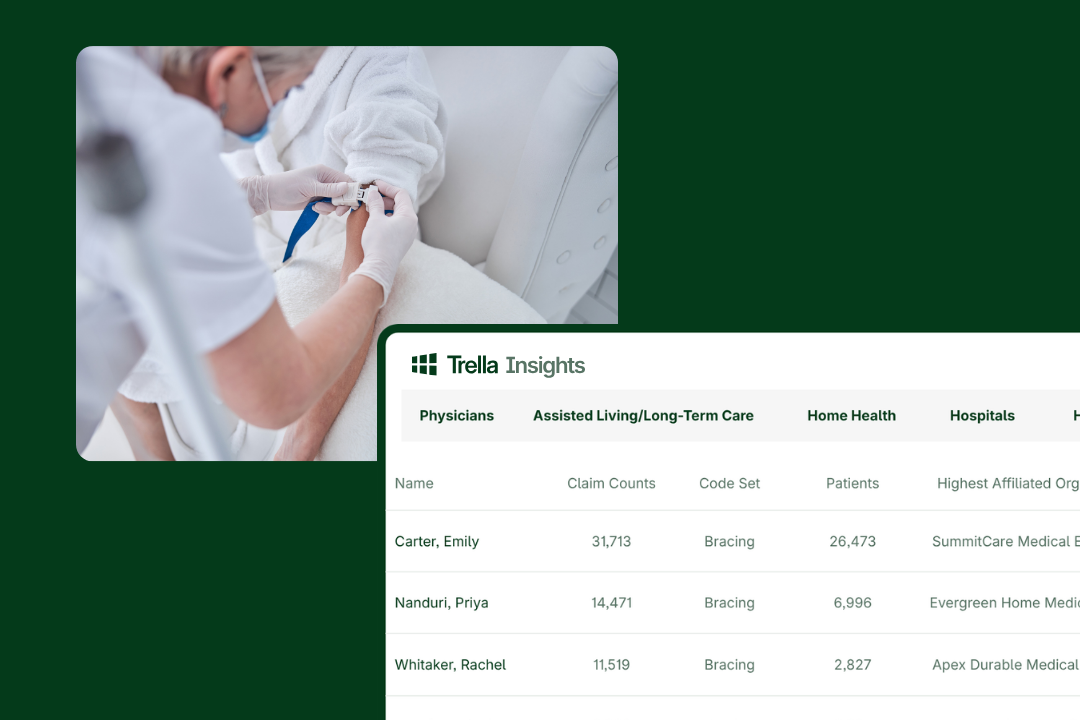
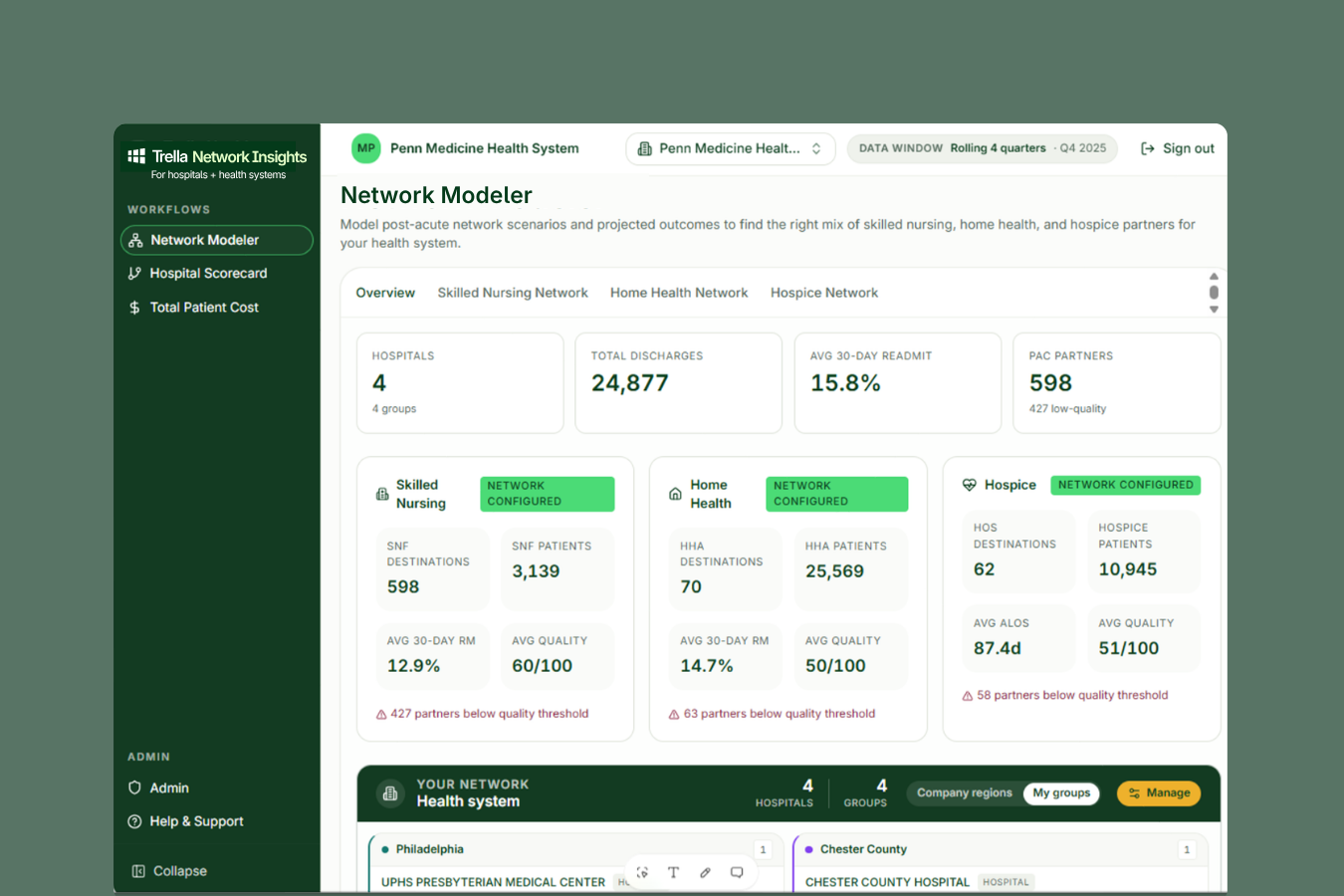
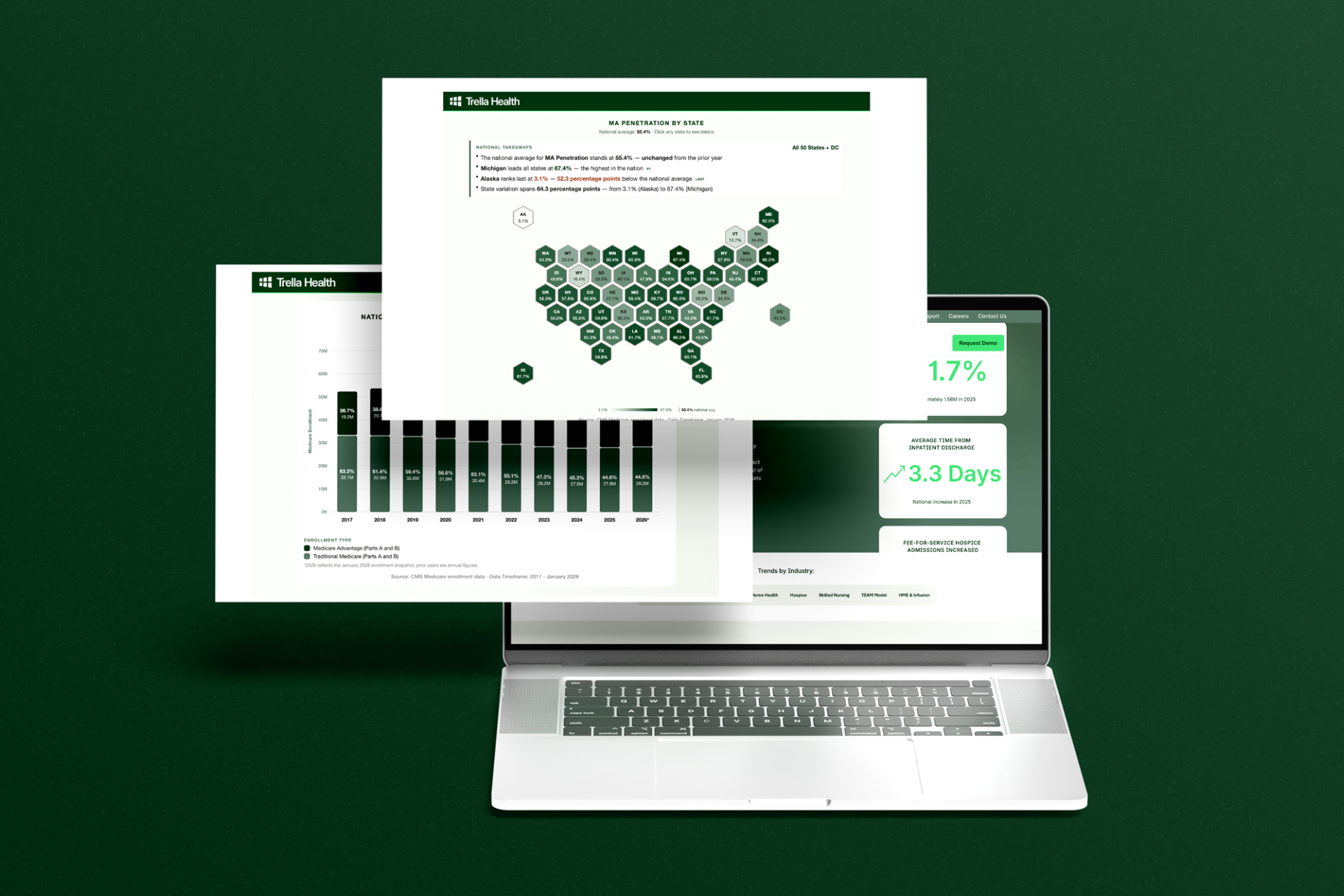
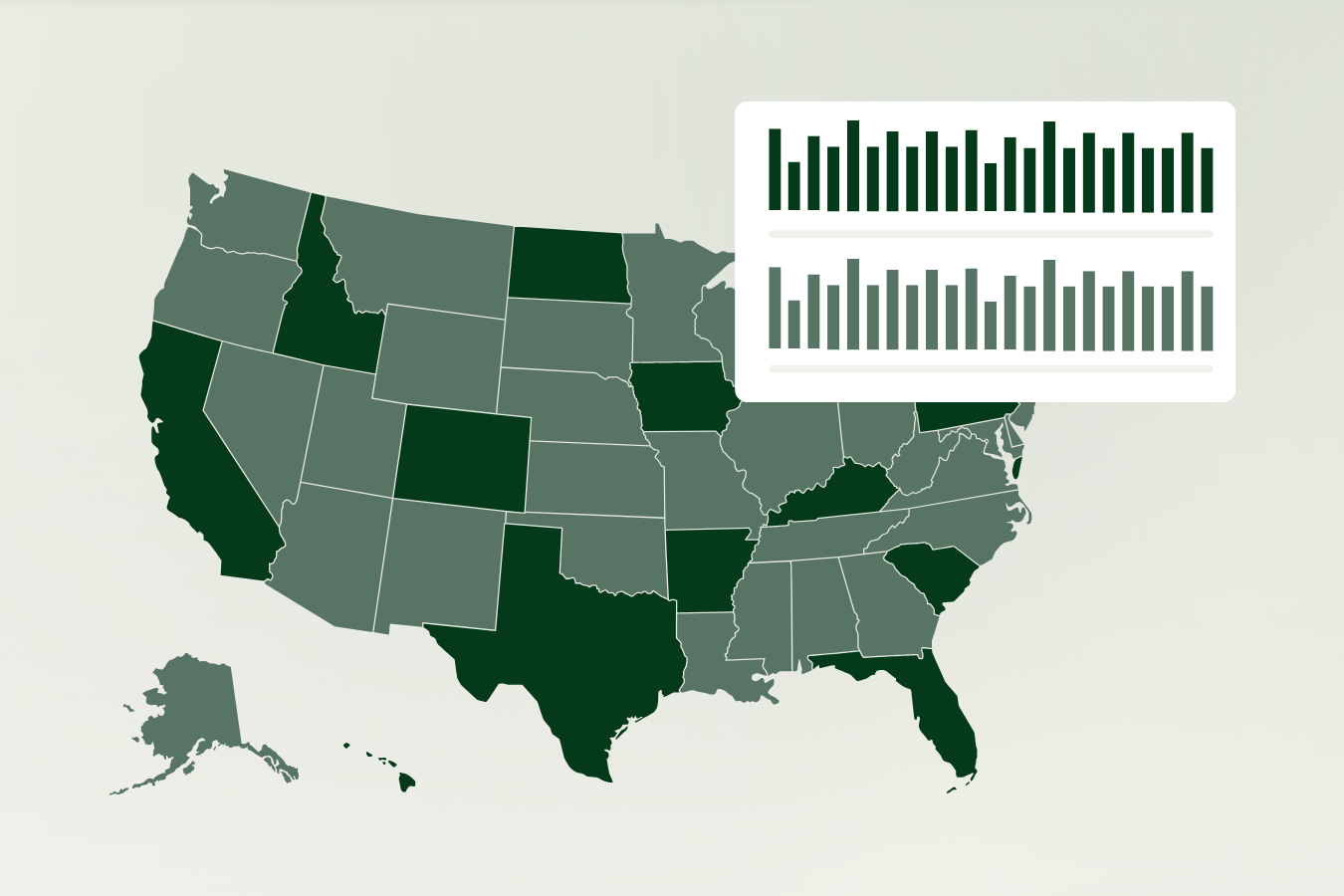
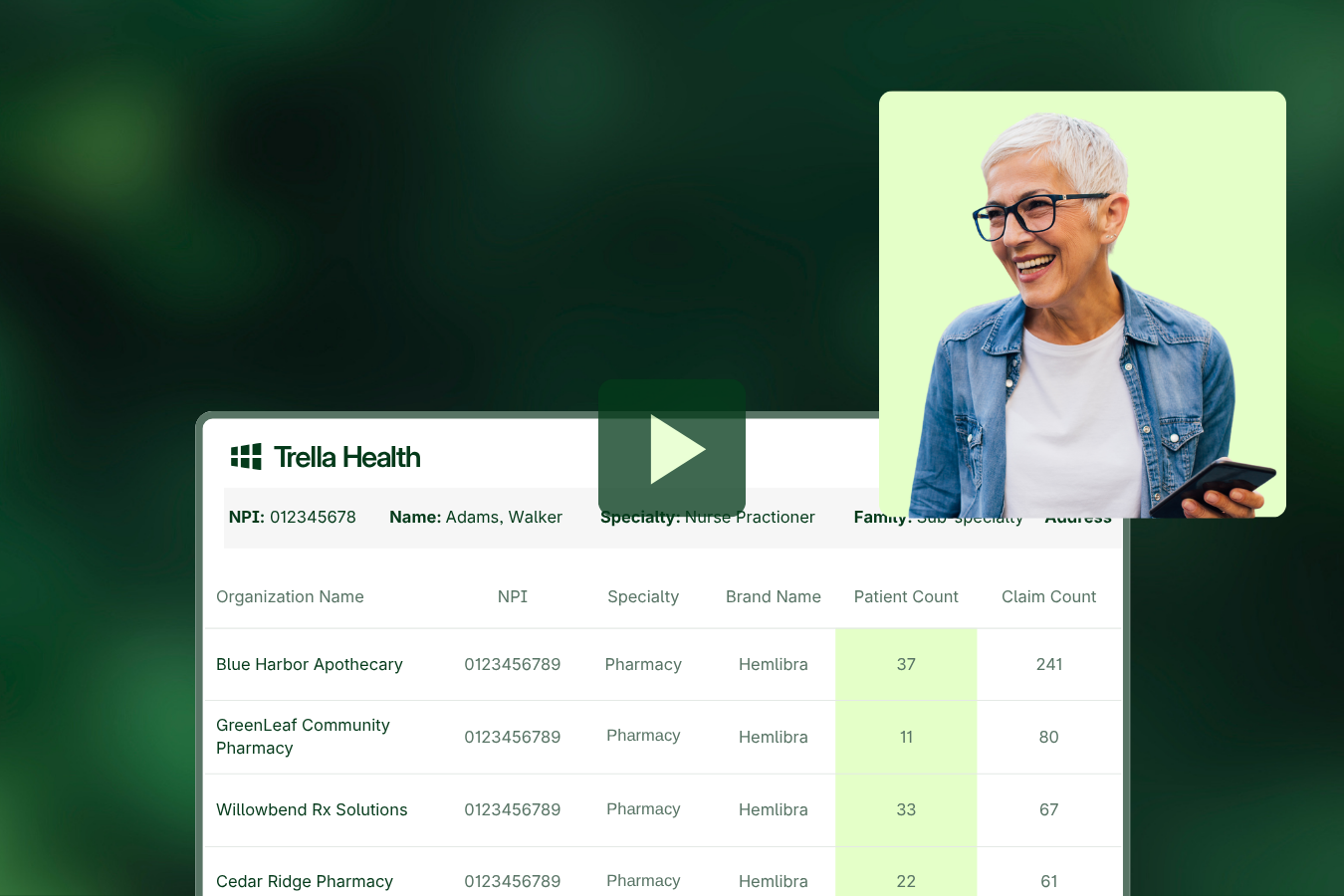
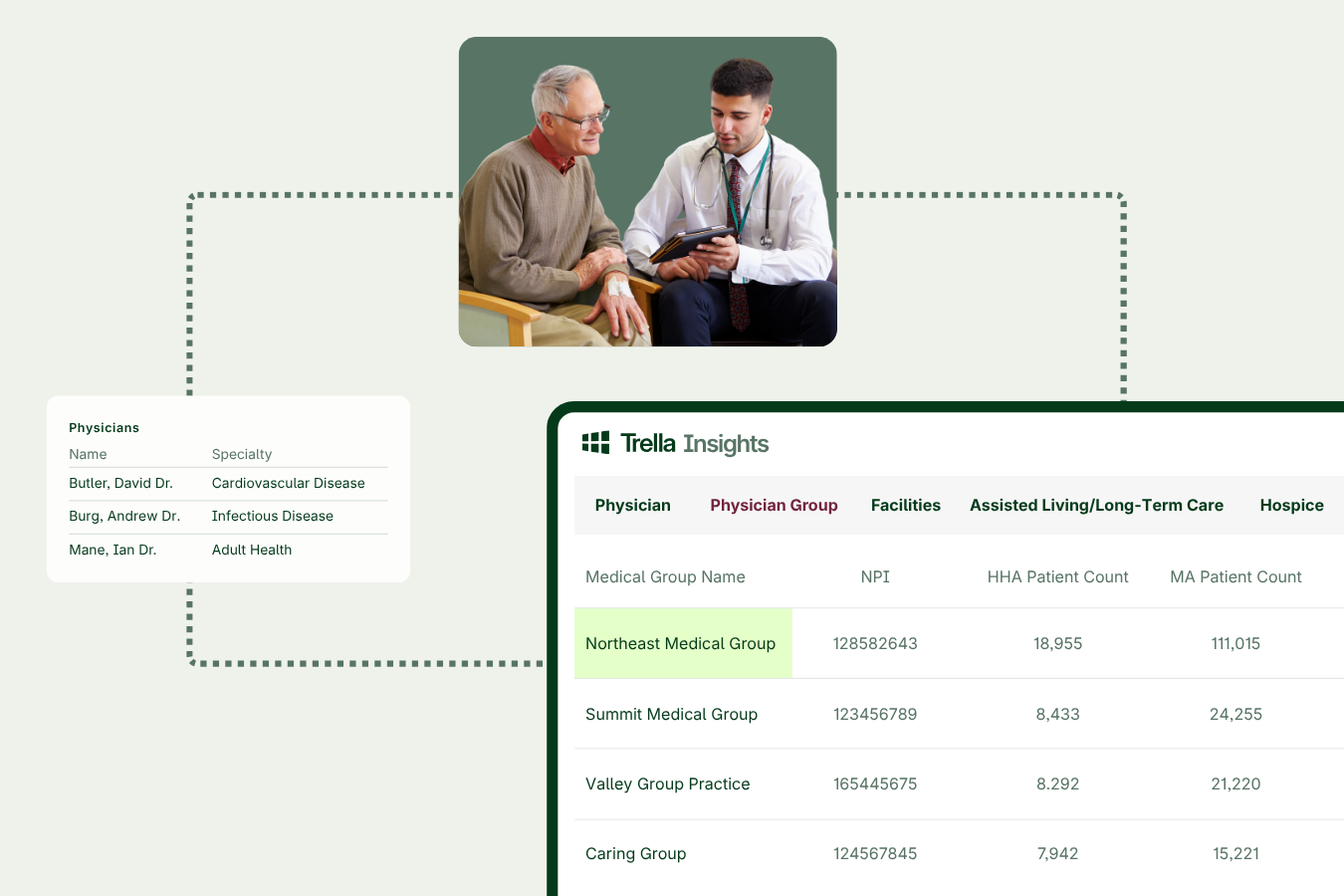
Trella provides an all-in-one market intelligence and CRM platform with EHR integration for post-acute providers and suppliers.
We break down the common silos seen in businesses to help streamline operations, sales, and productivity efforts while maintaining one source of truth.
Interested in learning more or seeing a personalized demo? Click the image below!