
Infusion providers are under increasing pressure to grow efficiently in a competitive, high-cost environment. As infusion therapy expands due to clinical innovation, an aging population, and the shift toward outpatient and home-based care, infusion services are becoming a crucial component of modern healthcare delivery. Traditional strategies built on referral volume and relationship-based outreach are no longer enough. Instead, leading organizations are shifting toward data-driven referral targeting—prioritizing quality over quantity to drive stronger therapy starts and financial performance.
Leading providers are leveraging infusion referral management to achieve better outcomes for patients and referral partners, differentiating their infusion services in a rapidly evolving and competitive market.
This blog highlights key insights from a recent webinar on infusion growth strategy. For a deeper look at the discussion, real-world examples, and expert perspectives, access the full webinar recording.
The Shift from Referral Volume to Referral Value
For years, infusion growth strategies focused on increasing referral volume. But volume alone does not guarantee outcomes. More referrals do not necessarily lead to:
- Higher therapy initiation rates
- Stronger revenue performance
- Efficient use of commercial resources
As a result, leading infusion organizations are shifting toward a more effective approach: prioritizing referral sources based on their likelihood to convert. Not all referrals are equal, and growth depends on identifying the ones that truly drive value. To support this shift, organizations must assess referral sources for quality and strategic fit as part of a robust business development process, using data-driven insights to optimize relationships and target high-value opportunities.
Why Traditional Targeting Falls Short
Many infusion providers still rely on outdated methods to guide their growth strategies, including:
- Anecdotal feedback from field teams
- Static referral lists
- Limited visibility into prescribing and payer dynamics
As a result, many organizations face an infusion referral blind spot, lacking visibility into who is actively prescribing infusion therapies and at what volume.
These approaches create blind spots. Without comprehensive data, organizations risk:
- Spending time on low-yield accounts
- Missing high-value prescribing physicians
- Misaligning sales, marketing, and contracting strategies
The result is inconsistent growth and inefficient resource allocation. Without comprehensive claims data, infusion providers may miss high-value prescribers and fail to align their strategies with current market dynamics.
What High-Performing Infusion Teams Do Differently
Top-performing infusion organizations are adopting a more strategic, data-driven model built on three core pillars: market visibility, targeted account prioritization, and measurable execution.
1. Market Visibility
They invest in complete visibility across referral patterns, prescribing behavior, and payer mix. By leveraging claims-based data, organizations can better understand how payer-driven site-neutral payment policies are influencing site of care decisions and shifting referral patterns. These policies are accelerating the migration of patients from hospital outpatient departments to freestanding infusion centers, compressing reimbursement differentials by 18% to 22% for common infusion codes. This enables teams to understand where real demand exists and where opportunities are being missed.
2. Targeted Account Prioritization
Instead of broad outreach, they focus on specific physicians and organizations with the highest conversion potential, improving both efficiency and outcomes. As part of a data-driven business development approach, it is essential to assess referral quality and strategic fit to identify high-opportunity providers. Building strong relationships with referral partners further enhances growth and market positioning in the infusion therapy industry.
3. Measurable Execution
They operationalize their strategy with clear processes, ensuring that targeting, outreach, and performance tracking are consistent and repeatable across the organization. Standardizing the infusion referral management process and automating workflows—such as centralizing intake and automating prior authorizations—significantly reduces delays and improves efficiency. Effective infusion referral management replaces manual, paper-based methods with digital workflows to enhance critical steps like insurance verification, prior authorization, and scheduling.
The Operational Impact: Smarter Growth, Not Just Faster Growth
When infusion providers adopt a data-driven approach, the impact goes beyond sales performance. Organizations begin to see:
- Increased field productivity with more focused outreach
- Better alignment across commercial, clinical, and operational teams
- More predictable and scalable growth
By improving care delivery and patient access, organizations can achieve better outcomes for both patients and the business.
The goal shifts from simply generating more referrals to generating the right referrals.
Where Technology Enables the Shift
Executing this strategy requires more than fragmented tools or partial datasets. Infusion providers need a unified approach that connects market intelligence, prescribing data, and payer insights, while leveraging automated systems and digital dashboards to streamline infusion referral management and support business growth. Integrating with Electronic Health Records (EHRs) is also crucial to ensure seamless data flow and improve accuracy across the organization.
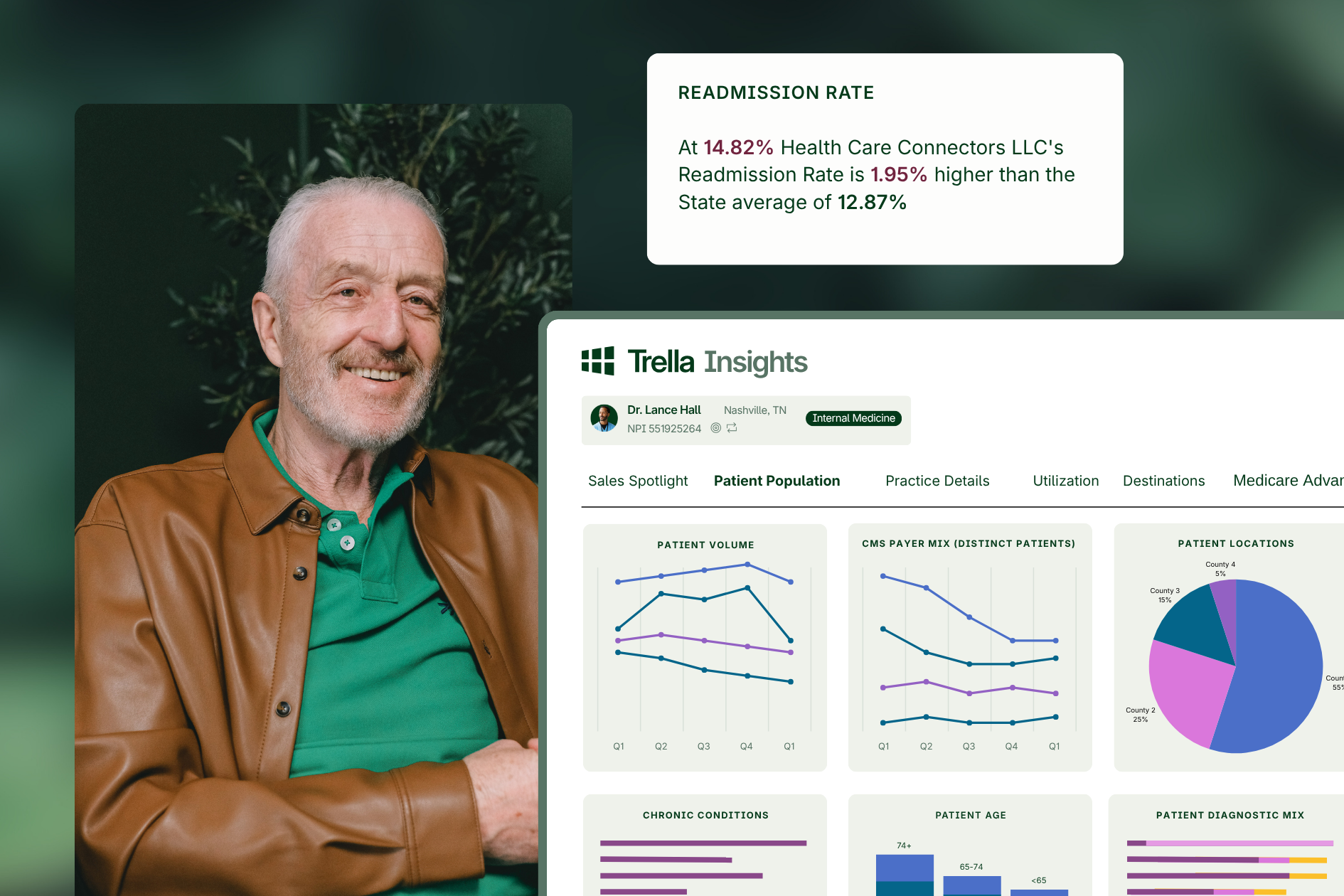
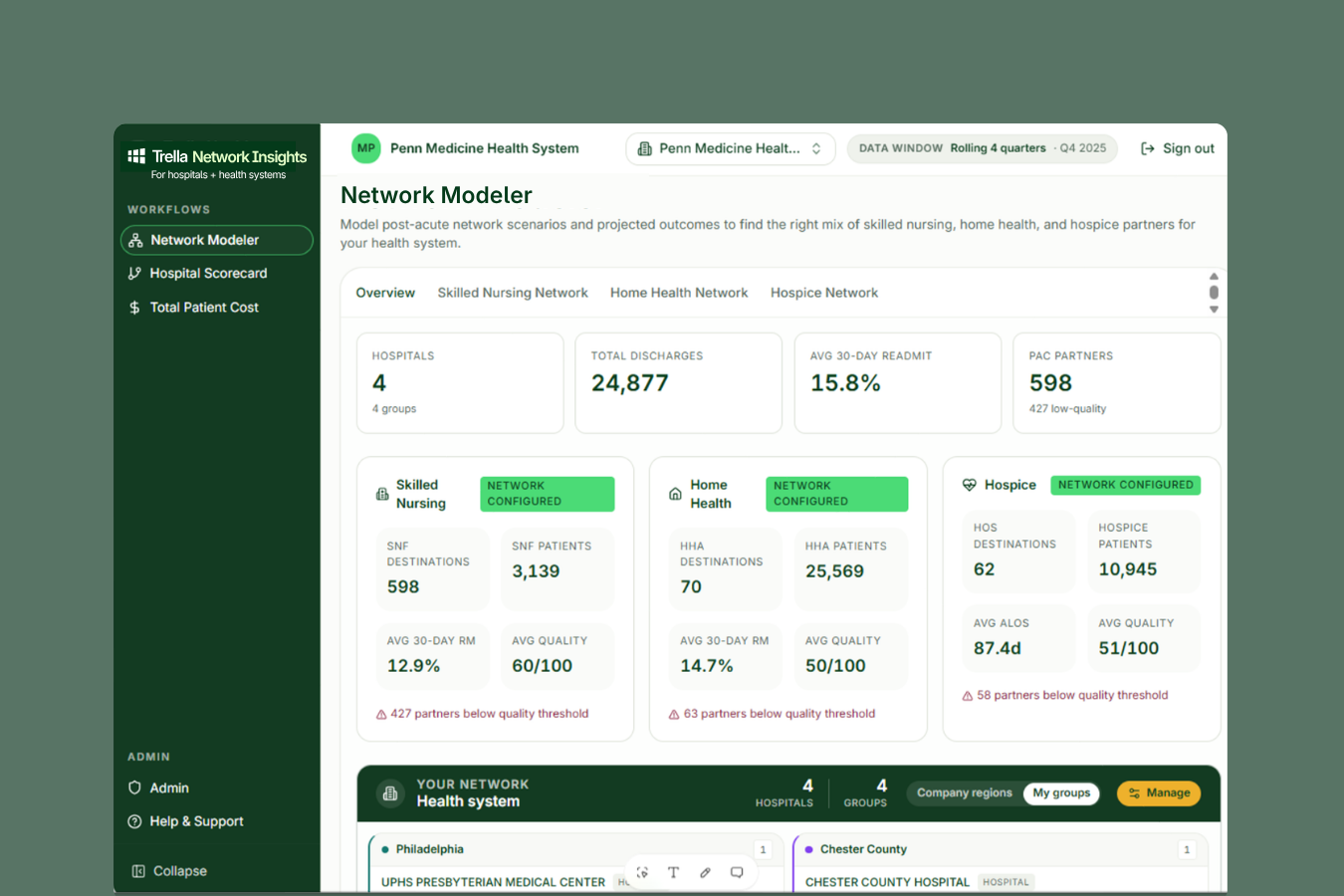
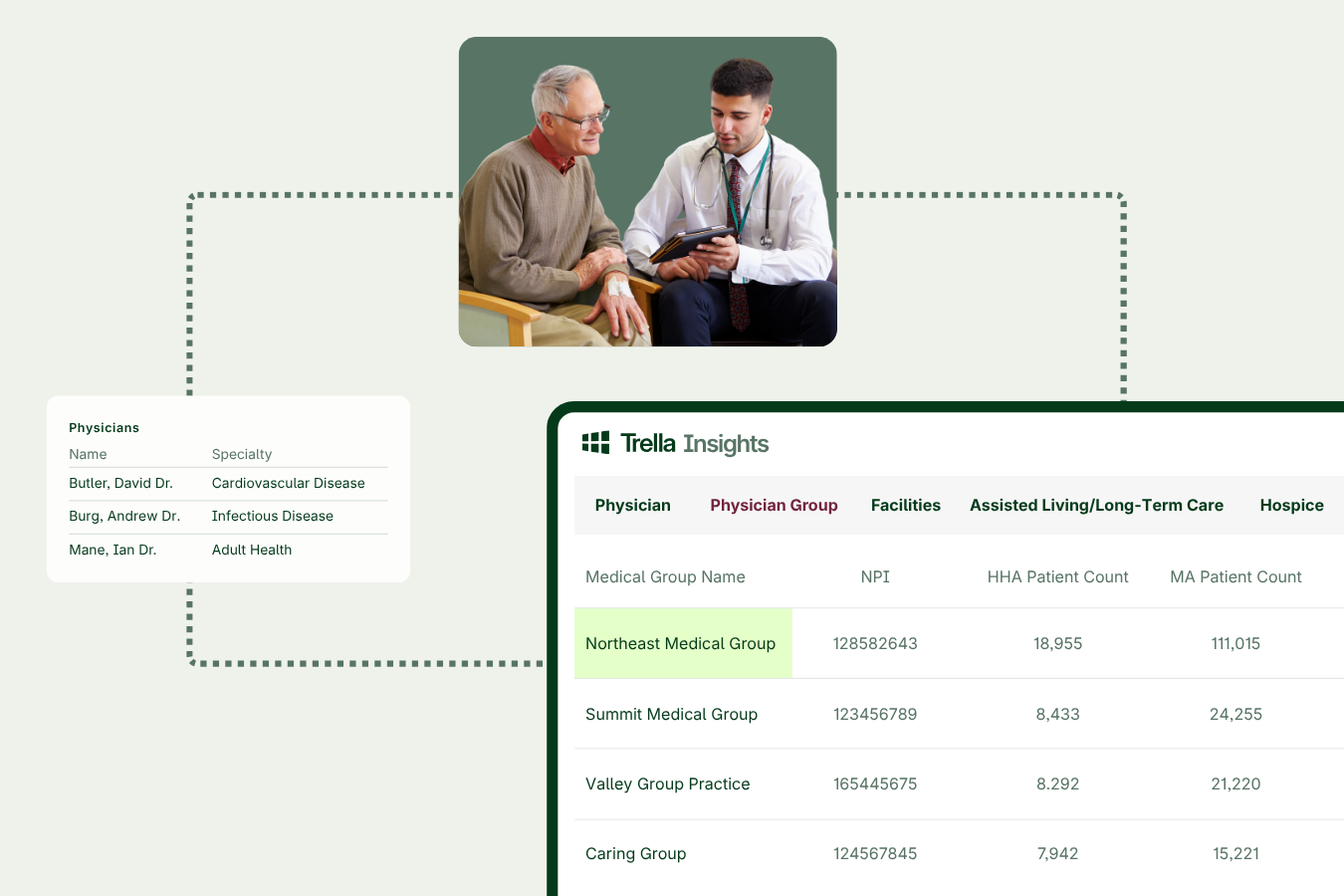
Trella Health enables this shift by providing visibility into medical and pharmacy claims data into a single, actionable view of the market.
For infusion organizations, this means:
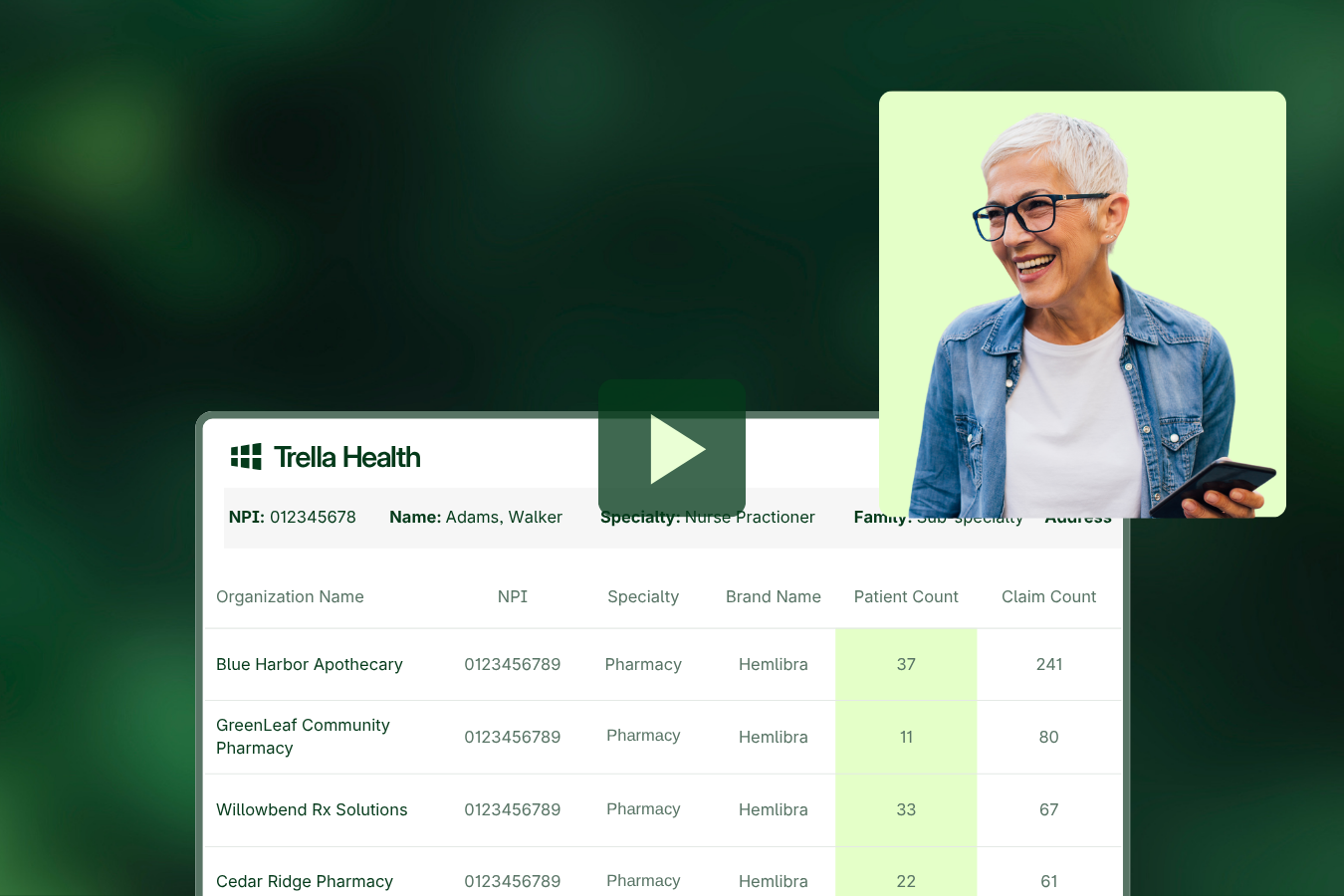
- Full visibility into prescribing and dispensing patterns, including therapies billed through both medical and pharmacy benefits
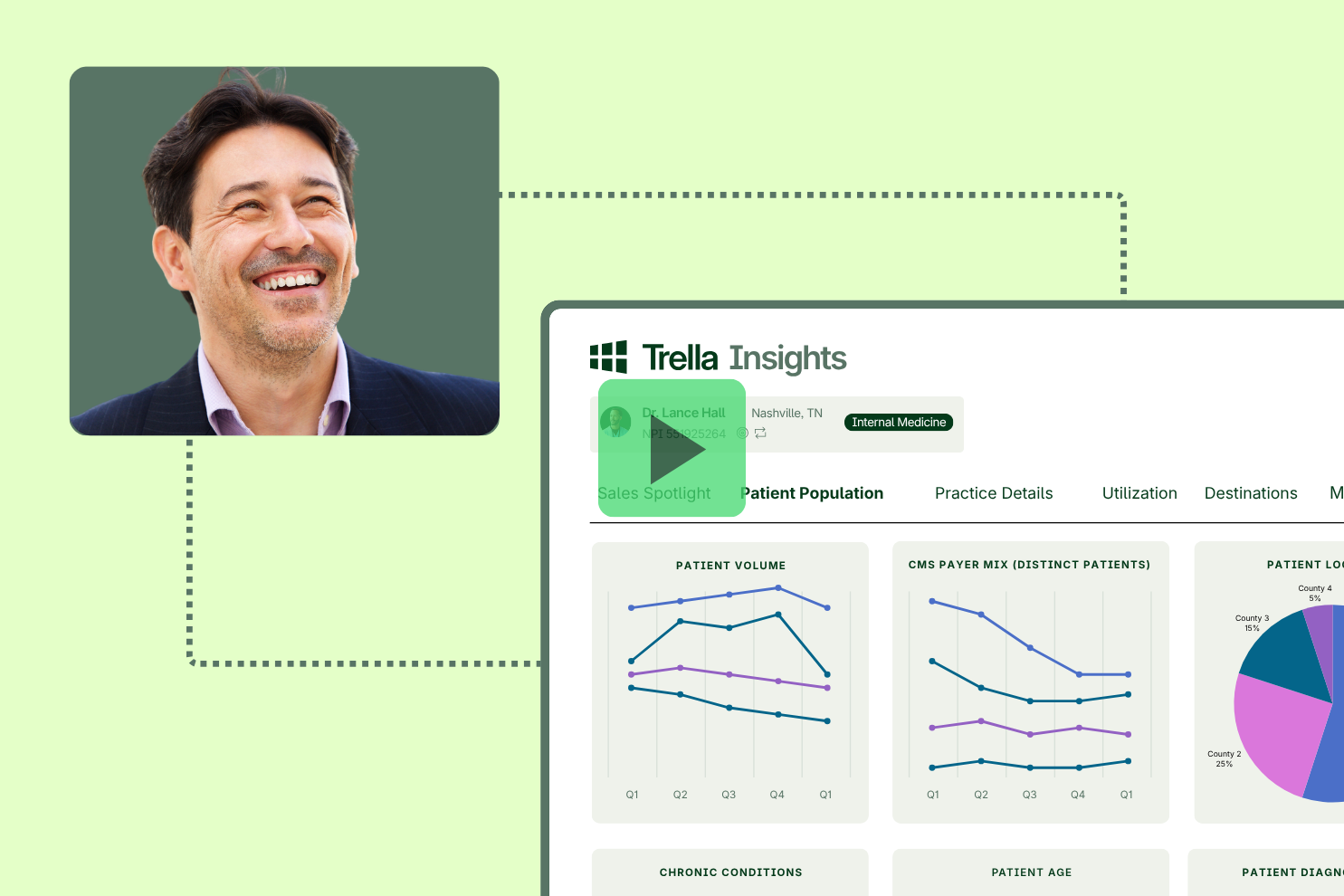
- The ability to identify high-value physicians and organizations based on patient volume, payer mix, and therapy utilization
- Code-level and drug-level insights (HCPCS and NDC) to align growth strategies with high-value therapies
- Access to payer rate intelligence to inform contracting strategy and prioritize the most profitable opportunities
- Claims-based data that delivers comprehensive market insights to inform data-driven business decisions
By connecting these insights with workflow and execution tools, infusion teams can move beyond guesswork, focusing their efforts on the referral sources, therapies, and payer relationships that drive the greatest impact.
The Future of Infusion Growth
As the infusion market continues to evolve, growth will increasingly depend on precision. Organizations that succeed will be those that can:
- See the full market across both medical and pharmacy data
- Prioritize opportunities based on value, not volume
- Execute consistently with measurable outcomes
Data-driven referral targeting is no longer a competitive advantage; it is becoming the standard.
To explore these strategies in more detail and hear how industry leaders are approaching infusion growth, watch the full webinar recording.
Infusion providers looking to improve referral conversion and drive more efficient growth should evaluate how data-driven market intelligence can support their strategy.
Request a demo to see how Trella Health helps infusion teams identify, prioritize, and convert high-value referral opportunities with confidence.