Nonprofit hospice organizations need more than market data; they need insight that helps them make confident decisions, strengthen referral relationships, and support sustainable, mission-aligned growth. This blog explores the key questions hospice leaders should ask when evaluating a market insights and CRM partner, from claims data usability to referral targeting, earlier hospice engagement, and organization-wide alignment.
For nonprofit hospice organizations, growth is not just a sales priority. It is a mission sustainability priority.
As referral patterns shift, payer dynamics evolve, and competition increases, nonprofit hospices need a clearer way to understand where patients are coming from, where referrals are going, and which relationships have the greatest potential to support earlier, more appropriate hospice engagement.
That is why many organizations are rethinking how they evaluate market insights and customer relationship management (CRM) partners. The right solution should do more than provide access to data. It should help teams turn insight into action, from strategic planning to referral outreach.
Below are common questions nonprofit hospice leaders should ask when evaluating a data vendor or CRM solution.
What problem should a nonprofit hospice data platform actually solve?
A nonprofit hospice data platform should help organizations move from assumption-based planning to evidence-based decision-making.
Many teams already have access to some form of reporting, CRM activity tracking, or referral history. But those inputs often do not answer the bigger market questions leaders need to solve:
- Where are hospice patients going in the market?
- Which referral relationships are growing, declining, or underdeveloped?
- How does the organization compare to competitors?
- Which providers are sending patients elsewhere?
- Where can earlier hospice engagement create measurable clinical and financial impact?
The right market insights platform should help nonprofit hospices see these patterns clearly and use them to guide smarter growth, stronger referral relationships, and more informed planning.
Why is claims data valuable beyond basic market share?
Claims data is often viewed as a market share tool, but its value extends much further.
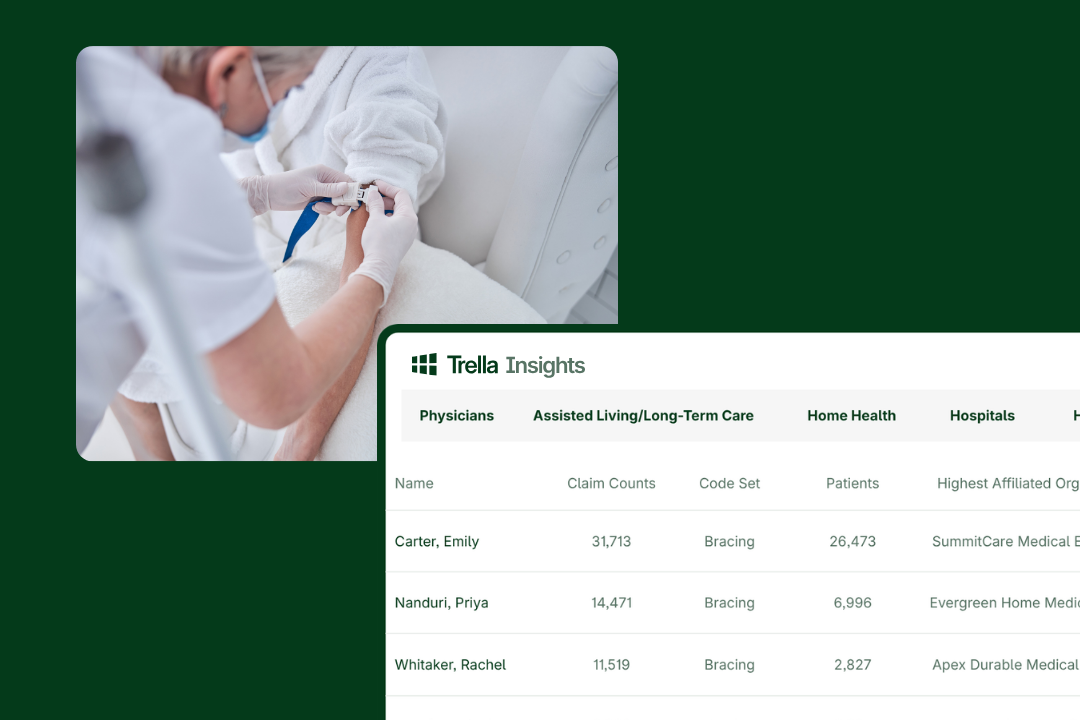
For nonprofit hospices, claims-based insights can help connect referral behavior, utilization trends, quality indicators, payer dynamics, and patient movement.
This gives organizations a more complete picture of how care is being delivered across the market and where opportunities exist to improve access, strengthen partnerships, and support earlier hospice referrals.
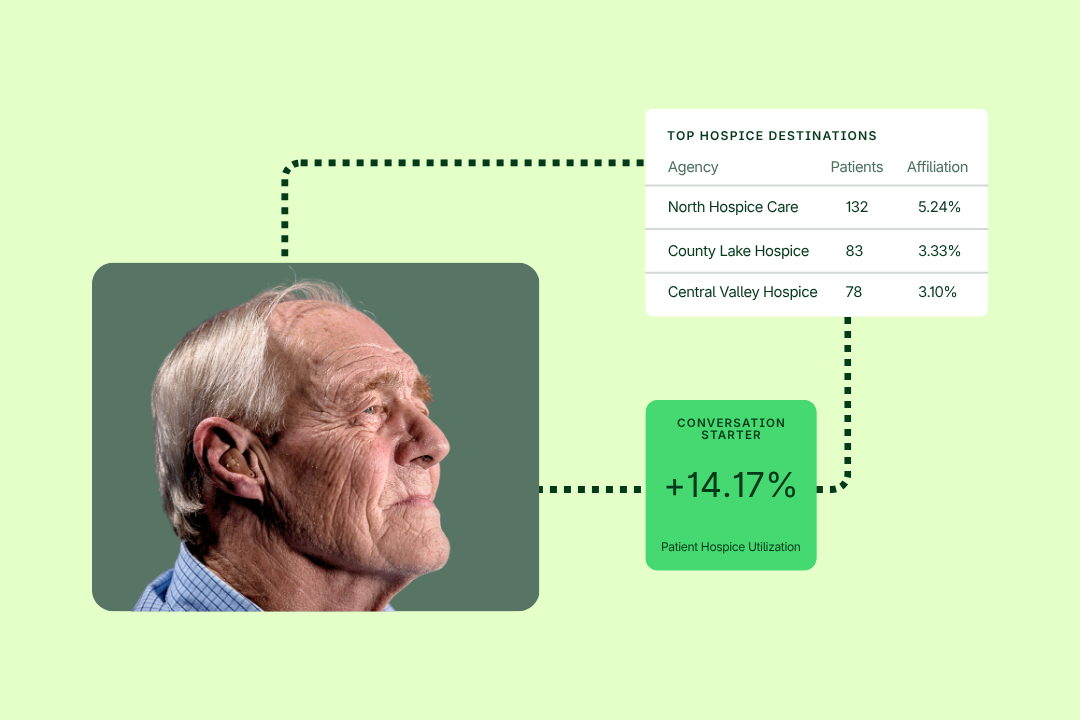
Instead of relying on static lists or anecdotal field feedback, nonprofit hospice teams can use claims data to understand real referral patterns and prioritize the relationships most likely to move the needle.
How should a CRM support nonprofit hospice growth?
A customer relationship management (CRM) platform should not function only as a contact database or activity tracker. For nonprofit hospice agencies, the CRM should support patient care by enabling direct patient care, storing comprehensive patient information, and enhancing productivity across teams.
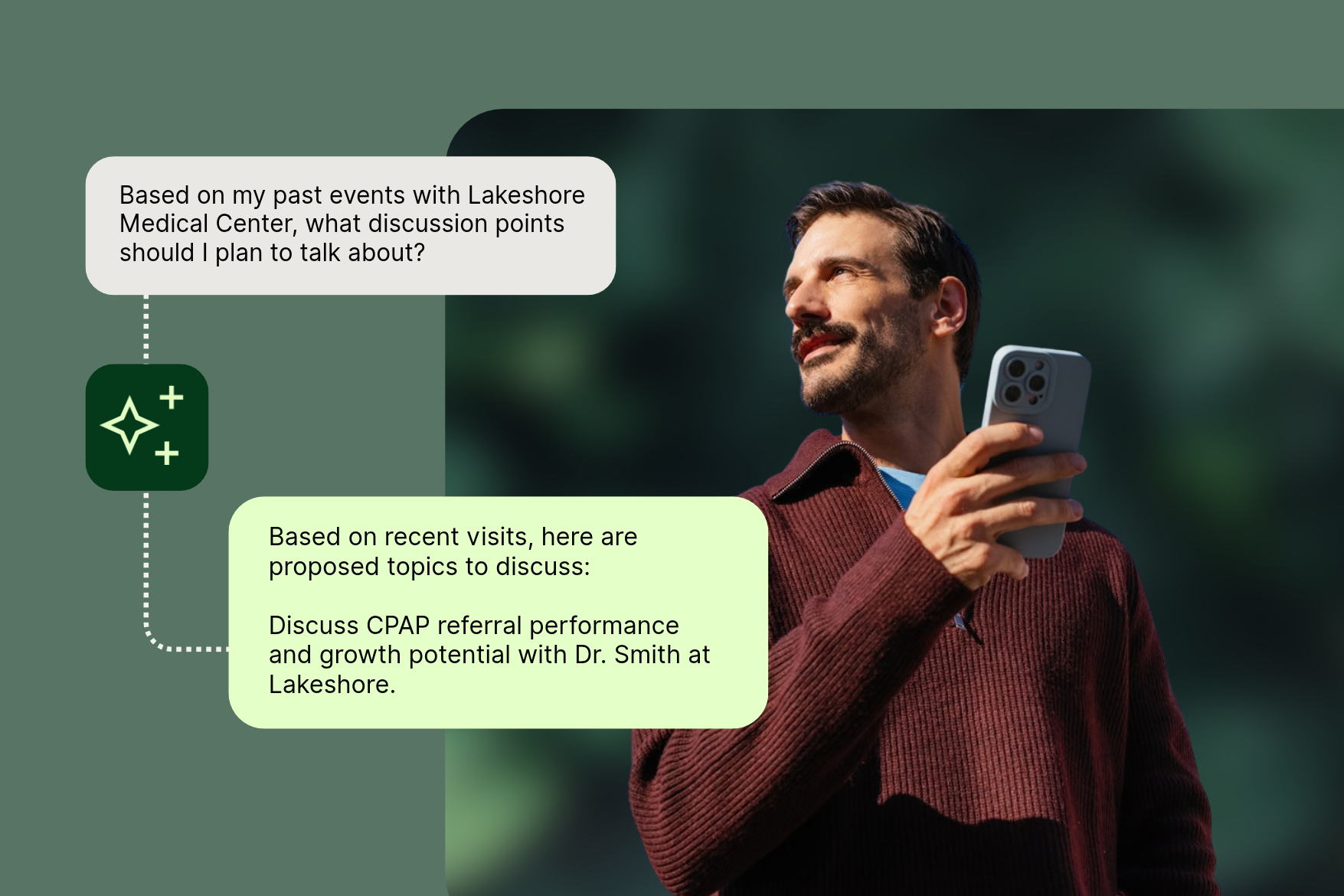
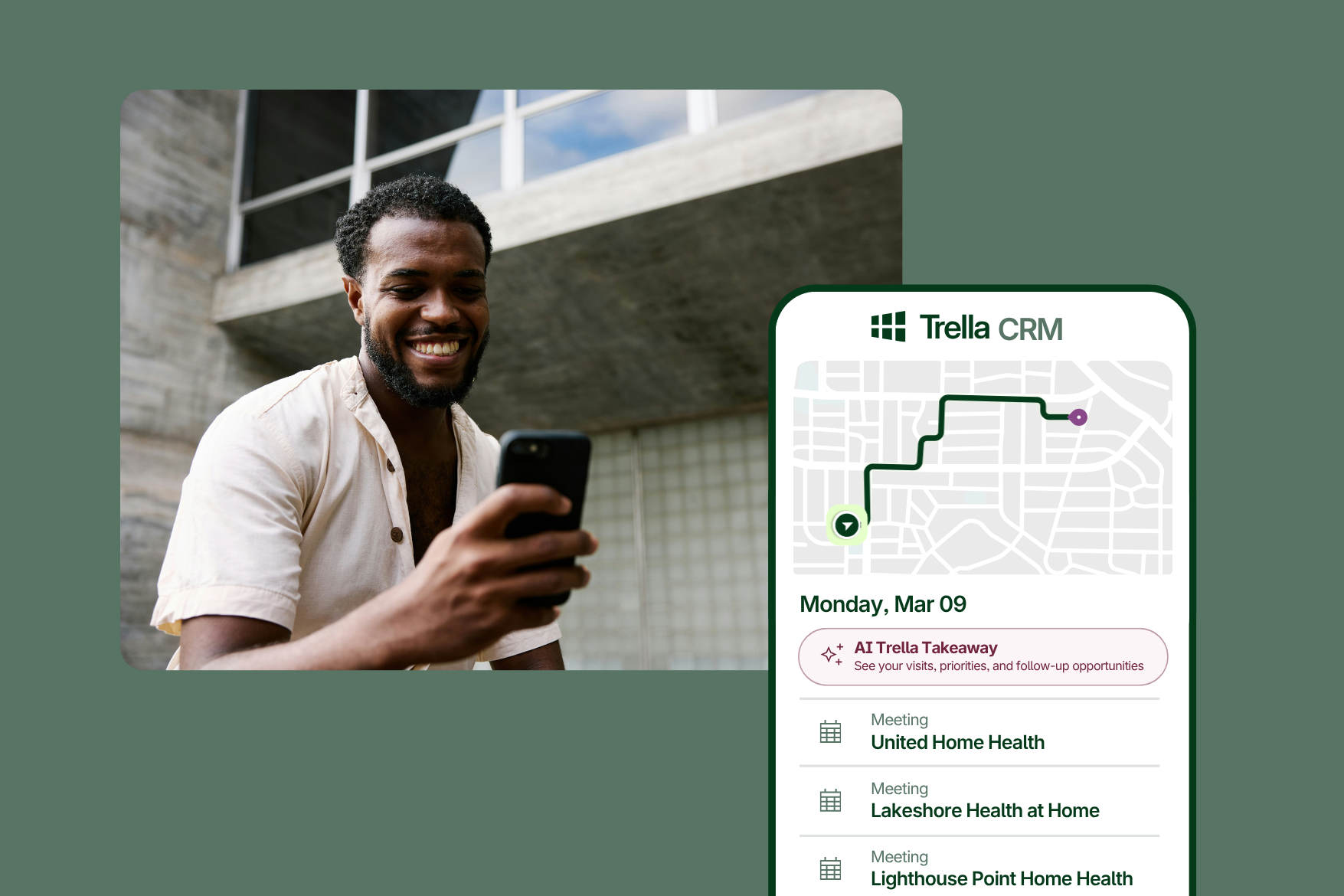
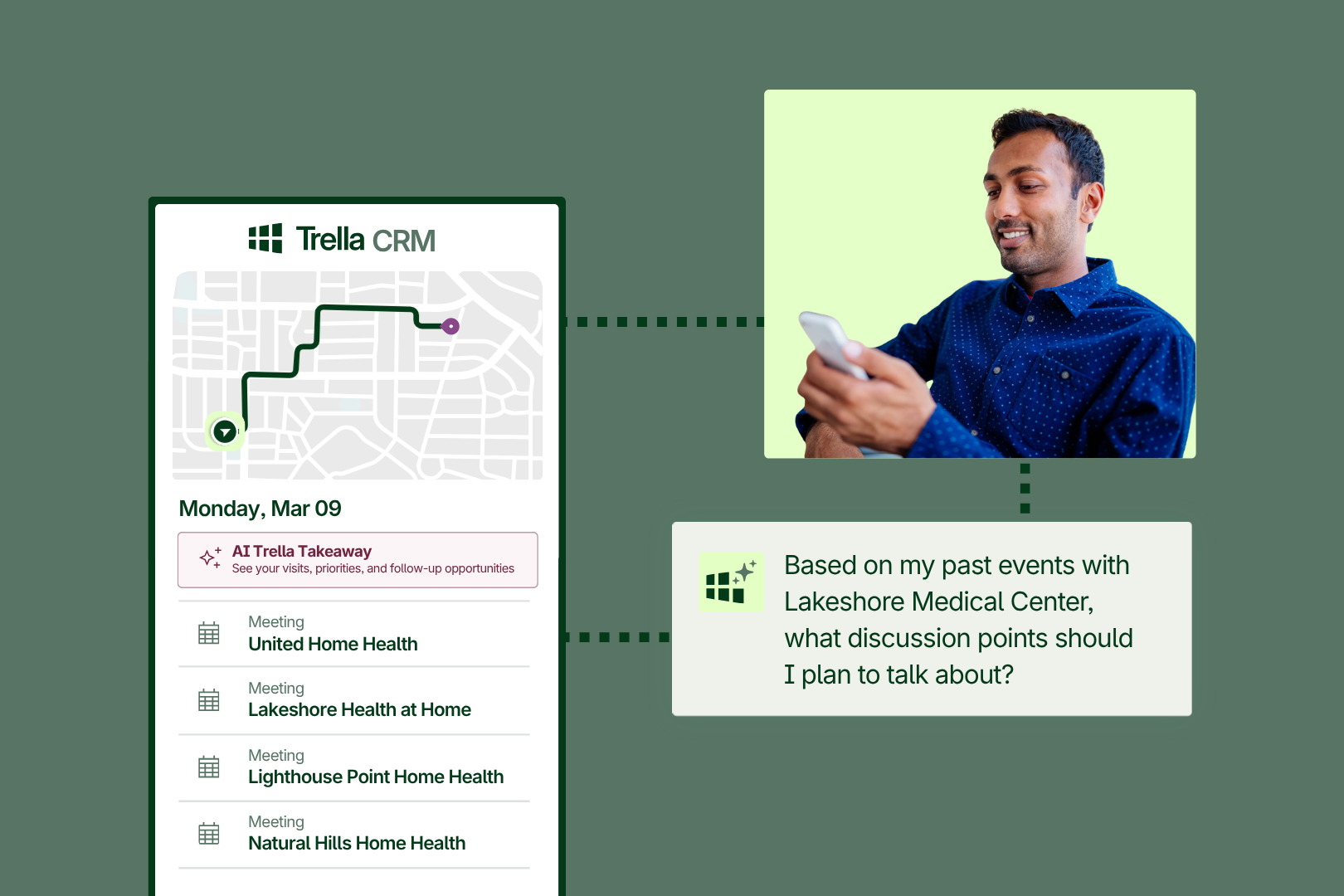
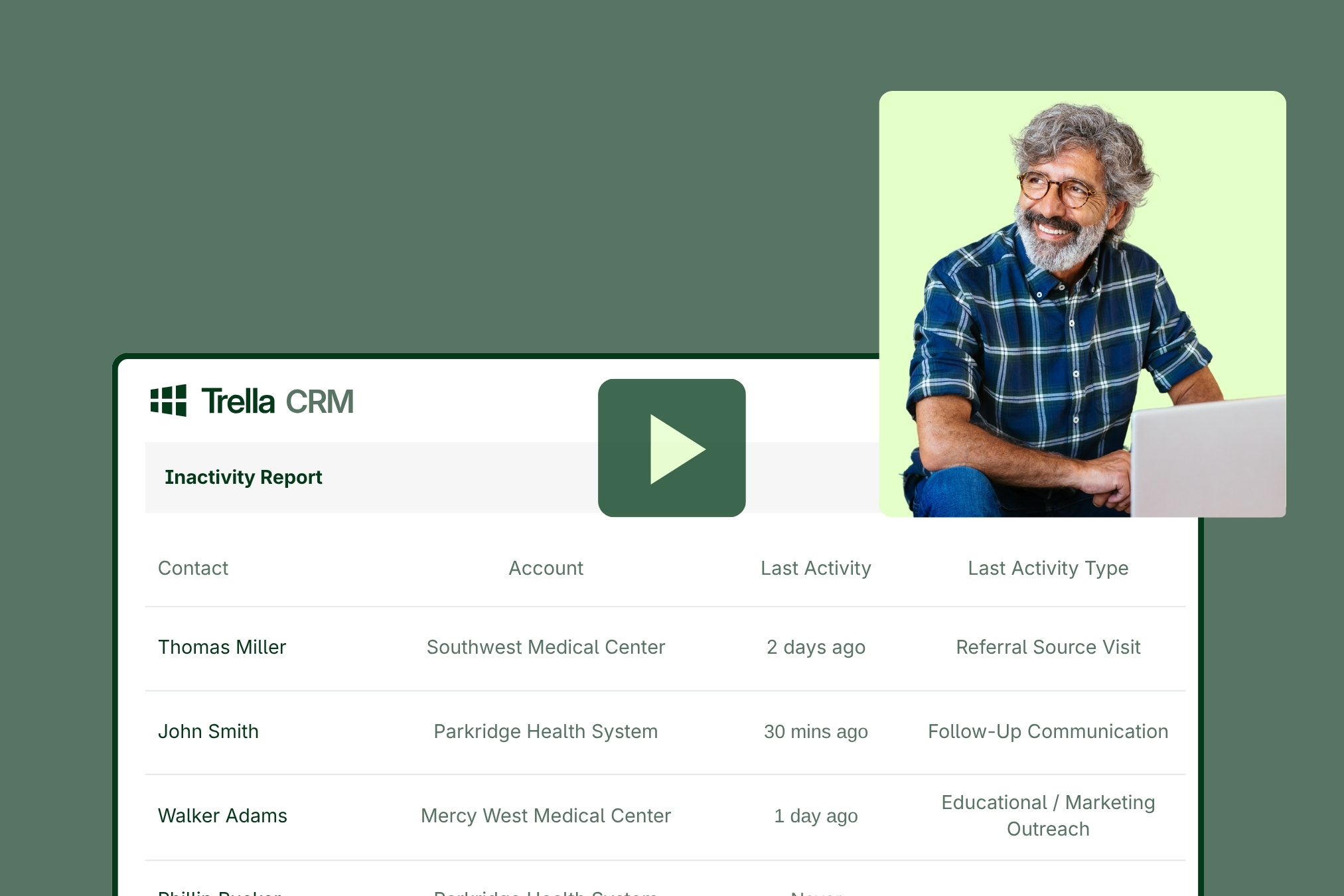
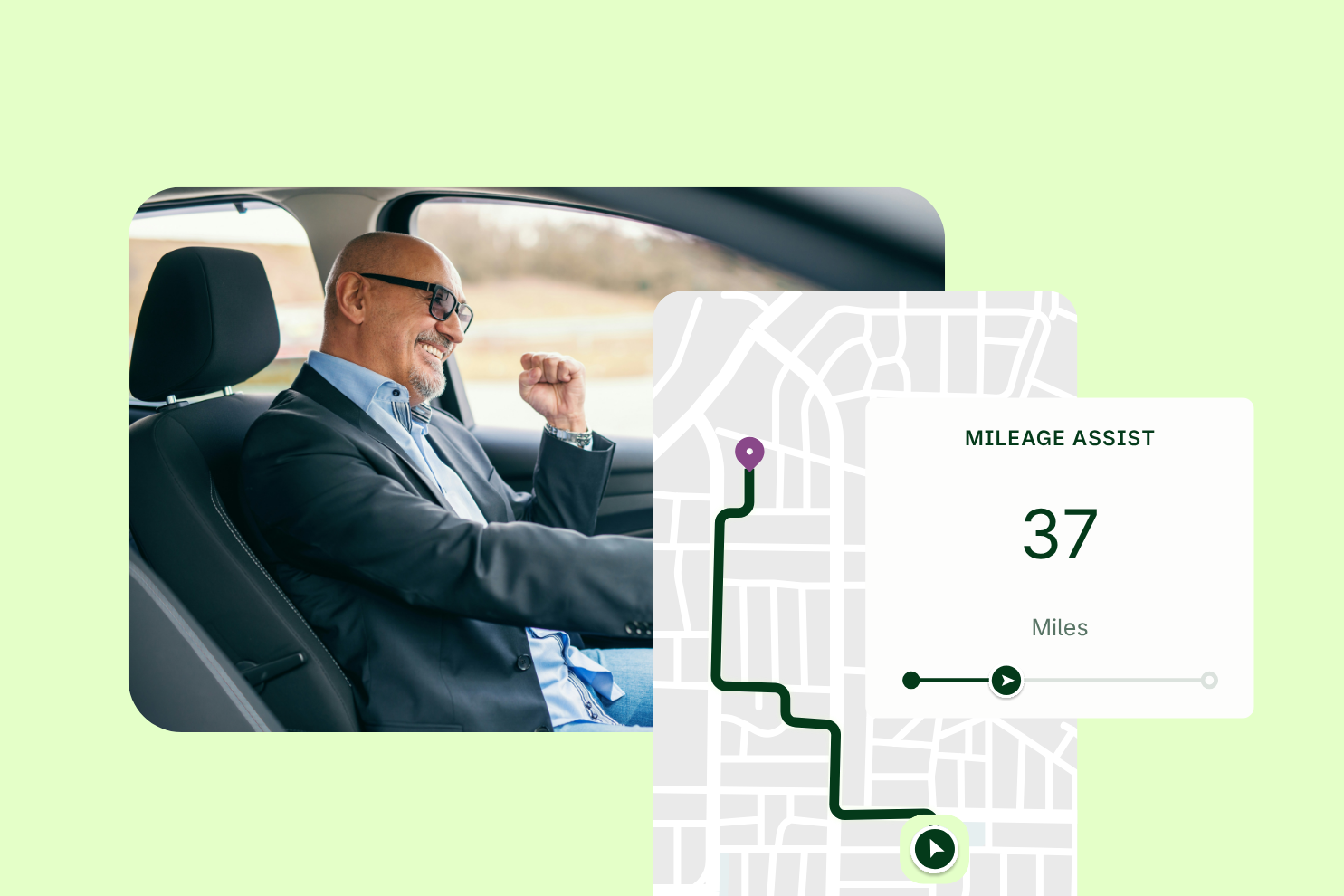
That means sales and business development teams should have easy access to patient information via mobile devices, see which referral sources are active in their territory, where those providers—including other healthcare providers—are sending hospice patients, how referral patterns are changing, and what insights can help shape more relevant conversations. CRM systems integrate with other systems, such as EHR platforms, supporting various care models like home health and facilitating seamless collaboration.
A stronger CRM, equipped with nonprofit hospice tools, helps teams manage care models, streamline operational tasks, prepare faster, personalize outreach, and focus their time on the providers with the greatest potential. It also helps leaders coach more effectively, evaluate territory performance, and align field activity with broader organizational goals. CRM software enables informed decision making by providing customized dashboards and reports, allowing hospice agencies to identify and address issues proactively.
Additionally, CRM systems improve communication by integrating external applications, keeping all communications and data in a central location for easy access and enhanced collaboration.
What should nonprofit hospices look for in a data and CRM partner?
Nonprofit hospices should look for a partner that connects data intelligence, workflow, and action. A strong data and CRM partner should offer a unique value proposition by delivering services that support operational efficiency and future growth potential, such as comprehensive patient management, palliative care, and support functions.
A strong solution should help answer key questions across the organization without requiring teams to depend on manual research, disconnected spreadsheets, or one-off analyst requests. It should make market intelligence easier to access, easier to understand, and easier to apply.
Important capabilities may include:
- Market share and competitive visibility
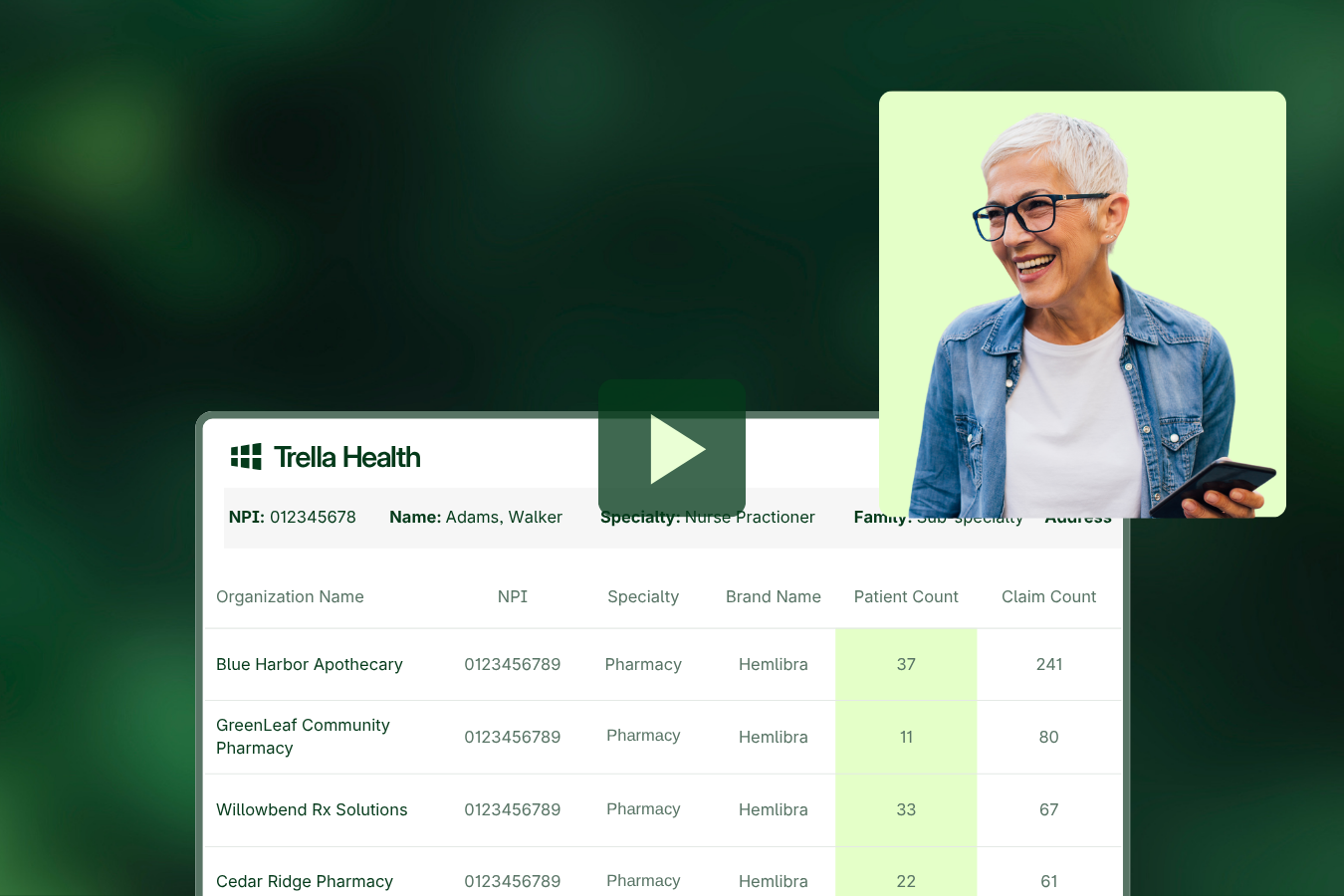
- Referral source and patient movement insights
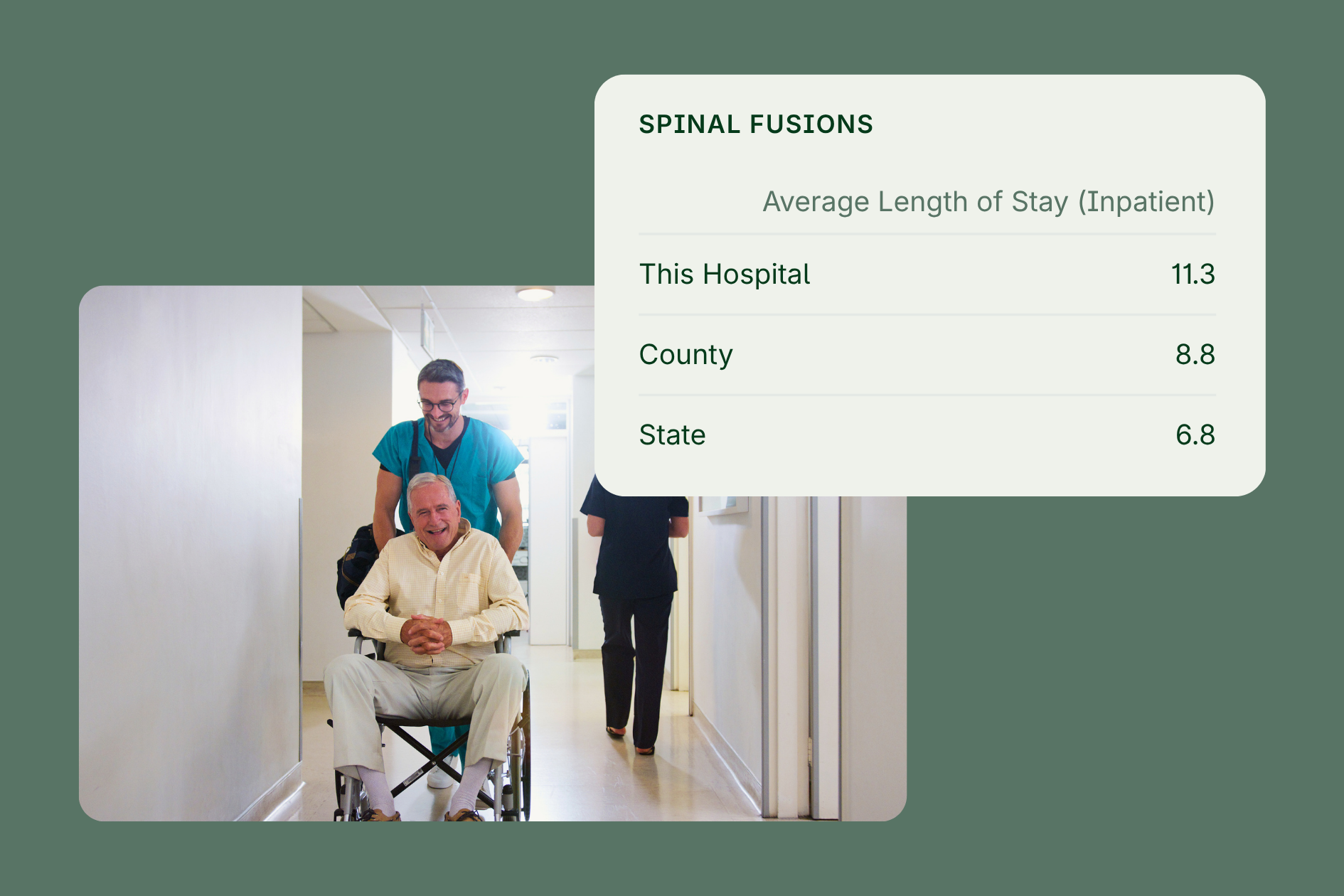
- Quality, utilization, and length-of-stay benchmarks
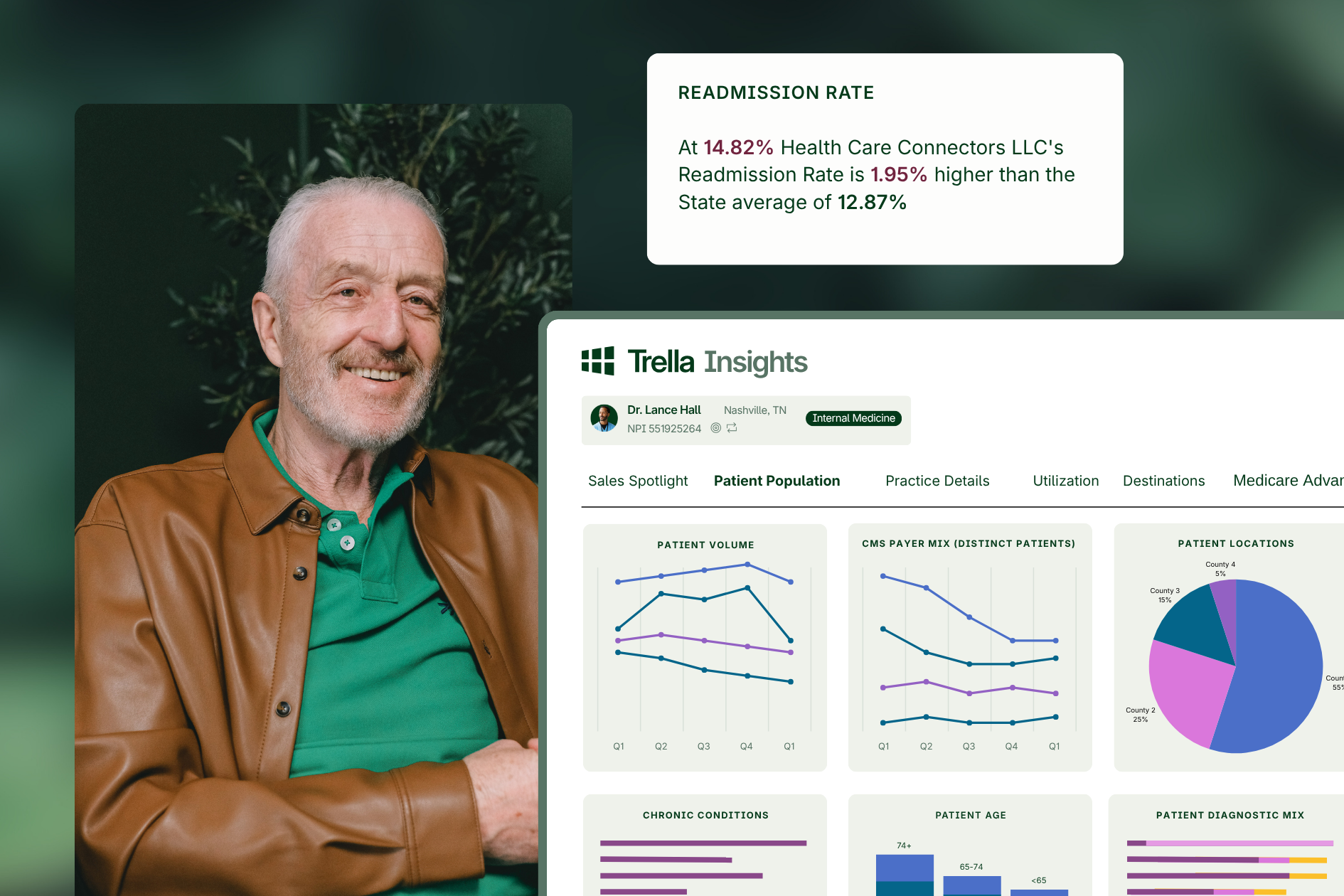
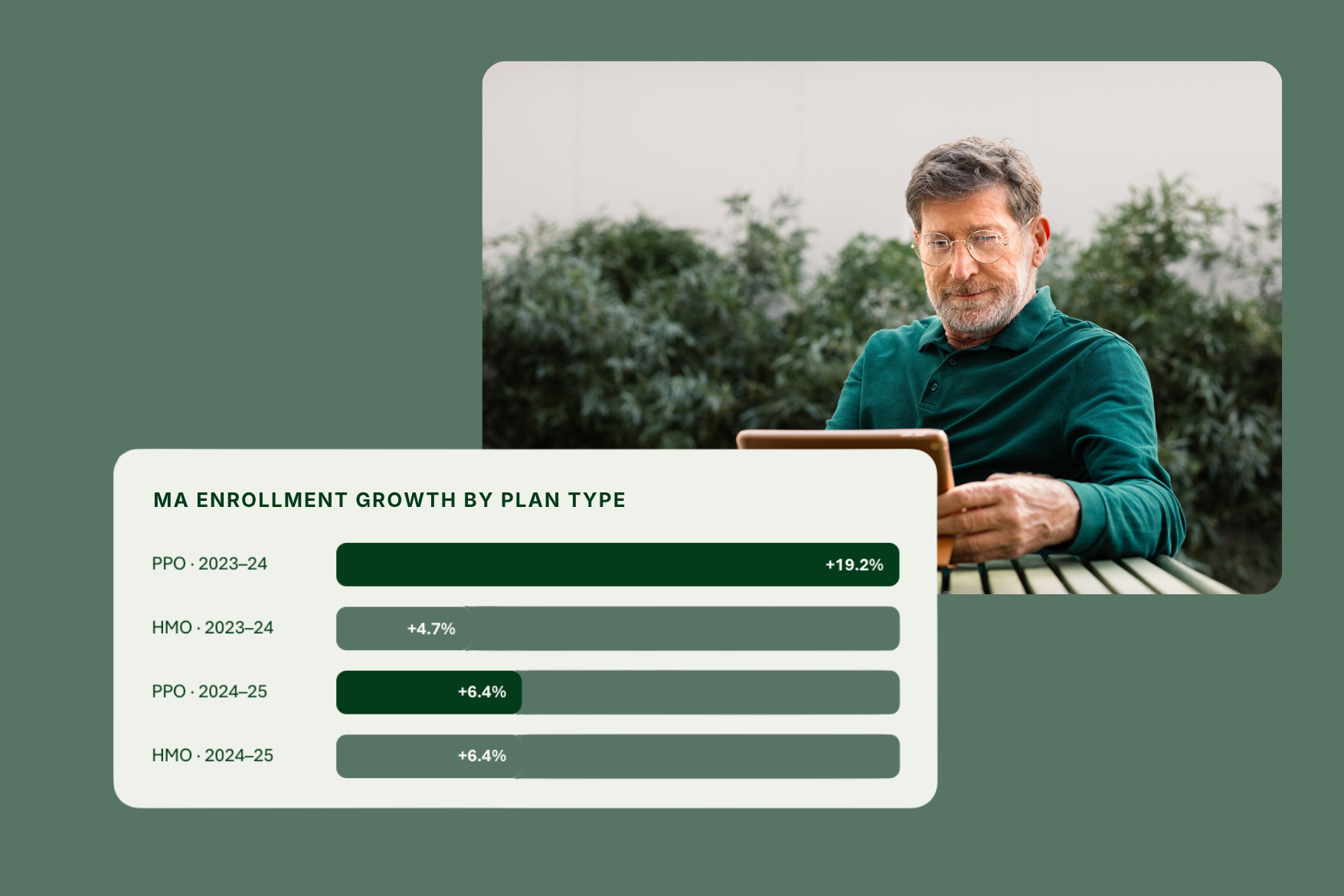
- CMS Payer Mix insights and Medicare Advantage patient volumes
- Territory-level provider targeting
- CRM workflows that support rep preparation and follow-up
- Conversation-ready insights for referral partner meetings
- Reporting that supports leadership, board, and partnership conversations
The goal is not simply to collect more information. The goal is to help nonprofit hospice organizations act with greater confidence. As the hospice market enters a make-or-break phase, it is essential to choose partners that can support operational efficiency and strategic growth.
How can data help prove the value of earlier hospice engagement?
Earlier hospice engagement is both a clinical and strategic priority, as hospice care focuses on pain management, emotional support, and holistic care to improve quality of life at the end of life.
Nonprofit hospice leaders understand the impact earlier referrals can have on symptom management, family support, care coordination, and patient experience. Additionally, hospice care is increasingly recognized for lowering overall healthcare costs by reducing hospitalizations and emergency room visits. However, referral partners often need more than a clinical explanation. Hospitals, ACOs, physicians, and payer partners increasingly want to see measurable outcomes.
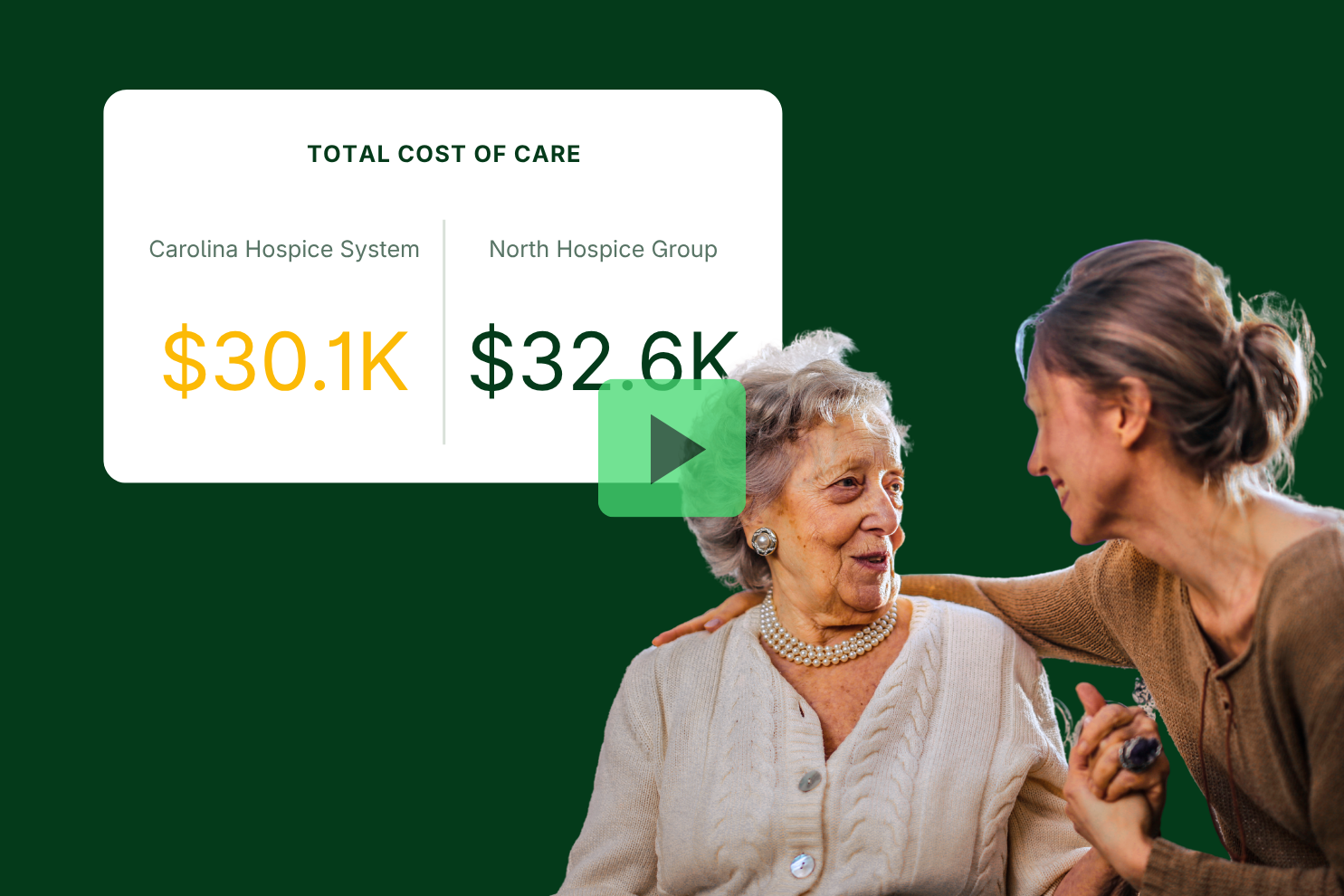
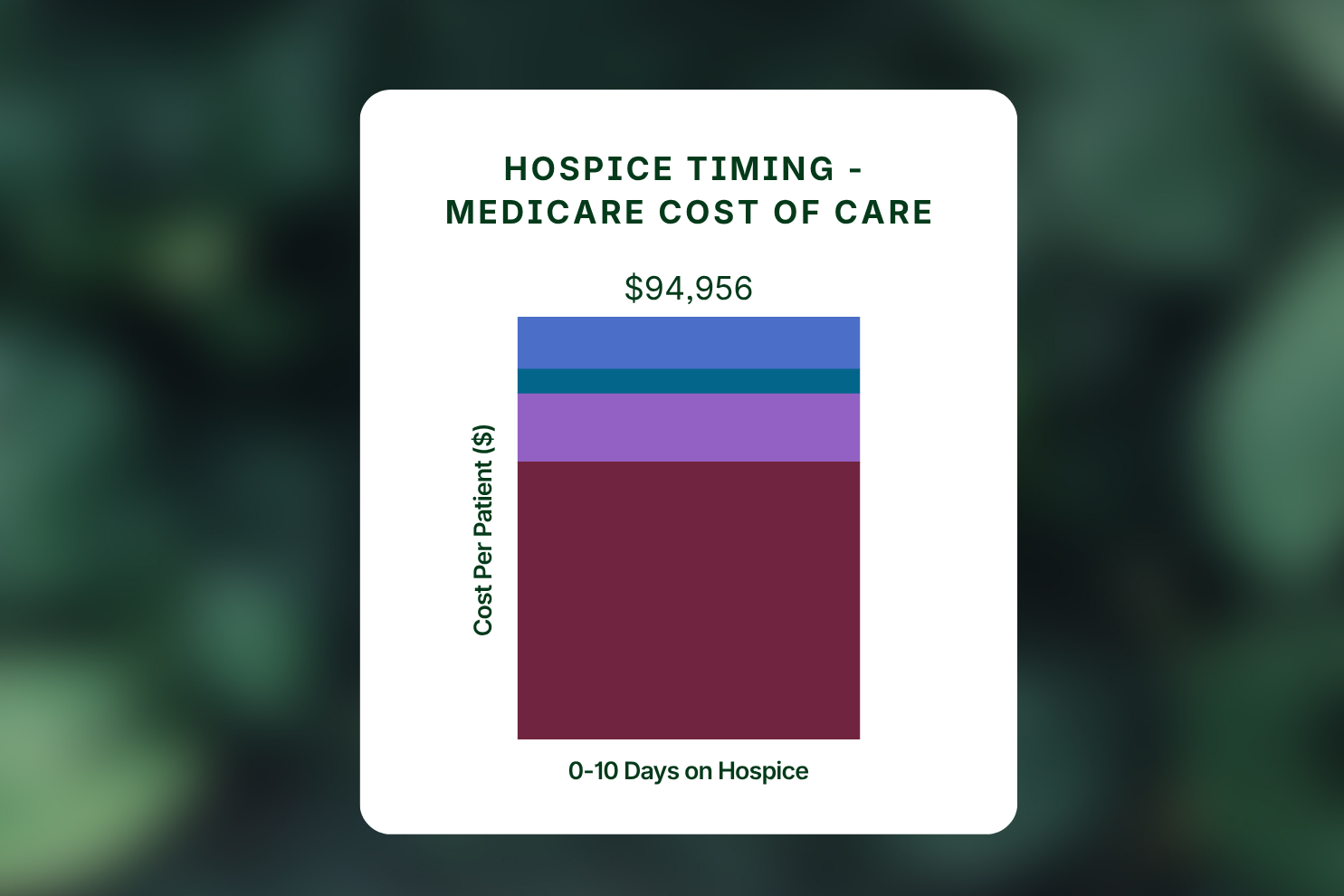
Claims-based insights can help nonprofit hospices connect earlier hospice engagement to lower total cost of care, fewer inpatient visits, fewer ED-to-inpatient visits, fewer readmissions, and fewer skilled nursing facility days. The growing demand for hospice and end-of-life care services is driven by the aging population and rising prevalence of chronic illnesses, fueling market growth and expanding the need for innovative care delivery models.
How can market insights strengthen referral relationships?
Referral relationships are strongest when they are built on relevance, trust, and mutual understanding. A significant portion of hospice referrals come from referring physicians, who value strong care coordination and confidence in the provider’s ability to manage complex cases.
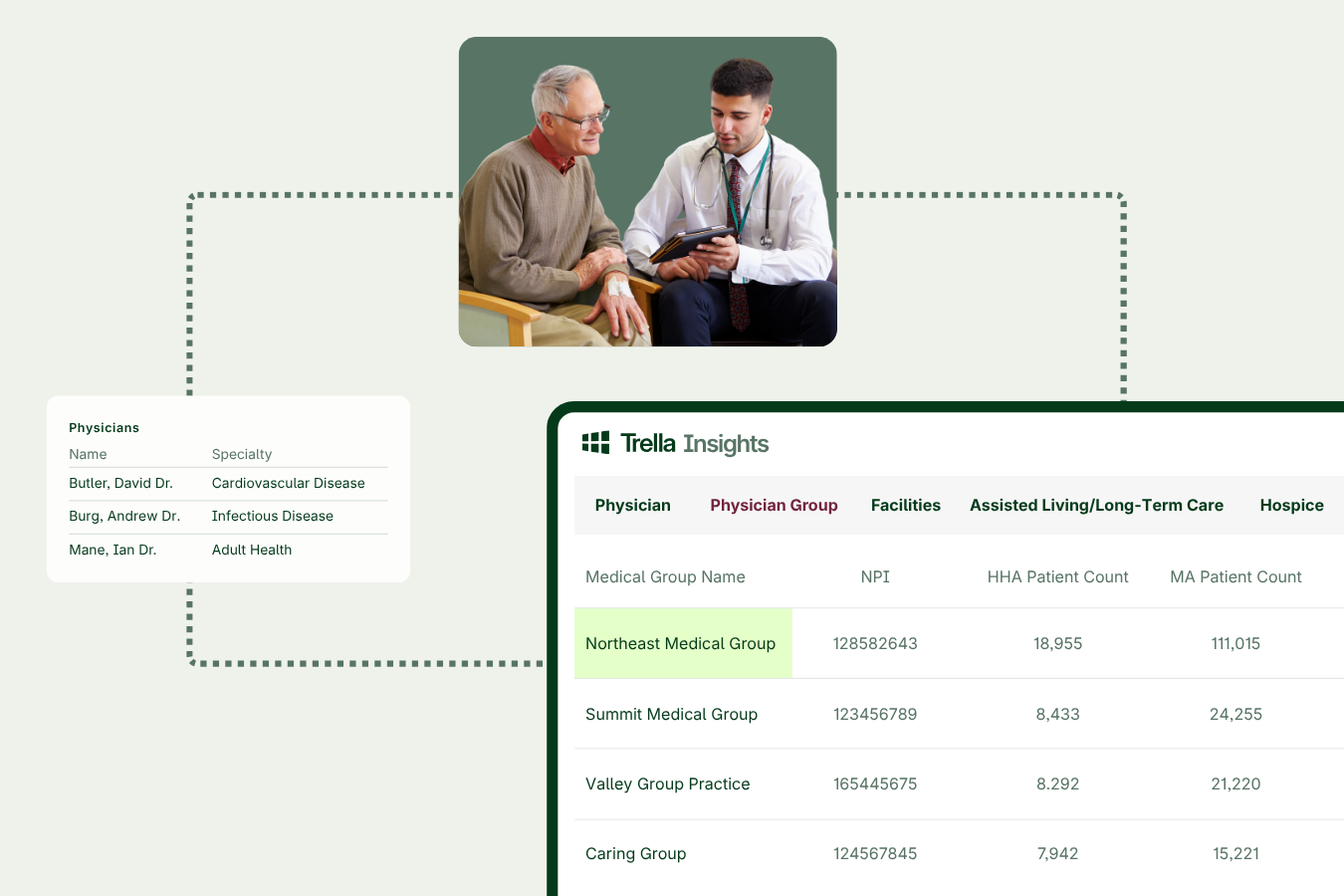
Market insights help nonprofit hospices understand what matters to each referral partner. Instead of approaching every physician, hospital, or SNF with the same message, teams can tailor conversations around actual referral behavior, patient volume, payer mix, average length of stay, diagnostic groups, and care transition trends. Hospice programs support families, family members, and caregivers by providing home-based care, nursing, medical equipment, and medication management directly in the patient’s residence.
This gives outreach teams a clearer reason to engage and helps referral partners see the hospice organization as a knowledgeable, prepared, and strategic resource. Tailored conversations should also highlight the importance of developing specialized hospice programs for pediatric populations and disease-specific pathways, which can increase referral rates and address unmet needs. Establishing dedicated pediatric units with child life specialists and play therapists can capture unmet demand for pediatric palliative care and build community trust.
Over time, this can support stronger partner education, better alignment around patient needs, and more targeted growth. Expanding into specialized hospice programs not only diversifies revenue streams but also fulfills a moral imperative to serve vulnerable populations often overlooked by generalist providers.
Why does usability matter when evaluating a data vendor?
Even the best data loses value if teams cannot use it, especially as hospice services increasingly shift from institutional settings to home-based care environments.
A market insights or CRM solution should make insights accessible to the people responsible for acting on them. If information is buried in spreadsheets, limited to a few analysts, or disconnected from daily workflows, teams may struggle to turn data into meaningful action.
Usability matters because nonprofit hospice teams need insight at the point of decision to deliver a comprehensive range of services, including patient management, palliative care, nursing, counseling, and home care. Leaders need visibility for planning. Field teams need referral insights before meetings. Marketing teams need evidence for education. Clinical teams need outcomes data for partner conversations.
The more easily teams can access and apply insights, the more value the organization can create from its data investment. Increased regulatory scrutiny and administrative burdens related to compliance reporting and audit requirements further heighten the need for usability, as these demands divert resources from patient care to operational compliance.
How does Trella Health help nonprofit hospices turn insight into action?
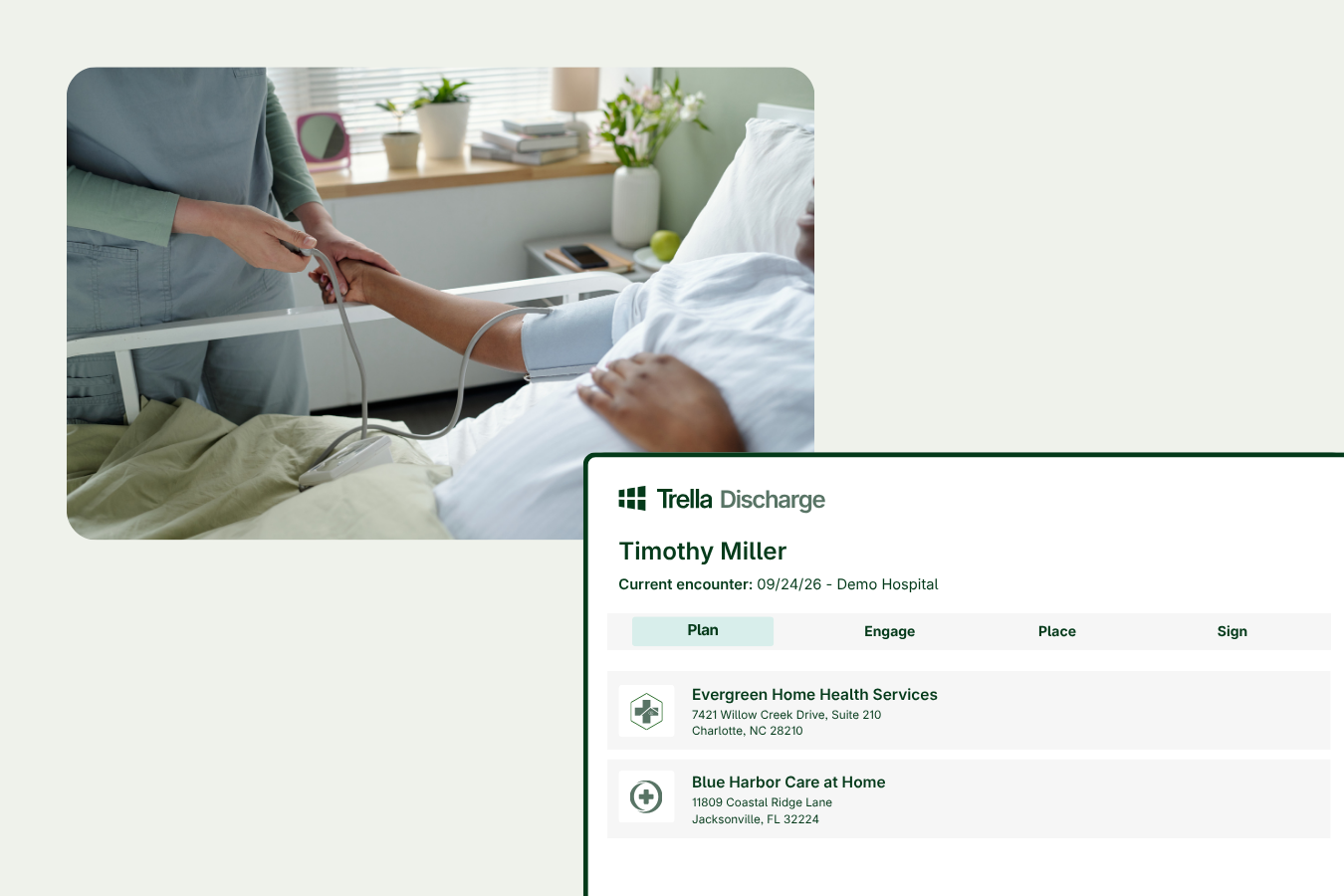
Trella Health helps nonprofit hospice organizations turn claims data into clearer market visibility, stronger referral strategy, and more confident growth. Trella Health’s solutions support integration with healthcare systems and leverage advanced healthcare infrastructure to drive hospice innovation, enabling organizations to stay ahead in a rapidly evolving industry.
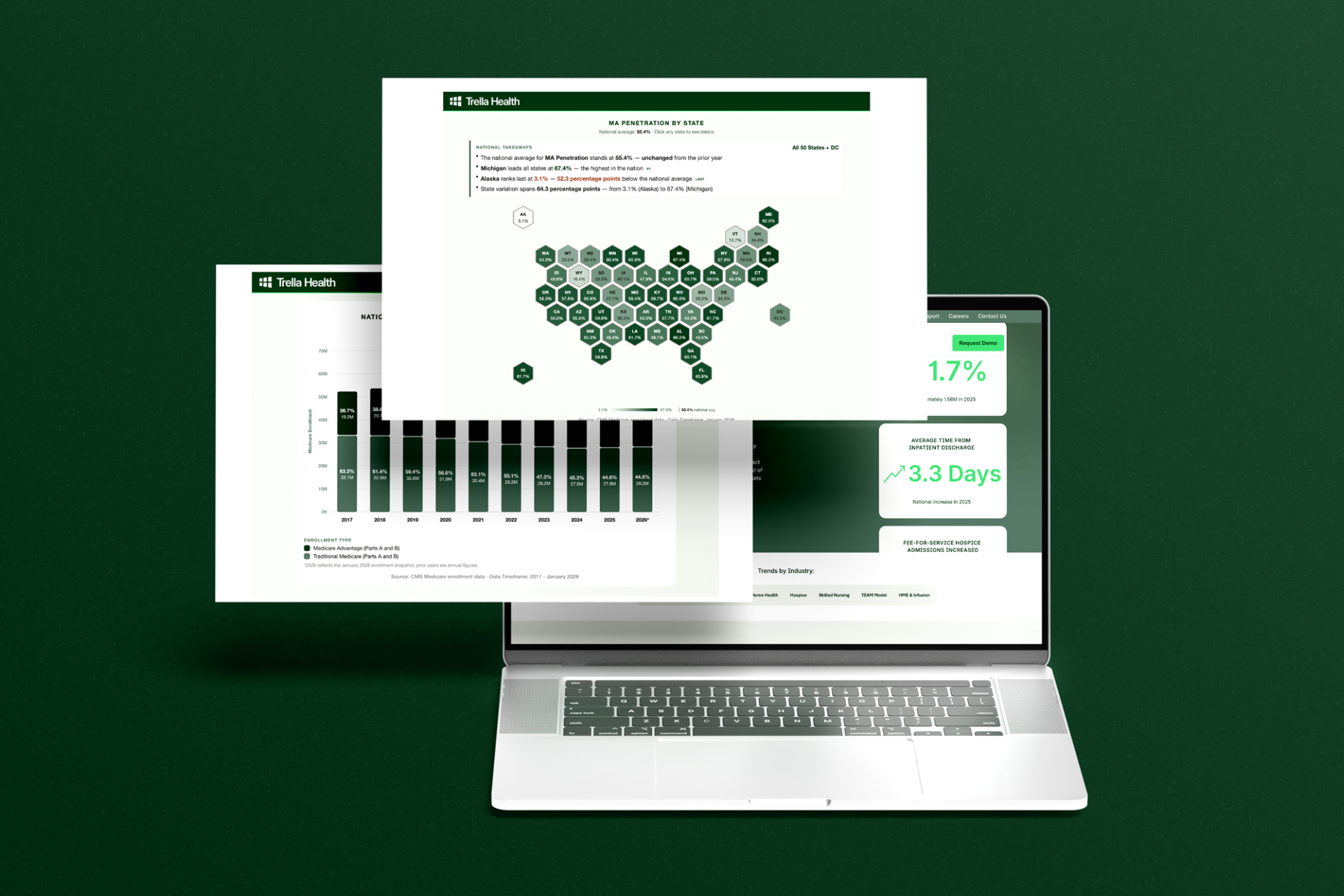
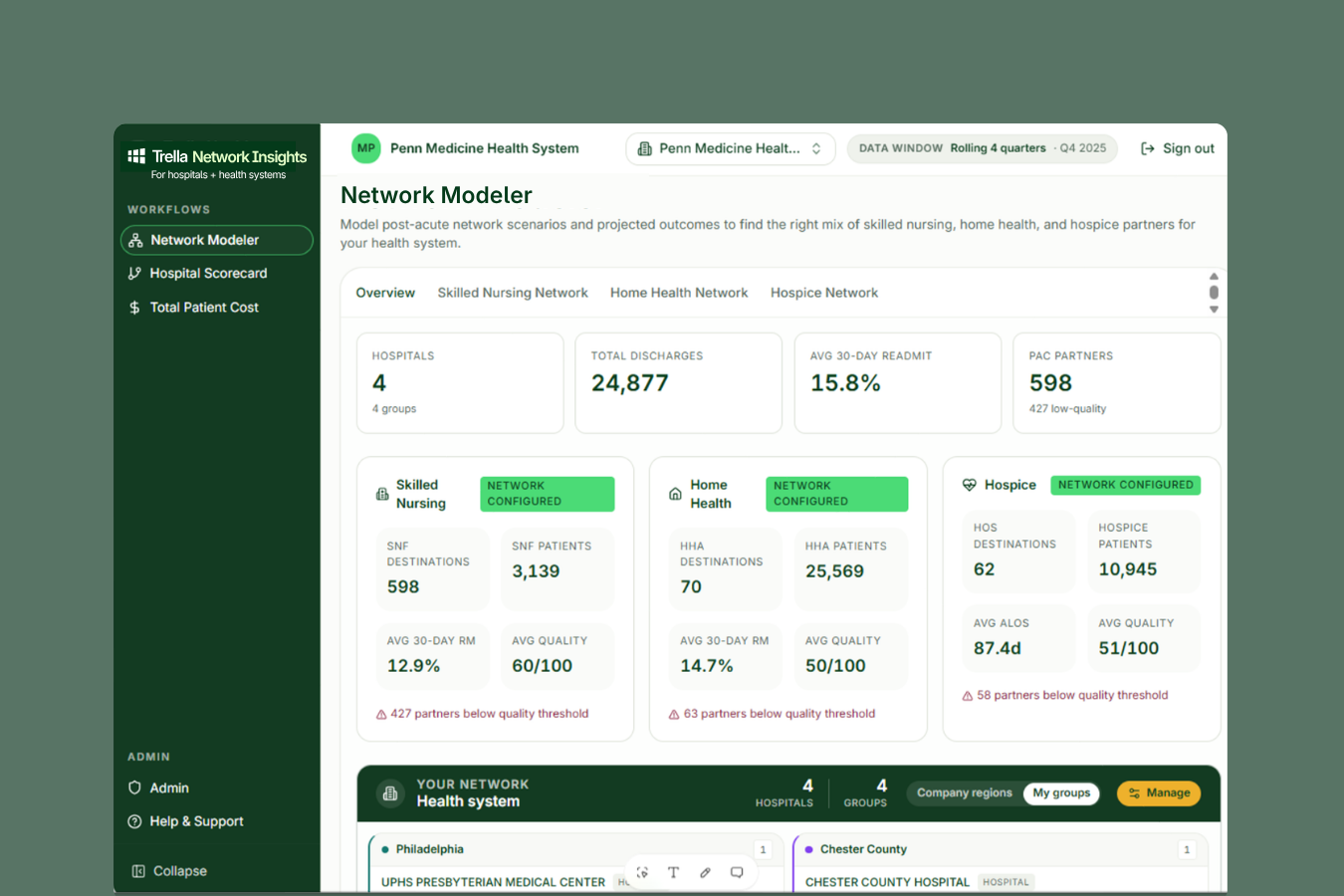
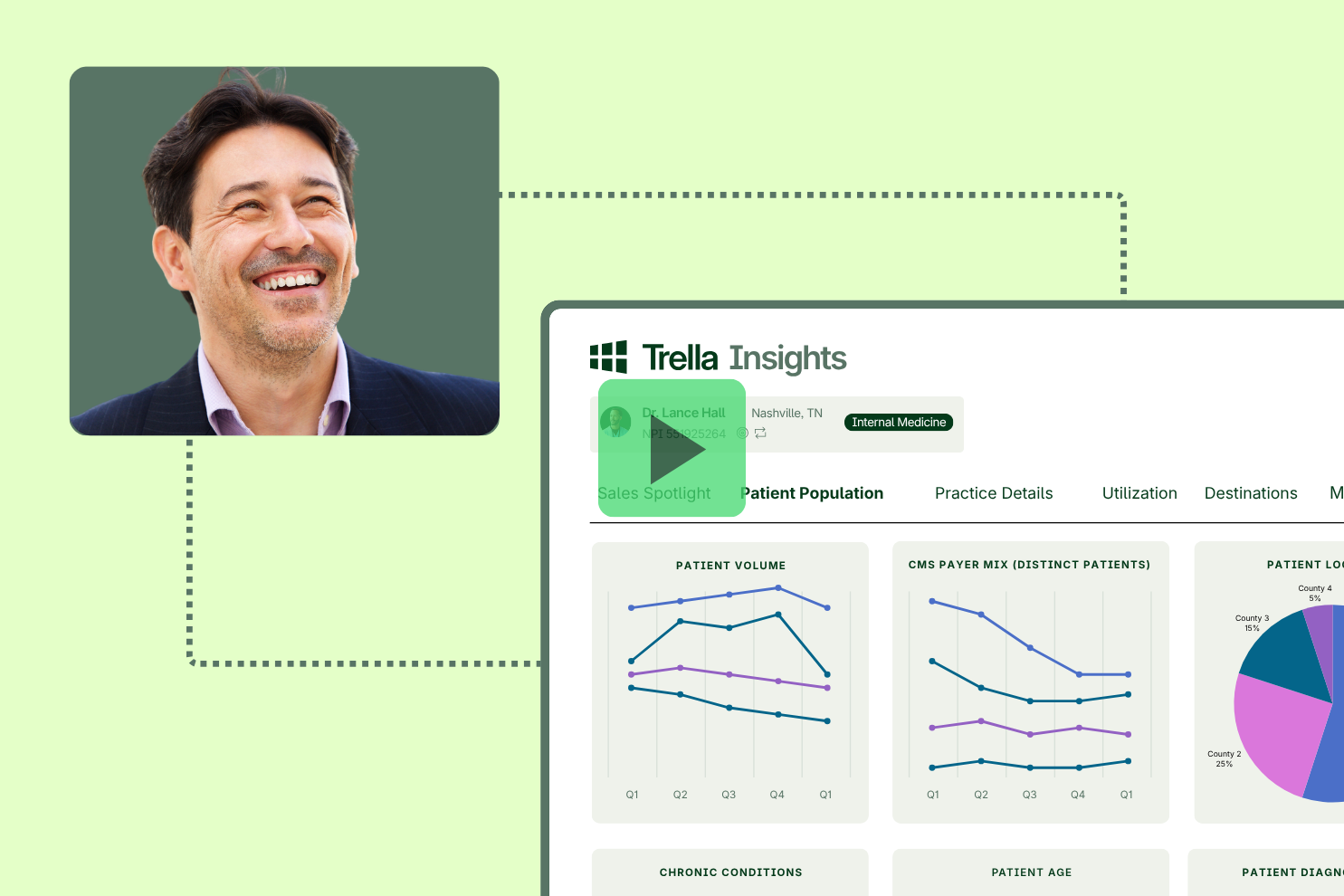
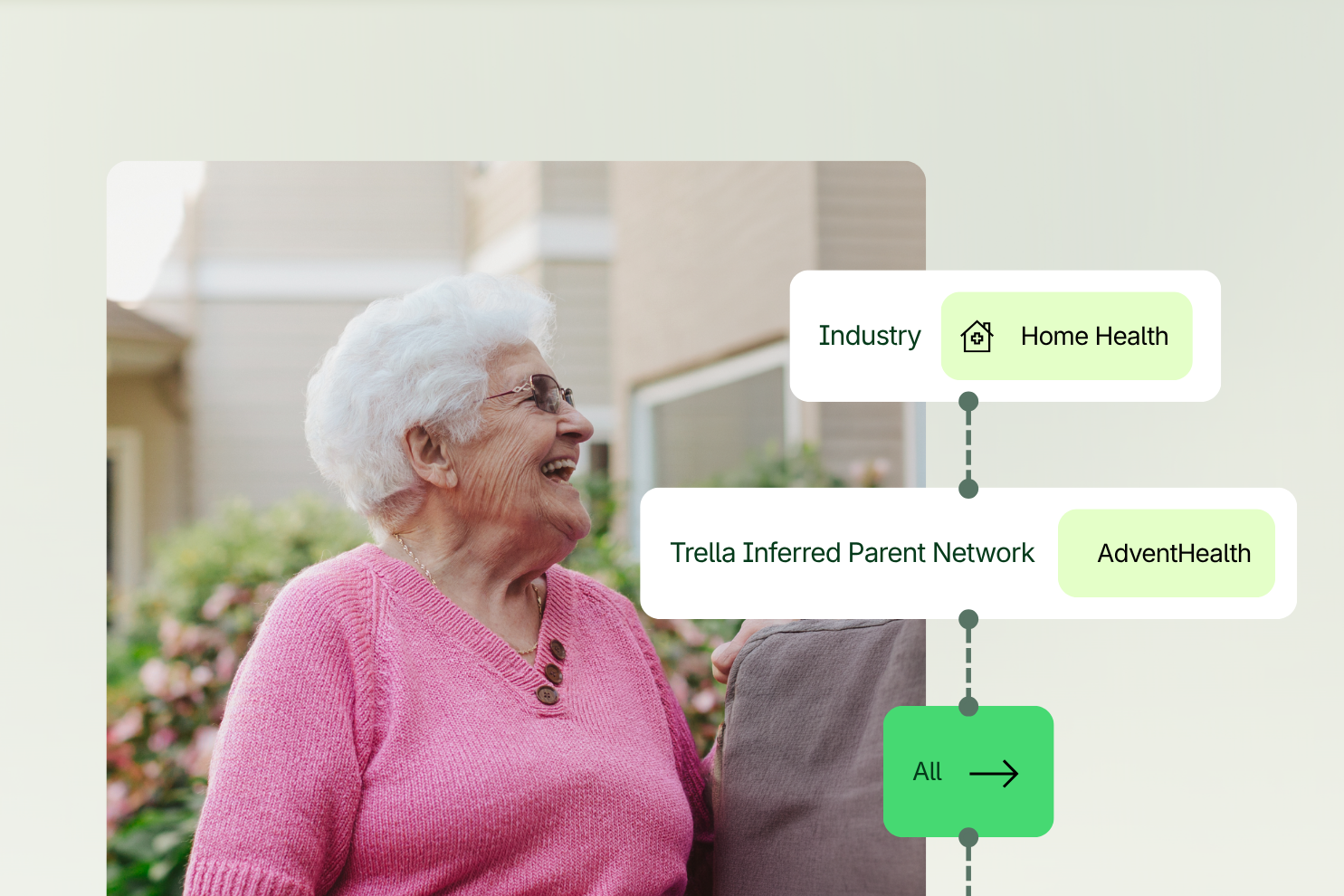
With Trella Health’s Market Insights and CRM, teams can connect market trends, quality metrics, referral behavior, payer dynamics, and rep-ready insights in one connected approach. Instead of working from disconnected reports or static lists, nonprofit hospices can align around the same market opportunity and move from insight to action faster.
Trella Health helps nonprofit hospice teams:
- Identify growth opportunities with market and referral insights
- Prioritize high-value referral relationships
- Equip reps with conversation-ready insights
- Benchmark quality, utilization, and operational trends
- Prove the value of earlier hospice engagement
- Strengthen board, partner, payer, and community conversations
For nonprofit hospices, the result is more than better data. It is a clearer path to sustainable, mission-aligned growth. Recent regulatory changes, such as the CMS payment cap increase, ongoing workforce challenges, and rigid reimbursement policies continue to impact hospice providers’ operational flexibility and the expansion of the global hospice market, making actionable insights and strategic planning more critical than ever.
Ready to Turn Hospice Market Insights into Action?
Nonprofit hospice organizations need more than data access. They need market insights and CRM tools that help teams identify opportunity, prioritize outreach, strengthen referral relationships, and grow with confidence.
See how Trella Health’s Market Insights and CRM helps nonprofit hospice teams turn claims data into action across the organization.