
For many HME/DME organizations, the final barrier to adopting a new growth strategy is not awareness or interest; it is justification.
Executive teams are increasingly asking harder questions:
- How will this impact revenue?
- Where will efficiency gains come from?
- Can this be measured and defended financially?
In an environment defined by reimbursement pressure, competitive bidding, and evolving referral dynamics, growth investments must be tied to clear, quantifiable outcomes. This is especially true for HME/DME organizations focused on referral management, territory optimization, and payer mix improvement.
This piece outlines a practical, data-driven framework that HME/DME sales leaders can use to build a compelling business case; one that resonates with finance, operations, and executive leadership.
Why Traditional Growth Strategies Fall Short in Home Medical Equipment
Many HME and DME organizations still rely on a mix of:
- Relationship-driven outreach
- Incomplete or lagging referral data
- Manual territory planning
- Anecdotal performance tracking
While these approaches may sustain baseline performance, they introduce significant inefficiencies:
- Sales teams spend more time preparing than selling
- High-value referral opportunities remain hidden
- Field activity is not aligned to revenue potential
- Leadership lacks visibility into what is actually driving growth
As a result, even well-intentioned investments struggle to gain internal approval without a clear, measurable return.
The ROI Framework: Quantifying Market Growth Across Four Key Drivers
A strong business case does not rely on abstract benefits. It translates operational improvements into financial outcomes within the broader durable medical equipment industry, where technology, innovations, and related healthcare services increasingly shape demand in home care.
1. Time Savings on Pre-Call Preparation
In many organizations, sales reps spend a significant portion of their week preparing for outreach:
- Researching physicians and referral sources
- Reviewing patient volumes and service needs
- Attempting to understand payer dynamics
- Building call narratives manually
This process is often fragmented and inconsistent, leading to duplicated effort across the team.
A data-driven approach centralizes this intelligence, allowing reps to access:
- Standardized referral insights
- Consistent account-level context
- Pre-built talking points grounded in real data
Expanded ROI Impact:
- Increases time spent in front of referral sources
- Improves consistency in messaging across the team
- Accelerates onboarding for new sales hires
Over time, these efficiency gains compound, enabling organizations to scale output without increasing headcount.
2. Improved Targeting and Referral Conversion Rates
One of the most significant gaps in HME/DME growth strategies is targeting precision.
Without access to comprehensive claims data, referral analytics, and prescriber insights, teams often:
- Prioritize accounts based on familiarity rather than opportunity
- Miss high-volume or high-growth referral sources, while timely market data is critical for identifying new opportunities and staying ahead of competition
- Fail to identify referral leakage to competitors
A more advanced targeting model allows organizations to:
- Rank physicians and facilities by true referral potential
- Segment accounts by payer mix, diagnosis, and product category
- Identify underserved markets and new opportunities
Expanded ROI Impact:
- Higher conversion rates from initial outreach to referral generation
- Reduced time spent on low-value accounts
- Increased market share in high-opportunity segments
- Stronger alignment between sales and marketing targeting strategies
For example, identifying pulmonologist referral analytics for oxygen therapy or CPAP supplies, or uncovering orthopedic referral patterns for mobility equipment, allows teams to focus on the highest yield opportunities based on the products they sell, especially when they understand patients’ treatment needs and unique needs by product category.
3. Field Efficiency, Account Management, and Territory Optimization
Field sales remains a core growth driver for many HME/DME organizations, but it is also one of the most expensive.
Common inefficiencies include, especially when administrative tasks consume time that should go to selling and account management:
- Unoptimized travel routes
- Over-servicing low-value accounts
- Under-coverage of high-opportunity geographies
- Limited visibility into activity-to-outcome performance
- Limited control over schedules, leads, and follow-up when teams lack mobile or real-time tools
A structured approach to territory management enables organizations to:
- Align rep activity with revenue potential
- Optimize routing based on account priority
- Balance territory workloads more effectively
- Track field performance against measurable outcomes
Real-time sales activity and opportunity management tools also assist teams in managing leads, referrals, and schedules more efficiently to accelerate growth and achieve better outcomes.
Expanded ROI Impact:
- Reduced travel and operational costs
- Increased number of high-quality interactions per week
- Improved rep accountability and performance visibility
- Better forecasting and pipeline predictability
Even small improvements in field efficiency can produce significant cost savings at scale, especially for organizations with large, distributed sales teams.
Reducing time spent on administrative tasks helps maintain rep focus and productivity, and research shows a positive mindset can influence income and overall sales success.
4. Incremental Revenue from Referral Growth and Payer Optimization
While efficiency gains are important, the most compelling ROI comes from revenue expansion.
A data-driven strategy unlocks growth through:
- Capturing previously unseen referral opportunities
- Increasing share of high-value physicians and facilities
- Improving payer mix toward higher-reimbursement contracts
Additionally, access to reimbursement rates, payer mix analysis, and contract intelligence enables organizations to:
- Identify which payers offer the most favorable rates
- Strengthen negotiation positioning with data-backed insights
- Align sales strategy with financial performance goals
Clinicians often assess HME products based on clinical efficacy, ease of use, and patient safety, while administrators tend to prioritize cost-efficiency and reimbursement.
Expanded ROI Impact:
- Increased revenue per referral
- Improved margins through better payer alignment
- Faster contract negotiations with stronger leverage
- Greater long-term lifetime value from referral relationships
For example, understanding DME payer rates for CPAP, oxygen therapy, or mobility equipment can directly influence which accounts, products, and contracts a team prioritizes, especially when medical necessity and compliance requirements affect approval and coverage.
Bringing It Together: A Defensible ROI Narrative
When combined, these four drivers create a comprehensive and defensible business case:
- Efficiency Gains: More selling time without increasing headcount
- Effectiveness Gains: Higher conversion rates and better targeting
- Cost Optimization: Reduced travel and operational inefficiencies
- Revenue Expansion: Increased referrals and improved payer performance
This framework allows HME/DME sales leaders to move beyond intuition and present a clear financial story; one that resonates with CFOs and executive stakeholders.
Why Key Players in HME/DME Organizations Turn to Trella Health
As organizations look to operationalize this ROI framework, the need for a unified, data-driven platform becomes clear.
Trella Health enables HME/DME providers to execute across all four ROI drivers by combining:
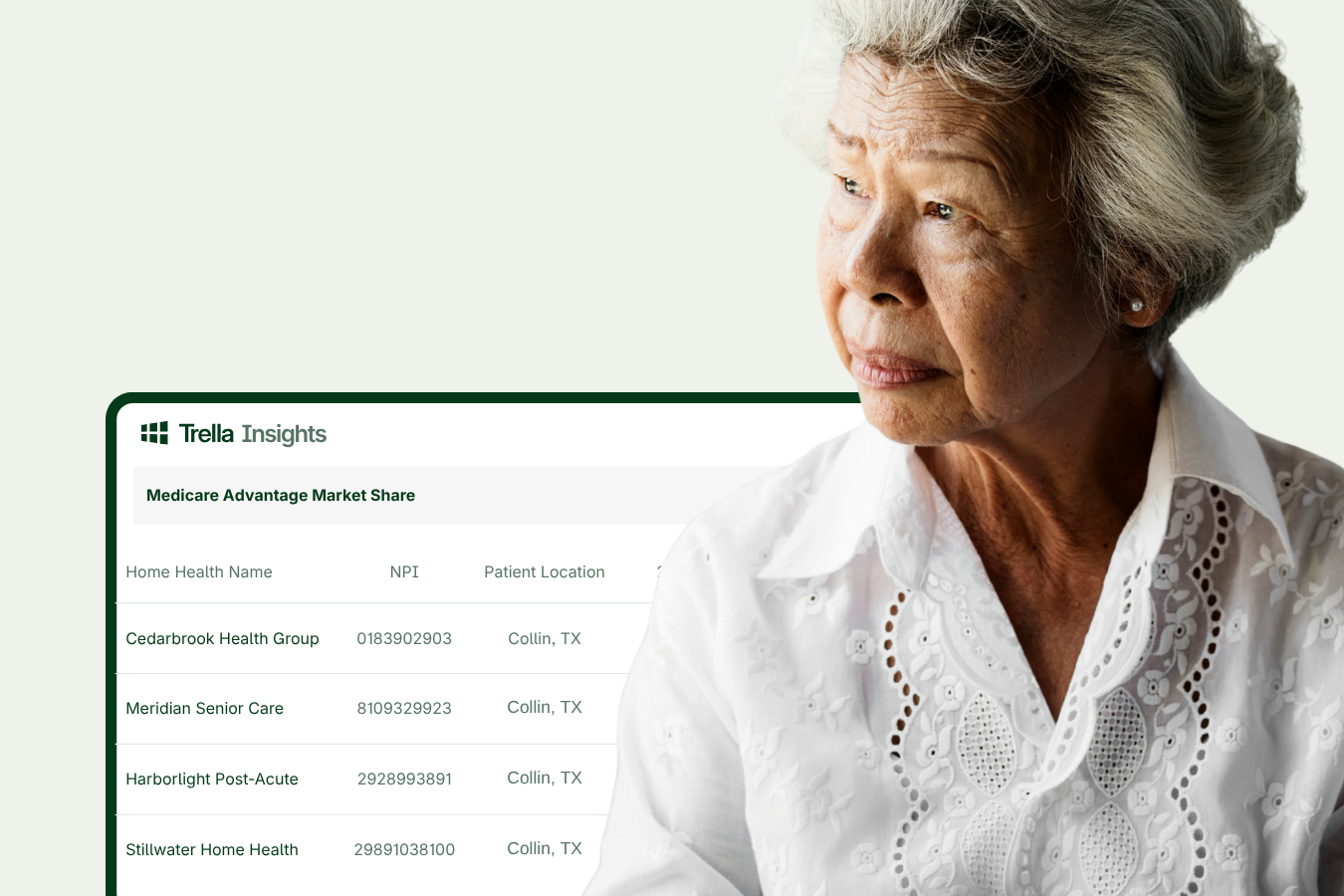
- Comprehensive healthcare market intelligence built on claims data across Traditional Medicare, Medicare Advantage, and commercial payers
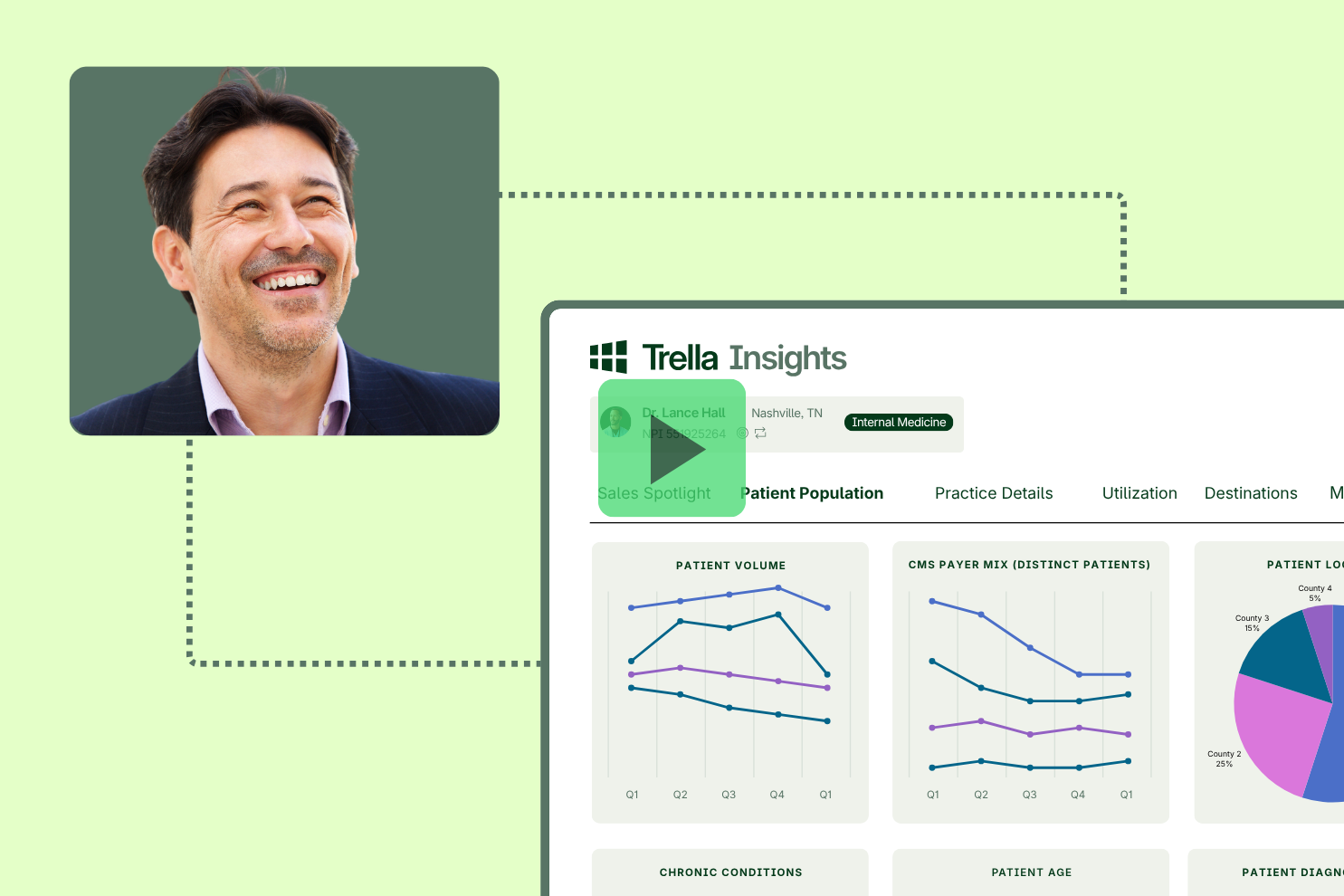
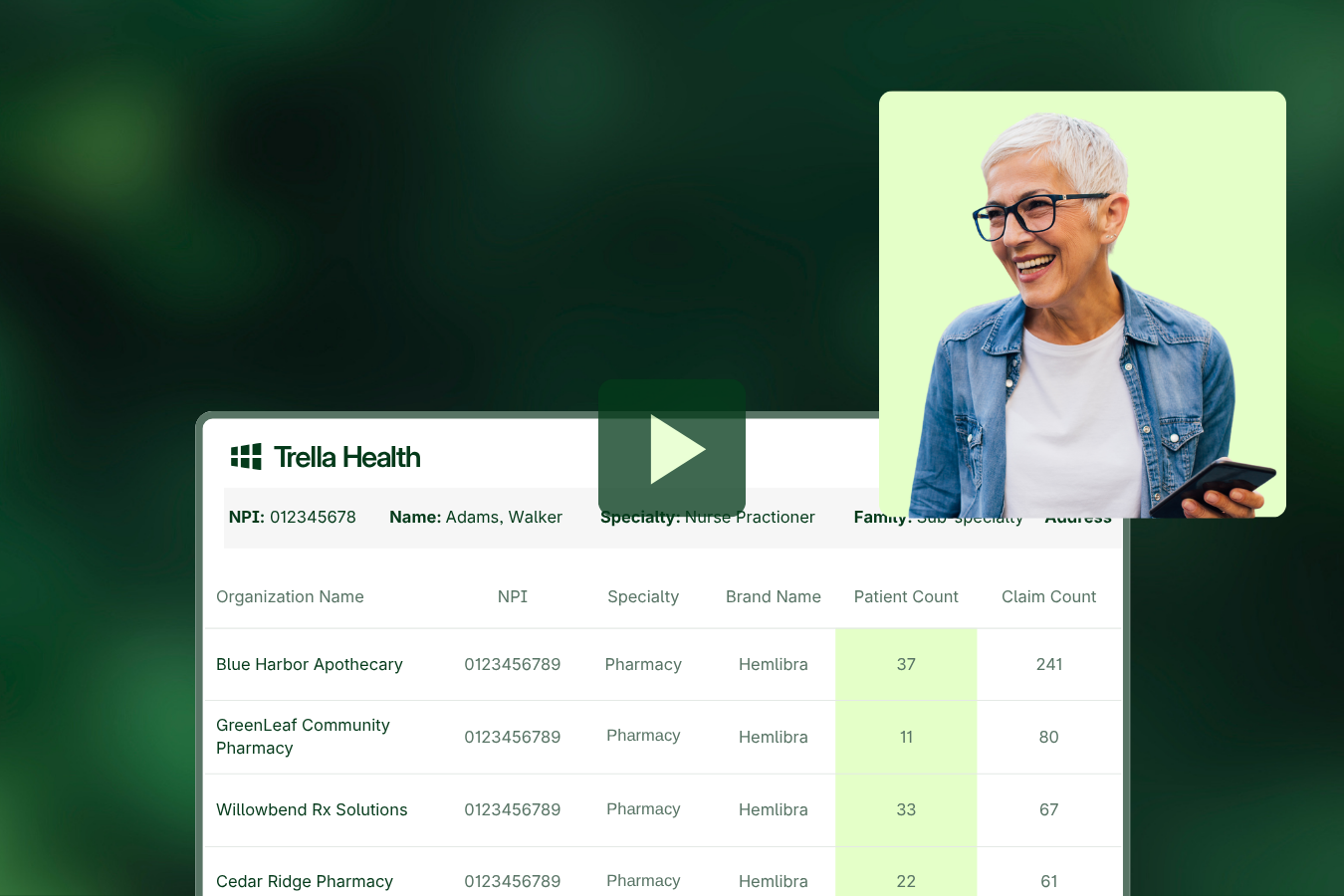
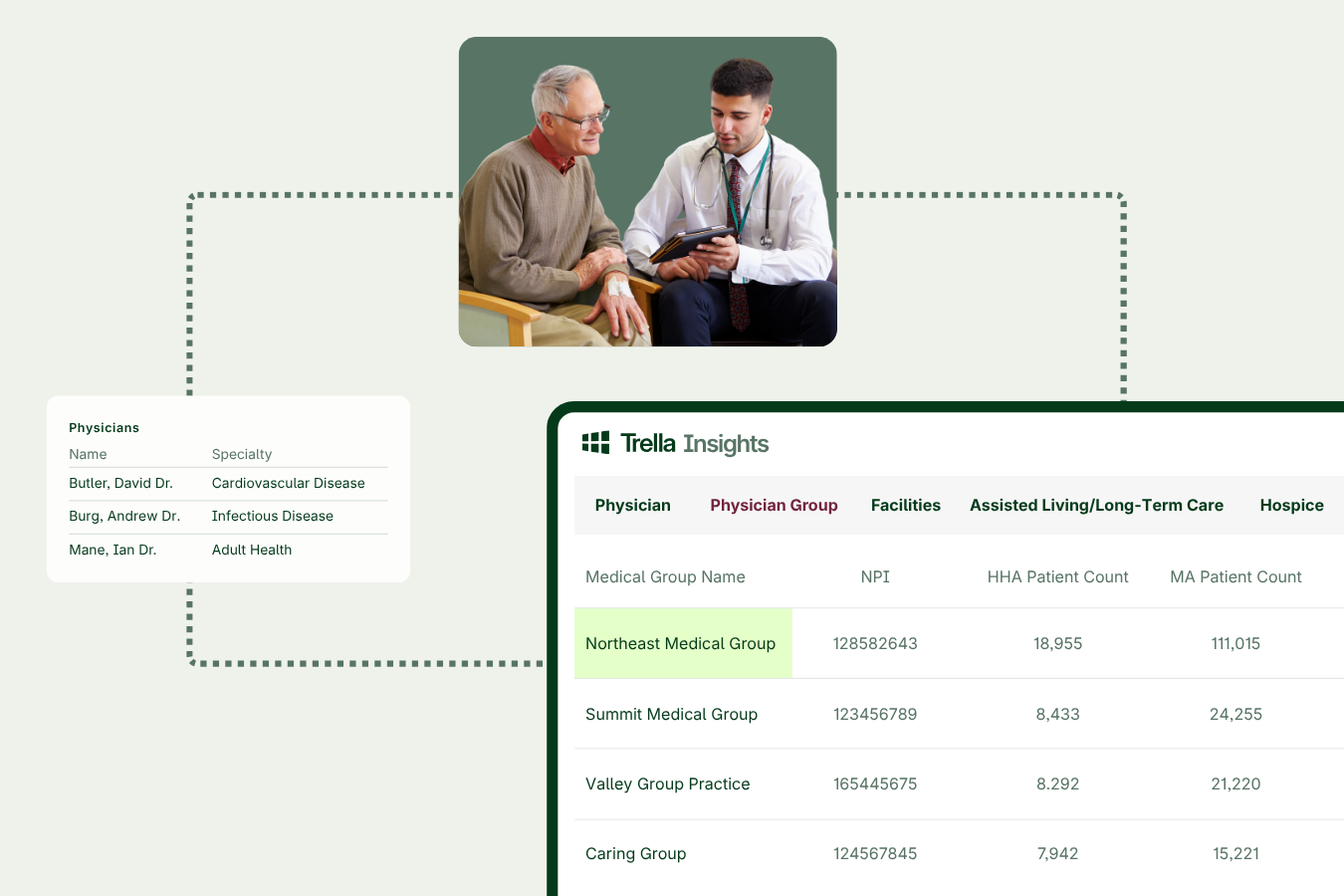
- Advanced referral analytics to identify high-value physicians, facilities, and untapped opportunities
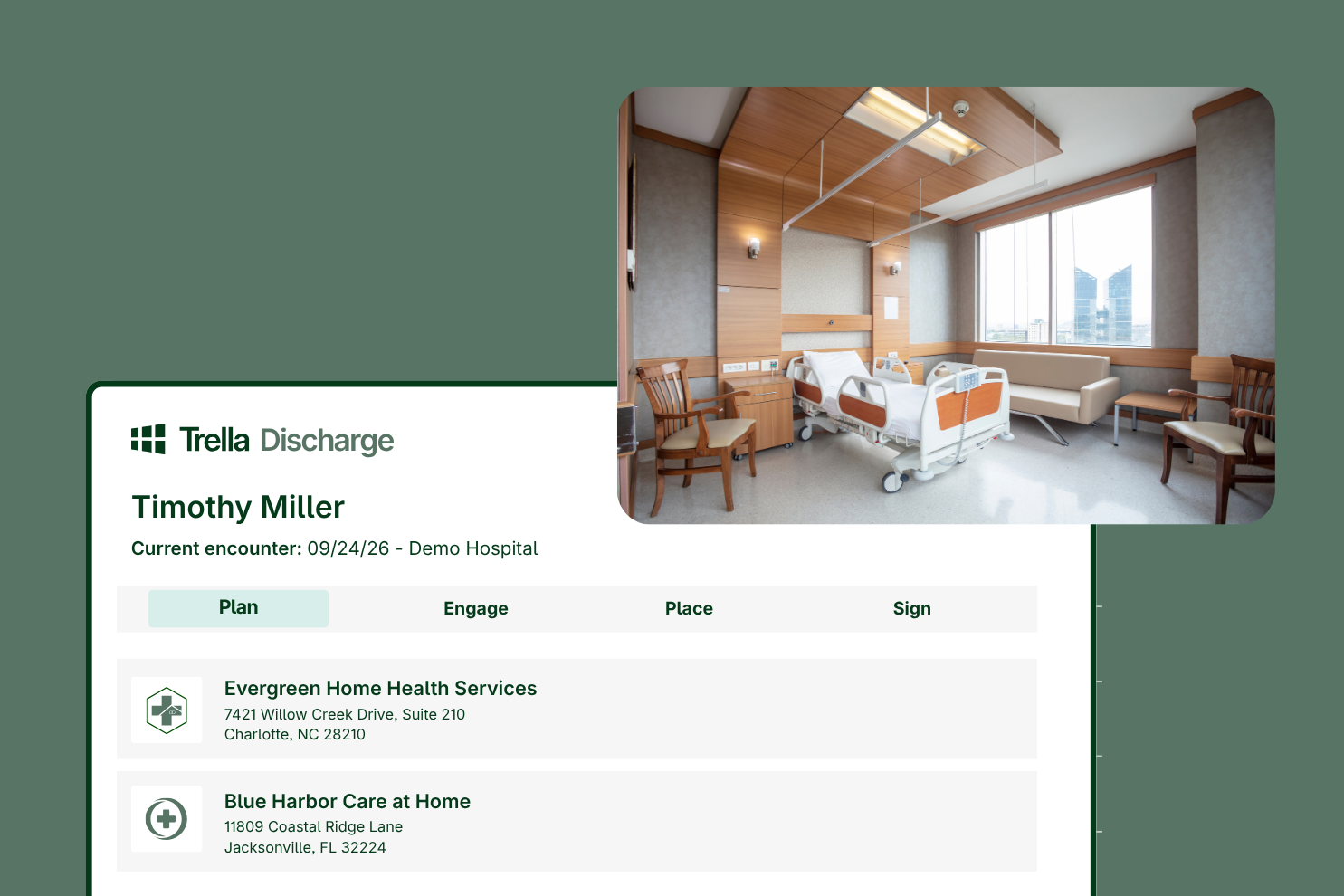
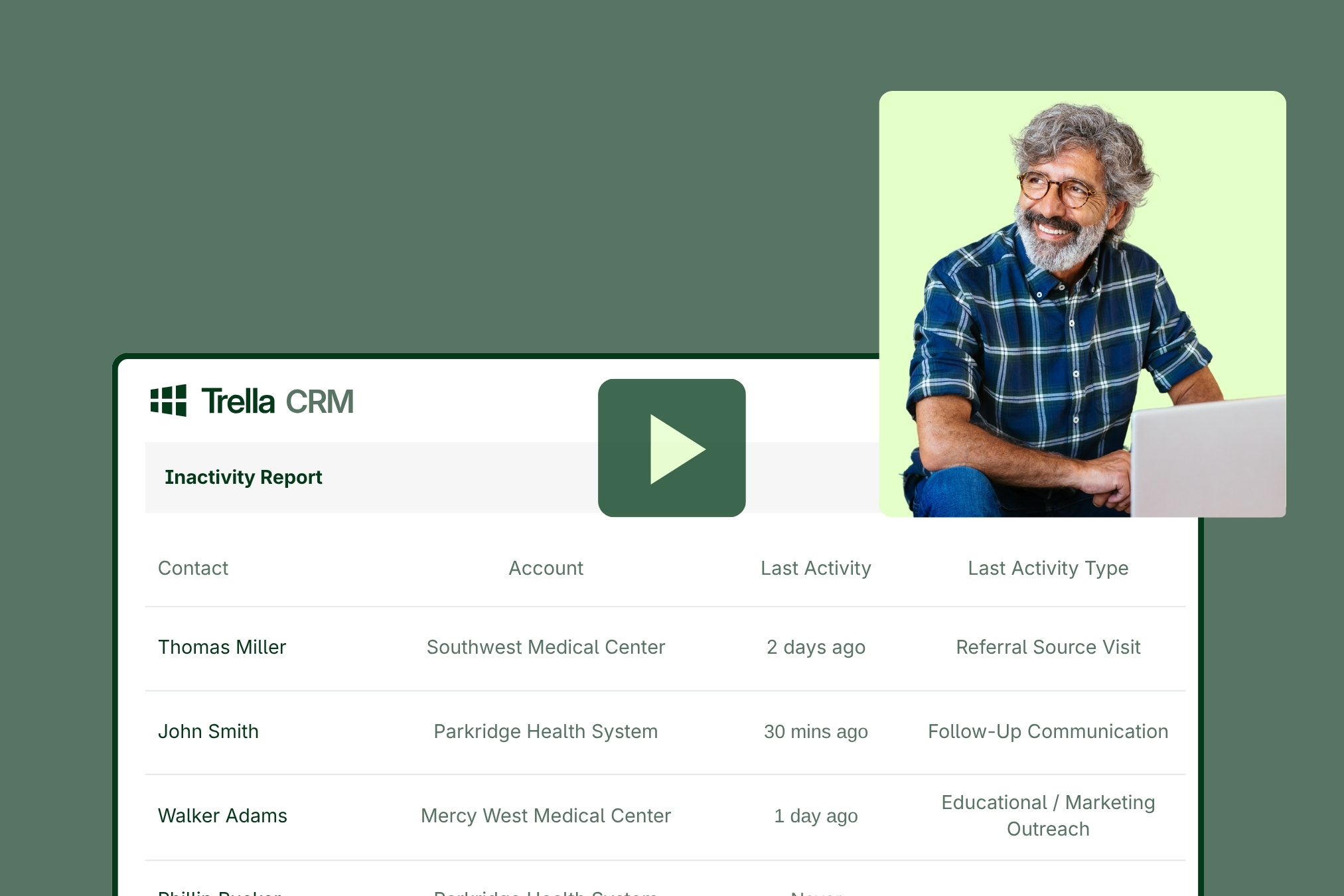
- Integrated CRM workflows that align sales activity with real-time data and performance tracking
- Payer rate benchmarking and reimbursement insights to support smarter contracting and revenue optimization
This approach transforms fragmented data into actionable strategies, helping organizations move from reactive growth to proactive, data-driven decision-making.
Ready to Take the Next Step?
A strong business case is more than a spreadsheet; it is a roadmap for smarter growth that helps organizations and independent reps stay responsible for measurable outcomes.
Connect with a Trella Health expert to:
- Identify high-value referral opportunities in your market
- Improve targeting precision and sales efficiency
- Strengthen payer strategy and contract performance
- Help your team join data, referrals, and payer insights in one process to support business goals
The platform also gives leaders and reps more visibility and control over results to build a stronger career foundation. Request a demo today and start building a business case backed by real data.