Discharge planners today have access to more information than ever before. Referral platforms, EHR alerts, prior authorization tools, quality dashboards, payer requirements, provider directories, and portal-based workflows all promise to make post-acute care transitions easier.
Yet care transitions remain one of the most fragile points in the patient journey. Delayed starts of care, missed referrals, inconsistent post-acute instructions, and variable provider follow-through continue to create operational and clinical risk across markets.
The problem is no longer a lack of data. It is also a problem of timeliness, interoperability, workflow integration, and signal-to-noise. More information helps only when discharge teams can access the relevant information, trust it, and act on it within the workflow.
The organizations improving care transitions are not simply collecting more inputs. One promising approach is to reduce unnecessary tool switching, integrate relevant information into discharge workflows, and organize data around the decisions discharge teams must make.
Discharge Planning Has Become More Data-Rich and More Fragmented
Discharge planning has always required coordination across patients, families, clinicians, case managers, post-acute providers, and payer stakeholders. But the modern discharge process now takes place in a much more complex technology environment.
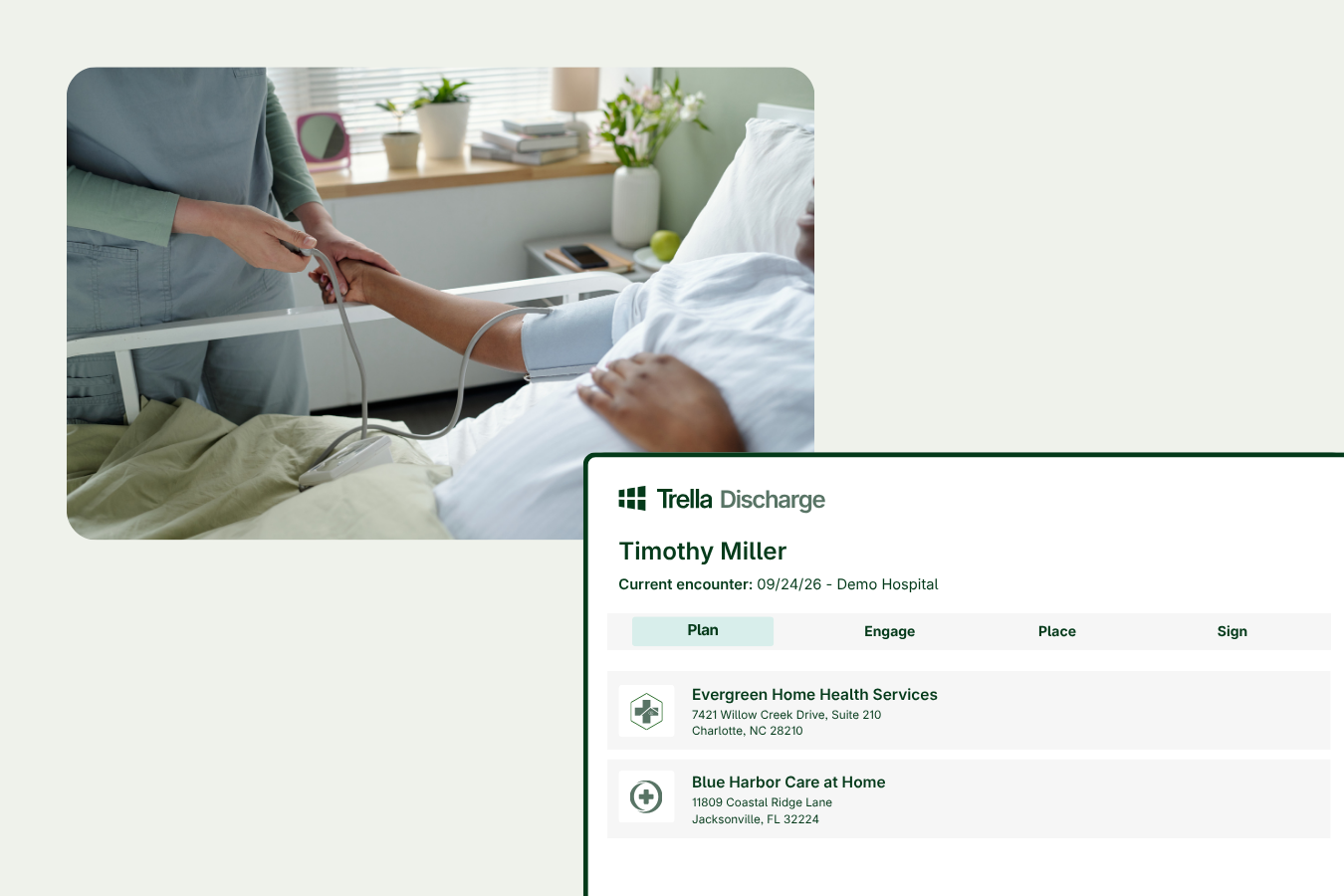
A discharge planner may need to review clinical criteria, confirm payer requirements, evaluate post-acute provider options, support patient choice, check availability, send referrals, track responses, and document next steps. Each of those actions may be divided in a different tool or workflow.
In theory, more data should make this process easier. In practice, it can create more friction when information is spread across disconnected systems.
When teams have to navigate multiple screens, portals, lists, and dashboards to answer basic questions, the discharge process slows down. That delay can affect hospital throughput, patient experience, referral conversion, and the timeliness of post-acute care.
The Problem Is Not More Information. It Is Less Clarity.
Healthcare organizations often assume that better care transitions require more information. But at the discharge moment, more information is only helpful if it is timely, relevant, and actionable.
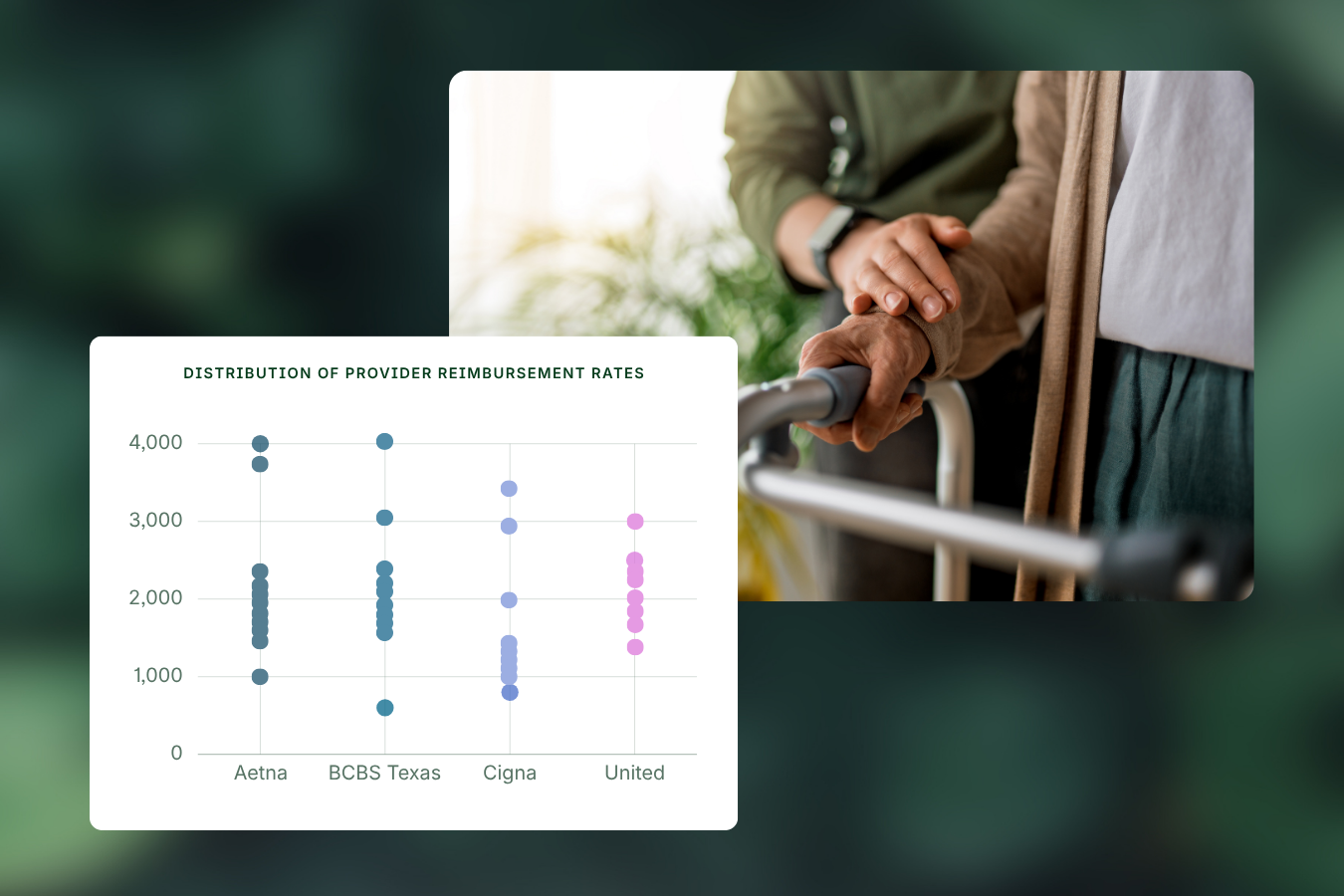
Discharge teams need timely information about which providers can meet the patient’s clinical needs. That includes which post-acute providers are clinically appropriate, which meet compliance requirements, which align with patient needs, and which can support a timely transition. They also need applicable quality and resource-use information to support informed patient choice.
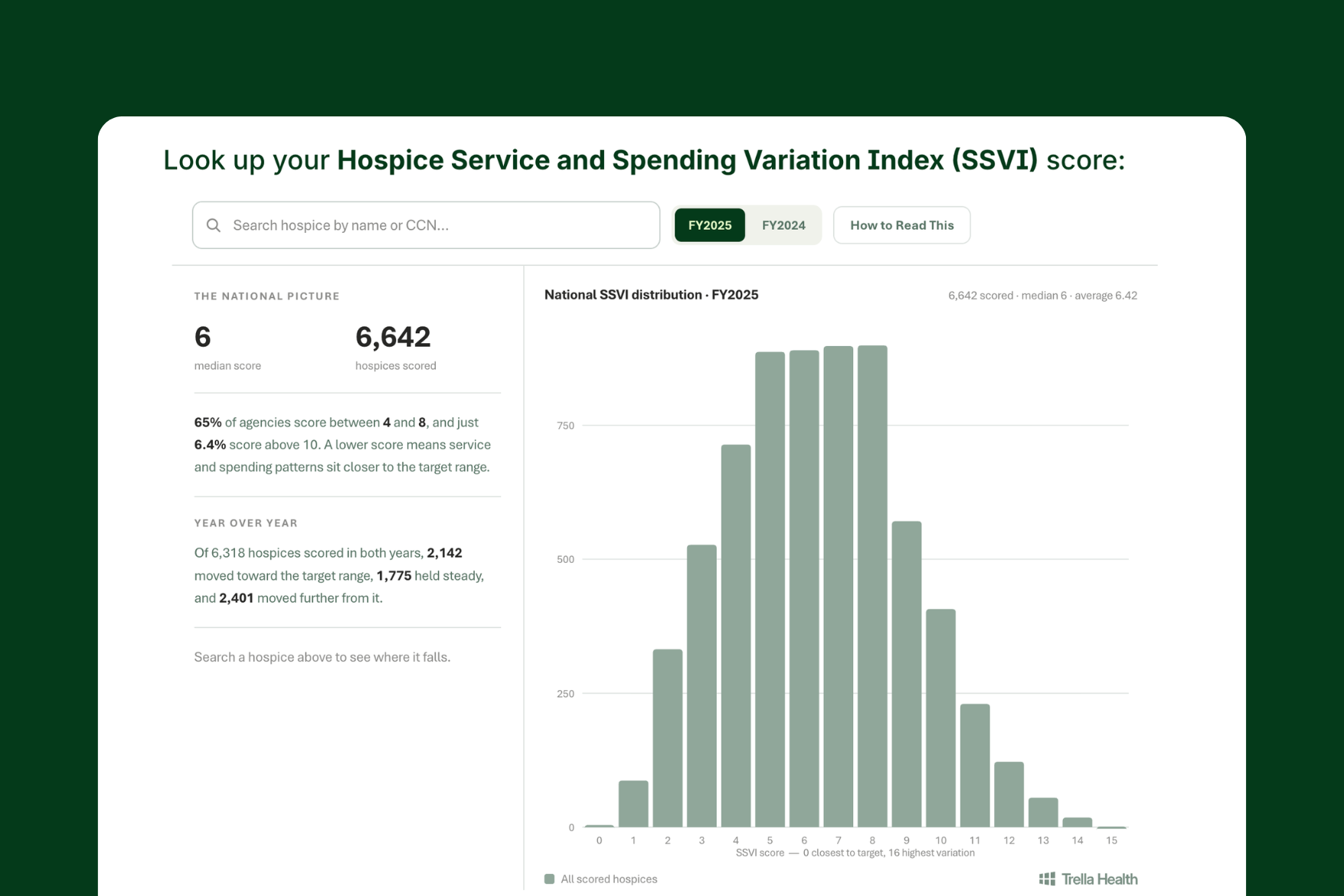
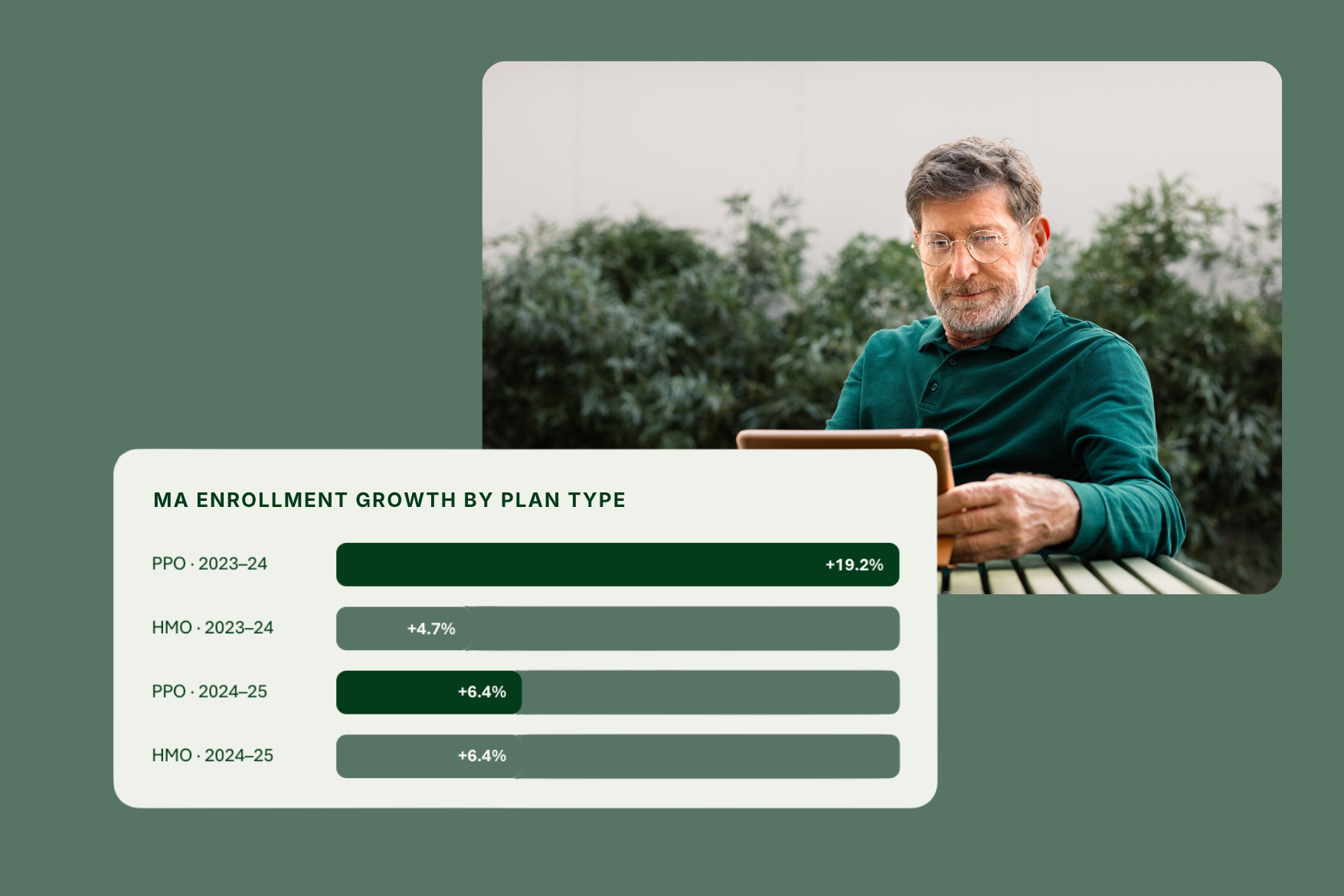
Post-acute providers face a similar challenge. Growth teams often have access to referral data, claims insights, CRM activity, market share reports, and account notes. But if those inputs are not connected, teams may struggle to understand where leakage is occurring, which referral relationships need attention, or which market opportunities should be prioritized.
In both cases, the challenge is not access to information. It is the ability to translate information into coordinated action.
Tool Sprawl Is Becoming a Care Transition Risk
Health-IT fragmentation can create meaningful operational burden in care transitions. Many healthcare organizations have added new tools over time to solve specific problems. One tool may support referrals. Another may track prior authorization. Another may provide quality data. Another may manage internal reporting. Another may support outreach or account management.
When tools are poorly integrated or require duplicative steps, they can increase administrative work and make it harder for teams to find and act on relevant information.For discharge planners, this fragmentation can make it harder to move quickly and confidently. For post-acute providers, it can make it harder to align referral intelligence, performance data, and sales activity. For patients, it can result in a more confusing and inconsistent transition experience.
As hospitals face increasing pressure to reduce avoidable delays and post-acute organizations compete for high-value referrals, fragmented workflows can no longer be treated as a back-office inconvenience. They are a strategic barrier to better care transitions.
Better Care Transitions Require Better Signal at the Moment of Decision
The most effective care transition strategies are shifting from “more data” to “better signal.”
That means organizing information around the actual decisions that need to be made. For discharge teams, the key decision is how to guide a compliant, patient-centered transition to the appropriate post-acute provider. For post-acute organizations, the key decision is where to focus growth efforts and how to strengthen the referral relationships that matter most.
Better signal helps organizations answer questions such as:
- Which providers are appropriate for this patient’s needs?
- Which post-acute partners can support timely access and follow-through?
- Where are referral patterns shifting?
- Which accounts are driving meaningful opportunity?
- Where is leakage occurring?
- Which markets or service lines need more focused engagement?
When these answers are easier to access and act on, care teams can move with more confidence and consistency.
Care Transitions Are Now a Strategic Growth and Performance Priority
Care transitions are no longer just an operational function. They are directly tied to hospital performance, post-acute growth, patient experience, and value-based care readiness.
CMS’ Transforming Episode Accountability Model, for example, holds selected acute care hospitals in designated geographic areas accountable for the cost and quality of five types of surgical episodes involving patients with Original Medicare. The episodes extend through 30 days after the individual leaves the hospital, reinforcing the importance of what happens after discharge.
That accountability increases hospitals’ incentives to improve discharge planning, care coordination, and post-acute performance. Hospitals need stronger visibility into the providers and workflows that support efficient transitions. Post-acute providers need to demonstrate reliability, responsiveness, outcomes, and market relevance.
In this environment, care transition success depends on more than having access to data. It depends on whether the right information is connected to the right workflow at the right moment.
Bringing Clarity to the Care Transition Moment
As care transitions become more complex, healthcare organizations need more than additional data points. They need clearer signal, connected workflows, and actionable intelligence at the moment decisions are made.
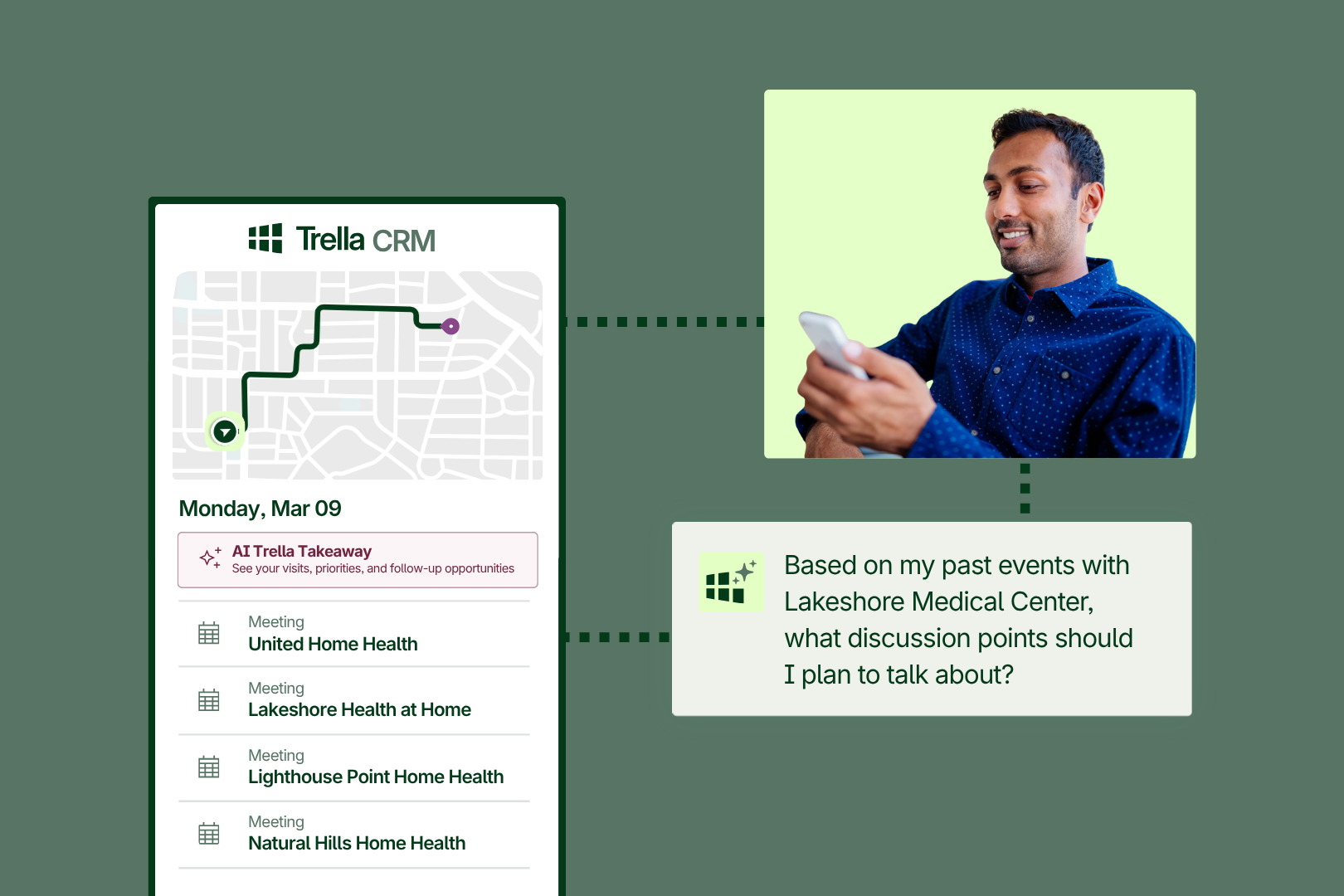
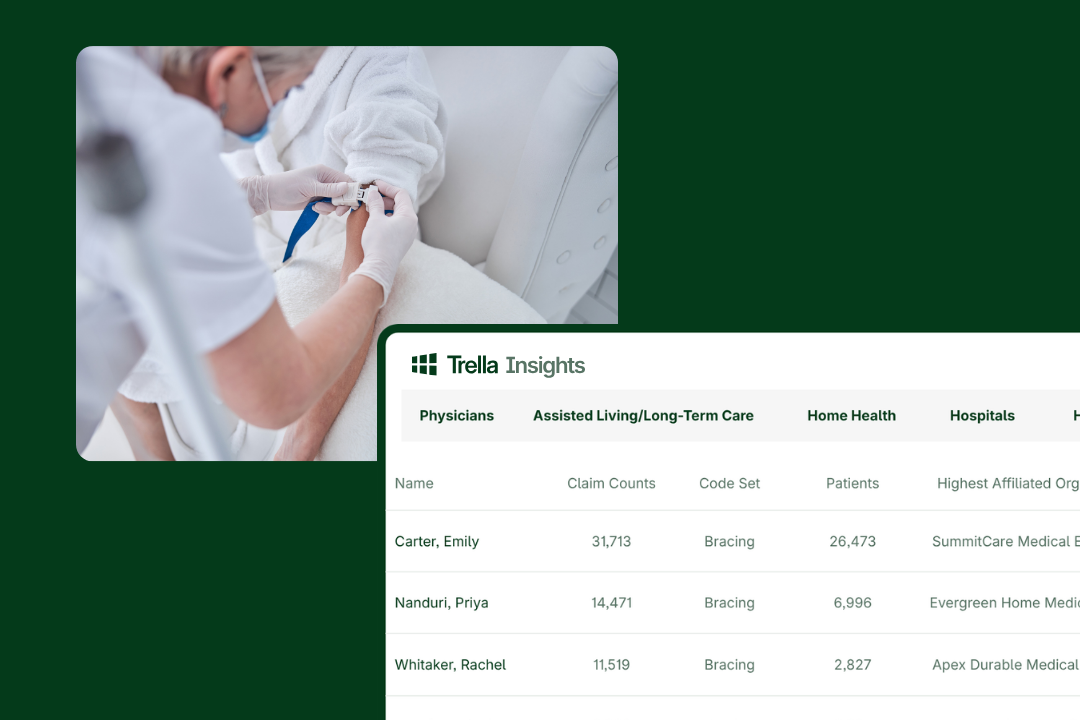
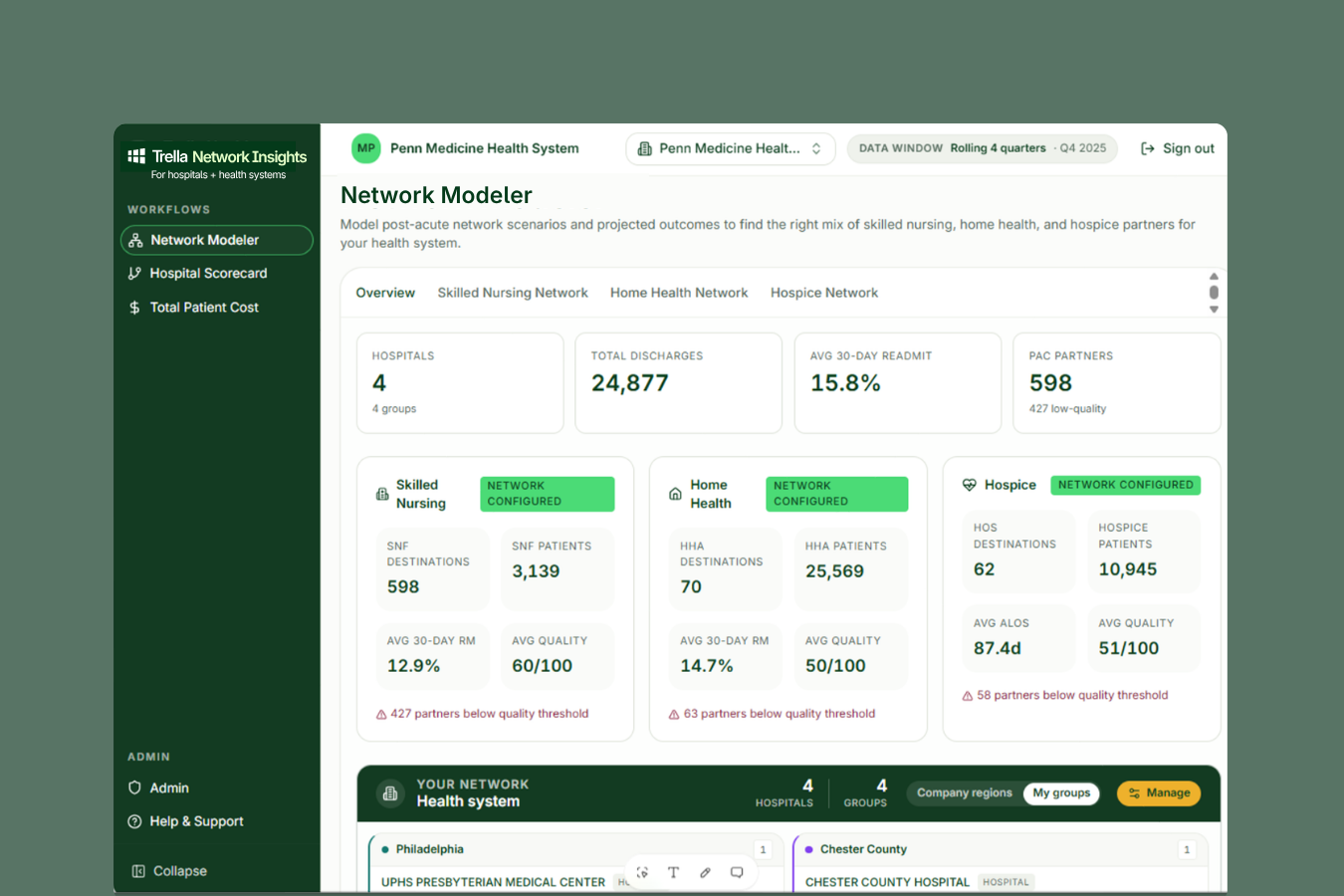
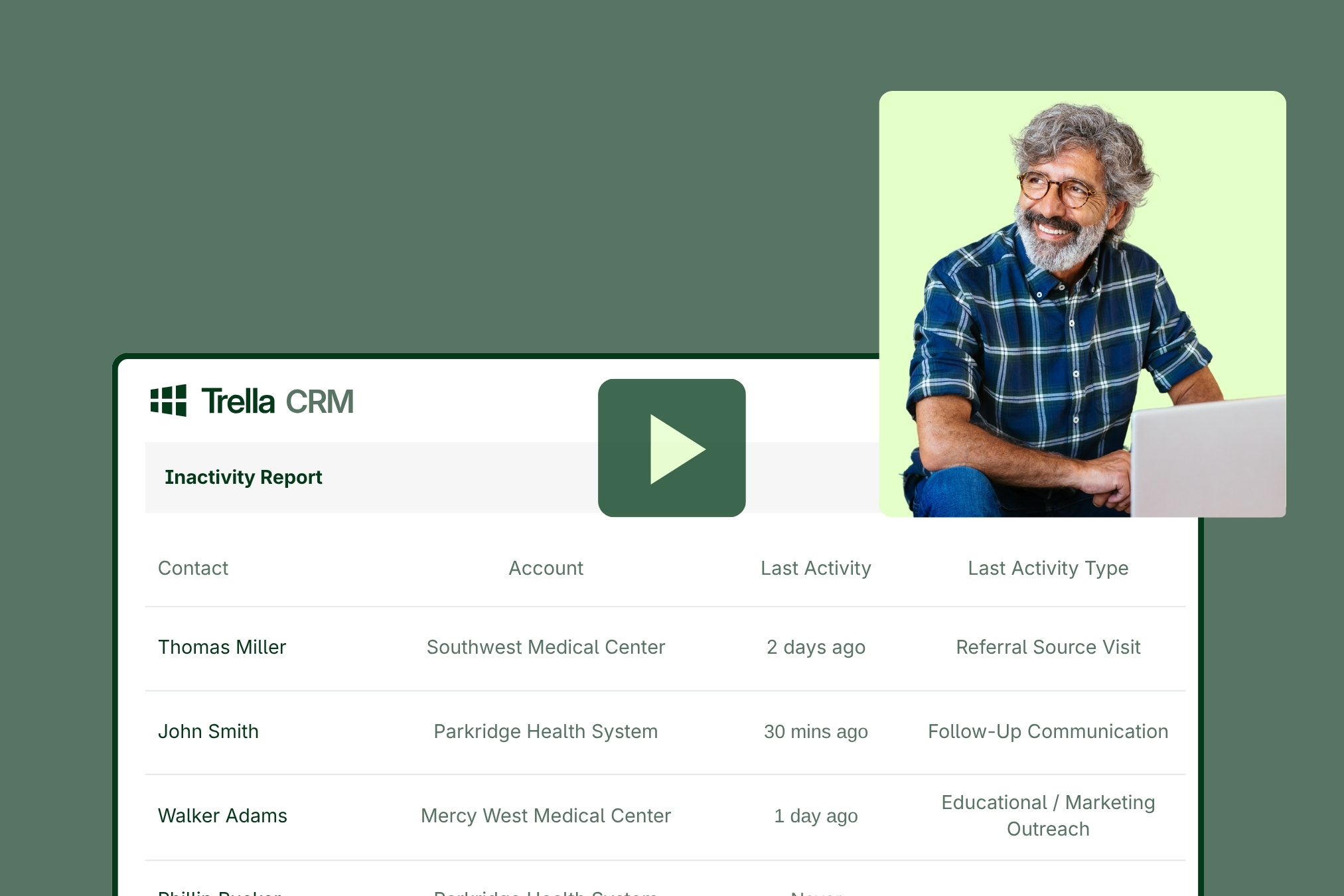
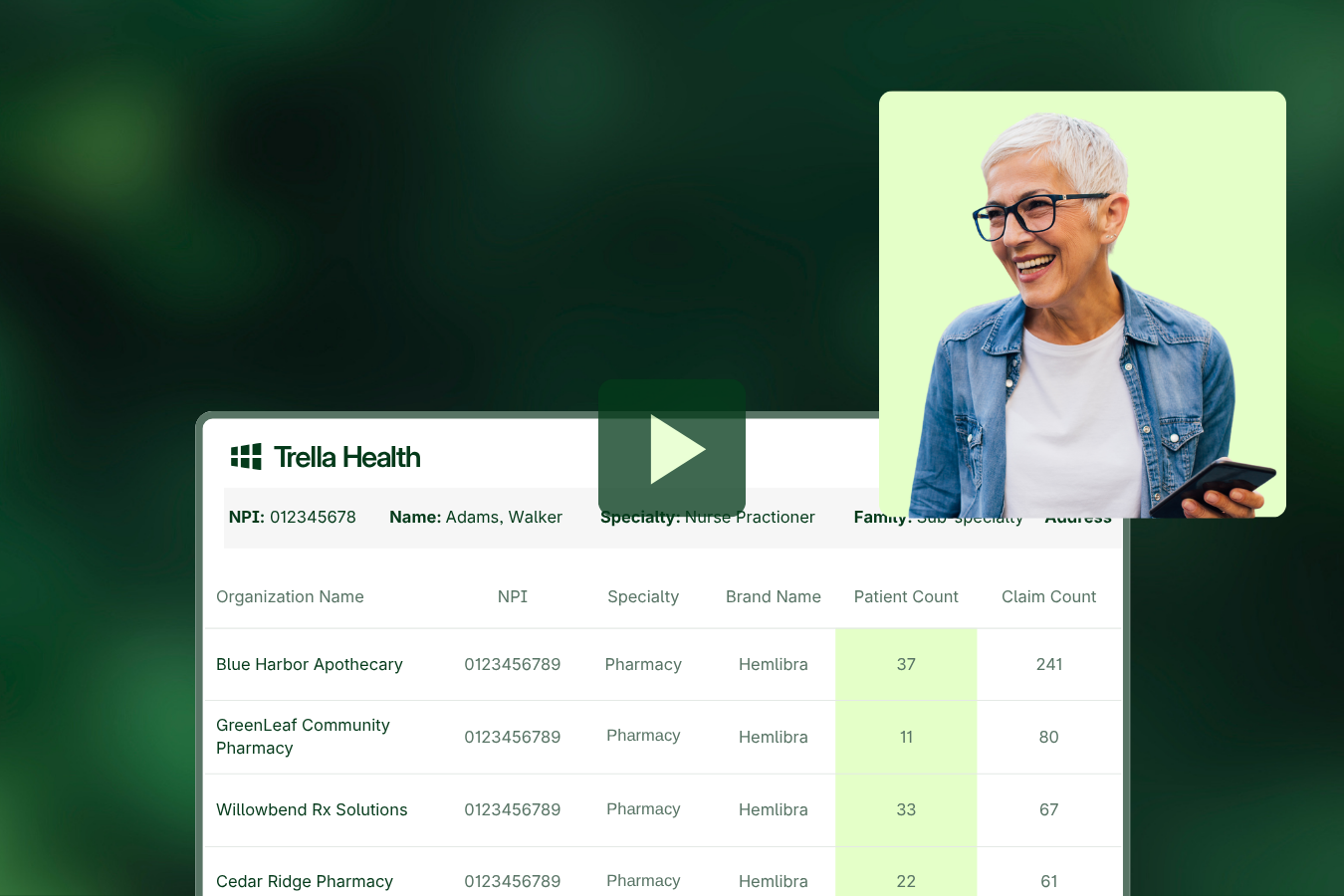
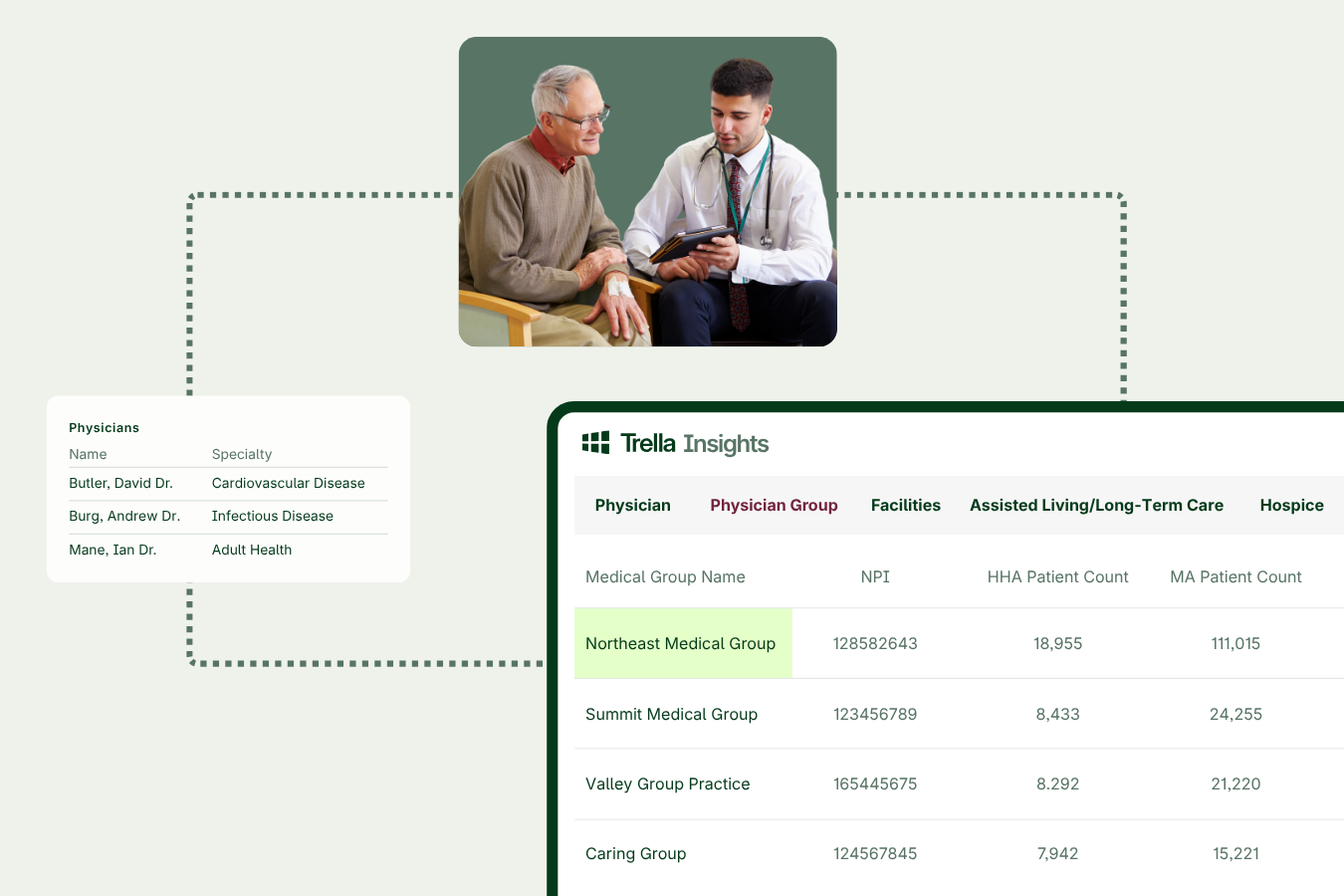
Trella helps hospitals and discharge teams streamline the patient-choice process with a curated, compliant view of qualified post-acute options within the care transition workflow. For post-acute providers, Trella Insights and Trella CRM help consolidate referral intelligence, market visibility, performance data, and outreach activity into a connected environment.
Trella Health helps organizations reduce workflow complexity, strengthen post-acute decision-making, and create a clearer path from referral to start of care.
See how Trella Health help healthcare organizations strengthen care transitions and improve post-acute decision-making.