
Home infusion is entering one of the most consequential stretches in its history. Clinical innovation, payer economics, and demographics are all pushing therapy out of the hospital and into the home, and 2026 is shaping up to be an inflection point.
For infusion providers, the opportunity is real and expanding but capturing it will take more than riding the market. It will take knowing precisely where demand is moving, and where it actually pays.
A Market in Rapid Expansion
The numbers tell a clear story. The global home infusion therapy market was valued at roughly $41.7 billion in 2025 and is projected to reach about $45 billion in 2026, on its way to nearly $79 billion by 2033, a compound annual growth rate of 8.3%. North America alone accounted for more than half of global revenue in 2025.
If those projections hold, the growth would reflect a longer-term expansion of home-based infusion rather than simply a short-term post-pandemic rebound. It reflects a structural shift in where and how infusion care is delivered, and it is drawing a widening field of competitors, from pure-play home infusion operators to payer-integrated platforms and diversified healthcare services companies building infusion capabilities of their own.
The Tailwinds: Biologics, Site-Neutral Payment, and the Shift to Home
Three forces are driving this expansion, and each one reinforces the others.
The first is the biologics boom. The continued growth in specialty and biologic therapies for conditions including autoimmune disease, cancer, and chronic inflammatory disorders. As more complex therapies enter the market and some become clinically appropriate for home administration, the cost of the infusion setting comes under greater scrutiny.
The second force is growing scrutiny of site-of-care costs. Commercial payers have increasingly used site-of-care management to direct clinically appropriate infusions away from higher-cost hospital outpatient departments and toward physician offices, ambulatory infusion centers, or the home. Separately, Medicare is expanding site-neutral payment policies intended to reduce payment differences between hospital outpatient departments and other outpatient settings. Together, these trends increase pressure to justify where infusion care is delivered, but current Medicare site-neutral policies do not directly create payment parity between hospital outpatient and home infusion.
The third force is the patient. An aging population and a broad preference for receiving care at home make the home patients’ and referring physicians’ preferred setting both Together, these tailwinds are moving demand faster than many providers’ targeting strategies can keep up with.
Policy Progress
Policy is beginning to catch up with the market, and 2026 delivered a milestone. In February, Congress enacted the provisions of the bipartisan Joe Fiandra Access to Home Infusion Act as part of the Consolidated Appropriations Act, 2026. The coverage expansion takes effect April 1, 2027, and CMS proposed implementing regulations this summer.
The law creates a coverage path under Medicare’s Part B durable medical equipment benefit for a specific set of drugs that require both a health care professional and an external infusion pump to administer. It also requires that patients be told how their cost-sharing for home infusion compares with other care settings, a small but real step toward transparency.
CMS’s proposed implementation underscores just how narrow the immediate effect may be. The agency currently expects only one drug—patisiran—to newly qualify and be used by enough Medicare beneficiaries to have a meaningful impact. Just 69 Medicare beneficiaries received patisiran infusions in 2025, according to CMS, although additional therapies could qualify in the future.
The Gaps That Remain
It is also, by design, a narrow one. The Fiandra Act primarily helps a small population of patients with rare diseases, and it leaves the structural limitations of the Medicare home infusion benefit largely untouched. This is where the celebration has to be tempered. CMS estimates initial Medicare savings of only about $800,000 annually.
Two gaps stand out. First, the existing home infusion benefit still covers only about 40 drugs, a fraction of the therapies now clinically appropriate for the home. Second, Medicare still lacks the comprehensive reimbursement structure commonly used by commercial payers for home infusion. Medicare does pay qualified suppliers for certain professional services associated with covered home infusion therapy, including nursing, training, and monitoring. But it does not provide the broader pharmacy-service per diem commonly used in commercial coverage to support pharmacy clinical services, supplies, equipment, compounding-related operations, and ongoing care coordination. Industry groups argue that this gap makes many home infusion therapies financially difficult to provide to Original Medicare beneficiaries.The result is a widening distance between where the market is heading and where reimbursement is willing to follow. Payer site-of-care strategies are creating opportunities for more care outside hospital outpatient departments, even as Medicare’s home infusion coverage and payment structure remains incomplete.For providers, that means the growth opportunity is real but uneven, shaped as much by which drugs and payers actually reimburse well as by raw patient demand. Momentum, in other words, is not the same as margin
What This Means for Infusion Providers
That combination of surging demand, incomplete reimbursement, and a rapidly widening competitive field makes 2026 more complex than the headline growth numbers suggest. The market is no longer the near-exclusive territory of established home infusion operators; payer-integrated platforms and diversified healthcare services companies are standing up infusion capabilities and competing for the same referral sources.
In that context, the approaches that carried many providers this far, broad outreach guided by field relationships and familiar referral lists, leave real value on the table. Not because relationships stop mattering, but because demand is now shifting by therapy, payer, and prescriber faster than any individual rep can reasonably track. When a meaningful share of therapies don’t reimburse well, and competitors are multiplying, guessing where to focus becomes an expensive habit.
From Relationship-Based Selling to Data-Driven Growth
Winning in this environment comes down to precision. The providers pulling ahead are the ones replacing intuition with a complete, market-wide view of where infusion demand actually lives, and, just as important, where it pays.
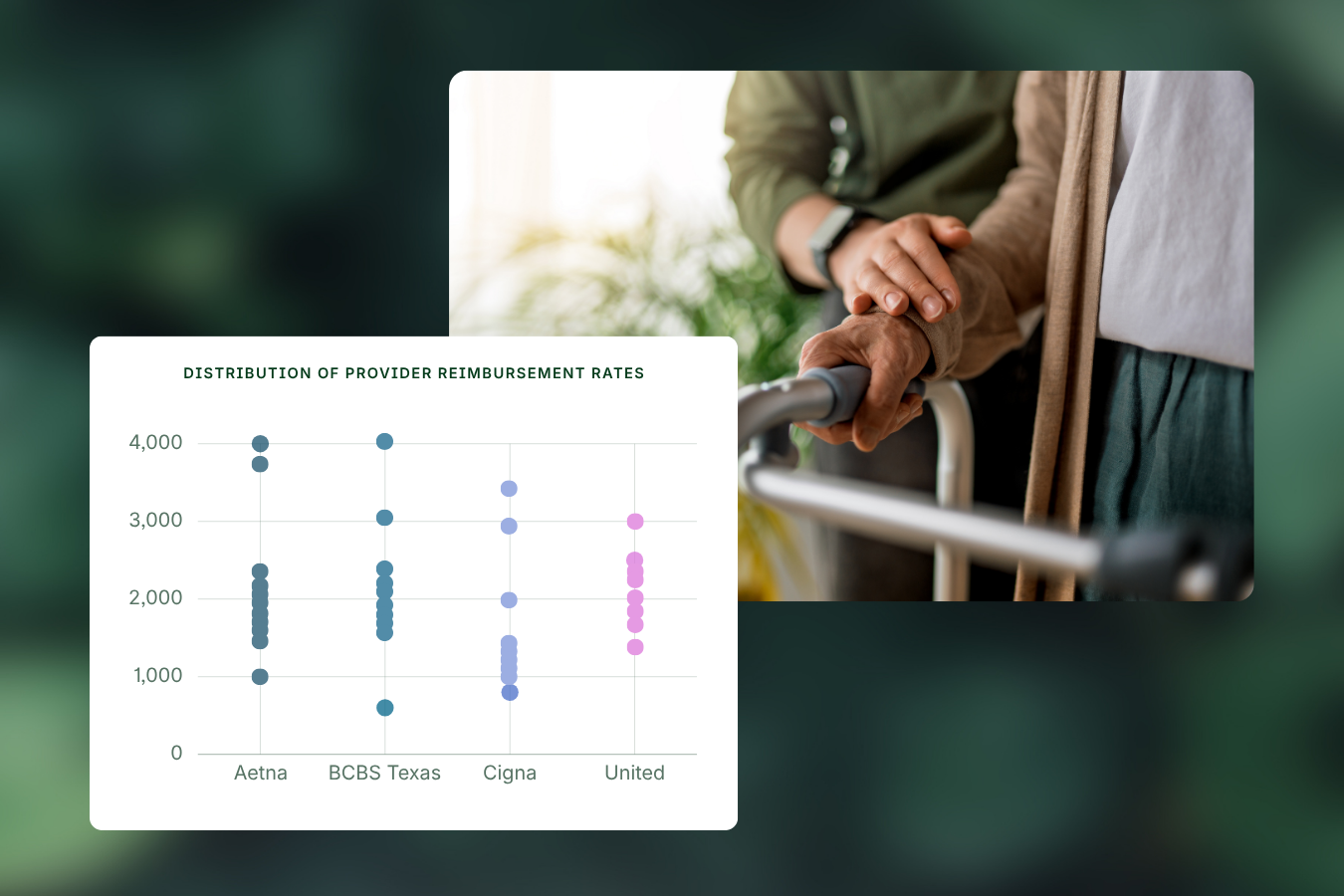
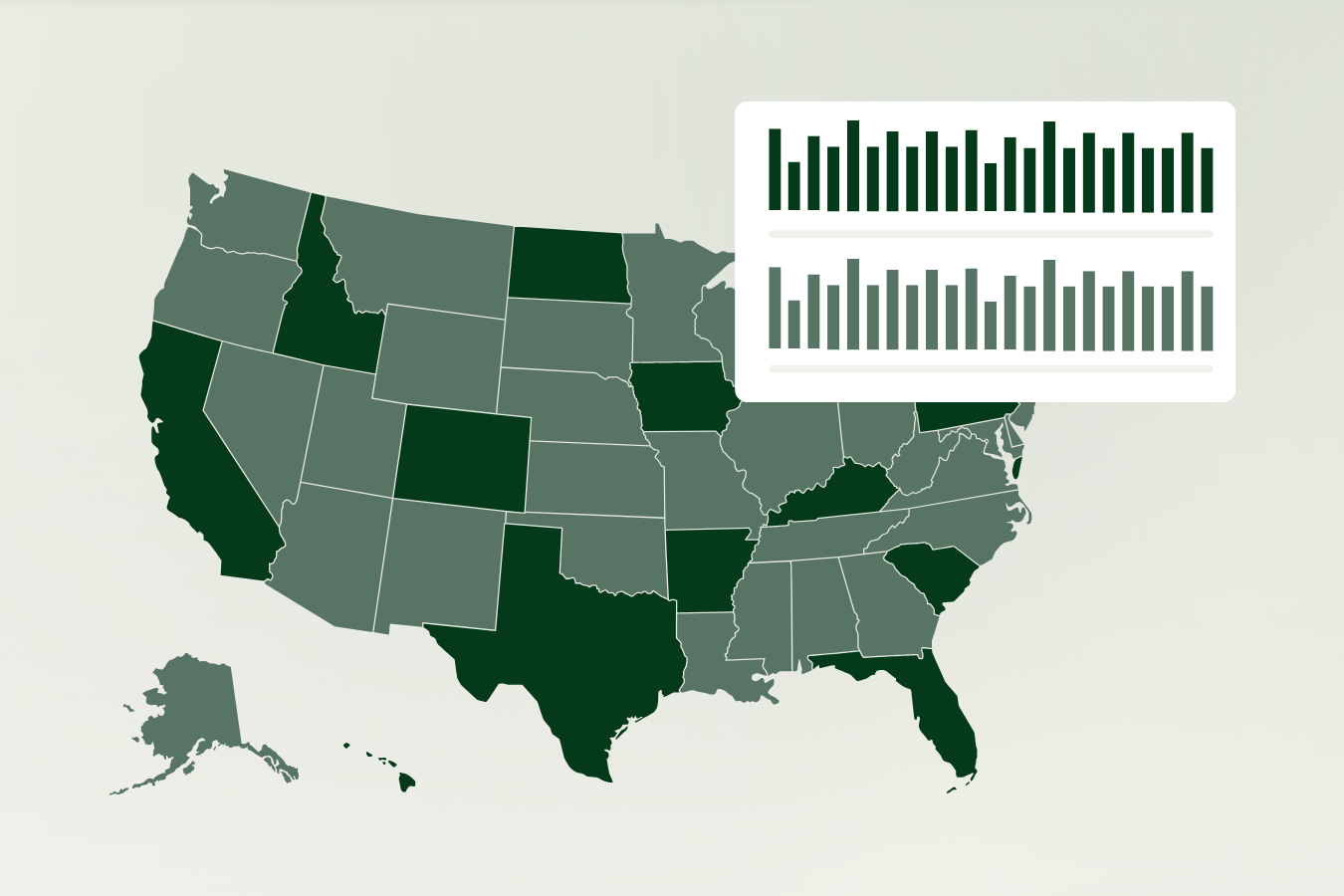
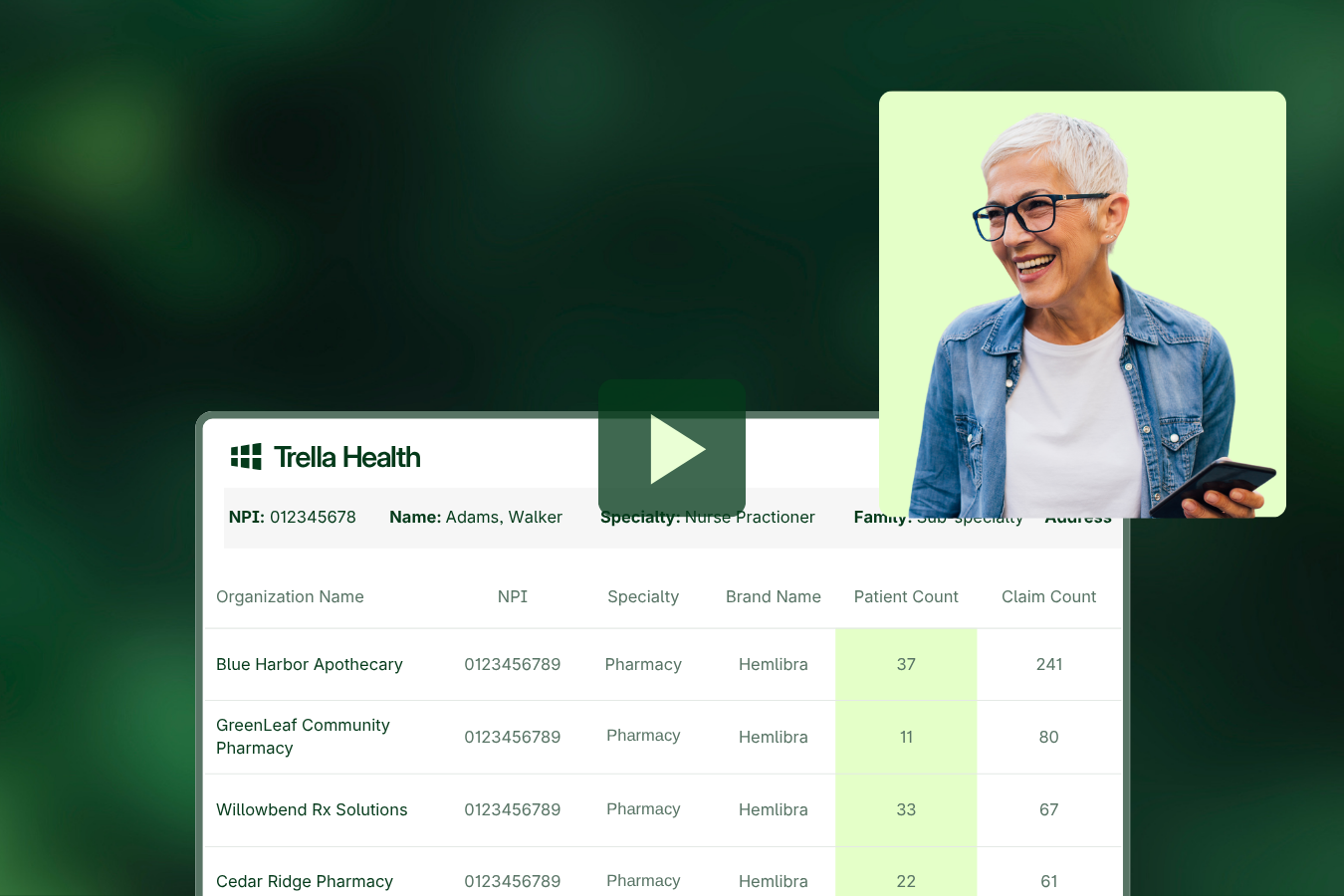
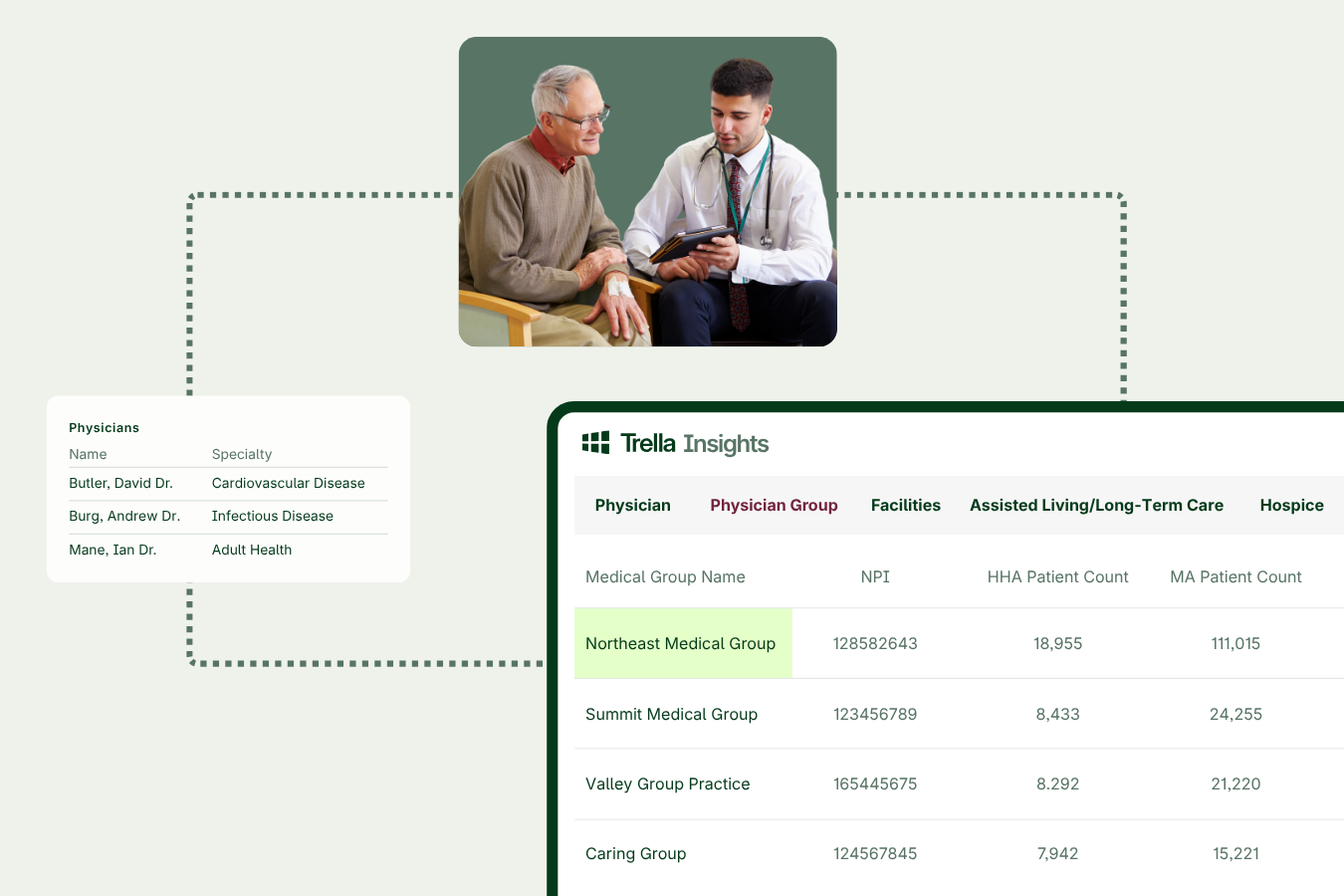
In practice, that data-driven approach means specific things: visibility into prescribing and dispensing patterns across both the medical and pharmacy benefits; the ability to rank physicians and organizations by patient volume, payer mix, and therapy utilization; and code- and drug-level insight, down to HCPCS and NDC, that aligns outreach with the therapies most worth pursuing. Paired with available commercial payer-rate intelligence, that view can help providers evaluate not only where prescribing demand exists, but where reimbursement data suggests stronger economic opportunities.
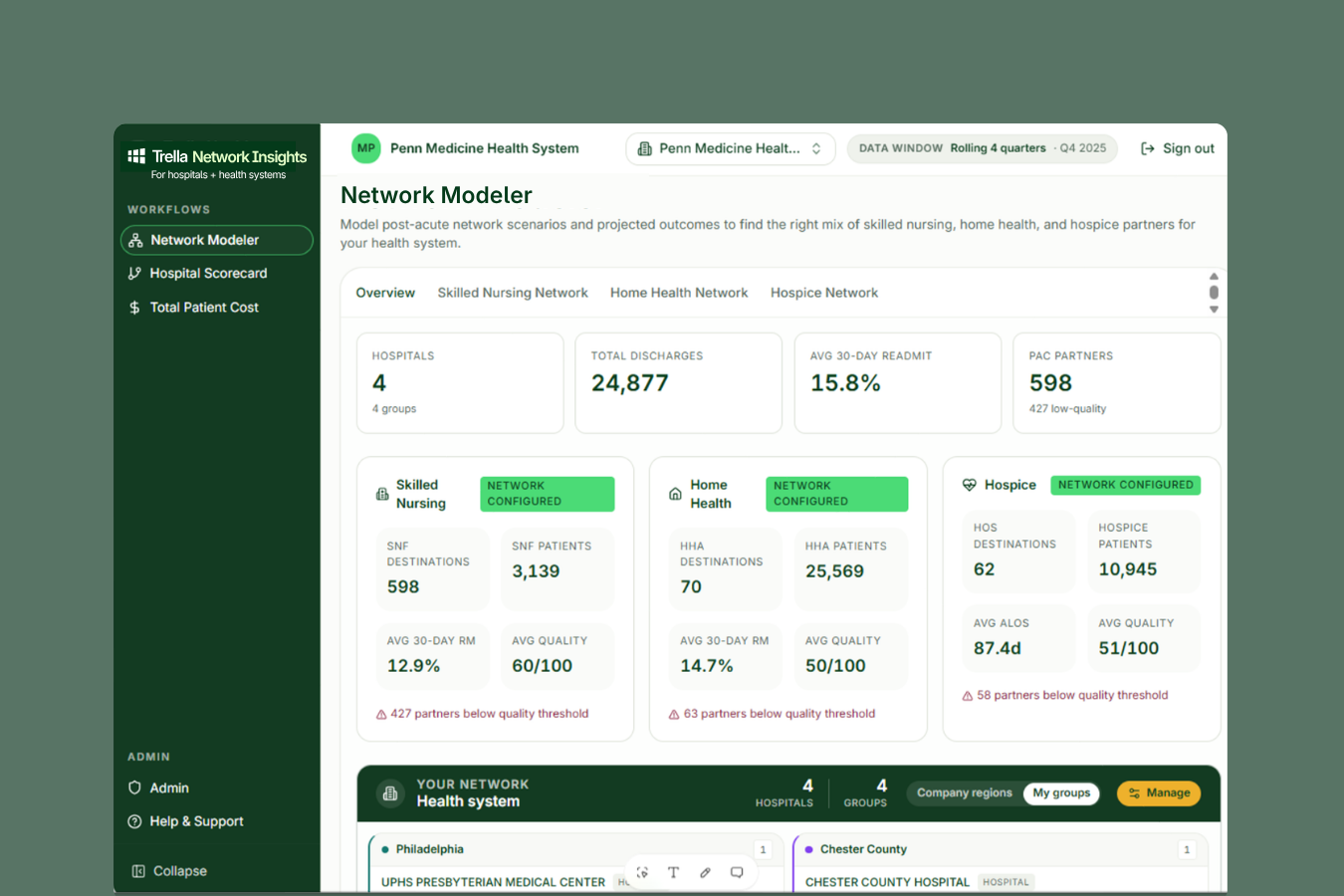
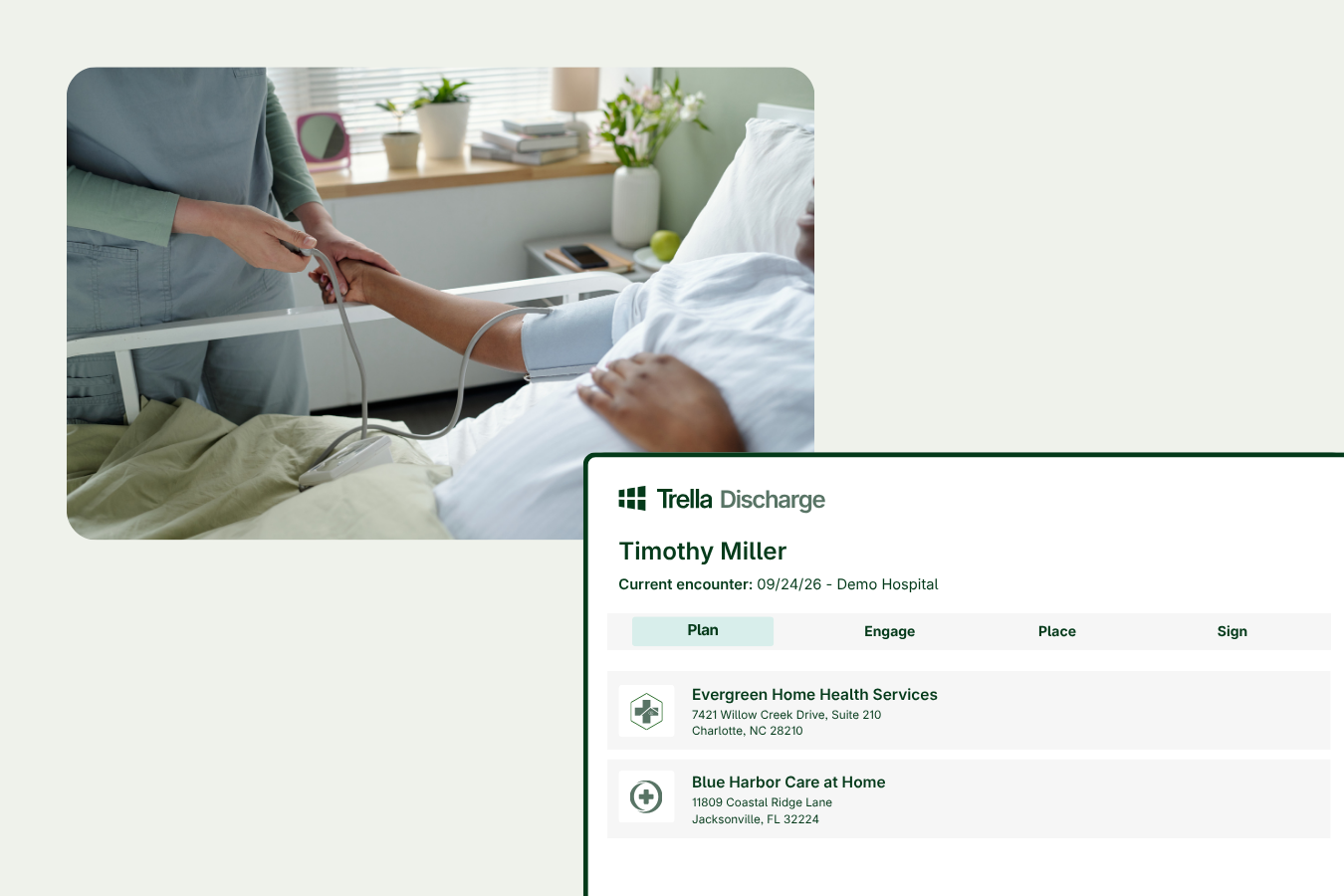
Trella Health brings medical and pharmacy claims data together into a single view of the infusion market, so providers can see where demand is moving and, critically, which therapies and payers are worth prioritizing given the reimbursement realities of today’s benefit. In a year when the gap between a well-reimbursed therapy and a money-losing one can decide whether growth is profitable, that clarity is the difference-maker.
Request a demo to see how claims-based intelligence can help your team target the highest-value infusion opportunities, not just the highest-volume ones.