For long-term acute care hospitals (LTCH), stronger referral alignment, smoother care transitions, and better post-acute visibility can turn complexity into competitive advantage and successful patient outcomes.
LTCHs care for some of the most medically complex patients across the continuum, making timely, well-aligned referrals essential to connecting the right patient with the right level of care. Their needs can include prolonged mechanical ventilation or ventilator weaning, complex wound care, extended IV therapy, rehabilitation services, and intensive interdisciplinary management. The transitions into and out of an LTCH can also create significant operational complexity: referral sources need confidence, families need clarity, and care teams need timely, accurate information to move patients safely to the right level of care.
That is where Trella Health creates meaningful value. By connecting discharge workflow automation with post-acute market intelligence, Trella Health helps LTCHs become more visible, more responsive, more efficient, and more aligned with hospital partners focused on outcomes, length of stay, and patient-centered transitions.
The LTCH Opportunity: Prove Value Earlier in the Journey
For an LTCH, growth is not only about receiving more referrals. It is about receiving the right referrals, at the right time, from partners who understand the clinical value the LTCH can provide. Hospitals and health systems are under pressure to reduce avoidable delays, improve discharge coordination, and support patients through safer transitions. LTCHs that can demonstrate timely access, specialized capabilities, and measurable outcomes are better positioned to become trusted partners in that process.
Appropriate patient identification is especially important under Medicare’s dual-rate payment system, which generally reserves the full LTCH payment rate for patients with a qualifying ICU stay or prolonged mechanical ventilation.
How Trella Discharge Helps LTCHs Be Found and Chosen
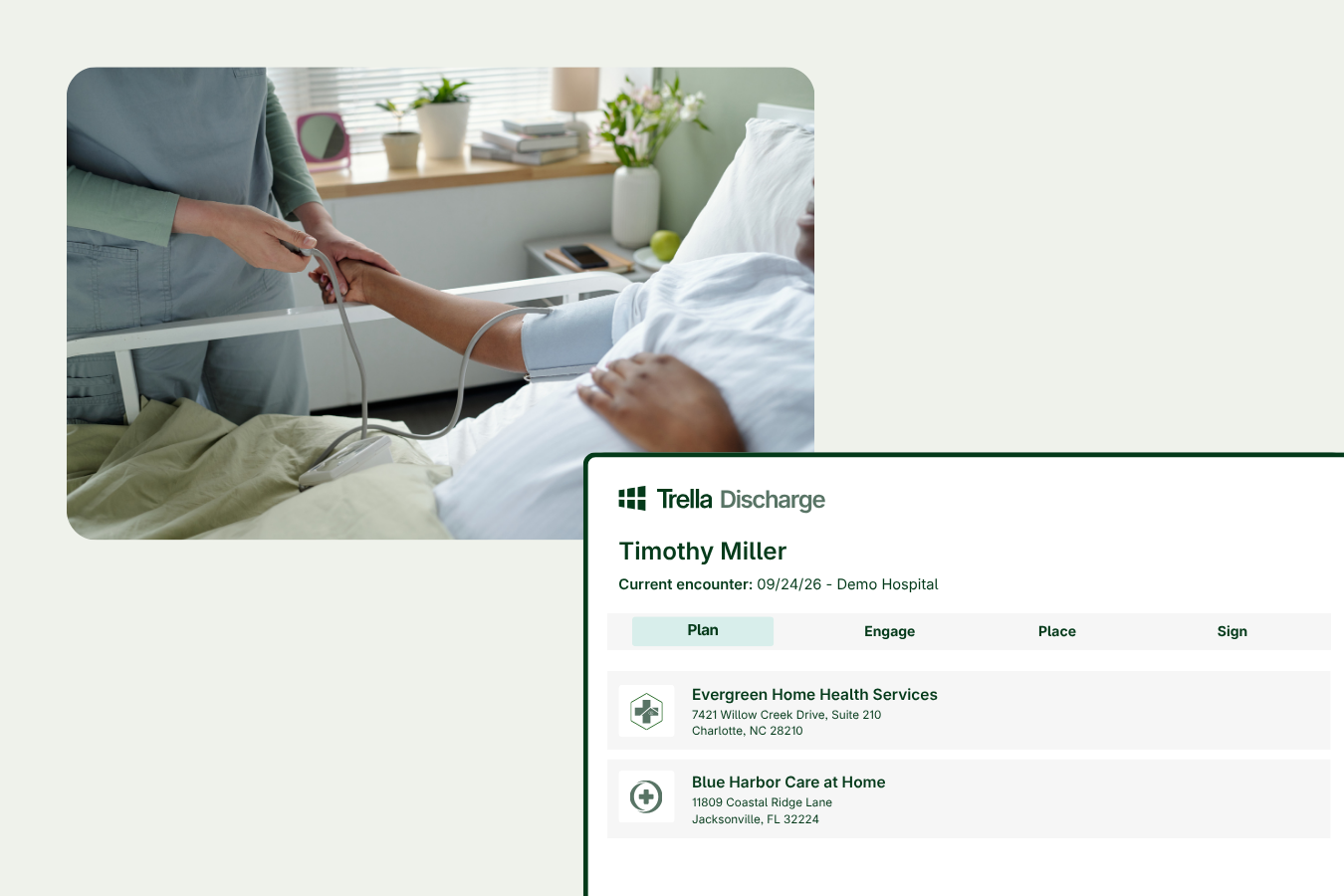
Trella Discharge supports discharge planning and care transitions by giving hospital care teams a more efficient way to identify post-acute providers, provide patients with appropriate options, and engage patients and families in the selection process. For LTCHs, that means a stronger opportunity to present accurate, current information at the exact point when discharge decisions are being made.
An LTCH profile that clearly communicates clinical programs, accepted payers, availability, quality indicators, and differentiating services can help case managers move faster and help families feel more informed. Instead of relying on outdated lists, manual outreach, or incomplete provider details, discharge teams can make better-aligned placement decisions with less administrative friction.
How Trella Health Strengthens Strategy and Referral Growth
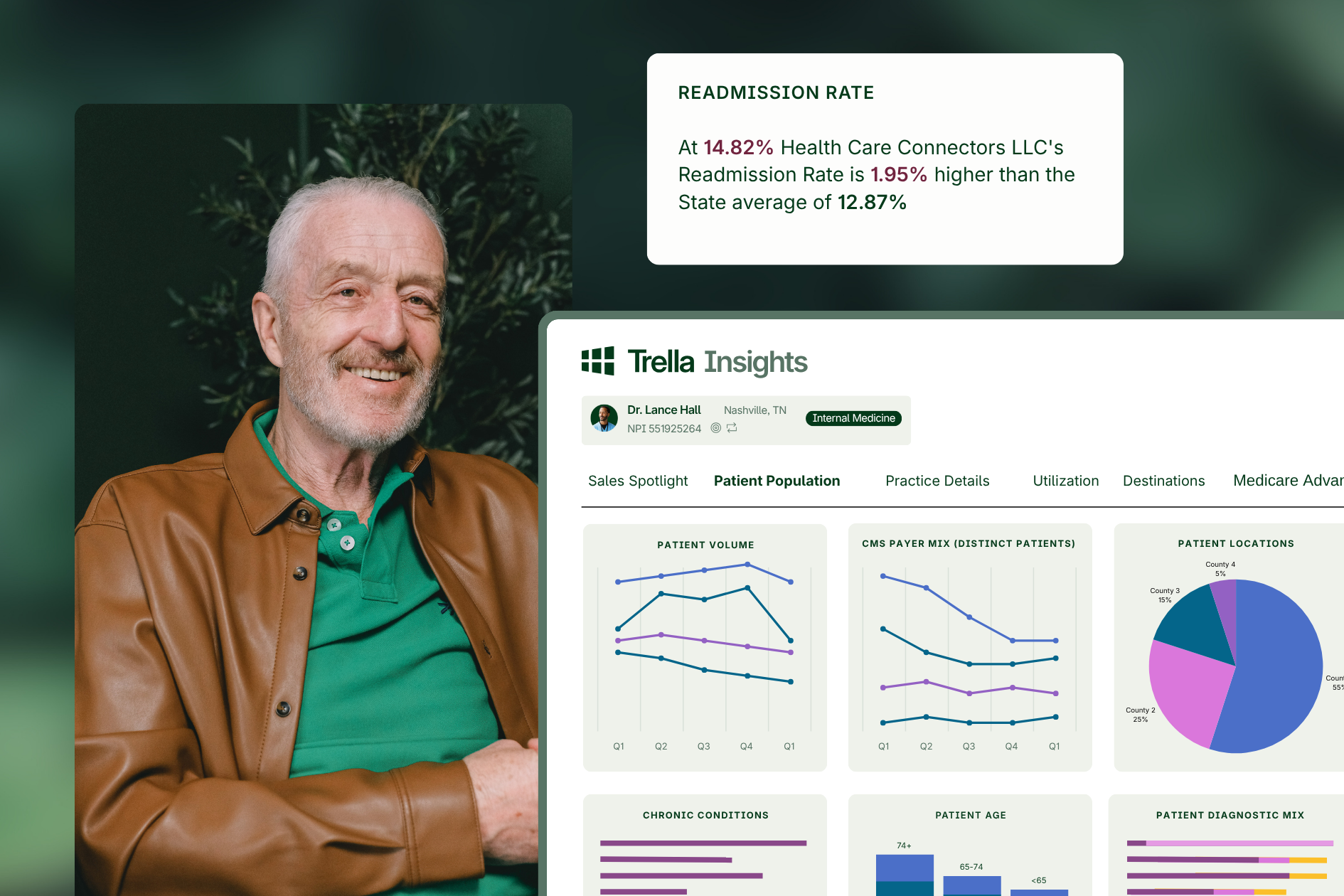
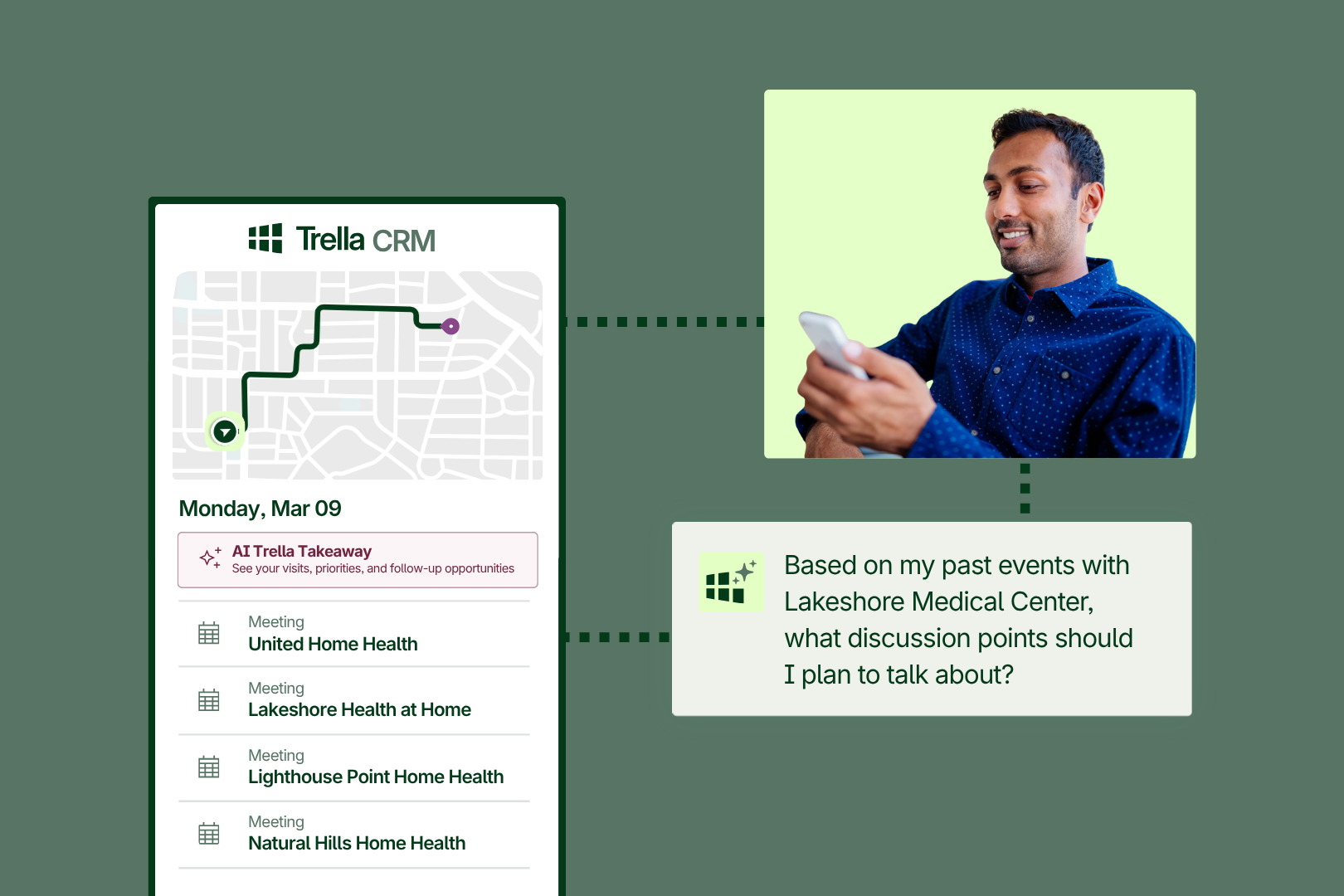
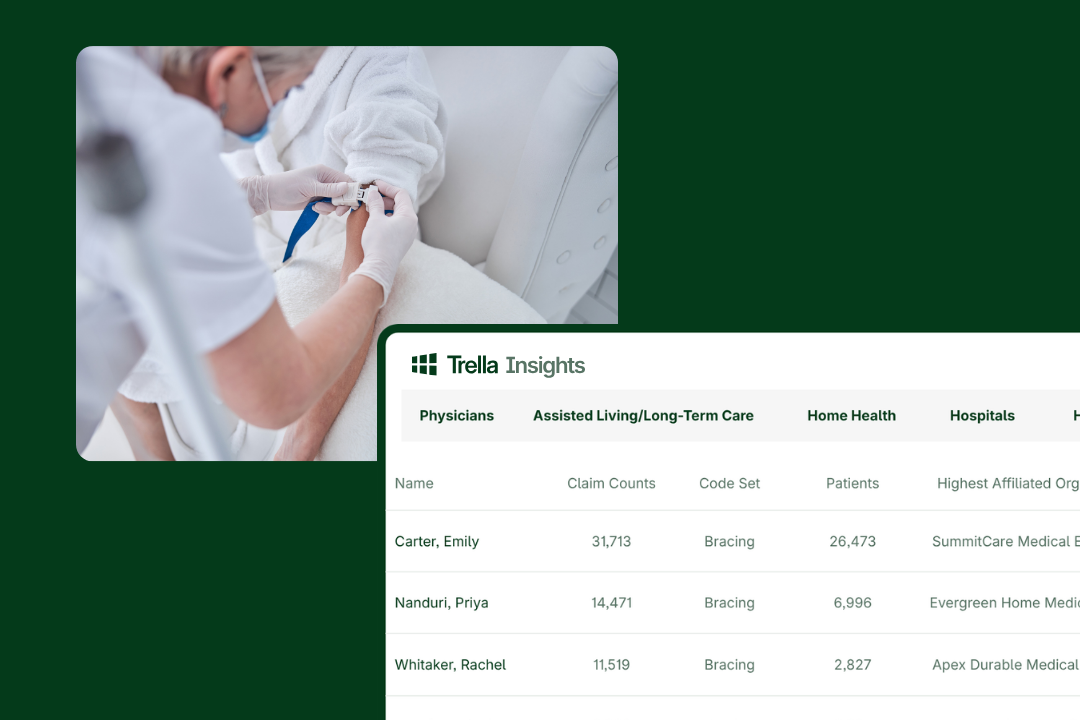
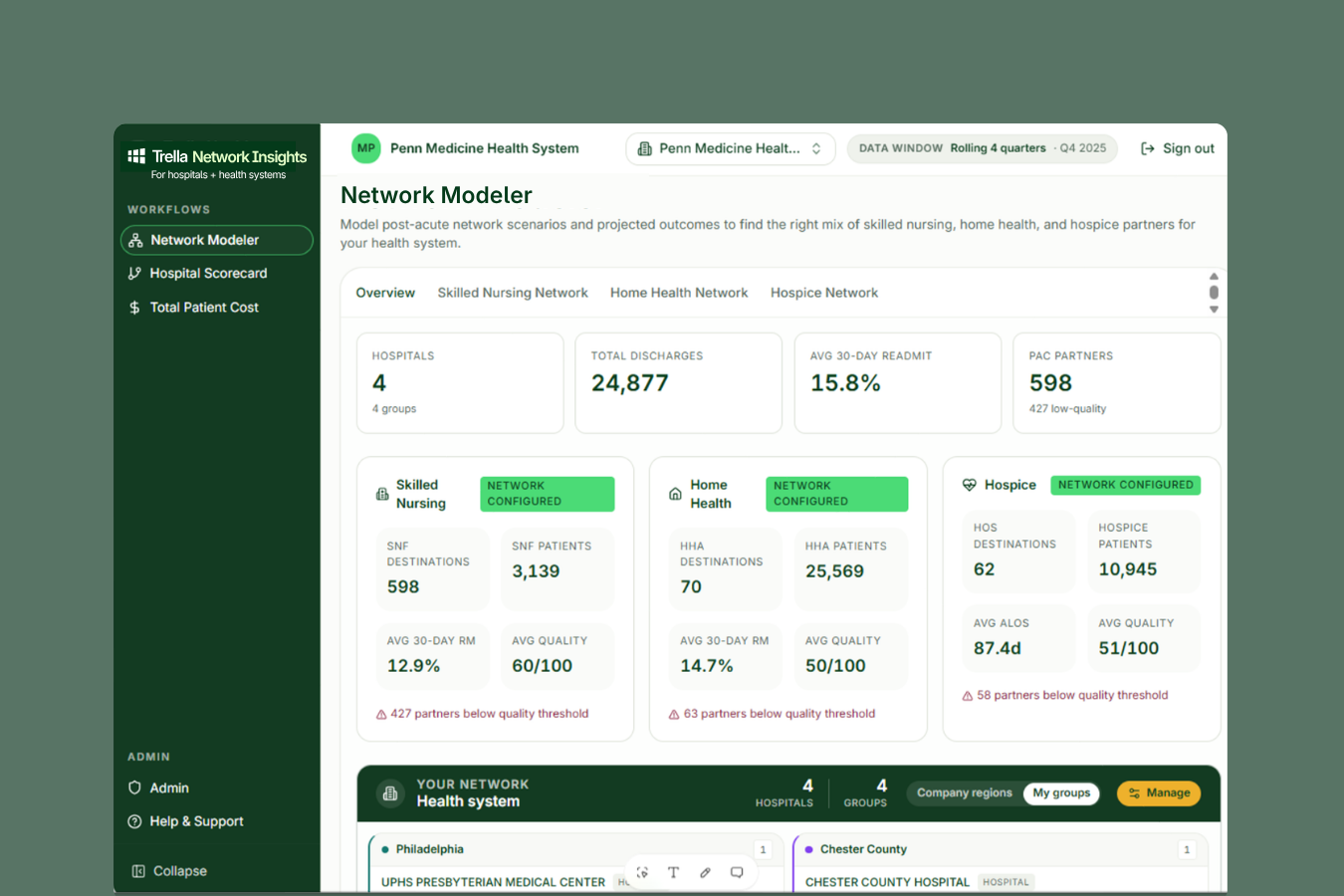
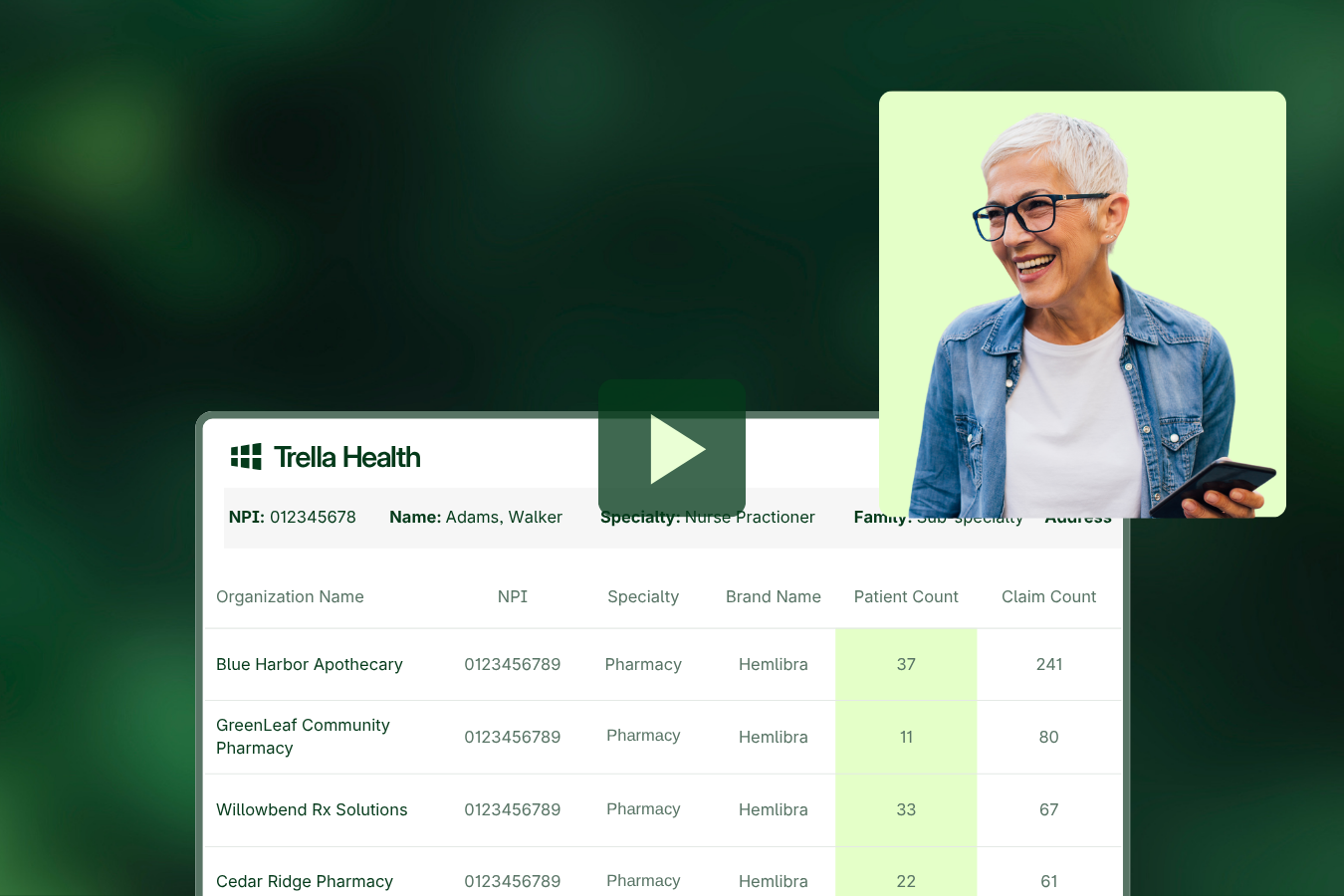
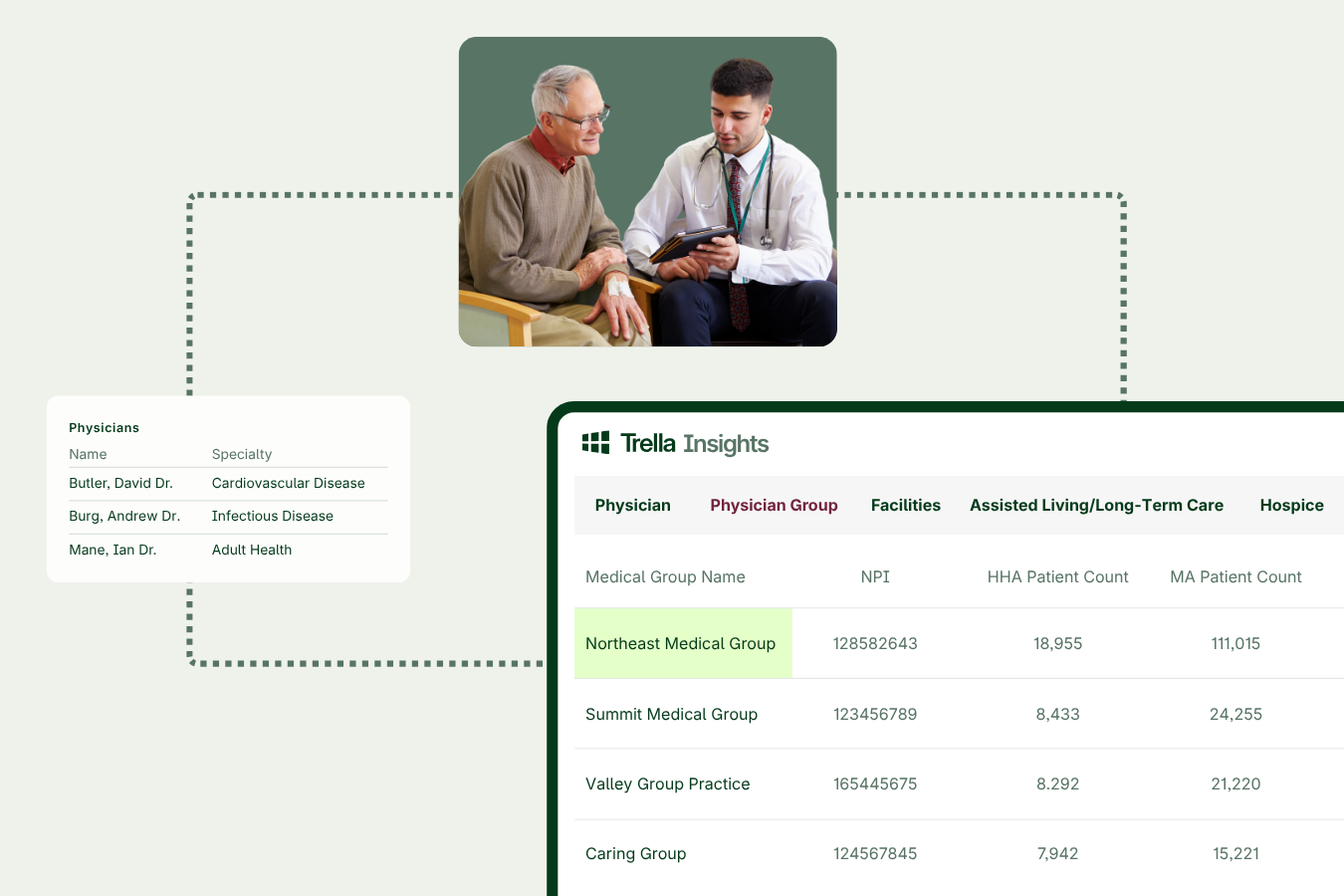
Trella Health also adds the strategic layer: market intelligence, referral visibility, and performance insights. LTCH leaders can use data to understand where medically complex patients are coming from, which referral sources drive volume, how patient flow is changing, and where market patterns suggest untapped opportunity.
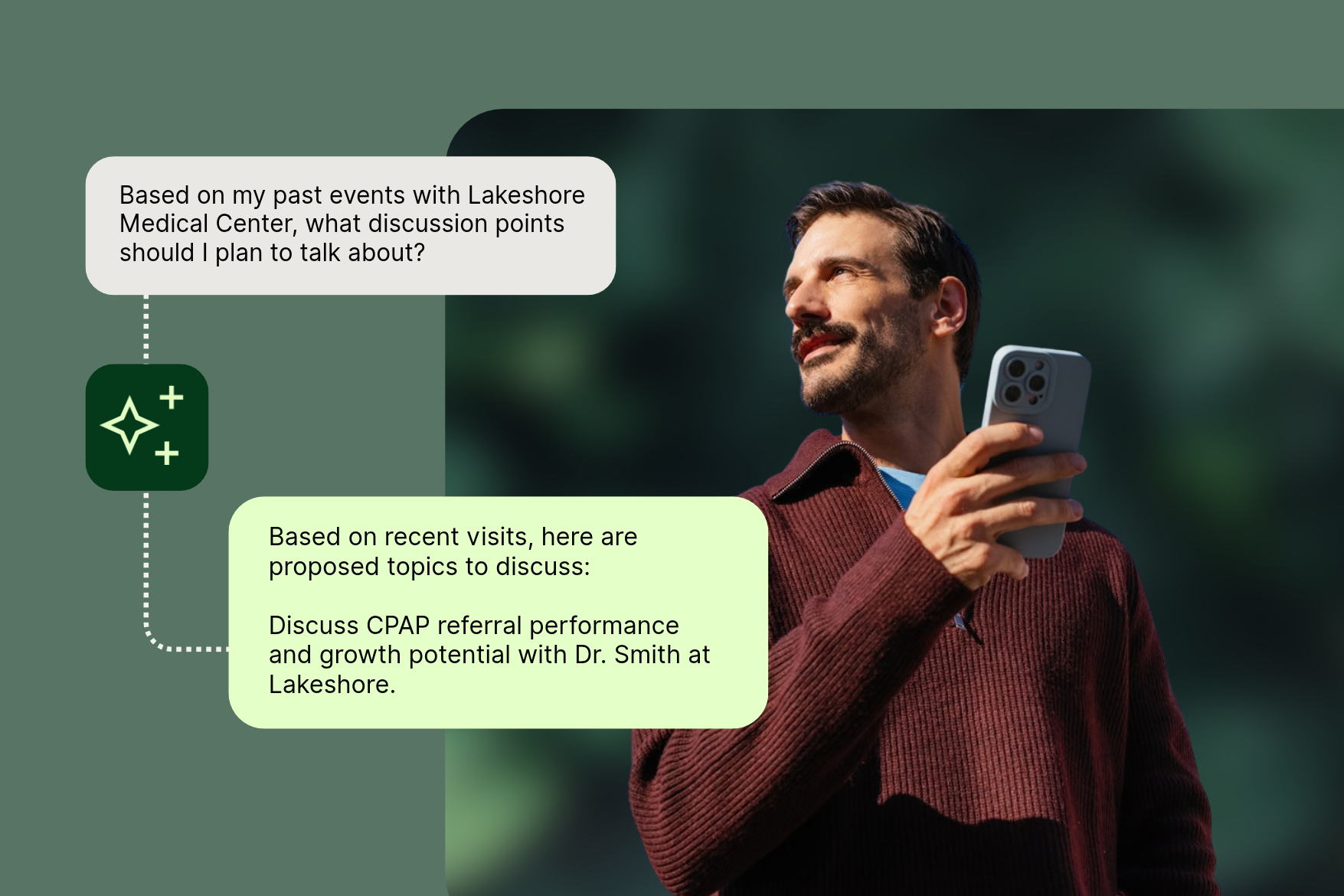
Data can play an increasingly important role in LTCH referral development, particularly as hospitals evaluate post-acute partners on access, utilization, quality, and outcomes. Hospital partners want confidence that post-acute providers can support quality outcomes and appropriate utilization. With Trella Health, LTCHs can prioritize outreach, support stronger conversations with referral partners, and align growth strategy with measurable market needs rather than anecdotal assumptions.
The Combined Value: Insight Plus Workflow
Individually, discharge automation and market intelligence are valuable. Together, they are more powerful. Trella Health helps LTCHs show up within the discharge workflow while also revealing the market dynamics behind referral behavior. The result is a more connected approach to growth, access, and care coordination.
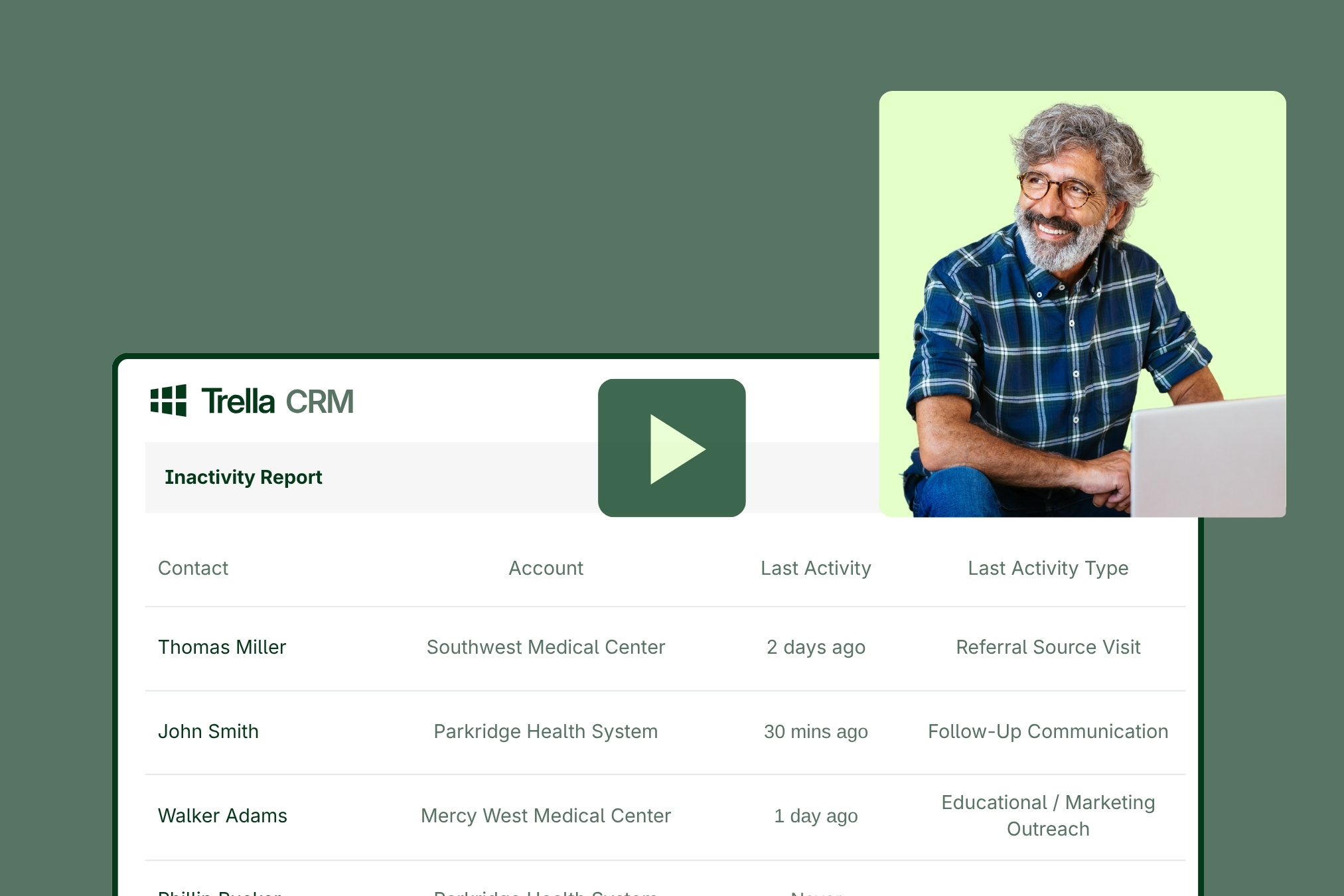
- Plan with confidence: Identify target referral sources and understand patient flow patterns.
- Engage with clarity: Present accurate LTCH capabilities to hospital teams, patients, and families.
- Place with speed: Reduce delays by making availability and provider information easier to access.
- Measure with insight: Track performance, referral trends, and opportunities for continuous improvement.
Why This Matters for Hospital Partners
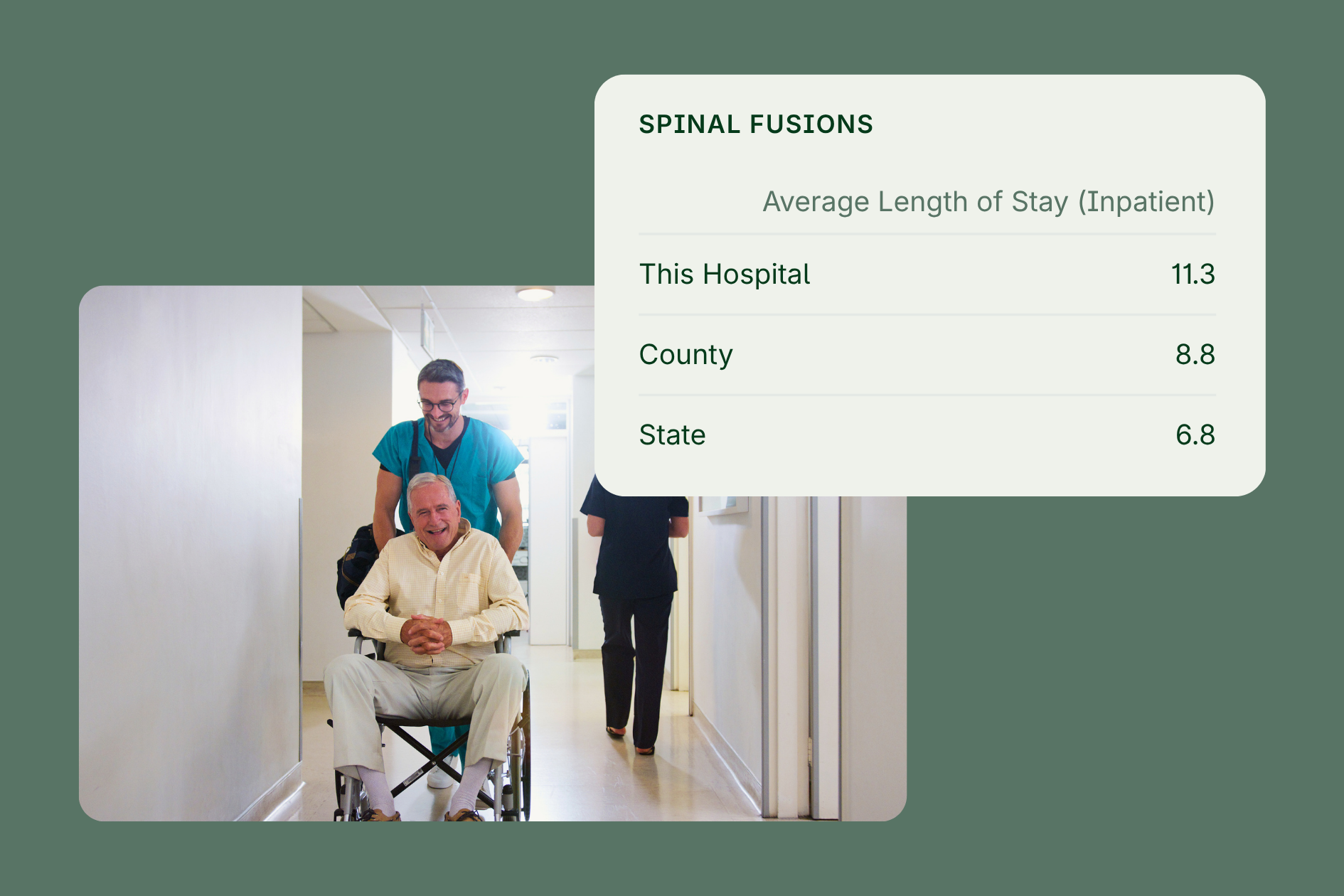
Hospitals need post-acute partners who can help them move medically complex patients safely and efficiently through the continuum. Delayed transitions can contribute to avoidable cost, extended length of stay, and patient or caregiver frustration. When an LTCH makes its capabilities easier to evaluate and its performance easier to discuss, it becomes a more strategic partner to case management, physician leaders, and value-based care teams.
For LTCHs, this is a technology and relationship story. Better data and better workflow can help replace friction with confidence, helping referral partners understand when the LTCH is the appropriate next step and why timely placement can support recovery for complex patients.
Extending the Value: Automating LTCH Discharges
Discharge automation is not only valuable for helping hospitals refer appropriate patients into an LTCH. It can also help LTCHs discharge their own patients more efficiently when those patients are ready for the next level of care. For medically complex patients, the transition out of the LTCH may involve home health, skilled nursing, inpatient rehabilitation, outpatient services, durable medical equipment, transportation, payer authorization, caregiver education, and follow-up appointments. When those steps are managed manually, delays and communication gaps can slow discharge and create avoidable risk.
With discharge automation, LTCH teams can begin planning earlier, coordinate post-discharge services in a more standardized way, and track referral responses or outstanding barriers in real time. This supports a smoother patient handoff, reduces the administrative burden on case management teams, and helps ensure that patients and caregivers receive clearer options and instructions before leaving the LTCH.
- Earlier identification of discharge barriers: Teams can surface payer, placement, equipment, transportation, or caregiver readiness issues sooner.
- Faster next-level-of-care placement: Digital referrals and status tracking reduce reliance on phone, fax, and fragmented follow-up.
- Improved patient and family experience: Patients and caregivers receive clearer information about post-LTCH options and expectations.
- Reduced avoidable delays: Standardized workflows help move patients safely when they are clinically ready.
- Stronger continuity of care: Better communication with receiving providers supports safer handoffs and reduces the chance that important clinical details are missed.
For LTCH leaders, this creates a two-way advantage. The same digital discipline that improves inbound referral visibility can also improve outbound transition performance. That means better throughput, stronger patient-centered discharge planning, and a more consistent experience for hospital partners, patients, families, and downstream care providers.
A Practical Roadmap for LTCH Leaders
- Optimize your provider profile: Keep clinical programs, payer information, capacity, and differentiators current.
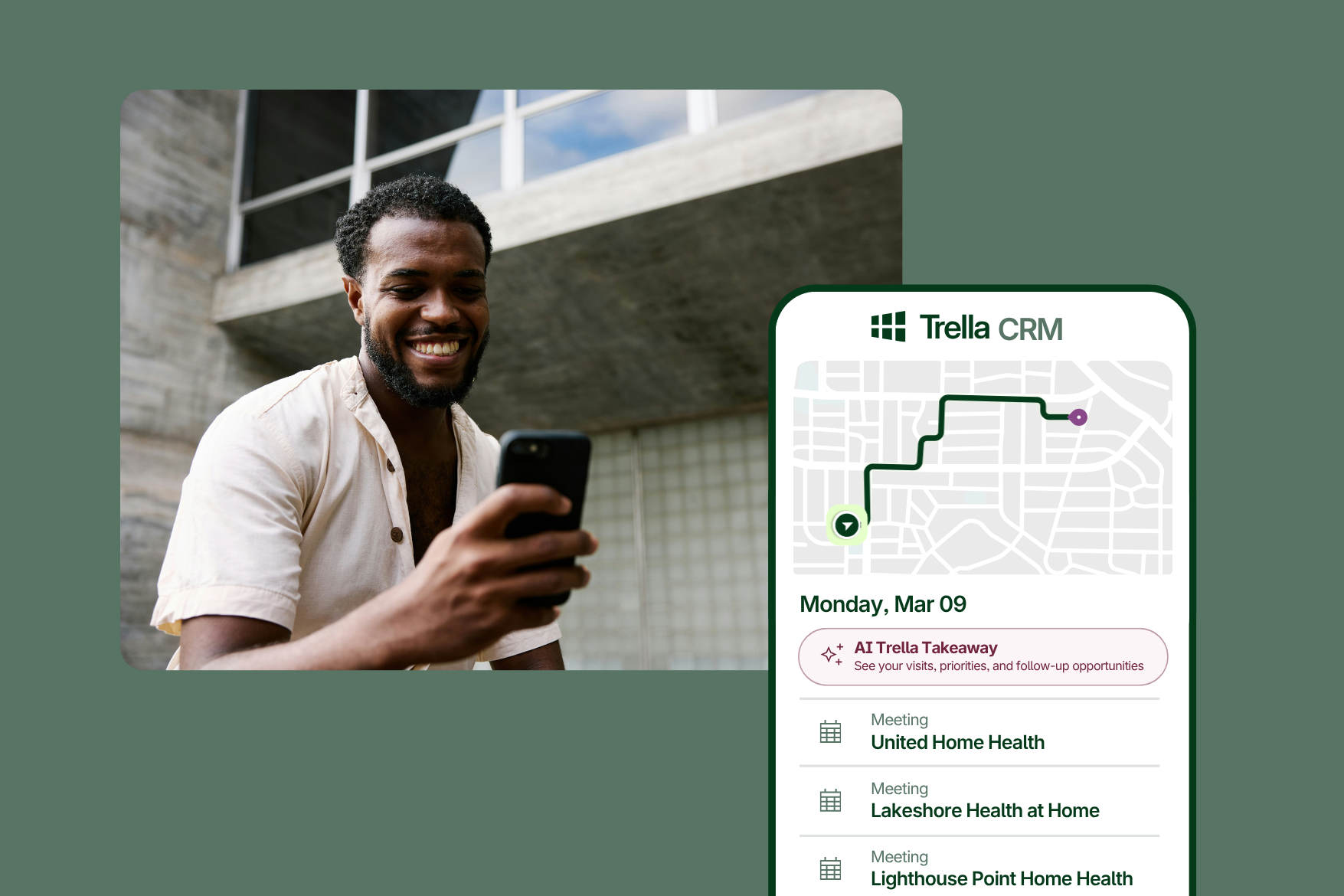
- Use market data to focus outreach: Prioritize referral sources with meaningful patient flow and alignment opportunities.
- Equip liaisons with evidence: Support conversations with data on service capabilities, access, and outcomes.
- Close the loop with hospital partners: Share insights that demonstrate responsiveness, appropriate placement, and continuous improvement.
- Measure what matters: Track referral conversion, placement speed, payer trends, and relationship growth over time.
- Standardize and optimize your care transitions process: Move from manual, fragmented referral processes to EHR-integrated workflows that make patient choice, provider communication, referral status, and discharge readiness easier to coordinate, increasing efficiency and reducing delays.
The Bottom Line
LTCHs play an important role for medically complex patients who require extended hospital-level care beyond a traditional acute-care stay. By working with Trella Health, LTCHs can better connect their clinical value to the discharge decisions happening upstream, while using market intelligence to grow and work smarter, strengthen referral partnerships, and demonstrate their role in the broader care continuum.
The strategic stakes are particularly high as the American Hospital Association estimates that roughly one-quarter of LTCHs have closed over the past decade amid declining Medicare volume and continued payment pressure. In a care environment defined by complexity, margin pressure, and value-based expectations, the LTCHs that win will be the ones that work smarter and make their value visible, measurable, and easy to act on. Trella Health helps make that possible.