Value-based care entered post-acute care as a broad strategic concept. It is now operationalized as a fragmented reality.
A home health agency, hospice provider, skilled nursing facility, or other post-acute organization may participate in multiple relationships with Medicare Advantage plans, ACO partners, commercial payers, and health system networks. Each relationship can carry different performance expectations, performance metrics, reporting cadences, and definitions of value.
CMS has acknowledged that providers often report different quality measures to different entities, and that misalignment among payers creates confusion, complexity, and administrative burden. Although CMS and health plans are working to align core measures, providers continue to operate across a fragmented performance landscape.
For post-acute leaders, the issue is no longer whether value-based care matters. It is how to operate effectively when one organization is being evaluated against many different scorecards at once.
The providers best positioned for this environment are those that can identify which payer relationships deserve focused investment, which can be supported through standardized workflows, and which may not justify the same level of attention.
Value-Based Care Is Becoming More Fragmented
In theory, value-based care is designed to align reimbursement with quality, outcomes, and costs. In practice, providers often experience value-based care through a patchwork of payer-specific expectations.
One Medicare Advantage plan may emphasize readmissions. Another may focus on length of stay, utilization management, authorization adherence, or site-of-care decisions. A commercial payer may emphasize access, documentation, or network participation. An ACO may focus on total cost of care, while a post-acute provider’s specific accountability will depend on the terms of its partnership or performance arrangement with that ACO. Each program may be reasonable on its own. Together, they create operational complexity.
Post-acute providers are increasingly expected to prove value across multiple dimensions, including outcomes, cost, responsiveness, patient experience, access, documentation quality, and network alignment. Without a clear framework for prioritization, organizations risk spreading resources too thin across too many competing requirements.
Not Every Payer Relationship Carries the Same Strategic Value
One of the most important shifts in payer strategy is recognizing that not every payer relationship should be managed the same way.
Some payers may drive meaningful volume, strong reimbursement, and long-term strategic opportunities. Others may create administrative burden without delivering proportional financial or referral value. Some may be important because of their influence with health systems or ACO partners, while others may be less central to the organization’s growth strategy.
The challenge is that many organizations still evaluate payer relationships based on instinct, anecdotal feedback, or recent operational pain points.
A payer that creates frequent administrative burden may feel like the most urgent priority. But that does not always mean it is the most strategically important relationship. Conversely, a payer that quietly drives strong volume or favorable economics may deserve more proactive attention than it currently receives.
A stronger payer strategy begins with visibility into where volume, value, and operational burden intersect.
Providers Need a Payer Prioritization Framework
To operate effectively in a payer-specific value-based care environment, post-acute organizations need a practical framework for prioritization.
The framework should help leaders determine which payer relationships warrant greater contracting, operational-improvement, and business-development investment; which can be managed through standardized processes; and which may warrant less incremental strategic investment. This prioritization should not affect patient care standards or the organization’s contractual obligations.
A strong payer prioritization framework should consider:
- Volume contribution: Which payers represent the largest share of patients, referrals, or admissions?
- Financial impact: Which payers drive the strongest reimbursement, margin, or long-term economic value?
- Operational burden: Which relationships require the most administrative effort, authorization support, or documentation management?
- Performance expectations: Which payers are measuring outcomes most closely, and where does the provider have room to improve?
- Ability to influence performance: Whether the provider receives timely, reliable data and has realistic control over the metrics on which it is evaluated.
- Strategic influence: Which payers are tied to important health systems, ACO partnerships, or referral networks?
- Patient and market importance: Whether the contract is necessary to serve a particular community, maintain market access, or preserve important referral relationships.
This kind of framework helps organizations move from reactive payer management to intentional payer strategy.
Payer-Specific VBC Requires Internal Alignment
Payer strategy cannot sit only with contracting teams. In a more fragmented VBC environment, payer expectations need to inform operations, intake, clinical workflows, sales strategy, and executive decision-making.
If a payer relationship is strategically important, field teams need to understand that relationship. Intake teams need to understand authorization requirements. Clinical teams need visibility into performance expectations. Leaders need to know whether the organization is gaining or losing share within that payer’s network.
Without shared visibility, payer-specific strategy becomes fragmented inside the organization. Contracting may negotiate one set of priorities while operations manage another and sales teams pursue accounts without clear payer context.
The most effective providers will be those that can translate payer intelligence into coordinated action across the organization.
Payer Negotiations Are Becoming More Data-Driven
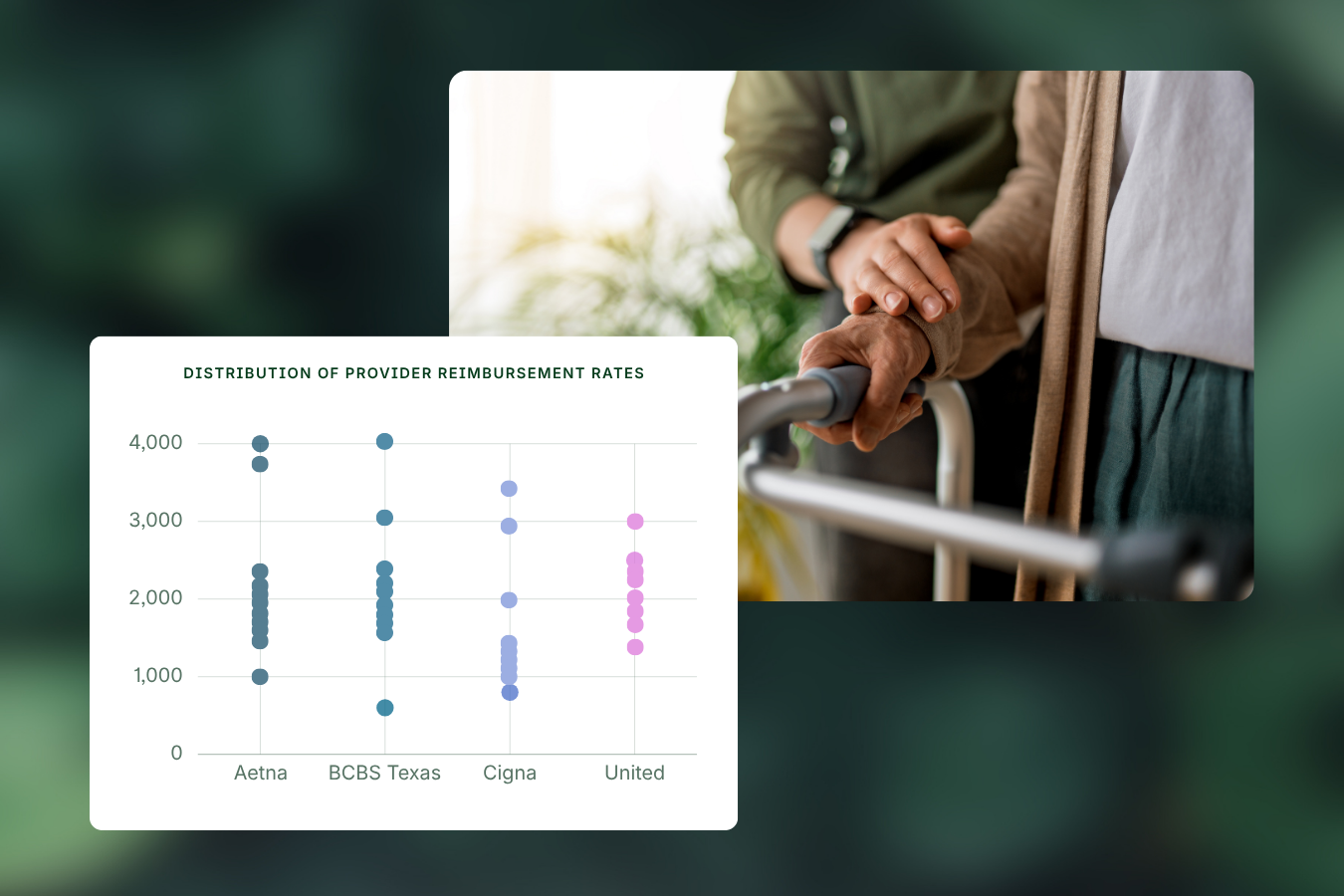
As value-based care expands, performance and market data can play a more important role in payer negotiations. Providers should no longer rely solely on relationship history or broad claims of quality. They should be prepared to support their position with evidence on access, patient mix, utilization, outcomes, market presence, and operational performance.
This is especially important as Medicare Advantage continues to shape post-acute utilization. Recent research found that Medicare Advantage beneficiaries had greater reductions in post-acute care use compared with traditional Medicare beneficiaries, including fewer skilled nursing facility days and fewer home health days.
For providers, this creates both pressure and opportunity. Payers are managing utilization more actively, but providers with strong performance, competitive economics, and reliable operational processes may be able to differentiate themselves more effectively when they can document those strengths with credible data.
Organizations that can clearly demonstrate access, outcomes, total-cost performance, and market relevance may be better positioned to support their value proposition in payer conversations.
Turning Payer and Referral Complexity into Strategic Advantage
As payer expectations, referral dynamics, and value-based care models become more complex, post-acute providers need a clearer way to understand where to focus and how to act.
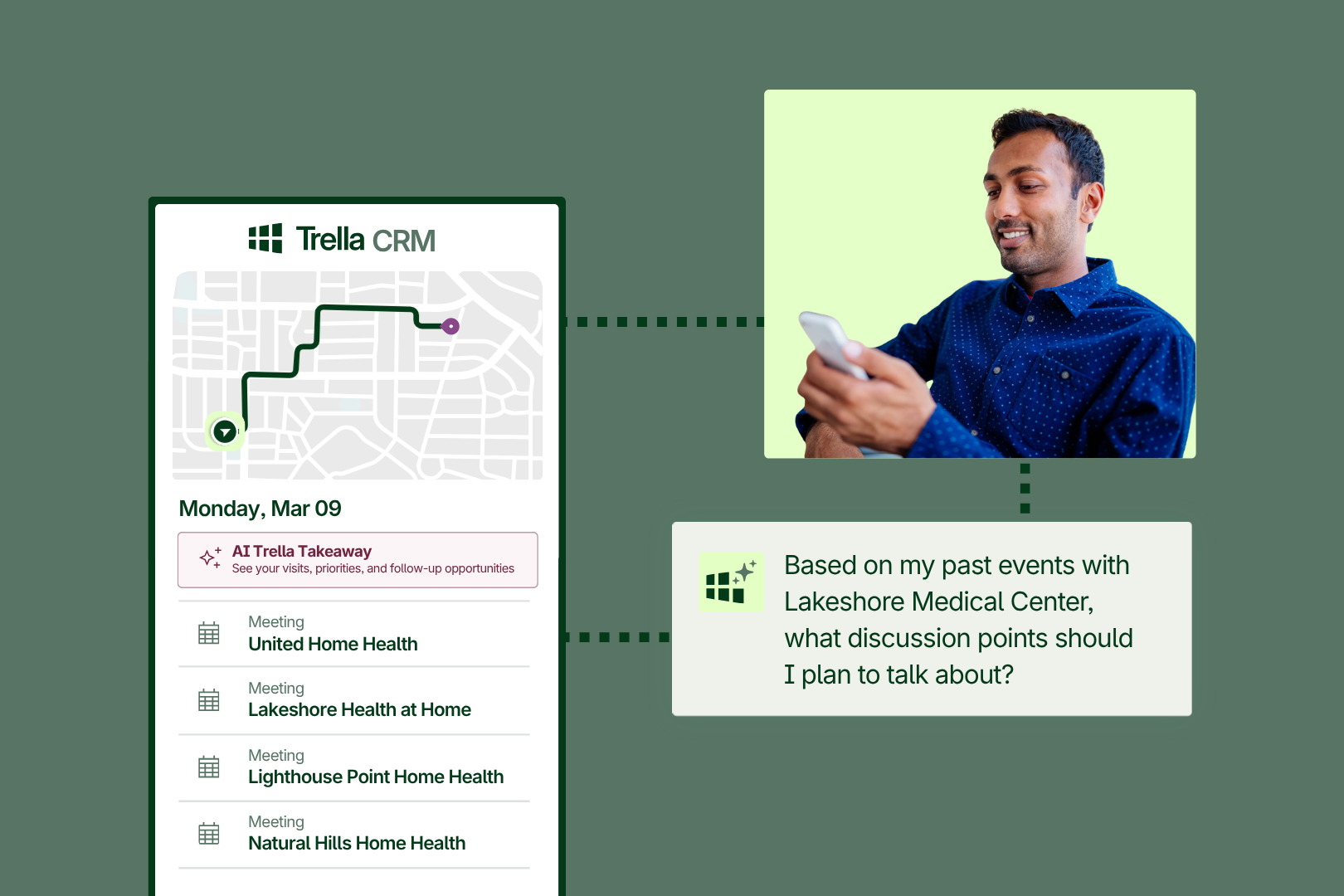
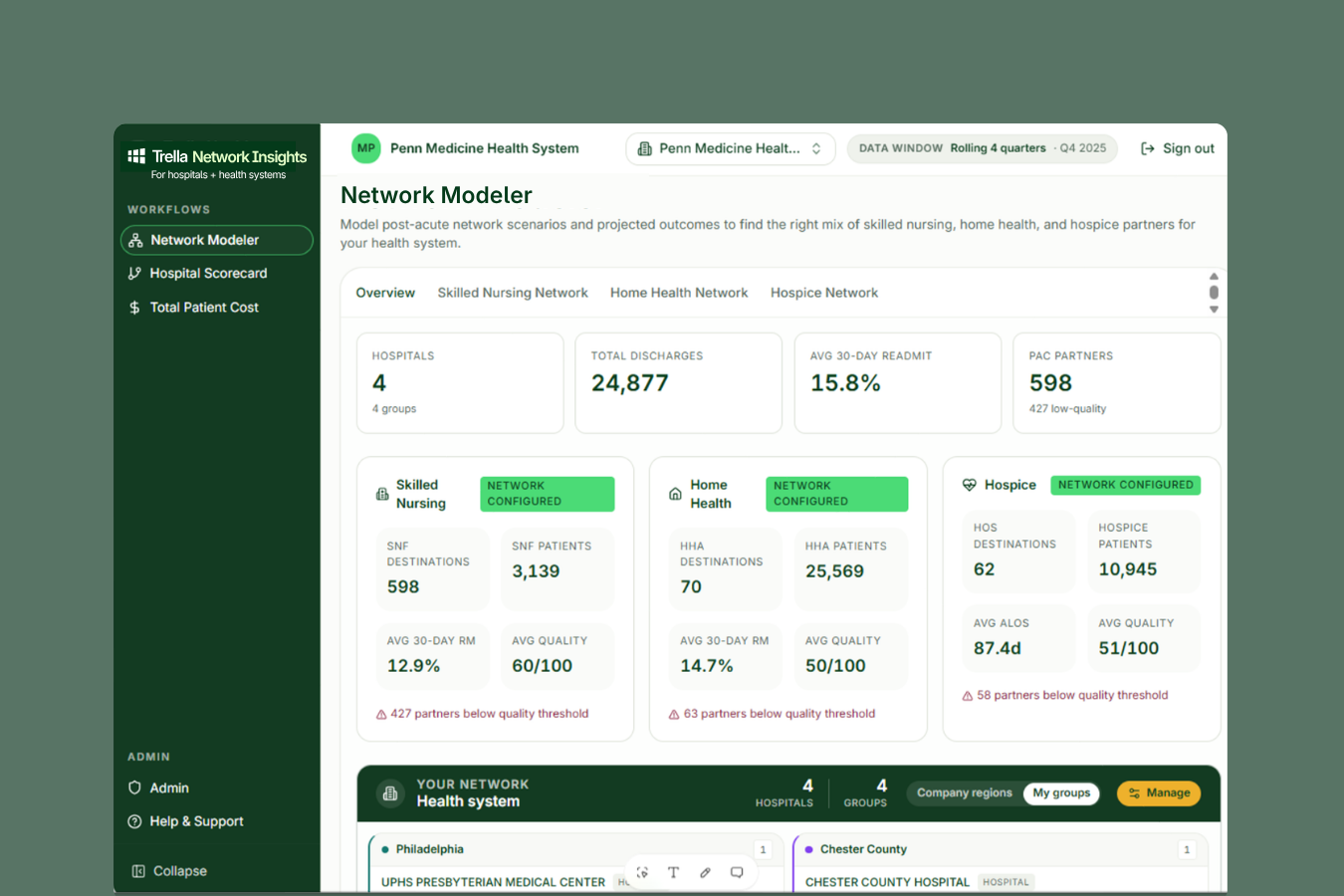
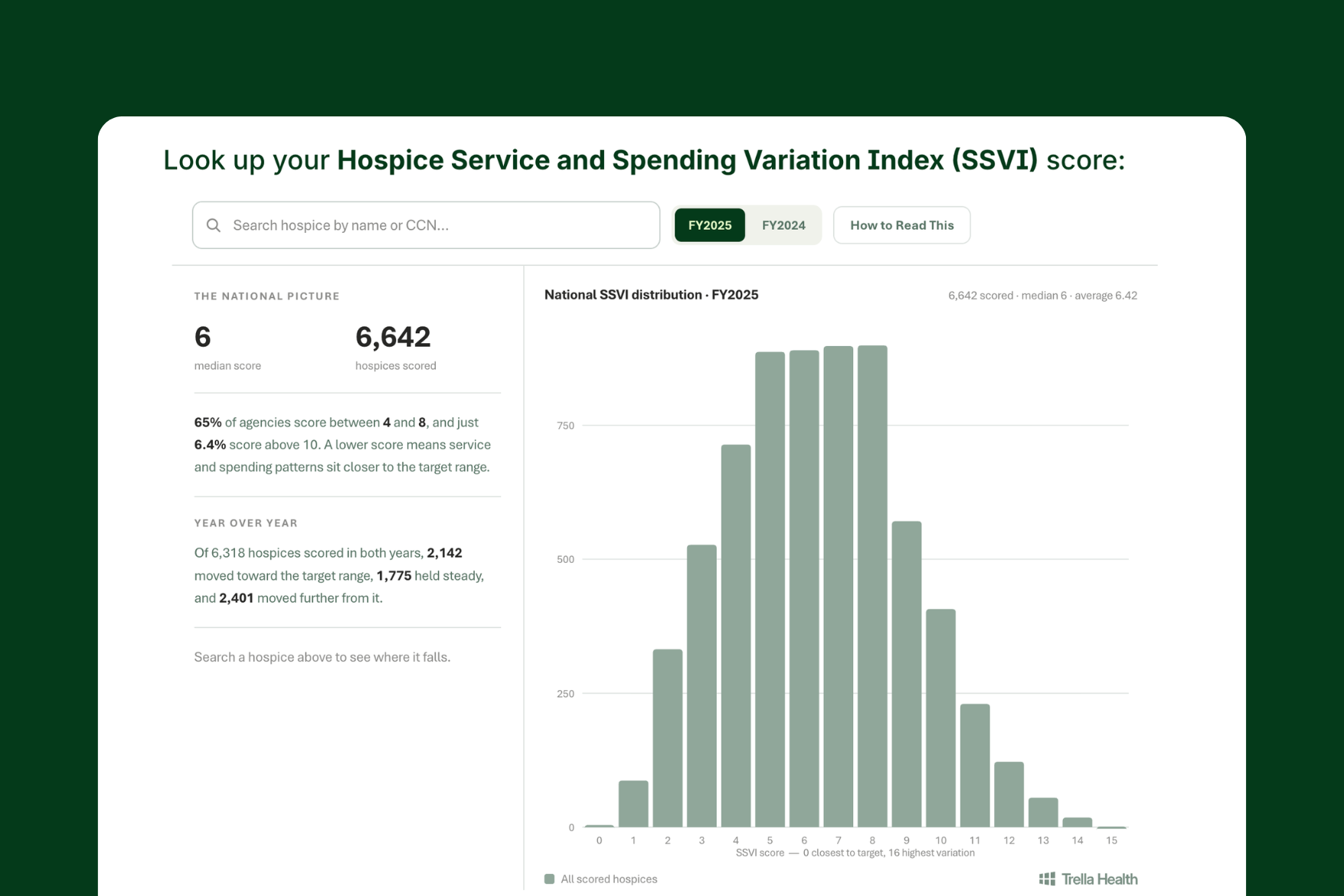
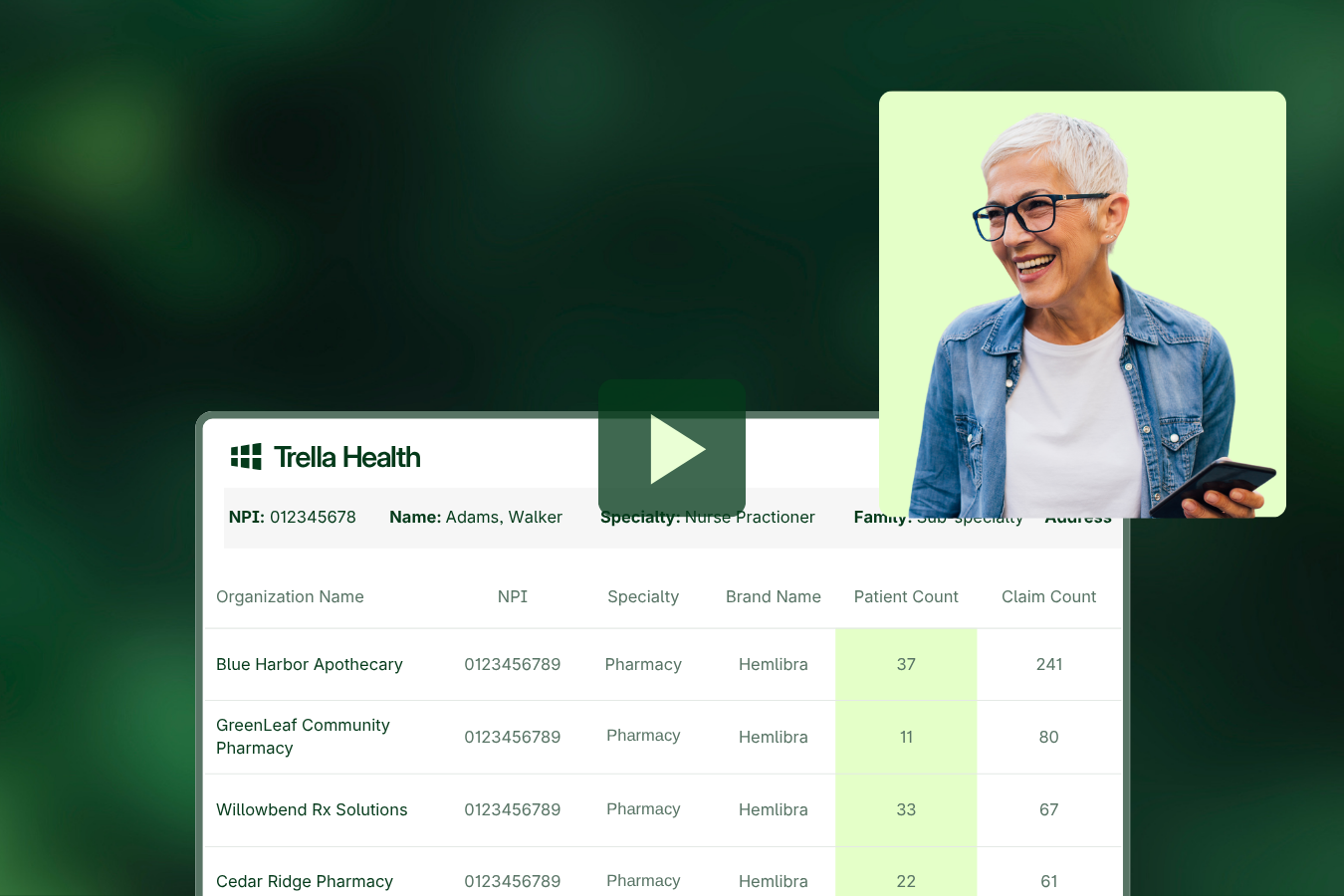
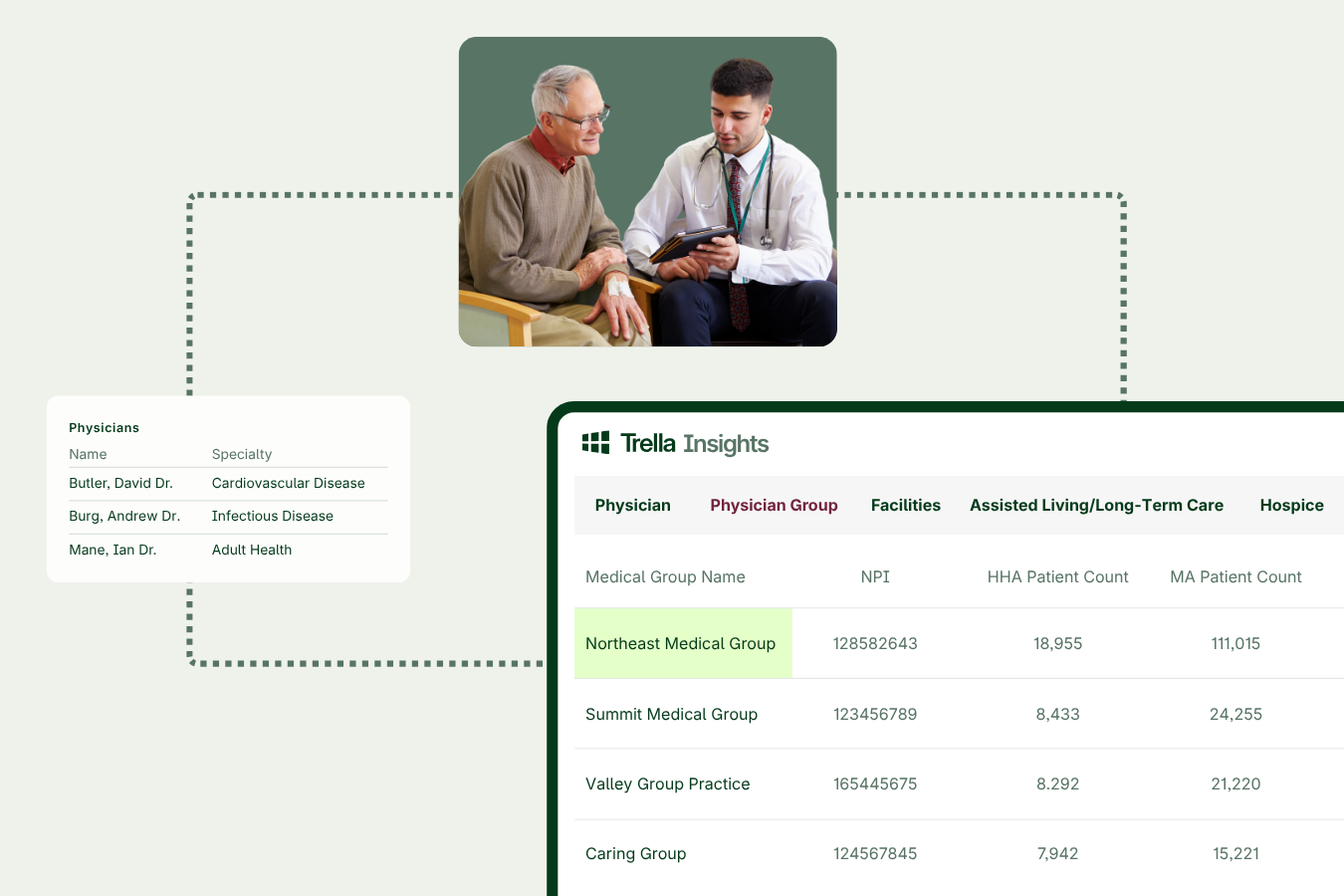
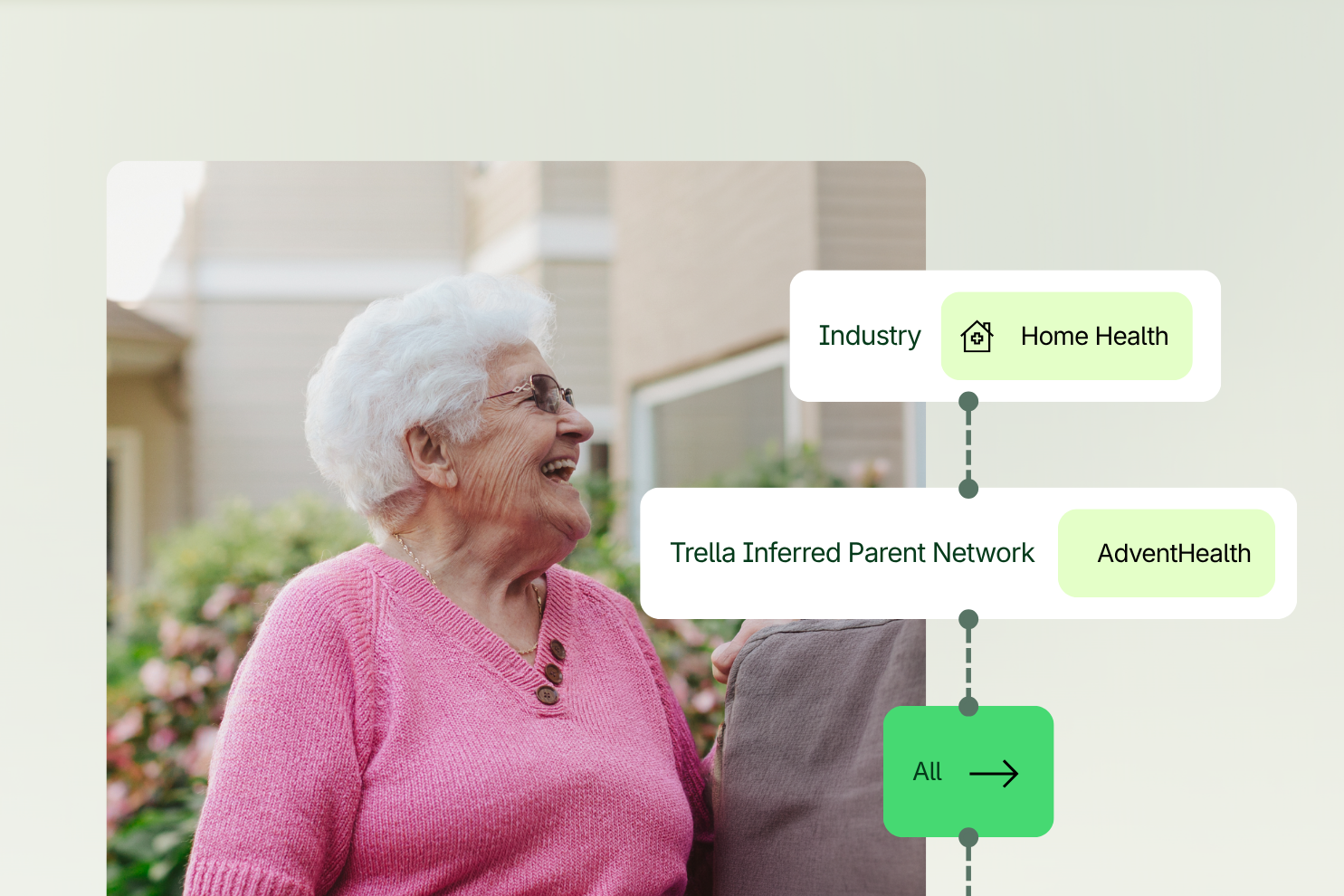
Trella Health helps organizations bring market, payer, referral, and performance intelligence into focus. With Trella Insights and Trella CRM, teams can identify high-value opportunities, prioritize the right payer and referral relationships, benchmark performance, and align outreach with strategic growth goals.
For providers navigating a more competitive and accountable healthcare market, Trella Health helps turn complexity into confident, data-driven action.
See how Trella Health helps post-acute organizations prioritize payer relationships, strengthen negotiations, and compete with confidence.