
Trella Health Blogs
Explore expert insights, market-leading reports, and practical strategies powered by the healthcare intelligence trusted by leading organizations across the care continuum — helping teams make smarter decisions and drive healthier outcomes.

Blog
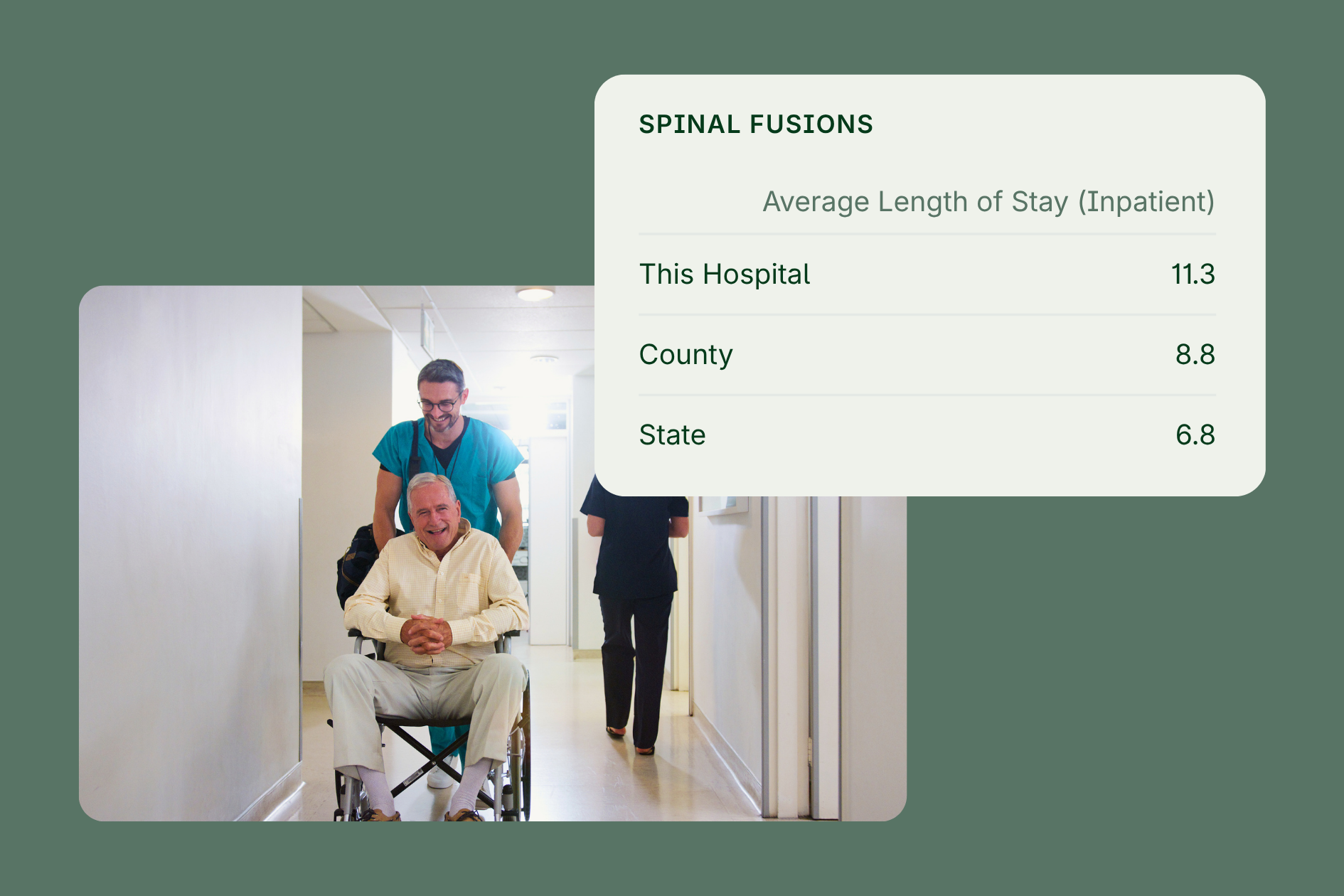
The Hidden Work Behind a Shorter Length of Stay
A care manager sends a referral to a skilled nursing facility that looks like a perfect fit. It is in network, it has a bed, and it takes the patient’s Medicare Advantage plan. Except the facility dropped that plan in July, and the bed was filled on Tuesday. The referral is declined. The next one […]
Read More 
Blog
How AI Is Changing CRM Operations
AI is turning the CRM from a place reps log activity into a tool that tells them what to do next. For post-acute sales teams, that shift means less time digging through notes and more time in front of referral sources. Ask any home health, hospice or skilled nursing liaison what slows them down, and […]
Read More 
Blog
Your CRM Now Works for You: How AI Is Helping Referral Teams…
Your CRM already holds years of account history. The problem is that your reps still have to dig for it. In our recent webinar, How AI Is Reshaping Sales Workflows: A More Proactive Approach to Referral Growth, Trella’s Anthony Trosky, Director of Product for CRM, and Josh Price, Senior Solutions Engineer, showed how AI Assist […]
Read More 
Blog
What a Measured Post-Acute Network Is Actually Worth
Post-acute care is where a well-run inpatient episode either holds together or quietly comes apart. In our recent webinar introducing Trella Network Insights, Stephanie Orosz (Solution Engineer), Meredith Posivak (Senior Director of Product), and Deborah Karn Calvy (Senior Advisor, Clinical Strategy) walked health system leaders through why post-acute network performance belongs on the executive agenda […]
Read More 
Blog
The State of Home Infusion in 2026: Growth, Tailwinds, and the Gaps…
Home infusion is entering one of the most consequential stretches in its history. Clinical innovation, payer economics, and demographics are all pushing therapy out of the hospital and into the home, and 2026 is shaping up to be an inflection point. For infusion providers, the opportunity is real and expanding but capturing it will take […]
Read More 
Blog
Why a High-Performing Post-Acute Network Is No Longer Optional
Webinar recap: Building a High-Performing Post-Acute Care Network For years, post-acute care was something that happened after the hospital’s job was done. That framing has quietly become one of the most expensive assumptions in health care. In a recent Trella Health webinar, Solution Engineer Stephanie Orosz was joined by Deb Karn Calvy, a career nurse […]
Read More 
Blog
The Enrollment Freeze: How to Demonstrate Performance as Fraud Scrutiny Intensifies
The regulatory environment for hospice and home health just changed in a way few leaders can afford to ignore. In May 2026, CMS imposed a six-month nationwide moratorium pausing new hospice and home health agency enrollments, and paired it with an aggressive, data-driven crackdown on fraud. With Medicare hospice spending reaching roughly $30 billion in […]
Read More 
Blog
What Value-Based Care Means for Post-Acute Providers in 2026 and Beyond
Medicare Advantage has settled into a stable majority, post-acute volumes have leveled off, and now that episode-based accountability is live, outcomes have become the currency of every contract. Here is what the latest data says post-acute leaders should prepare for over the next three years. For most of the last decade, value-based care in post-acute […]
Read More 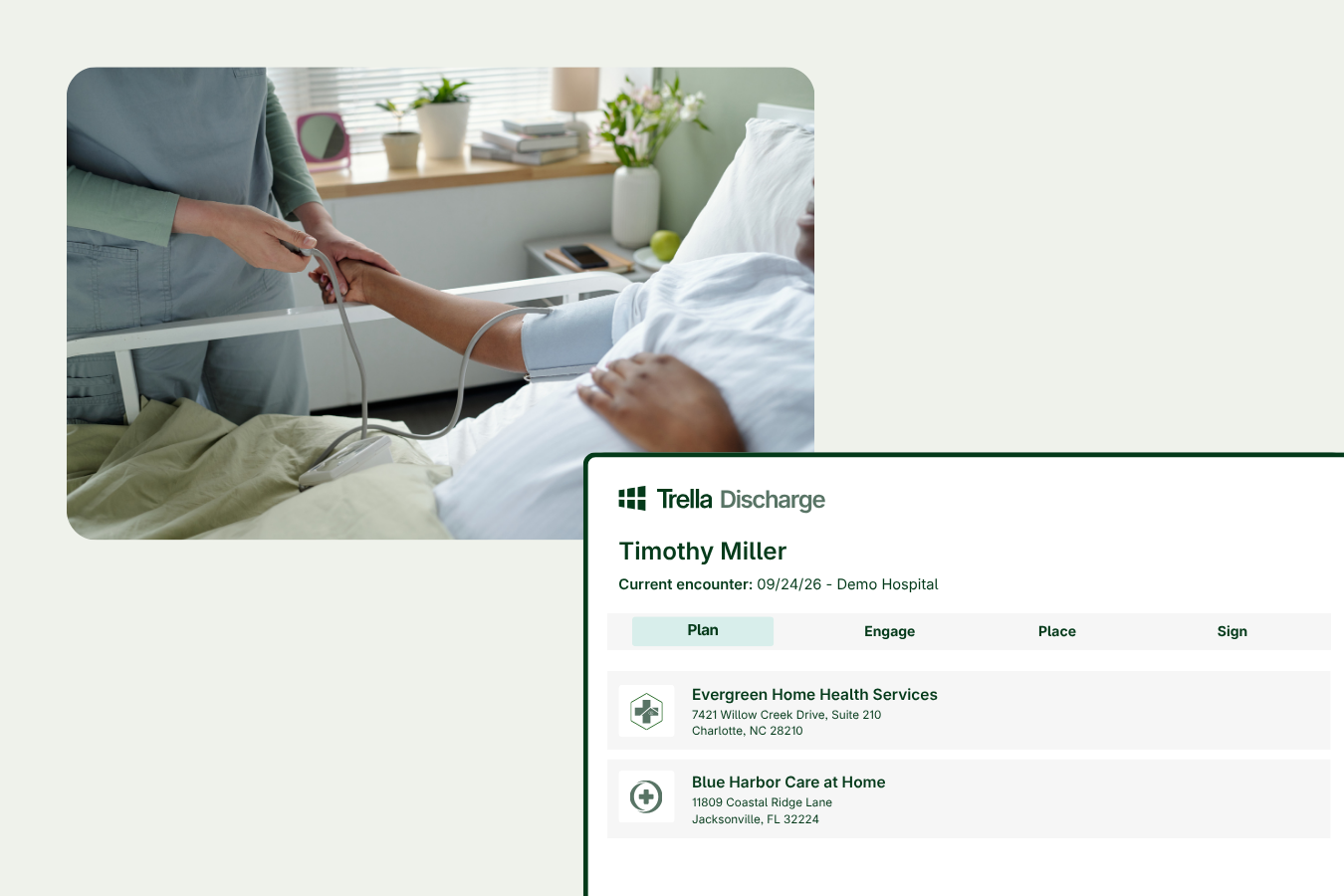
Blog
Turning LTCH Complexity into Competitive Advantage Combining Market Intelligence and Care Transition…
For long-term acute care hospitals (LTCH), stronger referral alignment, smoother care transitions, and better post-acute visibility can turn complexity into competitive advantage and successful patient outcomes. LTCHs care for some of the most medically complex patients across the continuum, making timely, well-aligned referrals essential to connecting the right patient with the right level of care. […]
Read More 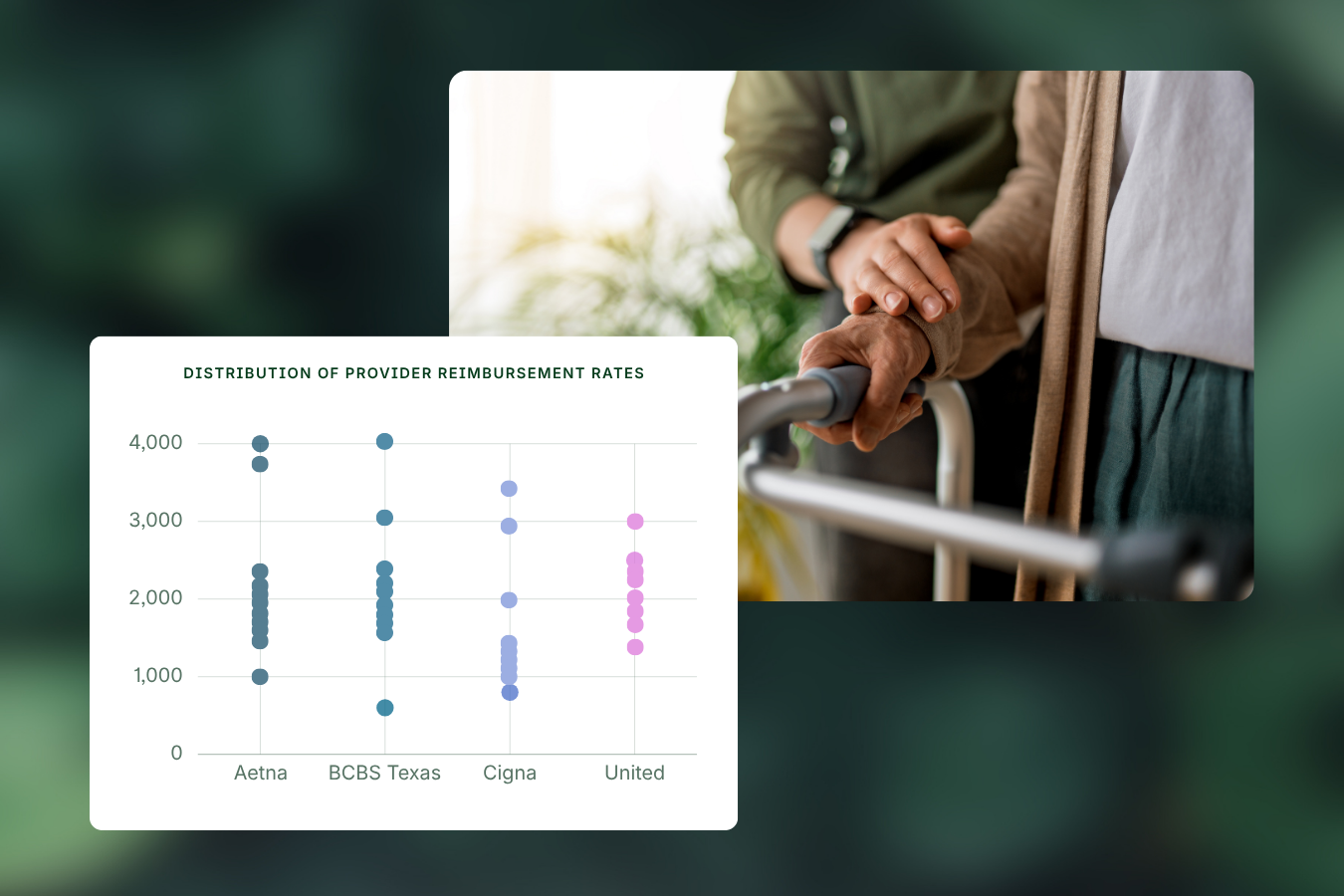
Blog
One Provider, Many Scorecards: Operating in a Payer-Specific VBC World
Value-based care entered post-acute care as a broad strategic concept. It is now operationalized as a fragmented reality. A home health agency, hospice provider, skilled nursing facility, or other post-acute organization may participate in multiple relationships with Medicare Advantage plans, ACO partners, commercial payers, and health system networks. Each relationship can carry different performance expectations, performance metrics, reporting cadences, and definitions of value. CMS has acknowledged that providers often report different […]
Read More 
Blog
The Move to Mandatory Episodes: What CMS’s FY 2027 inpatient rule signals for…
On Friday, July 31, 2026, CMS finalized its FY 2027 inpatient hospital payment rule. Buried in the usual mix of rate updates and quality-program tweaks is a policy that deserves the industry’s full attention: CJR-X, a nationwide, mandatory, episode-based payment model for joint replacements. Taken together with the rule’s other provisions, it suggests that episode-based accountability continues to move from selected markets toward broader mandatory participation and that […]
Read More 
Blog
The New Referral Landscape: Strategies for Growth Amid Today’s Market Headwinds
Post-acute providers are navigating a market unlike any in recent memory. In our recent webinar, Trella Health’s Jess Chew (EVP of Growth), Natalie Deckbar (Director of Sales), and Josh Price (Senior Solution Engineer) unpacked what they’re hearing from providers across the country, and where the teams pulling ahead are finding growth. Four themes stood out. […]
Read More