
Medicare Advantage has settled into a stable majority, post-acute volumes have leveled off, and now that episode-based accountability is live, outcomes have become the currency of every contract. Here is what the latest data says post-acute leaders should prepare for over the next three years.
For most of the last decade, value-based care in post-acute settings was a direction of travel, something to prepare for. In 2026, it is the operating environment. After years of pandemic-era whiplash, the market has settled: Medicare Advantage holds a stable majority, fee-for-service volumes have stopped falling, and a new episode-based payment model has gone live. The question is no longer how to survive decline, but how to win on measured outcomes.
The latest data tells a story of stabilization, not upheaval, and that changes the strategic problem. When volumes were collapsing, the priority was defense. Now that they’ve leveled off, the advantage shifts to providers that can measure their outcomes, prove them to payers, and coordinate care across settings. Those that can’t will still feel the squeeze: flatter rates, narrower networks, and referral partners under their own accountability pressure.
See the full data behind the post-acute shift
The market has reached a stable majority
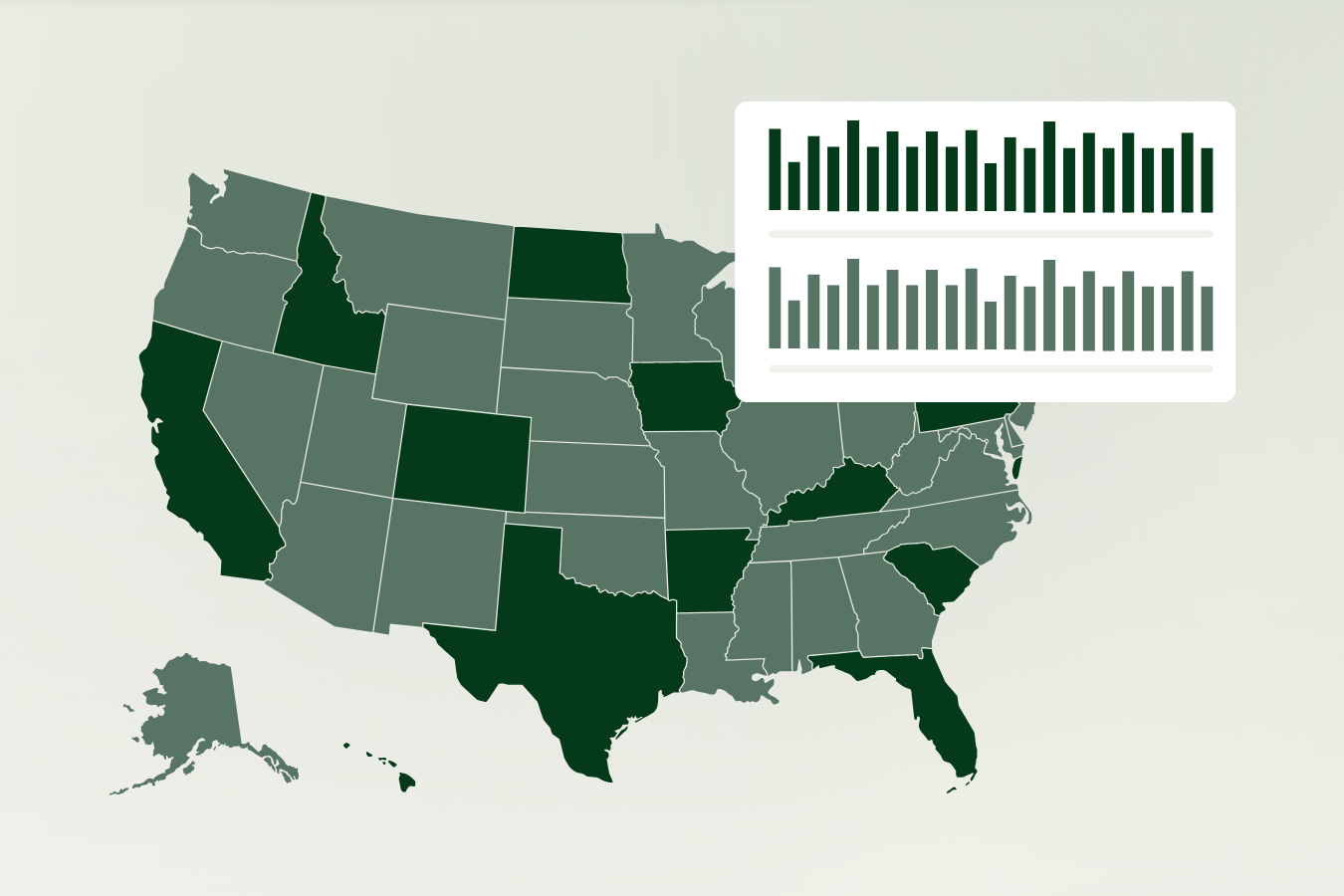
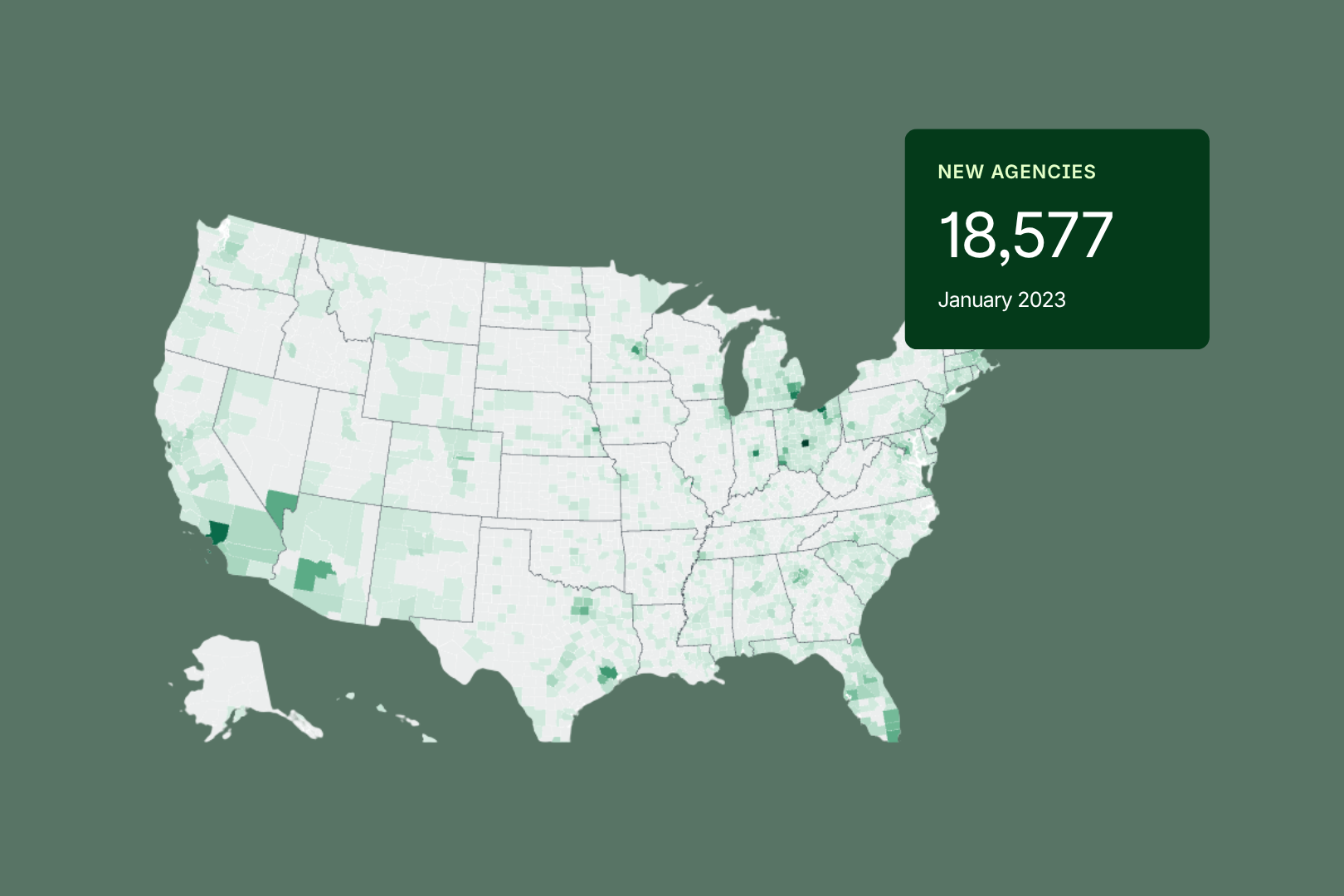
As of January 2026, 55.4% of Medicare-eligible beneficiaries were enrolled in a Medicare Advantage plan, up from 54.7% in 2024, and 30 states have passed 50% penetration. But the pace has clearly cooled. After nearly two decades of steady climbs, MA penetration is now inching rather than leaping, and fee-for-service enrollment has stopped shrinking, holding near 28 million. The long-run shift is still unmistakable (MA penetration has risen almost 19 points since 2017), but the era of relentless double-digit MA growth has given way to a plateau.
The plan mix also delivered a surprise. The prior year’s story was PPO enrollment surging while HMO growth stalled, a quiet headwind for home health, since PPO enrollees historically use home health at lower rates. In 2025 that gap closed: PPO and HMO enrollment grew at the same 6.4% pace, after PPO expanded roughly 19% the year before. The composition shift toward PPO plans is real and worth watching, but it is no longer accelerating. Agencies should treat plan mix as a market-by-market variable to monitor, not a national alarm.
What value-based care actually asks of providers now
Value-based care is easy to say and expensive to build. In practice, it asks post-acute organizations to do four things well at once: coordinate transitions across settings, integrate social determinants of health into care planning, align internal quality frameworks to payer-specific and CMS metrics, and monitor performance in something close to real time. None of these is a one-time project. Together, they represent a cultural shift from volume-driven productivity to longer-term value creation.
“The more we know about the challenges [hospitals] have with access to care, the easier it is for us to build a model that’s actually functional in a value-based environment.”
– Carolyn Wheat, VP of Business Development, Well Care Health
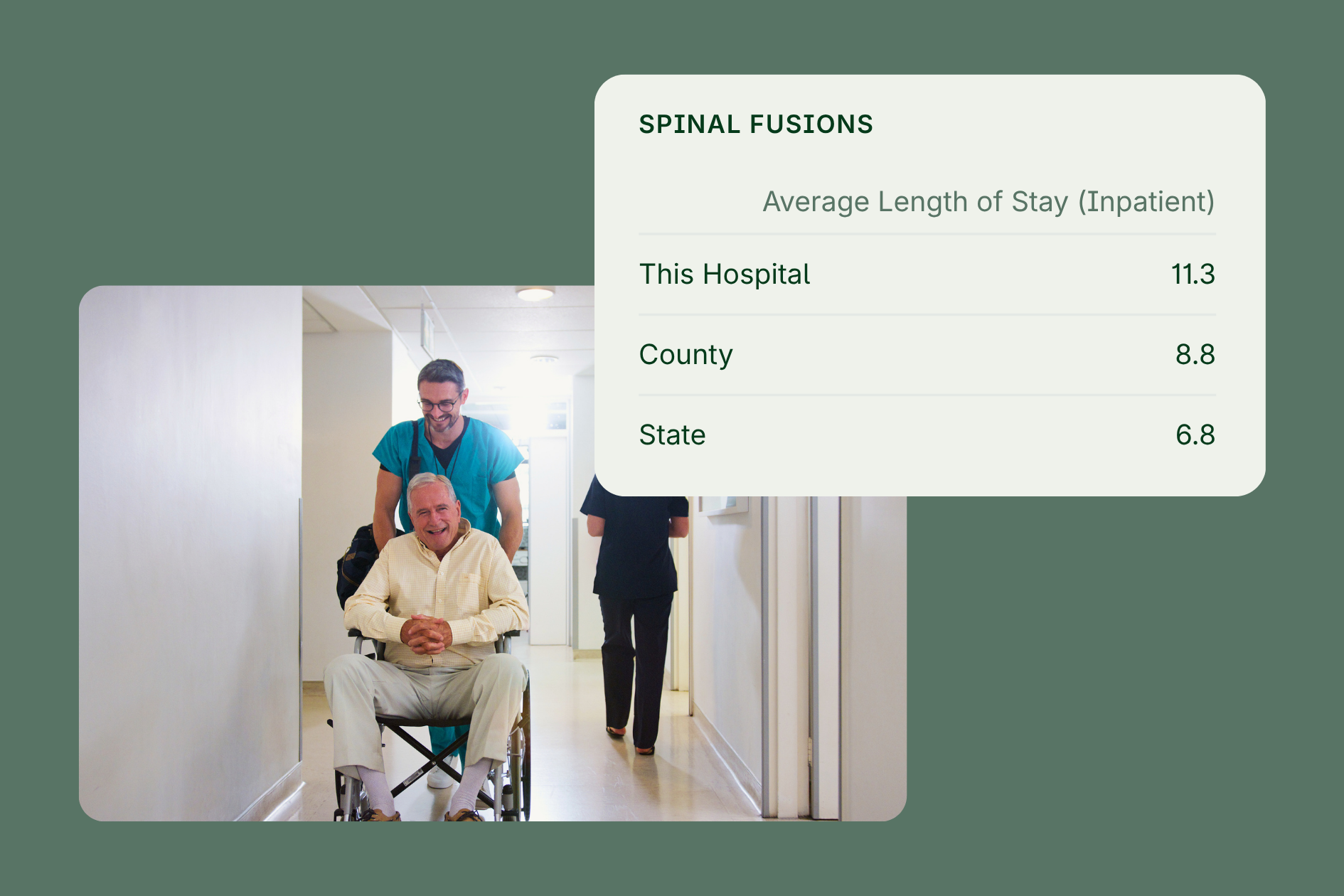
The good news is that the return on that investment is measurable, and the newest data makes the case sharper than ever. In the surgical episodes now governed by CMS’s episode-payment model, patients discharged to home health had a 30-day readmission rate of roughly 7.4%, compared with about 15% for those discharged to skilled nursing. Different patients, different acuity, but the gap is exactly the kind of evidence that reshapes where hospitals send their patients when they own the outcome.
Outcomes, in other words, have become a business metric, not just a clinical one, and so has the ability to prove them. The providers pulling ahead treat their data infrastructure (care coordination, quality reporting, risk stratification) as the foundation that makes every payer conversation possible.
Setting by setting: where the pressure is landing
Home Health: The decline has halted, now defend the ground
Home health’s multi-year admissions slide finally flattened. FFS admissions were essentially unchanged year over year in 2025, up a fraction of a percent after annual declines, and home health’s share of fee-for-service inpatient discharge instructions held steady at 22.6%. National utilization remained stable near 25%, but the state-level range is enormous: roughly 25 points separate the lowest-utilization state from the highest. Layer on continued Medicare rate pressure (CMS finalized a 1.3% aggregate cut for 2026, far milder than the roughly 6% reduction the sector feared, but still the fourth straight year of permanent cuts), and the mandate is clear: with volume no longer eroding, the game is defending referral share by proving value, market by market.
Hospice: The growth story keeps accelerating
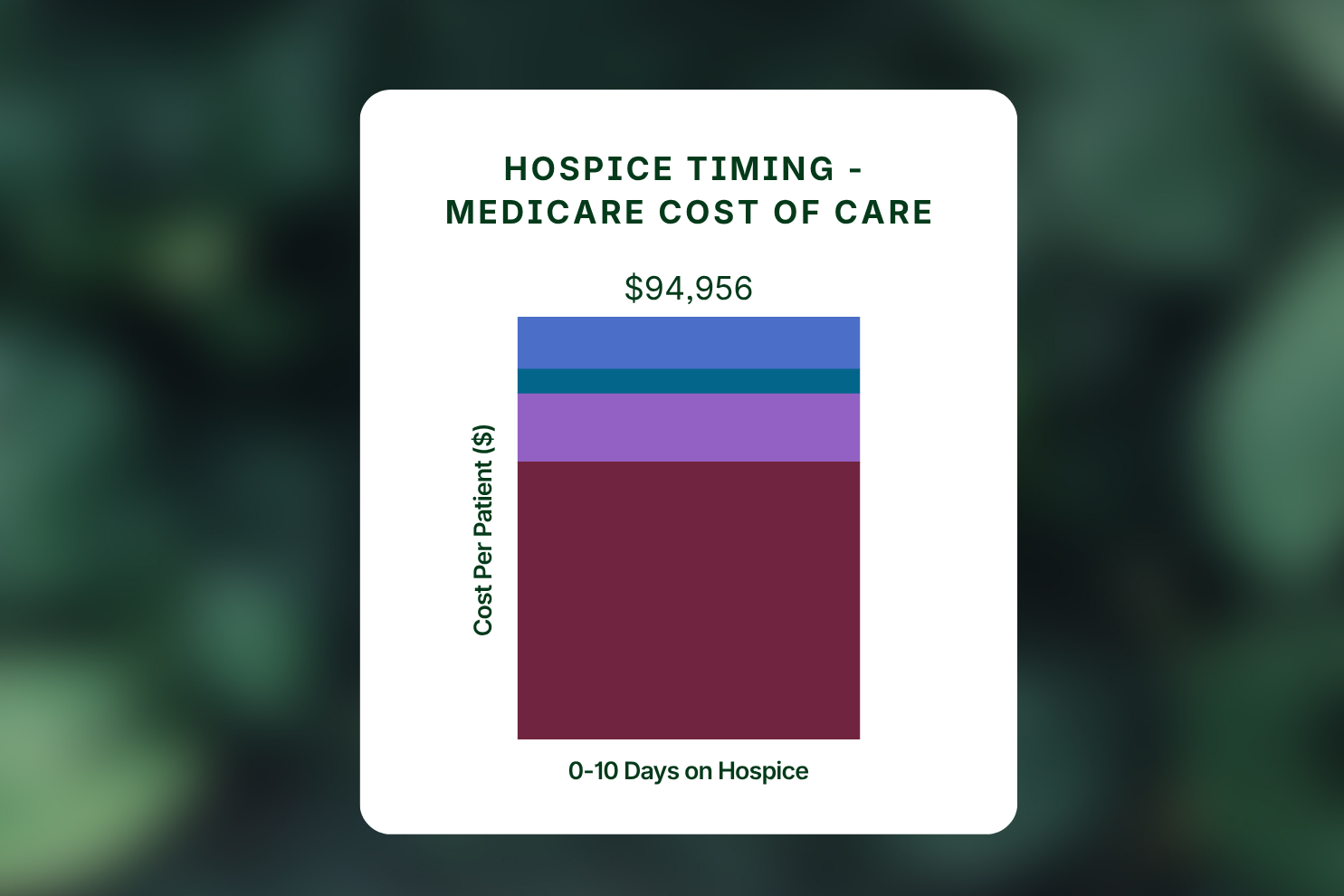
Hospice remains the sector’s standout. Admissions grew 4.4% in 2025, faster than the 3.7% gain the year before, and the share of Medicare deaths occurring on hospice climbed past 51%, extending its new position as the majority end-of-life pathway. Length of stay held steady in the low-60-day range, consistent with earlier referrals and rising awareness of the benefit. Yet utilization still ranges by roughly 40 points across states, from about 27% in New York to 67% in Utah. The demographic tailwind is powerful and durable, but converting it means demonstrating total-cost-of-care value to the Medicare Advantage plans now shaping the hospice landscape.
Skilled nursing: Stabilized, with MA as the engine
Skilled nursing turned a corner. After a sharp prior-year drop, FFS admissions ticked up about 1.5% in 2025, a genuine stabilization rather than another decline. Utilization held steady near 23%, though the state-level range remains stark, from roughly 8% in Alaska to nearly 30% in Connecticut. Medicare Advantage continues to be the growth engine, which is exactly why documenting a clear role in reducing readmissions matters: it’s the argument that turns an MA contract from a rate-taker into a partner.
See the full data behind the post-acute shift
TEAM changes: who owns the outcome
The single biggest structural change of 2026 is now live. CMS’s Transforming Episode Accountability Model (TEAM) launched on January 1, 2026 as a mandatory, five-year program running through 2030. More than 700 acute care hospitals across 45 states are now accountable for the full cost and quality of applicable 30-day surgical episodes, including everything that happens in post-acute care after discharge.
That accountability doesn’t stay inside the hospital’s walls. It flows directly to the providers those hospitals discharge to. The stakes vary by procedure: joint replacement is the highest-volume episode and averages roughly $30,000 in 30-day cost with an 8% readmission rate, while coronary bypass runs above $50,000 per episode and major bowel procedures carry the highest readmission rate at over 12%. When a hospital owns that 30-day episode, its post-acute partners become instruments of its financial performance, which makes efficiency, low readmissions, and clean transitions the qualifications for staying in the network.
This is where the discharge decision becomes a competitive advantage. Across TEAM surgical episodes, home health discharges carried a 30-day readmission rate around 7%, versus roughly 15% for skilled nursing discharges. The two serve different patients, but for the home health agency that can document appropriate, low-readmission outcomes, that contrast is a direct line into a hospital’s episode strategy. For post-acute organizations, TEAM converts a longstanding aspiration into an immediate opportunity: demonstrate value on readmissions, length of stay, and patient experience; offer transparency into outcomes; and target relationships with hospitals in mandatory participation markets before competitors do. The hospitals under pressure are actively looking for downstream partners who can help them hit their targets. That’s a door that’s open right now.
What to expect over the next three years
Extrapolating from the trend lines, and the policy already in motion, here is where the next three years point for post-acute providers.
2026: The MA majority holds, and plan mix becomes a local question
With penetration plateaued near 55% and PPO and HMO growth converging, the national headlines matter less than what’s happening market by market. Providers that rely on national benchmarks may misread their own territories; local, plan-level intelligence becomes the difference between chasing volume and defending it.
2026–2027: Episode accountability becomes the norm, not the exception
TEAM is the leading edge, not the whole wave. As hospitals absorb episode risk, they will consolidate post-acute referrals around a smaller set of high-performing partners. Preferred-network status will be earned with outcomes proven with data, and the providers who invest early in outcome reporting will lock in relationships before the networks narrow.
2027: Adherence and readmissions become contract currency
The home-health-versus-SNF readmission gap in TEAM episodes is a preview. Expect payers and risk-bearing hospitals to write outcome expectations directly into agreements, and reward the providers who can prove them. Quality reporting stops being compliance overhead and becomes a revenue lever.
2028: Margin discipline separates the field
Continued FFS-to-MA migration, ongoing rate pressure, and rising labor costs will keep margins thin. The organizations that thrive will be those that paired operational efficiency with a credible value story, turning accountability from a threat into a competitive moat.
See the full data behind the post-acute shift
Build your value-based strategy on better data
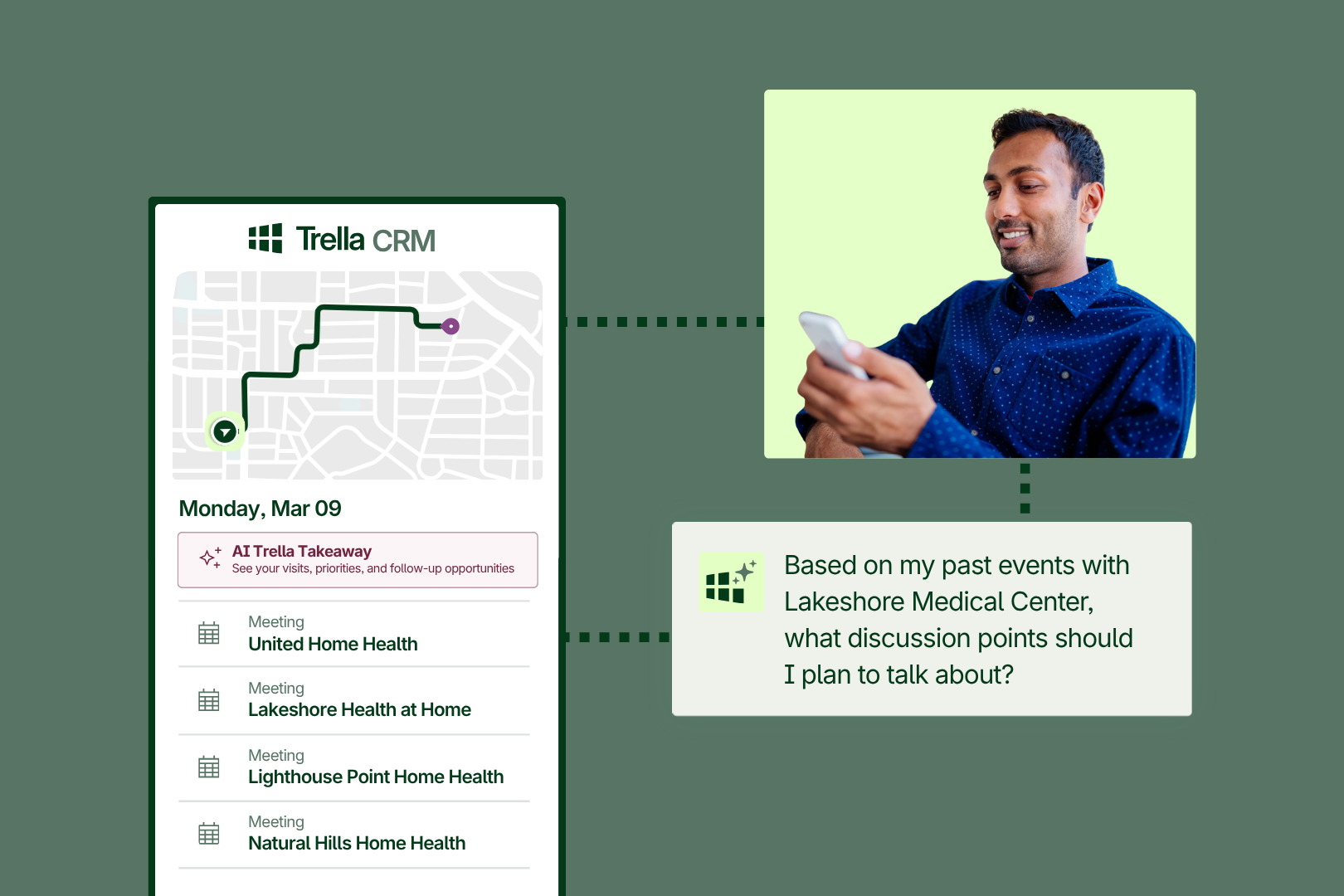
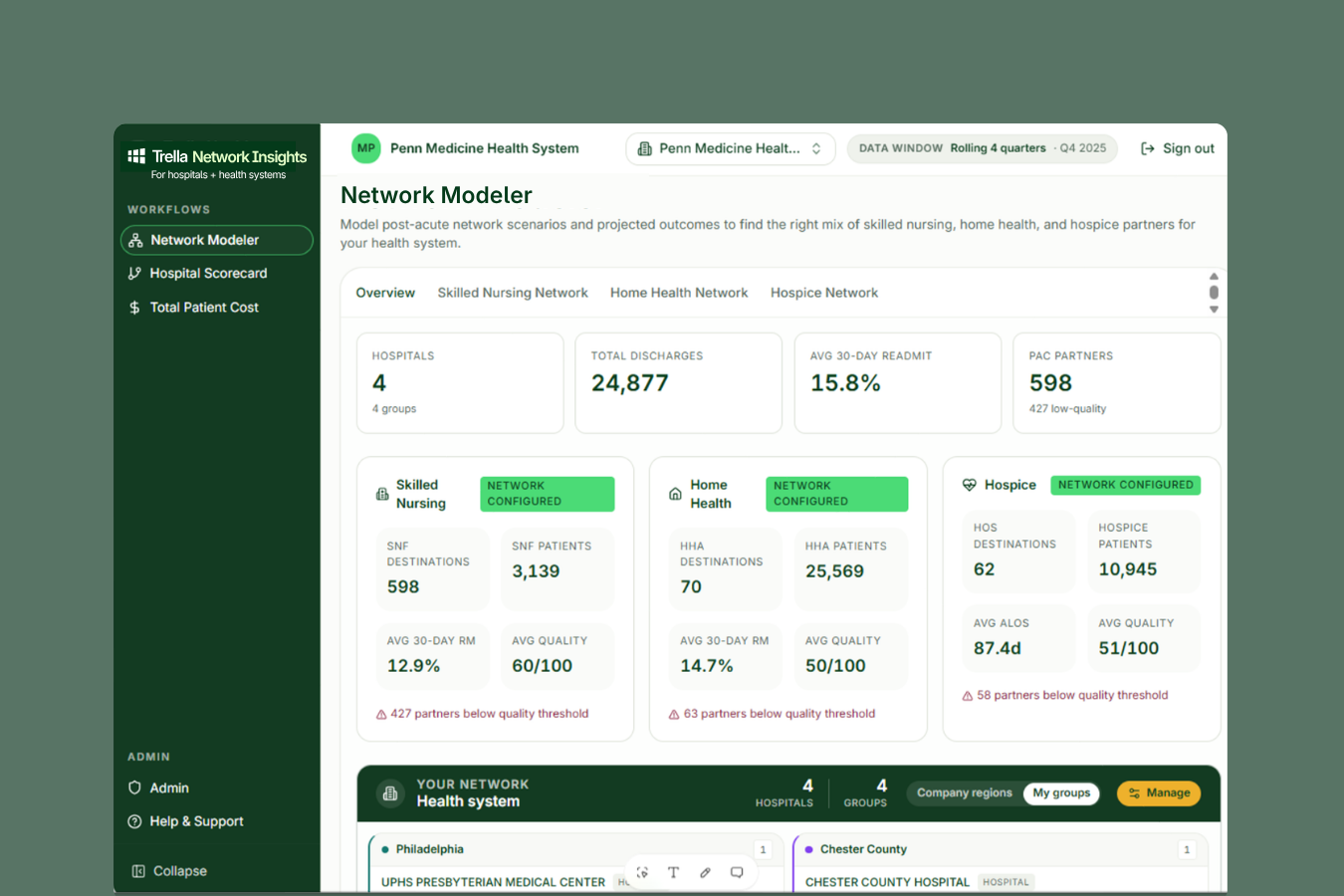
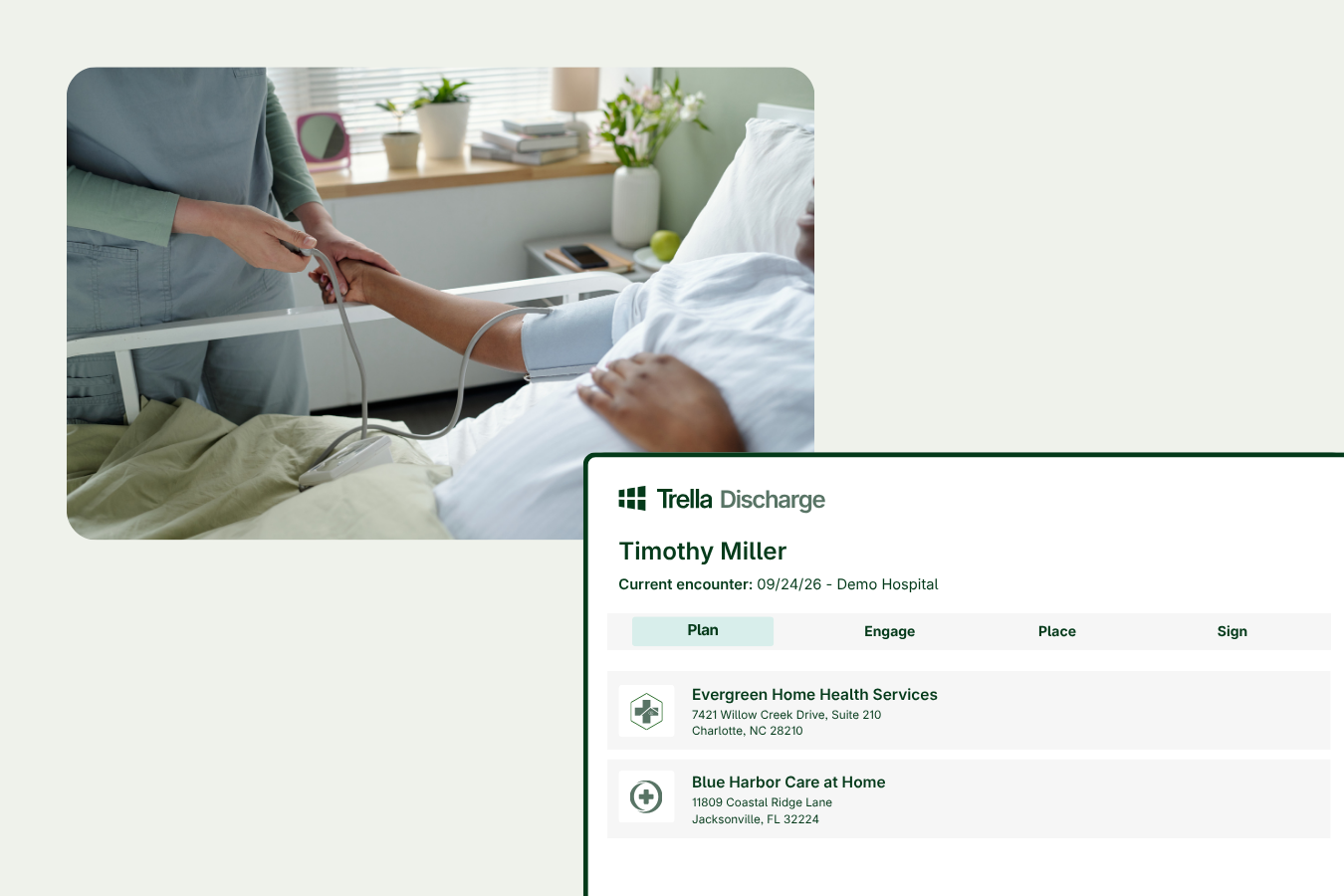
The providers who win the next three years will be the ones who can see their markets clearly: which plans dominate, which hospitals face episode risk, and where their outcomes give them an edge. Trella Health’s market intelligence and purpose-built CRM connect fragmented data into the insights that drive smarter referral, contracting, and growth decisions.
Request a demo of the Trella Health Platform.