
The regulatory environment for hospice and home health just changed in a way few leaders can afford to ignore. In May 2026, CMS imposed a six-month nationwide moratorium pausing new hospice and home health agency enrollments, and paired it with an aggressive, data-driven crackdown on fraud. With Medicare hospice spending reaching roughly $30 billion in FY 2025 and continuing to grow, program integrity is no longer a back-office compliance concern. It is a front-line business risk that touches growth, reputation, and cash flow.
For the overwhelming majority of agencies delivering high-quality care, this moment carries an uncomfortable irony: the scrutiny intended to remove bad actors also raises the bar for everyone. The agencies that thrive will be the ones that can demonstrate their performance and explain their utilization patterns with data, not just assert it.
What the Moratorium Actually Does
The moratorium, announced May 13, 2026, halts new initial enrollment applications and non-exempt changes in majority ownership for hospices and home health agencies nationwide. Applications submitted after the effective date are being denied outright. The moratoria do not affect existing Medicare enrollments, although existing providers remain subject to CMS’s broader program-integrity enforcement.
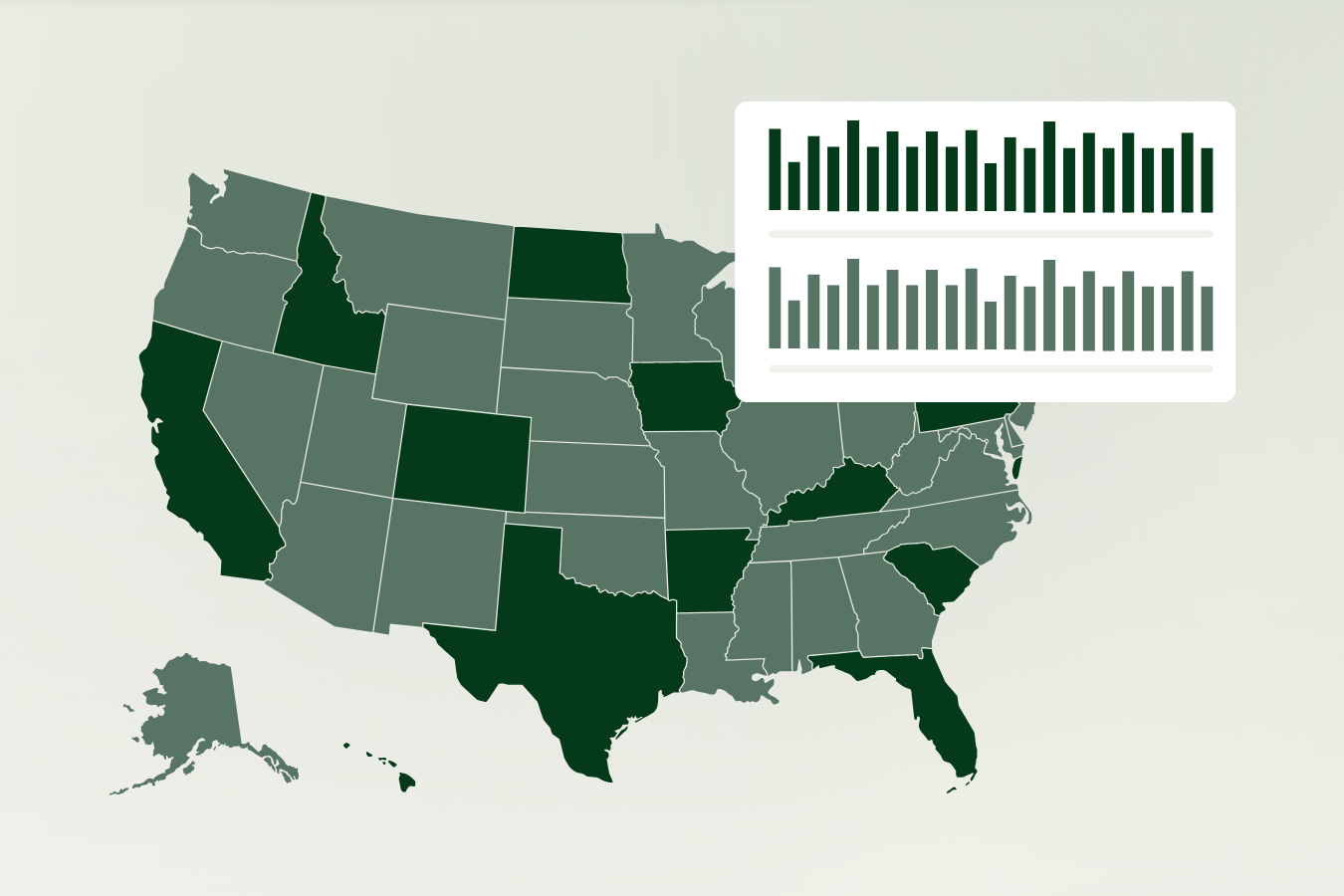
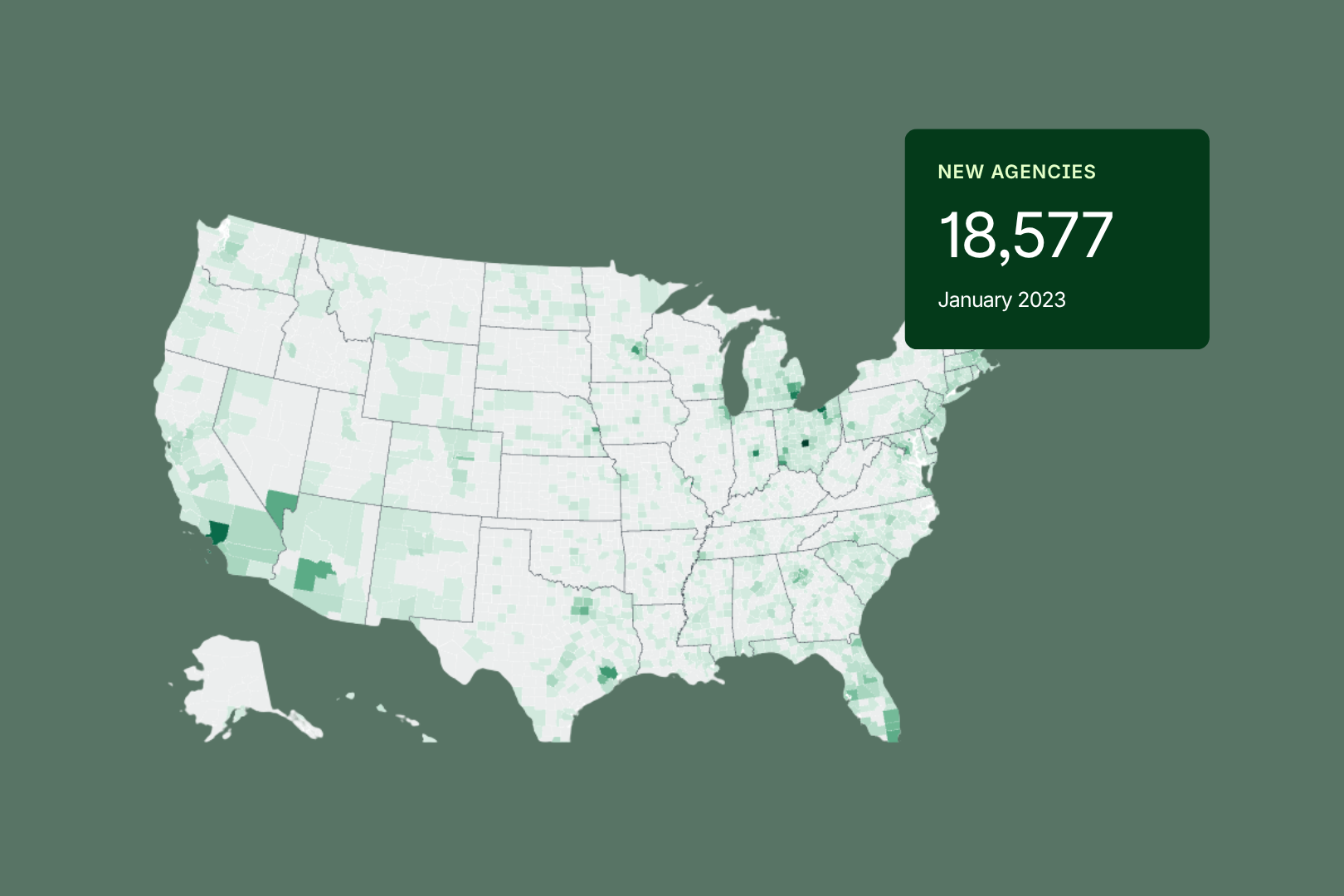
To support its actions, the agency cited elevated fraud risk in states including Arizona, California, Georgia, Nevada, Ohio, and Texas, where enrollment patterns raised red flags. The number of Medicare-enrolled hospices jumped 151% in Nevada and 126% in California between 2019 and 2023. By making the freeze nationwide rather than state-by-state, CMS closed a well-worn loophole: bad actors can no longer evade detection by simply shifting operations across state lines.
Alongside the freeze, CMS committed to intensified investigations, advanced data analytics, and faster removal of suspected fraudulent providers. In Los Angeles County alone, payments were suspended for 773 hospices and 23 home health agencies suspected of fraud, amounting to roughly $70 million.
Why Clean Providers Get Caught in the Dragnet
CMS increasingly uses predictive analytics to identify suspicious billing patterns and provider outliers. Its Fraud Prevention System generates and prioritizes leads that Unified Program Integrity Contractors (UPICs) and other program-integrity contractors can use to investigate potential fraud. An outlier alone does not establish wrongdoing, but unusual billing or utilization patterns can trigger greater scrutiny and further review.The metrics that trigger review are often ones an agency can watch on its own. Live hospice-discharge rate is oneexample. The national average sits between 17% and 19% An agency with a legitimate reason for an elevated rate, such as a specific referral mix or geography, can still land on an outlier list if it cannot contextualize its numbers. CMS has cautioned, however, that being an outlier on any single measure does not by itself indicate poor performance or improper conduct.
That is the crux of the challenge. In a data-driven enforcement environment, being clean is not enough. You must be able to see yourself the way the auditors see you and explain the story behind your numbers before someone else writes it for you.
The Shift from Defense to Proof
Most agencies still treat compliance as a reactive exercise: respond to the records request, assemble the documentation, defend the claim. That posture is increasingly untenable when enforcement is powered by analytics that surface outliers in real time.
The alternative is proactive proof. Leading agencies are turning the same kind of claims-based visibility that regulators use inward, benchmarking their own performance against national and market peers before a contractor ever comes knocking.
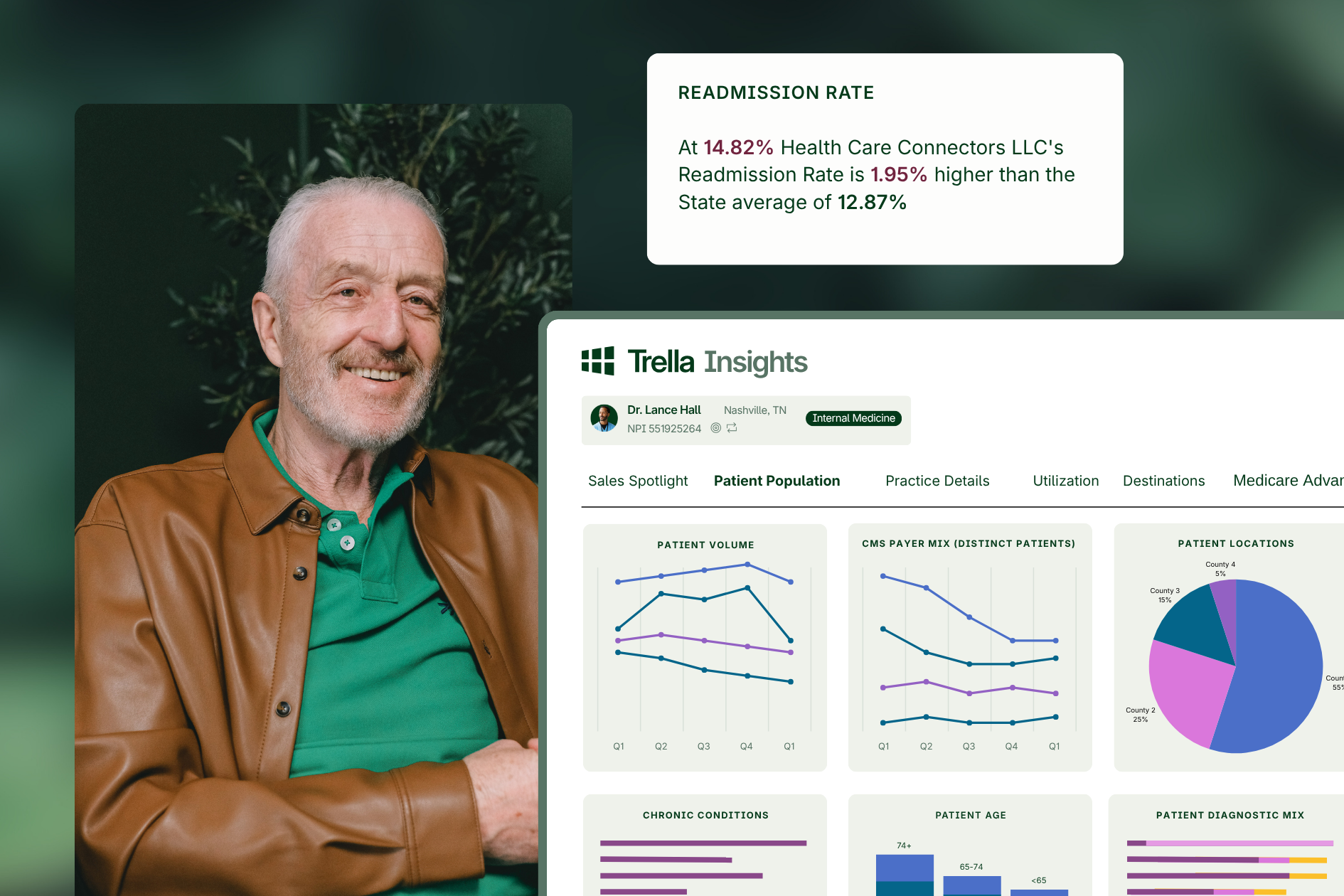
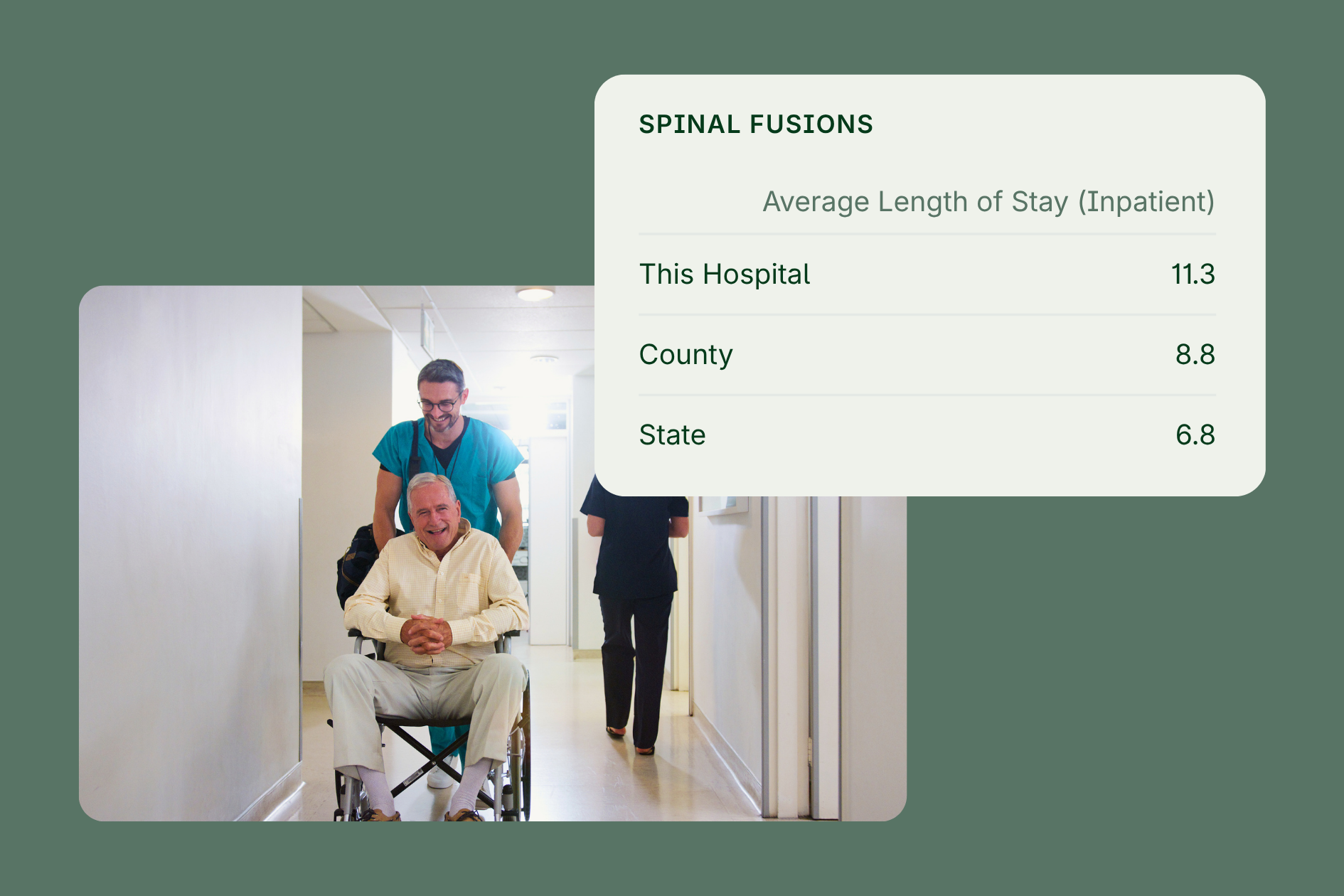
When you know exactly where your live discharge rate, length of stay, utilization, and diagnosis mix fall relative to the market, three things become possible. You can identify and correct genuine outliers early. You can document legitimate explanations for the outliers that remain. And you can walk into any conversation with a payer, referral partner, or auditor with evidence rather than assurances.
Where Data Becomes the Differentiator
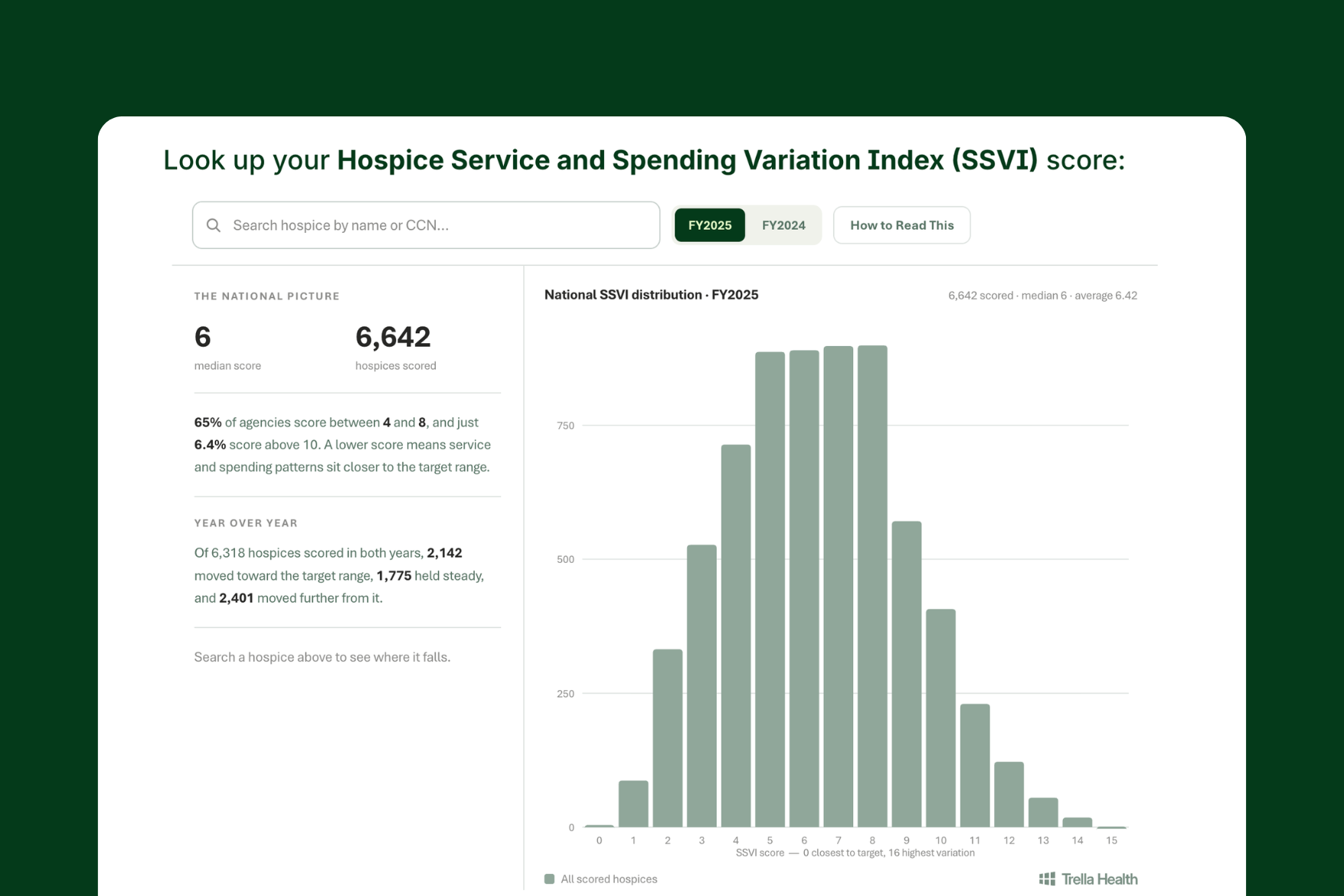
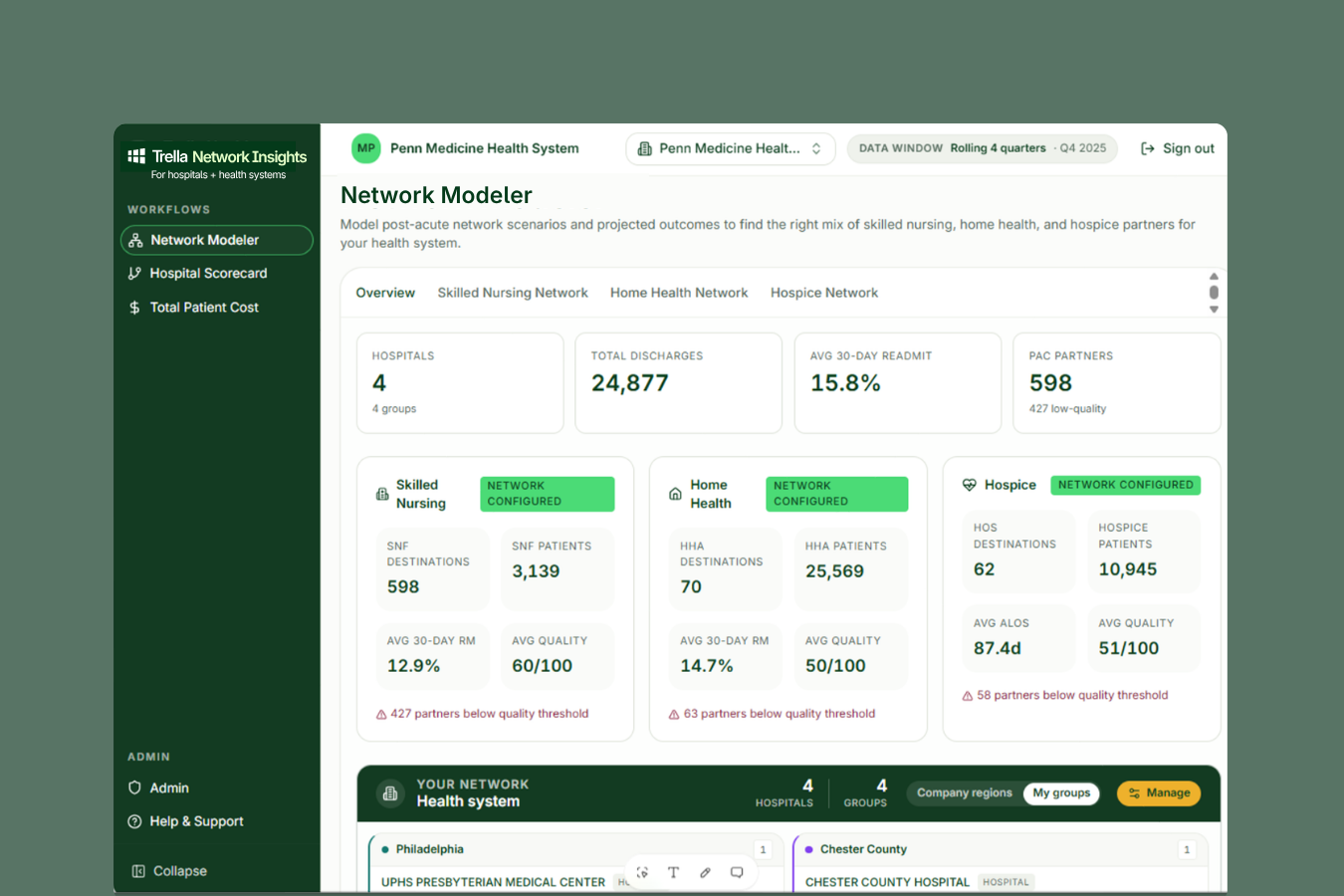
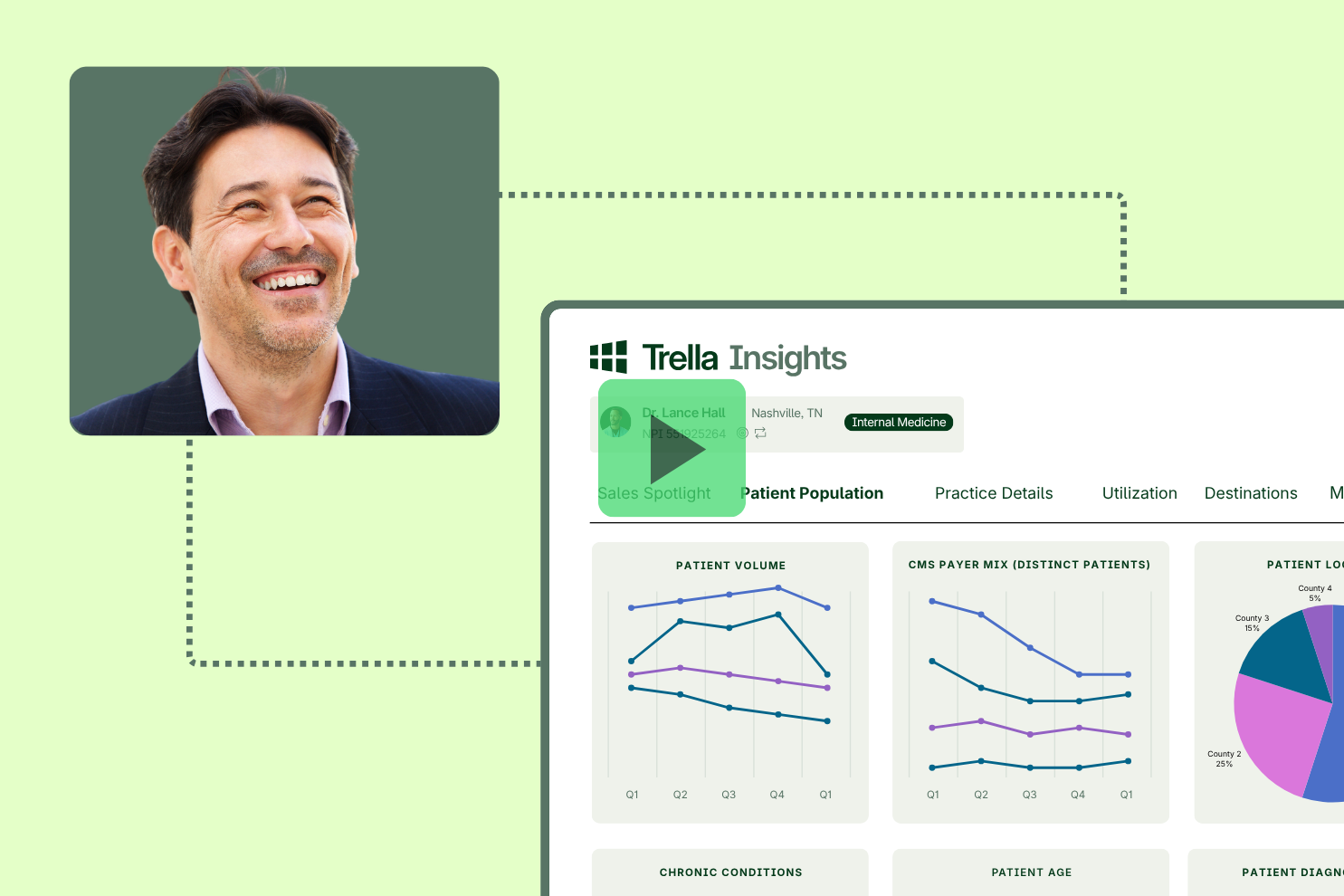
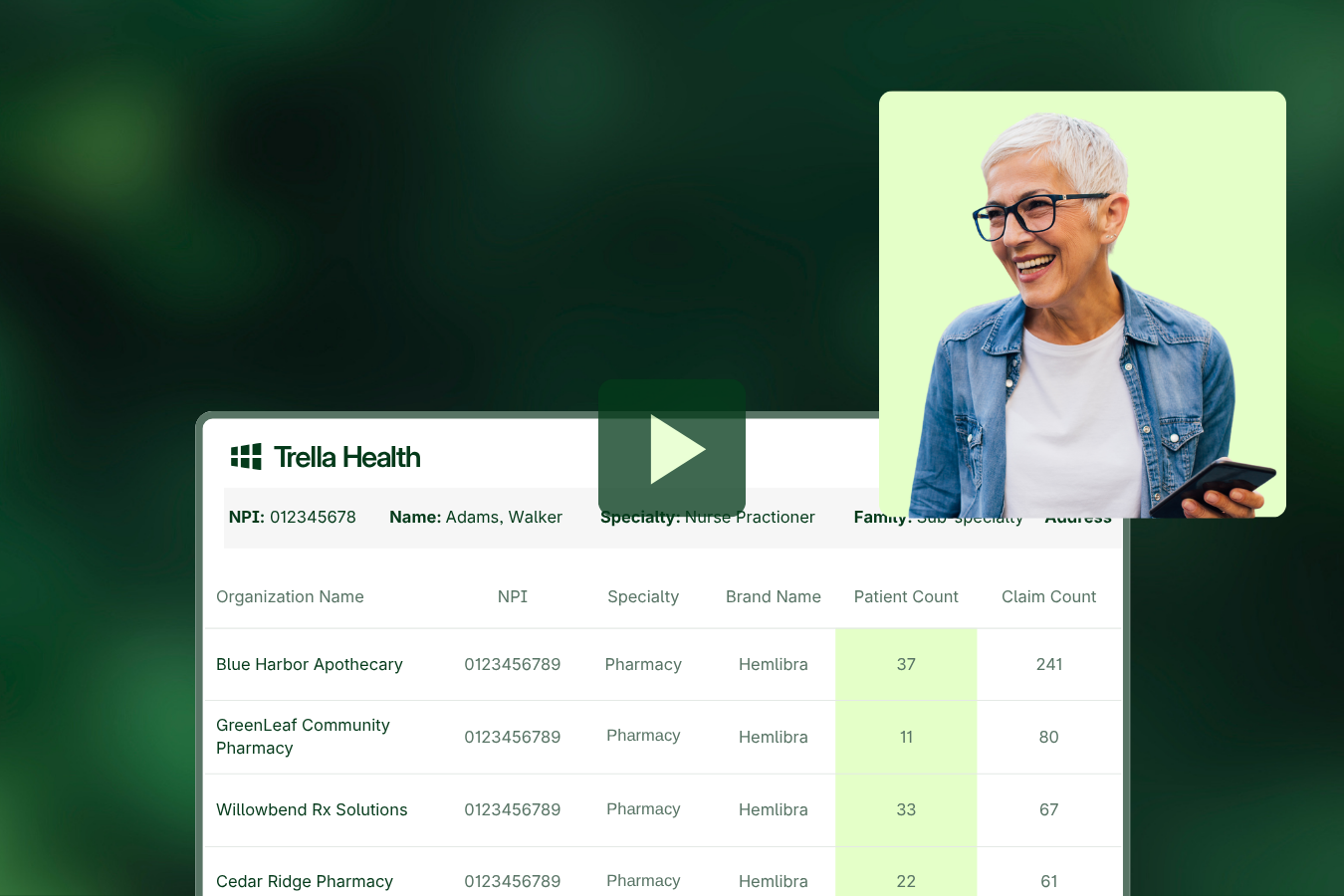
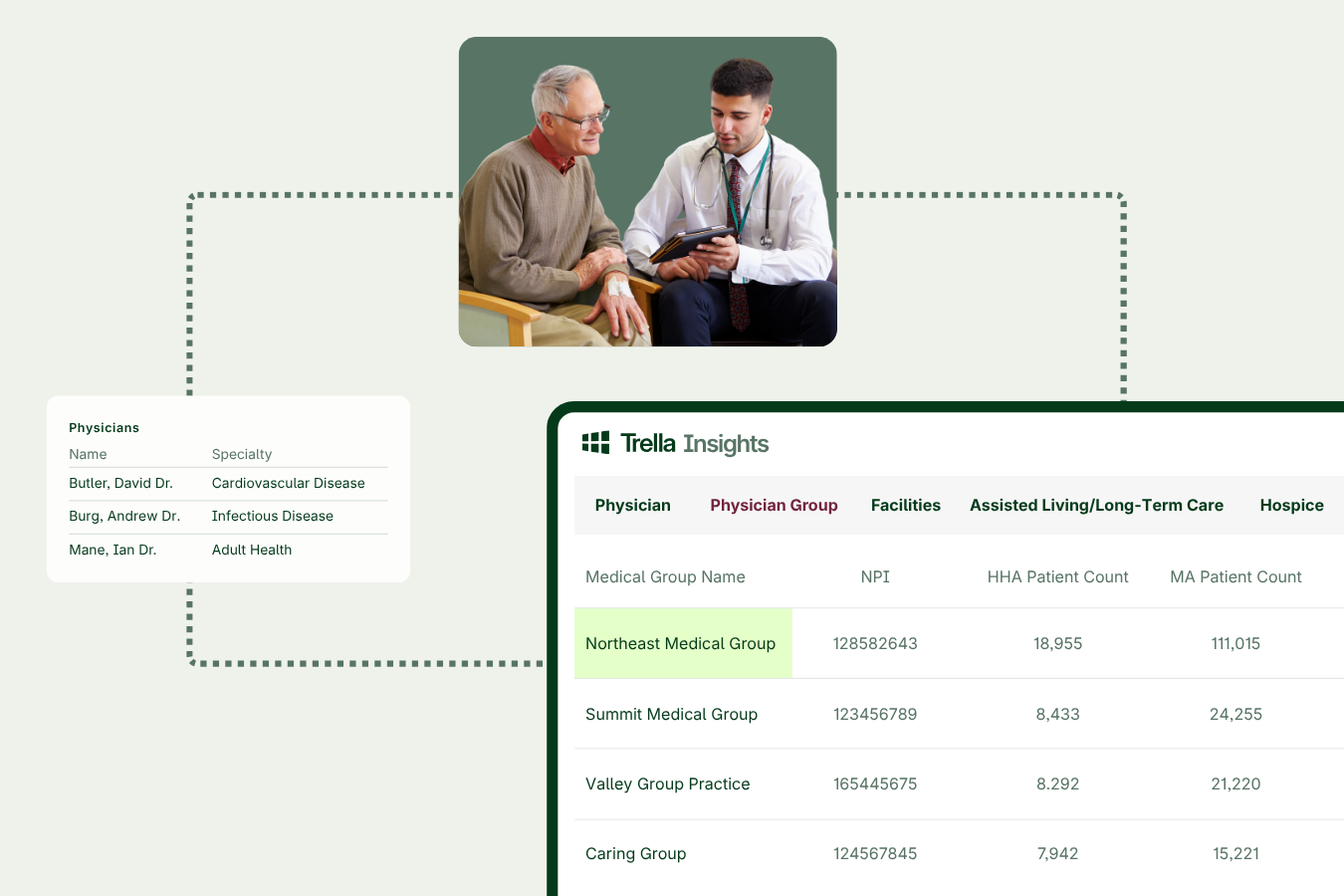
This is where market intelligence stops being a growth tool and becomes a risk-management asset. Claims-based data gives hospice and home health leaders an objective, market-wide view of their own performance, many of the same types of claims-based signals that regulators monitor, viewed through the provider’s own performance and market context.
With comprehensive claims visibility, agencies can benchmark outcomes, utilization, and other performance metrics against peers in their market and nationally, spot the outlier patterns that draw scrutiny before they escalate, and substantiate the quality of their care with hard numbers. The same intelligence can also support growth conversations. In an environment where referral partners are increasingly attentive to quality, reliability, and program integrity, providers that can clearly document their performance may have a stronger value story with hospitals and physician groups.
Turning Scrutiny into a Competitive Advantage
The current enrollment moratorium is temporary, although CMS may extend it in additional six-month increments. Whether or not the moratorium is extended, CMS’s broader shift toward data-driven program integrity is likely to continue.For hospice and home health leaders, the takeaway is clear: the era of assuming good care speaks for itself is over. Quality now has to be visible, benchmarked, and defensible.
Agencies that embrace that reality can reframe this moment entirely. Instead of a threat to weather, program integrity pressure becomes an opportunity to demonstrate, in the same objective terms regulators and referral partners now demand, that they are exactly the kind of provider Medicare wants in the program.
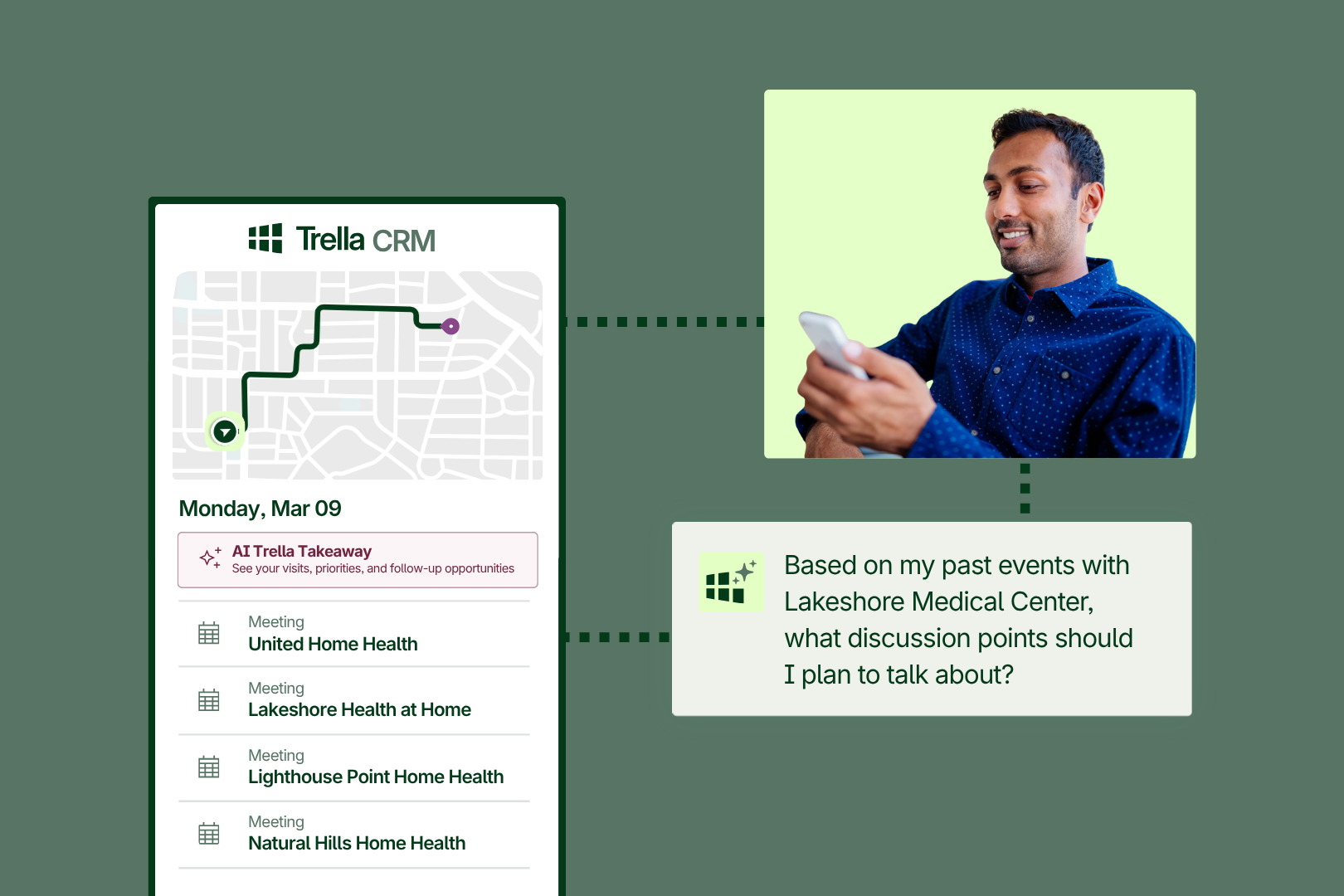
Trella Health helps hospice and home health organizations turn fragmented claims data into a clear picture of their own performance and their market, so leaders can benchmark quality, get ahead of outlier risk, and grow with confidence.
Request a demo to see how claims-based intelligence can help you prove your quality and protect your growth.