
Post-acute providers are navigating a market unlike any in recent memory. In our recent webinar, Trella Health’s Jess Chew (EVP of Growth), Natalie Deckbar (Director of Sales), and Josh Price (Senior Solution Engineer) unpacked what they’re hearing from providers across the country, and where the teams pulling ahead are finding growth. Four themes stood out.
The home health and hospice moratorium
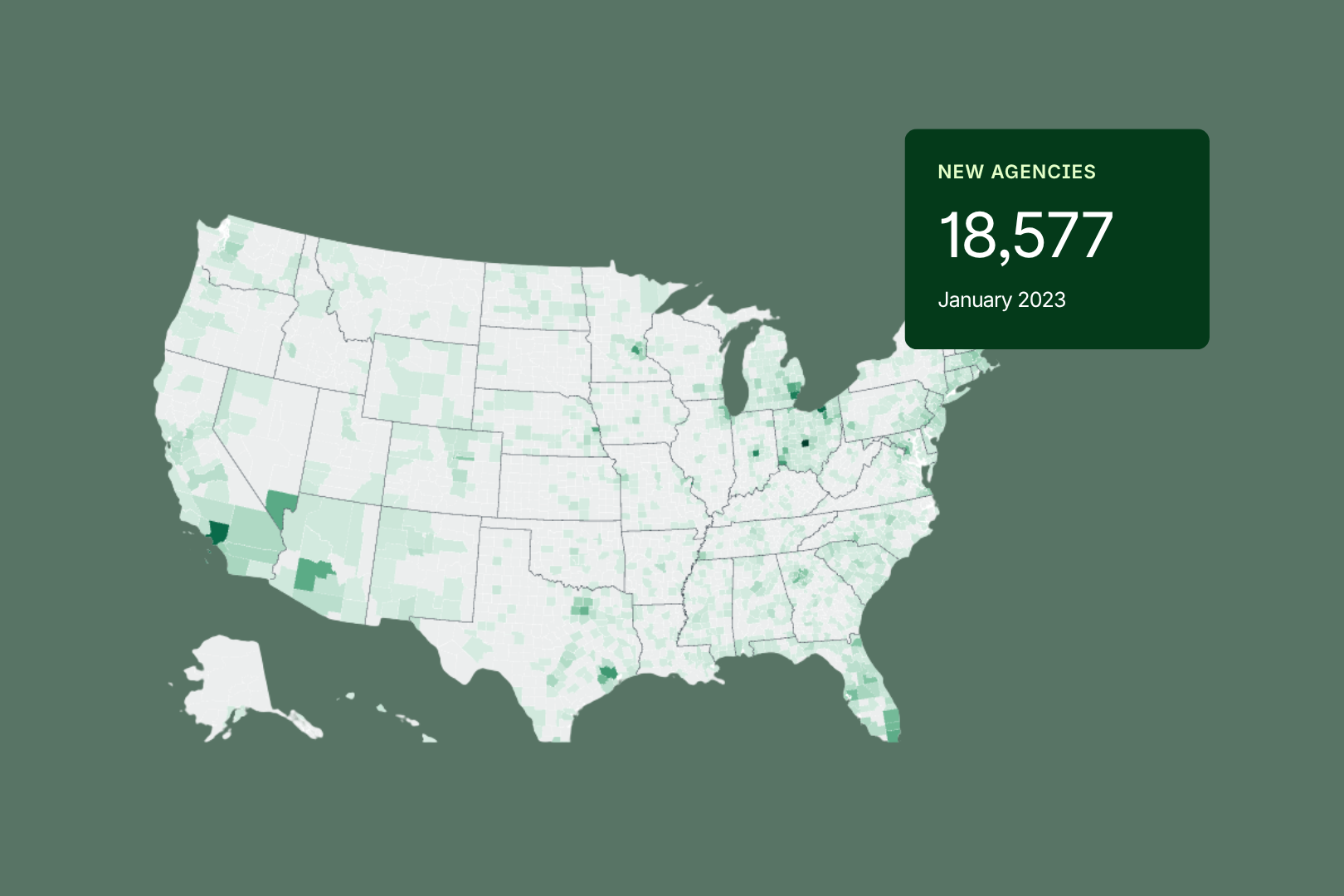
Back in May, CMS imposed two separate six-month moratoriums pausing new home health and hospice enrollments, citing a dramatic rise in enrollment concentrated in states like California, Arizona, and Nevada. For any organization that had built its plan around acquisitions, de novos, or new agency creation, that decision opened a gap in the growth forecast almost overnight.
The teams handling it well are reforecasting honestly and leaning into their existing strengths. That means deeper territory analysis, revisiting referral targets they’d previously overlooked, and standing up specialty programs. One provider is revamping its dementia care offering to serve an underused segment.
A recurring theme: you may not unseat a referral source’s number-one agency, but there’s real opportunity to become their trusted number two by earning a share of the patients going elsewhere. Some organizations are even adjusting comp plans to reward reps for chasing that organic, untapped growth.
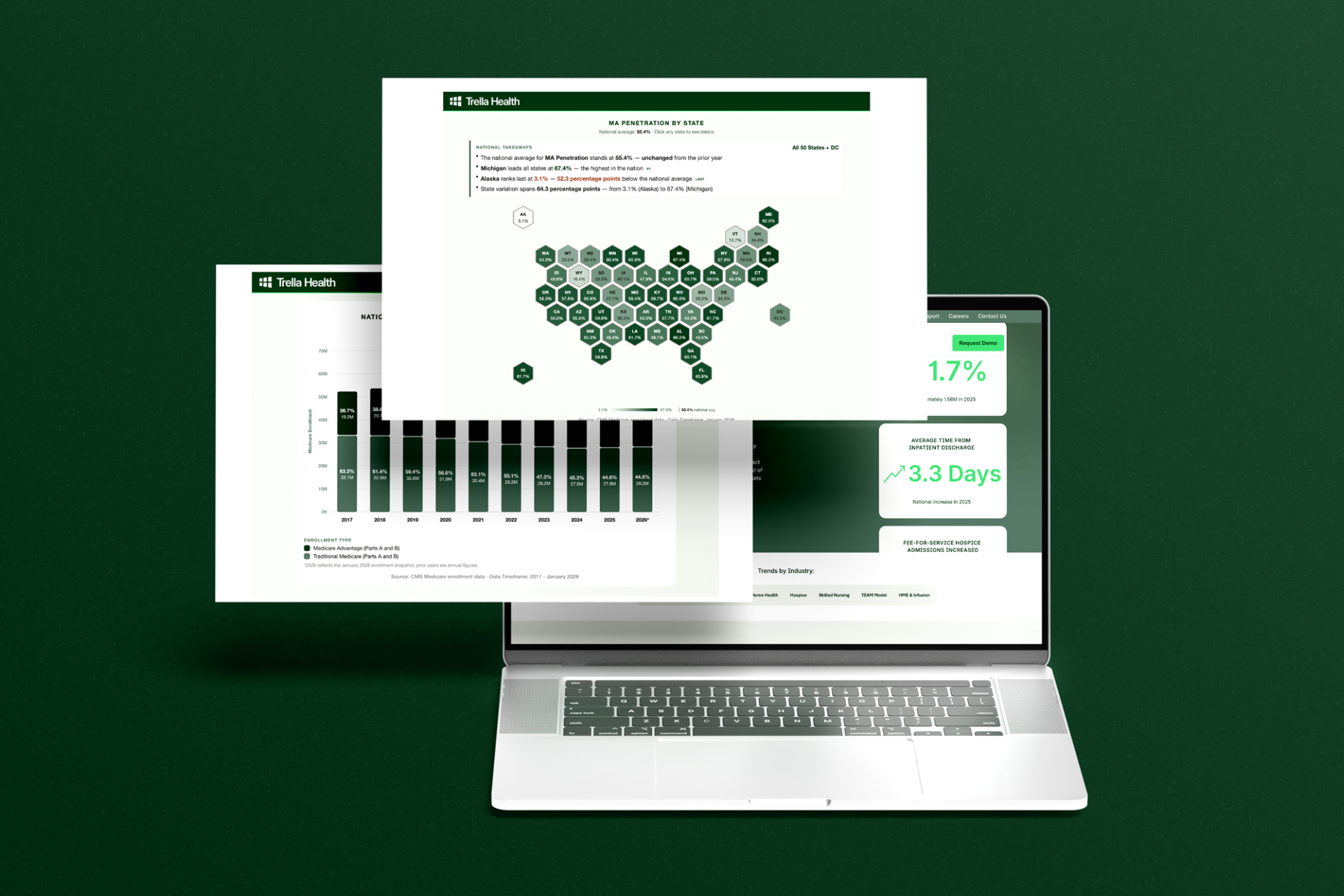
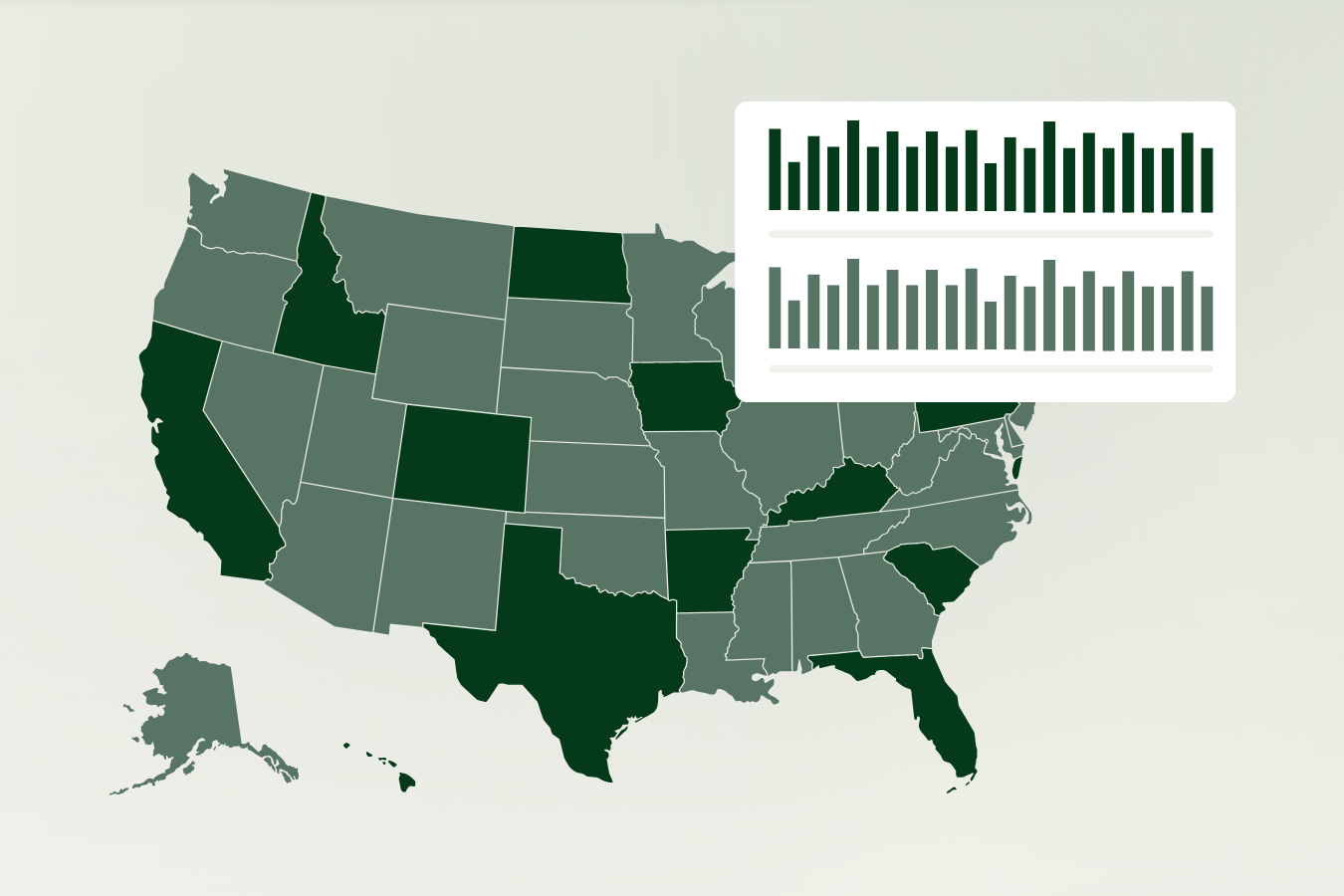
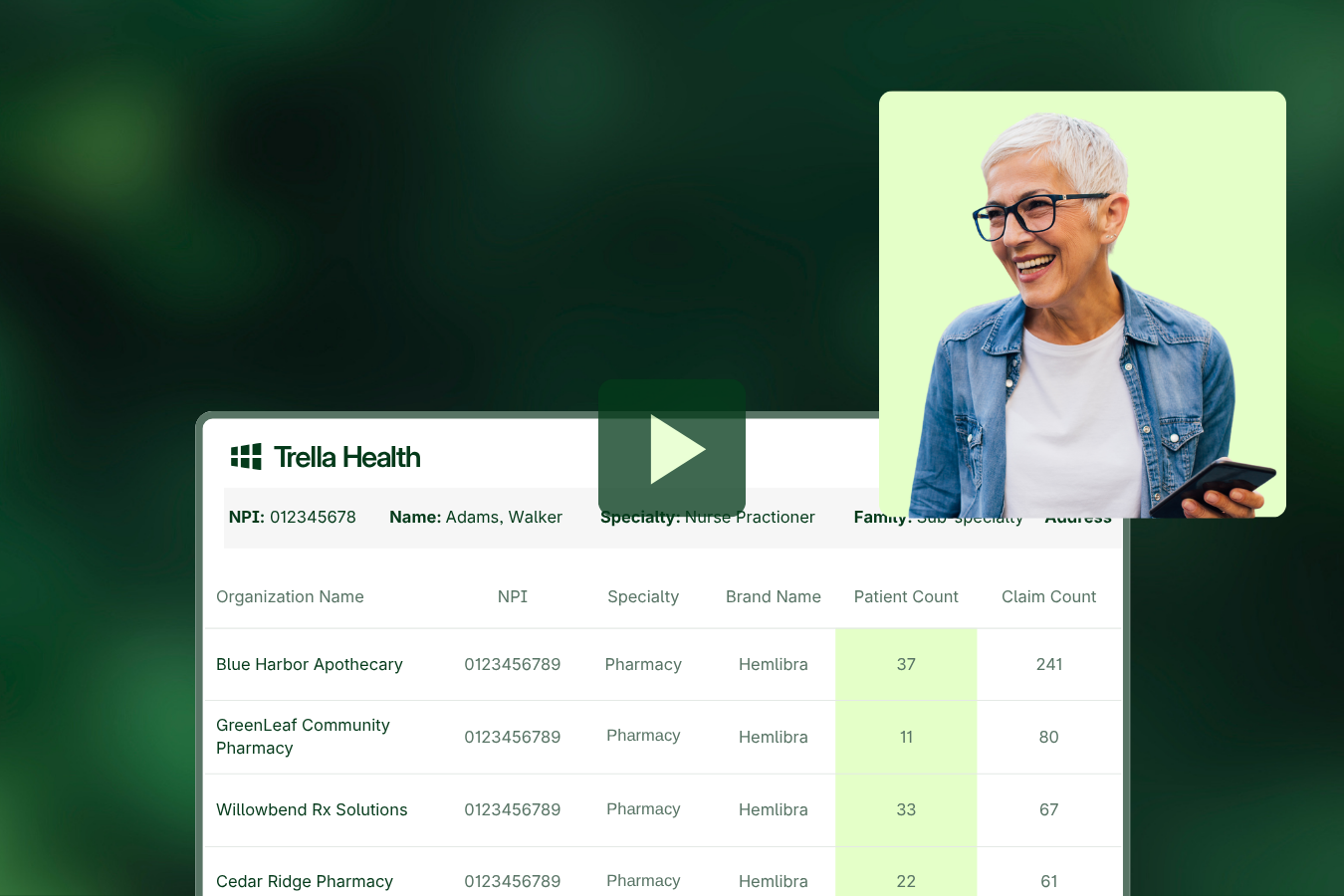
To help providers see where enrollment is shifting, our data team built an interactive map covering new home health and hospice enrollees across the country, including practices that have started up but not yet formally enrolled in Medicare. It’s a quick way to spot what’s changing in your market before it shows up anywhere else.
Key Takeaway: How Trella Helps You Close the Growth Gap
When CMS imposed its six-month moratoriums on new home health and hospice enrollment back in May, citing dramatic enrollment spikes in states like California, Arizona, and Nevada, it froze the growth paths many agencies were counting on.
If your plan leaned on acquisition, de novos, or new agency creation, that door is closed for now, leaving a gap you have to fill another way. Trella helps you close it with the levers still in your control: organic growth.
By showing where referrals are actually flowing in your market, which sources are under-penetrated, and how your quality stacks up against competitors, Trella helps you win more volume from the relationships and market share already available to you. Instead of waiting out the moratorium, you can grow by capturing referrals you’re currently missing and strengthening the partnerships that drive them turning a stalled expansion plan into a targeted, data-driven growth strategy.
Changing the hospice conversation
Only about 52% of Medicare decedents receive hospice care, a number Jess noted she expected to be higher by now. That leaves nearly half of Medicare beneficiaries who died in the past year without hospice, and even among those who received it, many enrolled in their final days, too late to feel the full benefit. Recent fraud headlines have only made families and referral sources more skeptical of a care setting they may not fully understand.
The answer is education backed by data. Rather than walking into a referral source with a brochure and “we do hospice,” high-performing liaisons come armed with proof: metrics that show how their agency shows up for patients when it matters most. Visits in the last seven and last three days of life are among the most powerful of these, illustrating both the value of hospice overall and the strength of a specific agency.
Key Takeaway: How Trella Helps You Make the Case for Earlier Hospice
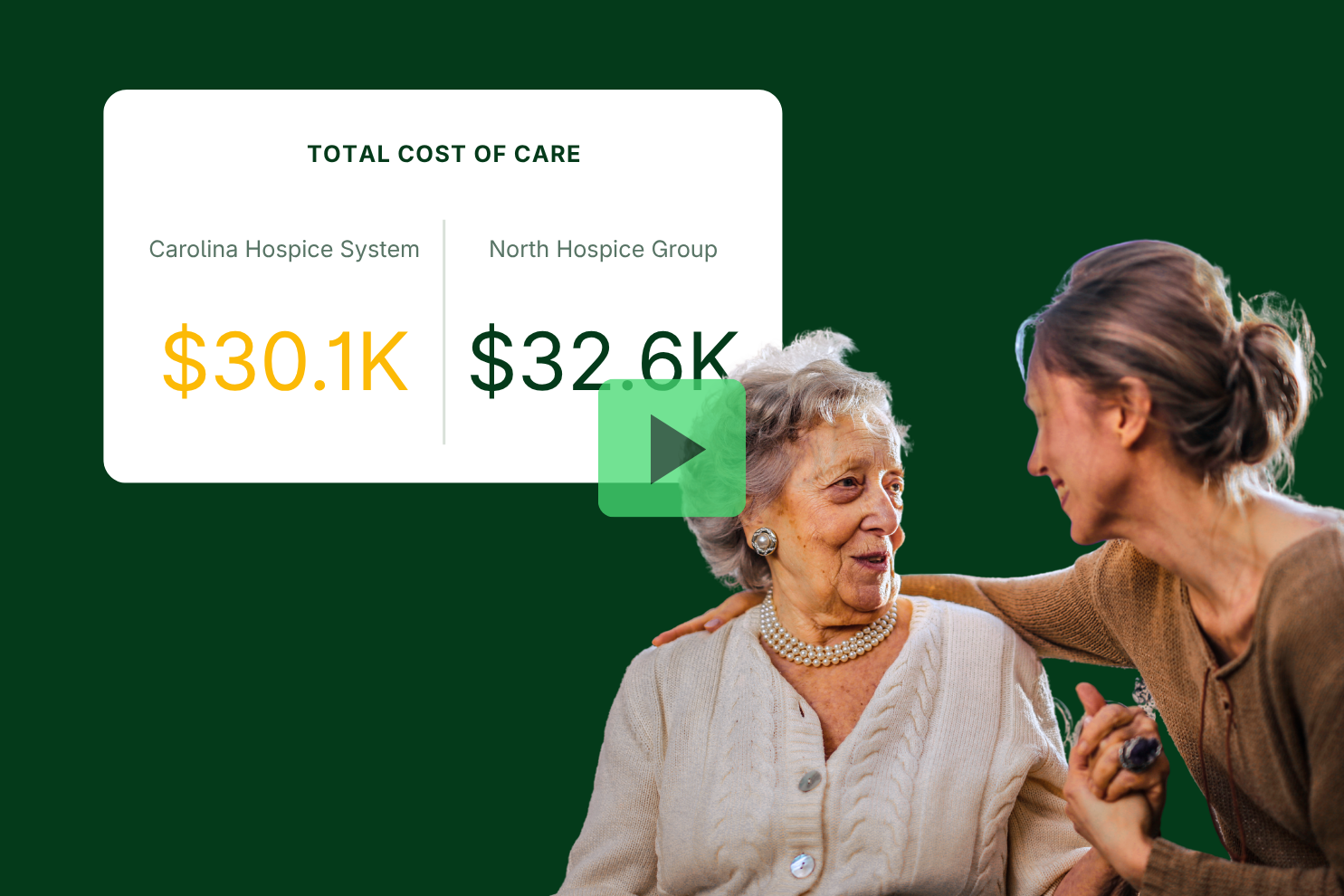
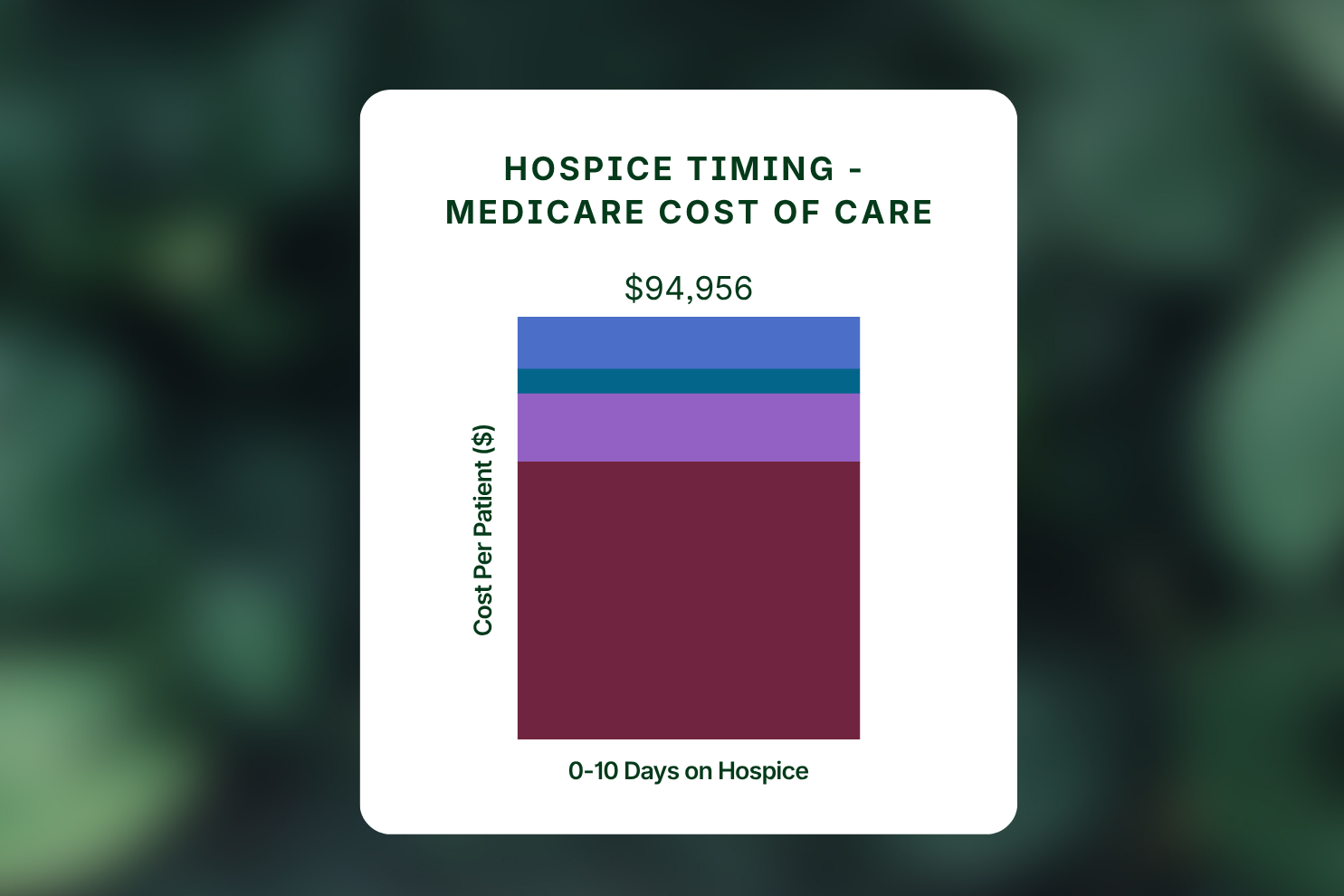
The hospice timing chart tells a clear story: the earlier a patient enters hospice, the more you reduce costly inpatient stays, ER visits, and hospital readmissions across the end-of-life spectrum.
Patients on hospice just 0–14 days show inpatient visits around 190 per 1,000, while those receiving care for 61–120 days drop to around 30 — and the same pattern holds for ER-to-inpatient readmissions. That’s not only a better cost and reimbursement model; it’s a better quality of life, with more seamless care transitions and a smoother experience for the whole family.
Trella helps you turn that insight into action: by showing referral patterns and timing across your market, you can identify where patients are entering hospice too late, make the data-driven case to referral partners for earlier transitions, and demonstrate the cost and quality impact that positions you as the partner hospitals and physicians want to send patients to sooner.
The practical advice: focus on two or three metrics at a time, train teams until they can speak to exactly how each is calculated, and role-play the conversation so reps feel confident.
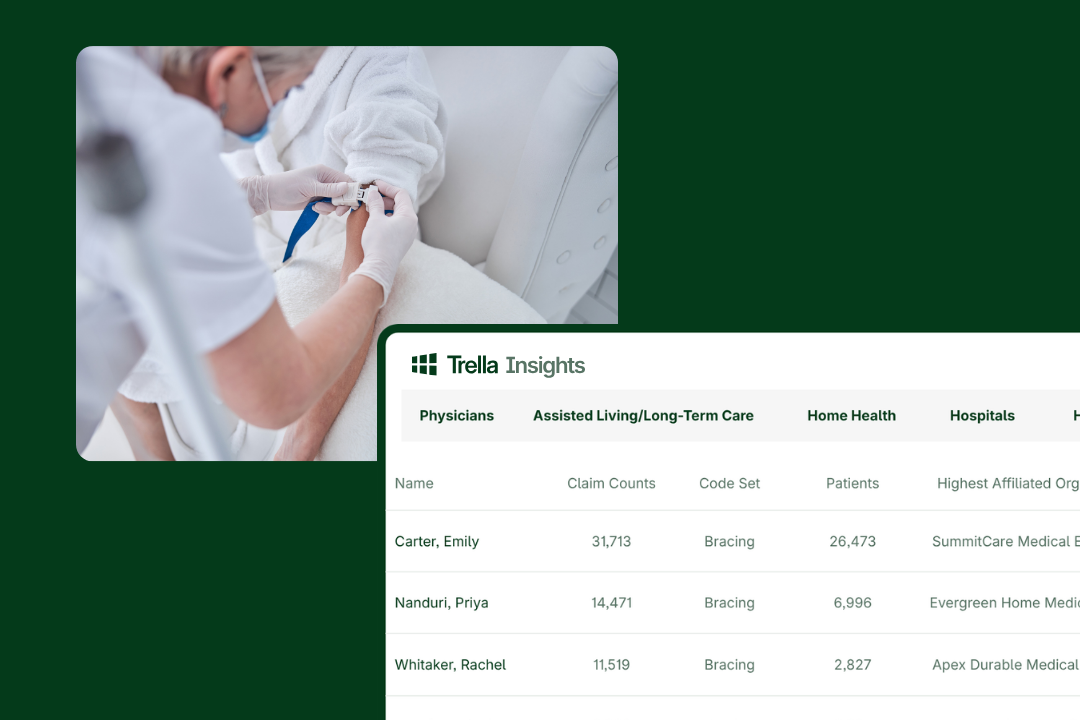
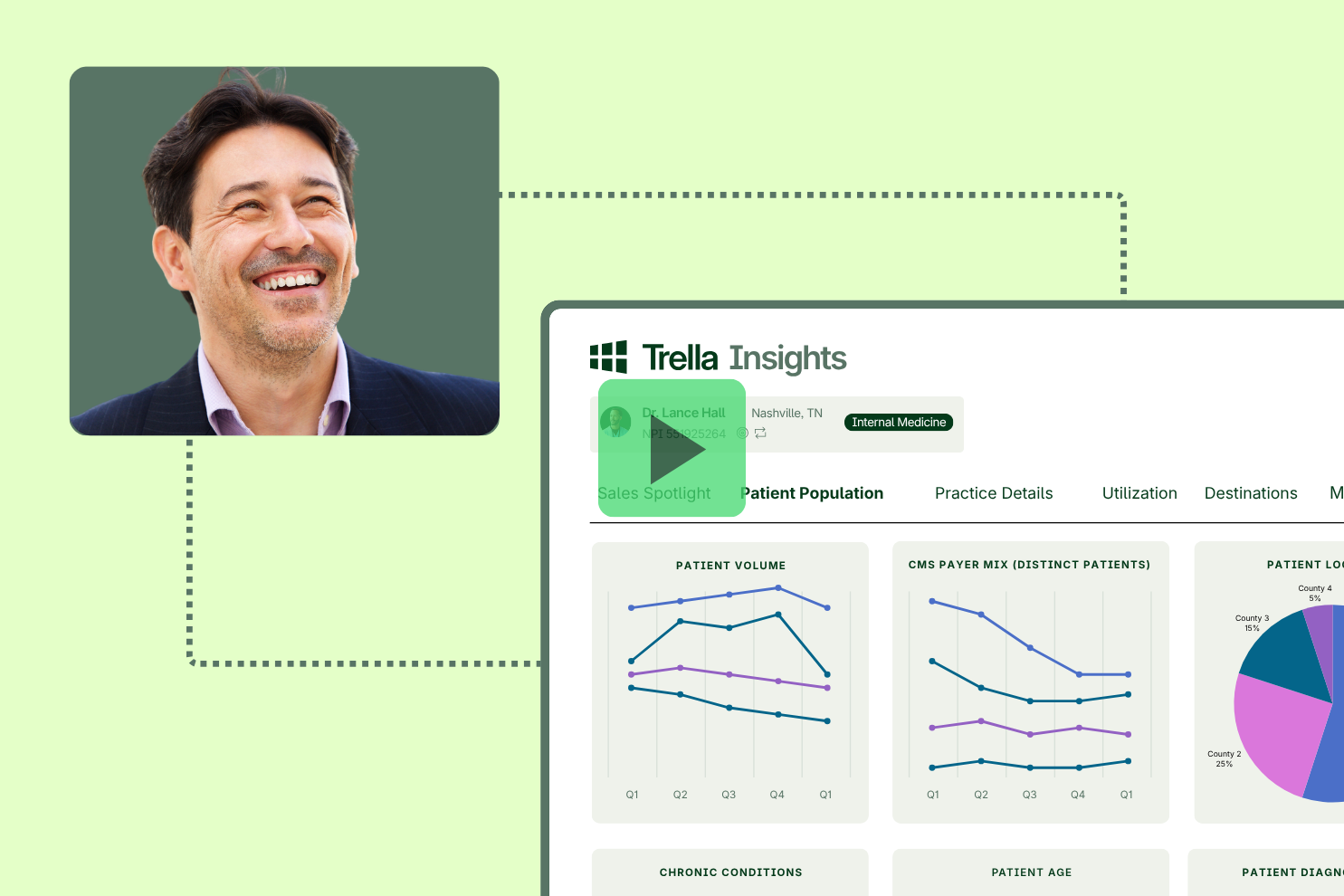
Providers can find these quality and timing metrics, including the hospice timing view that ties earlier enrollment to lower inpatient and ER utilization, on the utilization and quality tab within the Trella Insights platform. ACO partners, in particular, have proven to be an engaged audience for this data.
Rising competition in skilled nursing
Skilled nursing facilities are being squeezed from several directions at once: consolidation, Medicare Advantage dependencies, and greater hospital accountability under new payment models like TEAM. National SNF utilization sits at just 22.4%, and 95% of Medicare Advantage SNF admissions now require prior authorization, a burden on the SNF, the hospital, and the patient waiting to move into the right care setting.
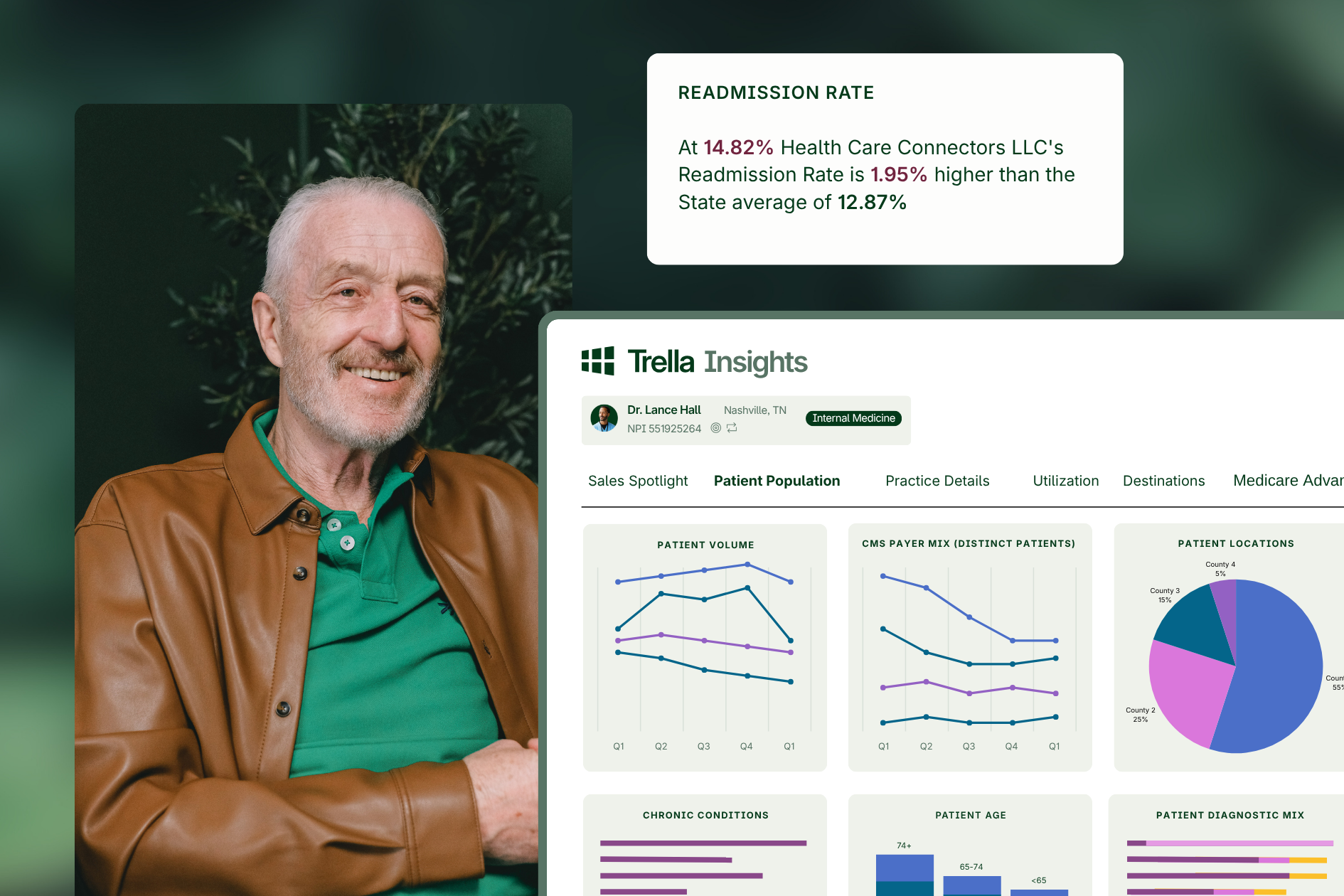
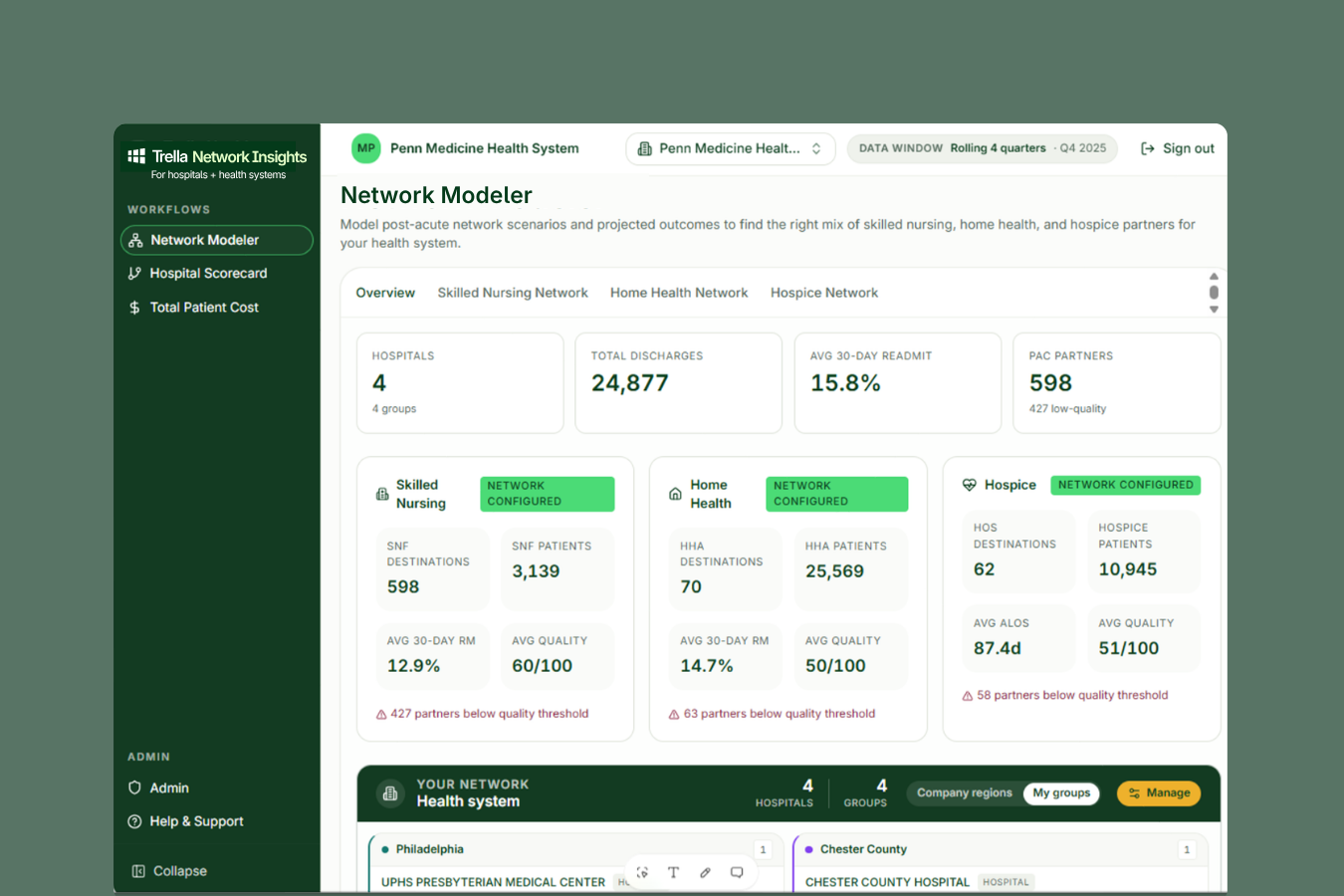
Hospitals are increasingly gatekeeping their referral relationships, and some won’t open the door without proof of quality. Readmission rate is the metric that matters most, because it maps directly to a hospital’s own outcomes. The SNFs winning right now lead with data, demonstrating quality, specialty programs, and their tie to outcomes, and clearly articulate what a SNF-appropriate patient looks like to discharge planners. Success today means convincing an entire system, not a single discharge planner. On the horizon, Trella’s forthcoming network analyzer will help both facilities and health systems build networks that improve outcomes across the continuum of care.
Key Takeaway: How Trella Helps SNFs Win
SNFs are being squeezed by hospital consolidation and M&A and the providers coming out ahead are the ones leading with data. As hospitals rethink their post-acute partners, many now gatekeep referrals, refusing to send patients to SNFs that can’t prove quality outcomes.
Trella gives SNFs that proof. By surfacing performance data on the metric hospitals care about most, avoidable readmissions, Trella helps SNFs demonstrate the quality of care that gets them past the gatekeeping and keeps referral relationships intact through consolidation and change. When you can show what you’re doing well, you overcome the disruption that M&A and shifting hospital partnerships bring.
That’s the story data tells for you: fewer patients returning to an avoidable acute stay, and a clear case for why hospitals should keep sending you referrals.
Making AI work for your team
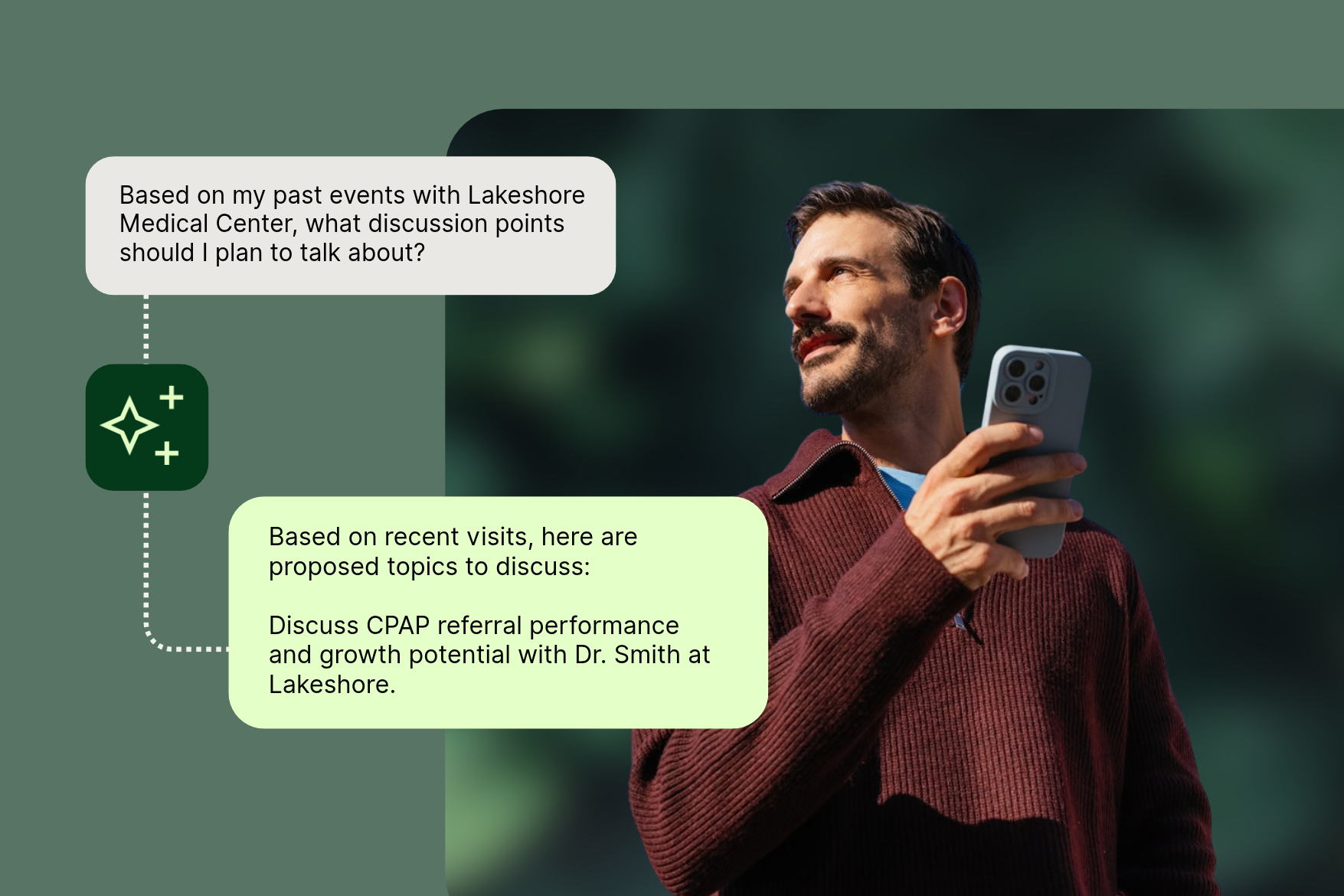
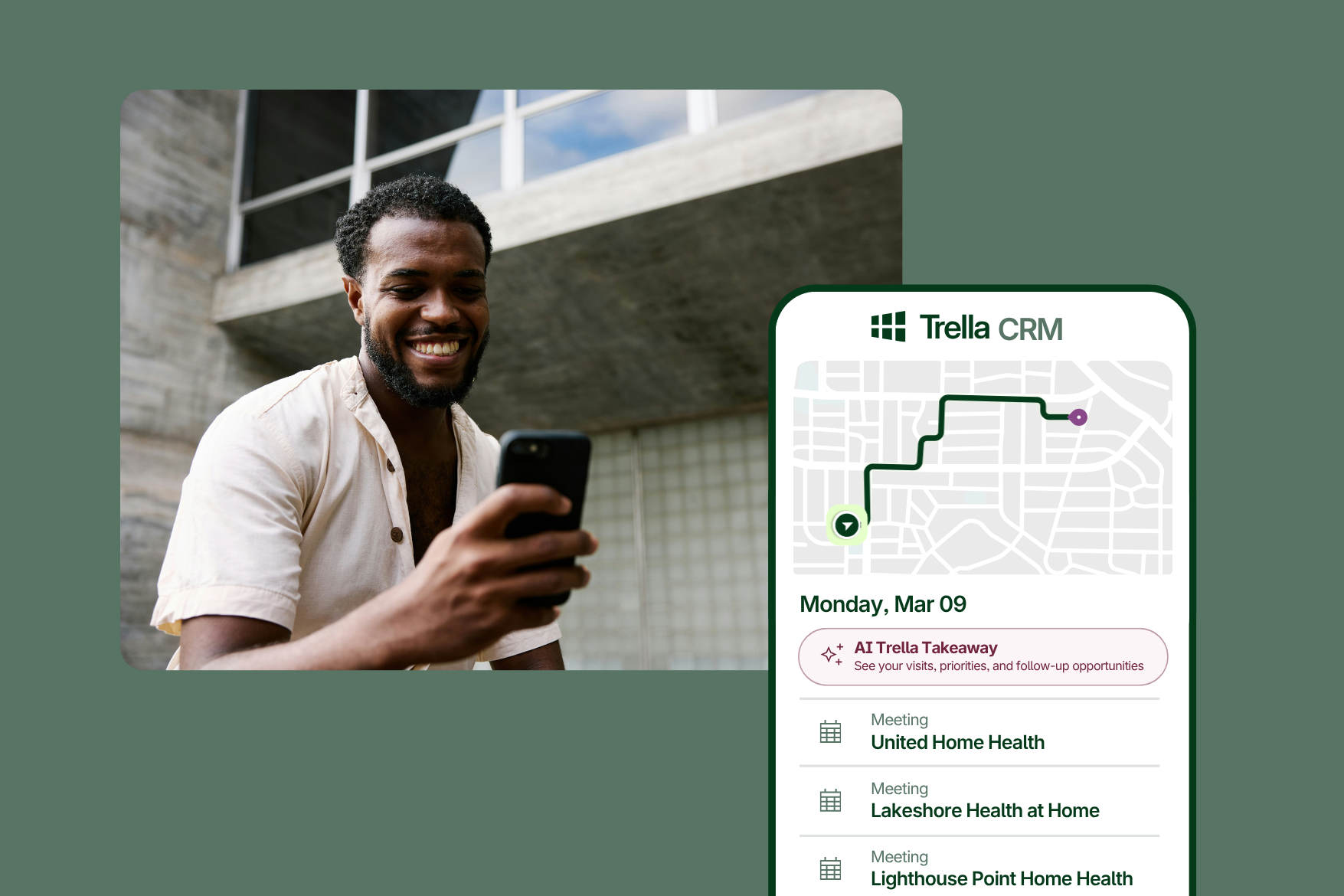
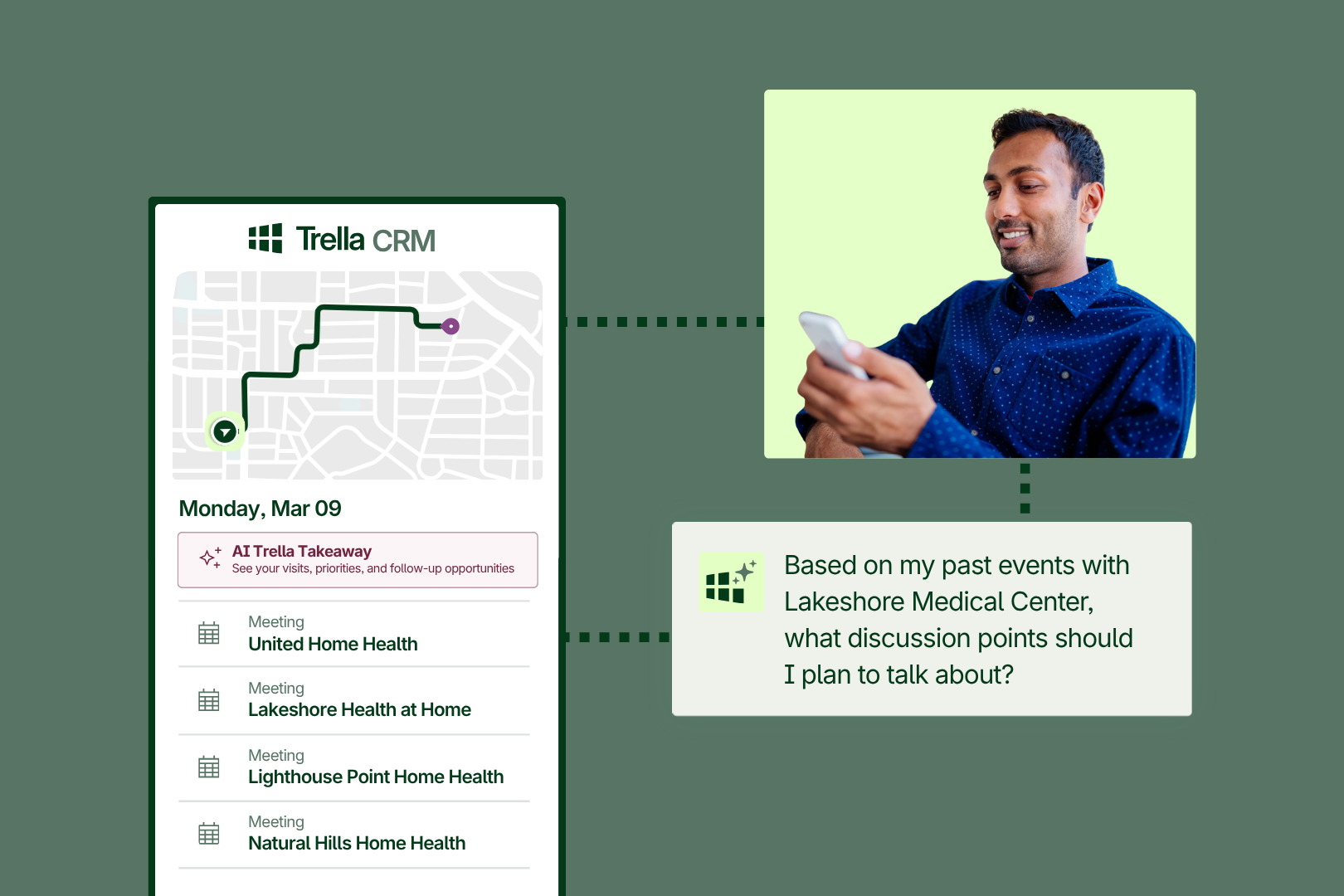
AI was the throughline of the conversation, and the guidance was refreshingly grounded: start with the grunt work. The manual tasks that eat a rep’s week, like pulling market data, prepping for meetings, writing follow-ups, and logging notes and mileage, are exactly where AI frees people to focus on the human relationships that still drive this business. The goal isn’t to replace boots on the ground; the most successful customers still field strong liaison teams. It’s to elevate them.
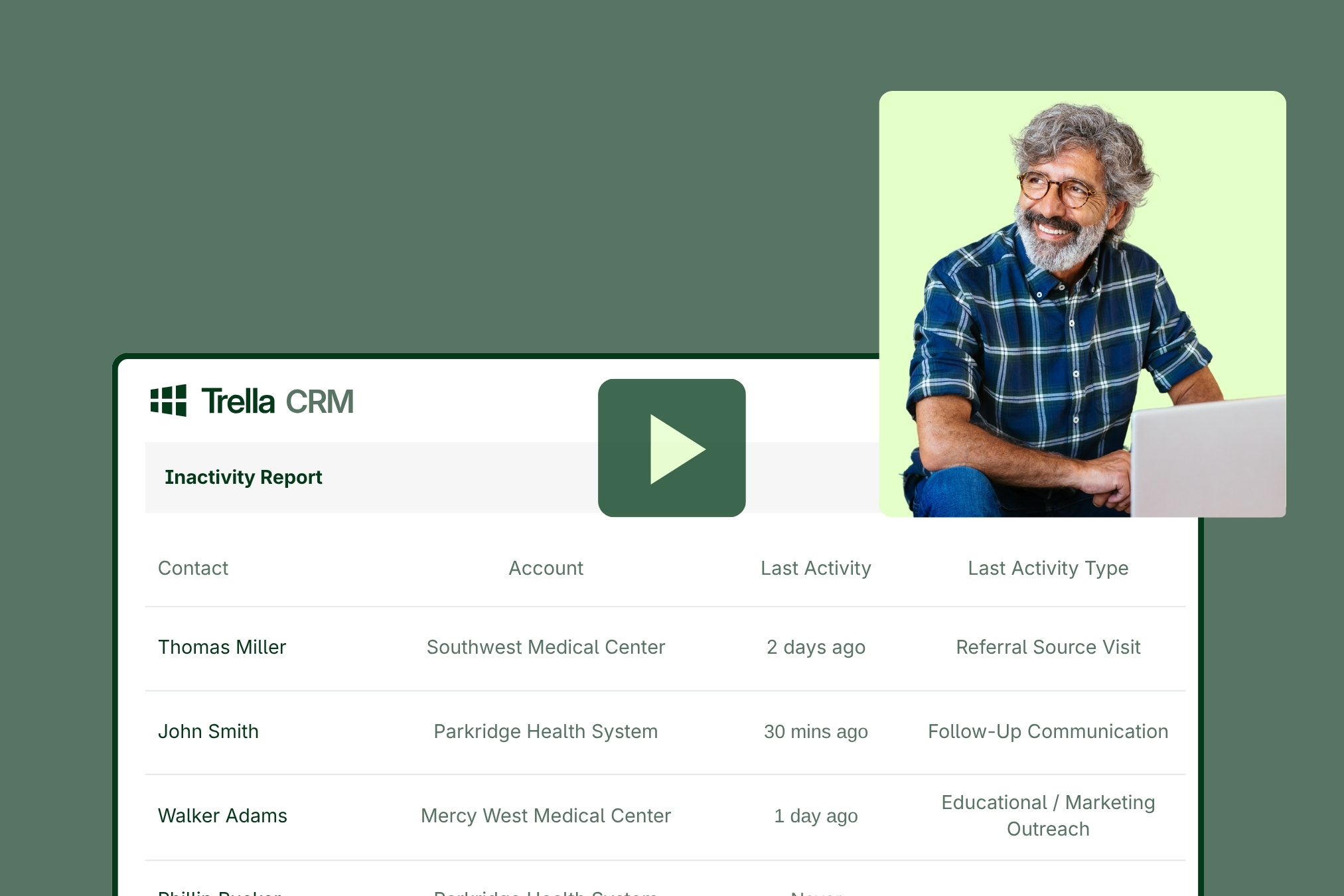
The key is trust. Grounding AI in verifiable data is what separates a helpful tool from a distraction, which is why Trella is embedding AI directly into the products and workflows teams already use, from CRM note summarization to insights surfaced right on the home page. Early beta feedback has been strongly positive.
Have a headwind we didn’t cover, or want to talk through the data behind any of these strategies? The Trella Health team is always up for the conversation. Request a demo.