
The Medicare Advantage story is often framed around growth. But for post-acute providers, the more important story is how Medicare Advantage plans are actively influencing access, utilization, length of service, and provider selection after hospitalization.
Through prior authorization, network design, benefit design, and other utilization controls, MA plans are increasingly influencing whether patients receive post-acute care, which providers participate in their care, and how much care is authorized.
This shift creates new pressure for providers to compete on access, outcomes, cost, and payer alignment — not simply referral volume.
For post-acute organizations, the strategic priority is understanding where site-of-care shifts are happening, how they vary by market and plan type, and what it takes to remain competitive in preferred networks.
Medicare Advantage Is Changing Post-Acute Utilization
Medicare Advantage plans often manage post-acute care more actively than traditional Medicare. This can affect whether patients are approved for skilled nursing facility stays, how long they remain in post-acute care, whether home health is authorized, and when care is shifted to outpatient or home-based settings.
Recent research comparing Medicare Advantage and traditional Medicare found that MA members had lower use in post-acute care use, including fewer skilled nursing facility days and fewer home health days. According to Trends in Post-Acute Care Use in Medicare Advantage Versus Traditional Medicare: A Retrospective Cohort Analysis.” JAMDA (2024), MA patients had fewer post-acute care days (median 23 vs. 25) and lower PAC use rates (4% vs. 5.5%).
For providers, this means Medicare Advantage is not just another payer category. It is a major force shaping utilization patterns, referral flow, and site-of-care strategy.
The Site-of-Care Shift Is Not Uniform Across Markets
Site-of-care trends are not happening at the same pace everywhere.
In some markets, Medicare Advantage plans may favor home-based care. In others, skilled nursing facilities may remain more central to post-acute discharge patterns. Local provider availability, payer concentration, hospital relationships, patient acuity, and network design all influence how quickly these shifts occur.
This market-level variation matters.
A home health organization may see rapid growth opportunity in markets where plans and hospitals are pushing care into the home. A skilled nursing facility may need to understand where utilization is declining, where higher-acuity referrals remain strong, and which payer relationships require a more focused strategy. Infusion, HME/DME, and other care-at-home providers may see new opportunities in markets where benefit design, provider capacity, and local utilization patterns support more care outside facility-based settings.
The providers that understand these patterns at the market level can make more informed decisions about growth, contracting, staffing, and referral strategy.
Prior Authorization Is Reshaping Referral Workflows
Prior authorization remains one of the most significant operational pressures in Medicare Advantage post-acute care. Providers often face delays, denials, documentation requirements, and administrative burden that can affect access and care timing.
A June 2026 HHS Inspector General review found that 19 MA organizations denied 12% of SNF admission requests examined and later overturned 95% of appealed denials. Delays, initial denials, documentation demands, and differing plan processes can still affect discharge timing and access to care.
For post-acute providers, this makes responsiveness and operational readiness even more important. Referral sources need partners that can manage authorization complexity, communicate clearly, and support timely transitions.
A delayed authorization does not only affect internal workflow. It can influence whether a referral converts, how quickly care begins, and whether a patient receives the right support after discharge.
As Medicare Advantage plans continue to manage utilization more closely, providers will need to strengthen the operational processes that support authorization, intake, documentation, and care coordination.
Preferred Networks Are Becoming More Performance-Driven
As Medicare Advantage plans and hospitals manage utilization more actively, preferred network strategy is increasingly influenced by performance and operational data.
Providers are expected to show that they can deliver timely access, strong outcomes, efficient care, and alignment with payer expectations. Relationships remain important, but providers are increasingly being asked to support their value with evidence related to access, capacity, outcomes, utilization, cost, and operational reliability.
Referral sources and payer partners increasingly want to know which providers can support lower total cost of care, reduce avoidable utilization, and deliver consistent patient outcomes. Providers that can demonstrate market relevance and measurable performance may be better positioned to earn and retain preferred relationships.
For many organizations, this requires a stronger command of data. It is not enough to know that Medicare Advantage volume is growing. Providers need to know which plans are growing, which service lines are affected, which referral sources are shifting, and where site-of-care changes are creating opportunity or risk.
Provider Strategies for a Medicare Advantage Site-of-Care World
To compete effectively, providers need a more precise approach to Medicare Advantage strategy.
First, organizations should evaluate utilization trends by care setting. Understanding whether patients are shifting from skilled nursing to home health, from inpatient to outpatient, or from higher-cost to lower-cost settings can help leaders align growth strategy with payer behavior.
Second, providers should analyze Medicare Advantage plan dynamics at the market level. This includes plan type, payer mix, referral concentration, network relationships, and service line trends.
Third, organizations should strengthen their value story. Providers need to clearly communicate how they support access, outcomes, cost management, and care coordination.
Finally, sales, contracting, and operations teams should be aligned around priority payer relationships. Medicare Advantage strategy cannot sit in one department. It needs to inform referral development, intake processes, clinical operations, and executive decision-making.
Turning Site-of-Care Change into Strategic Growth
As Medicare Advantage plans continue shaping post-acute utilization through network design, prior authorization, and care management, providers need more than broad market awareness. They need data-driven visibility into where care is moving and how to compete.
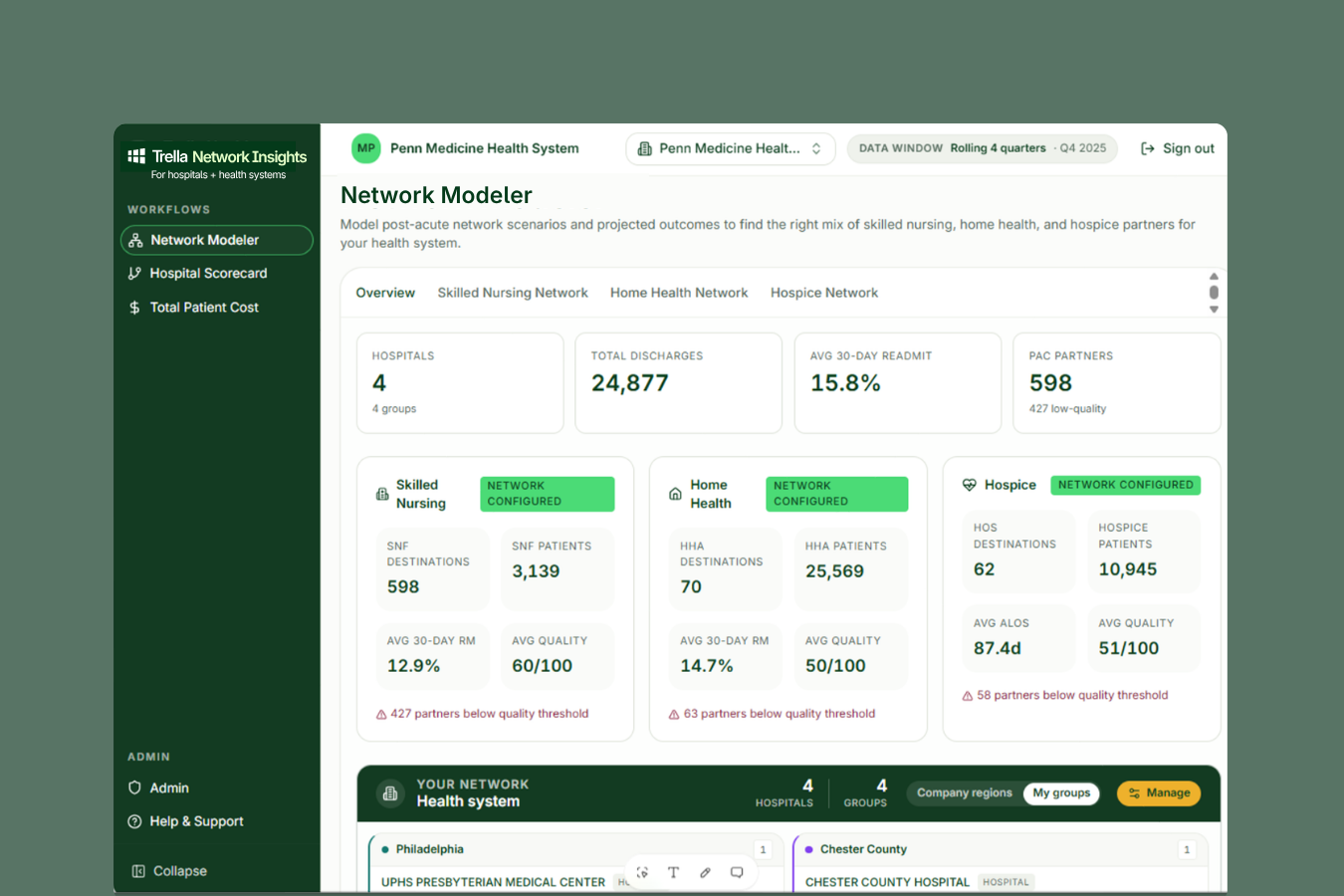
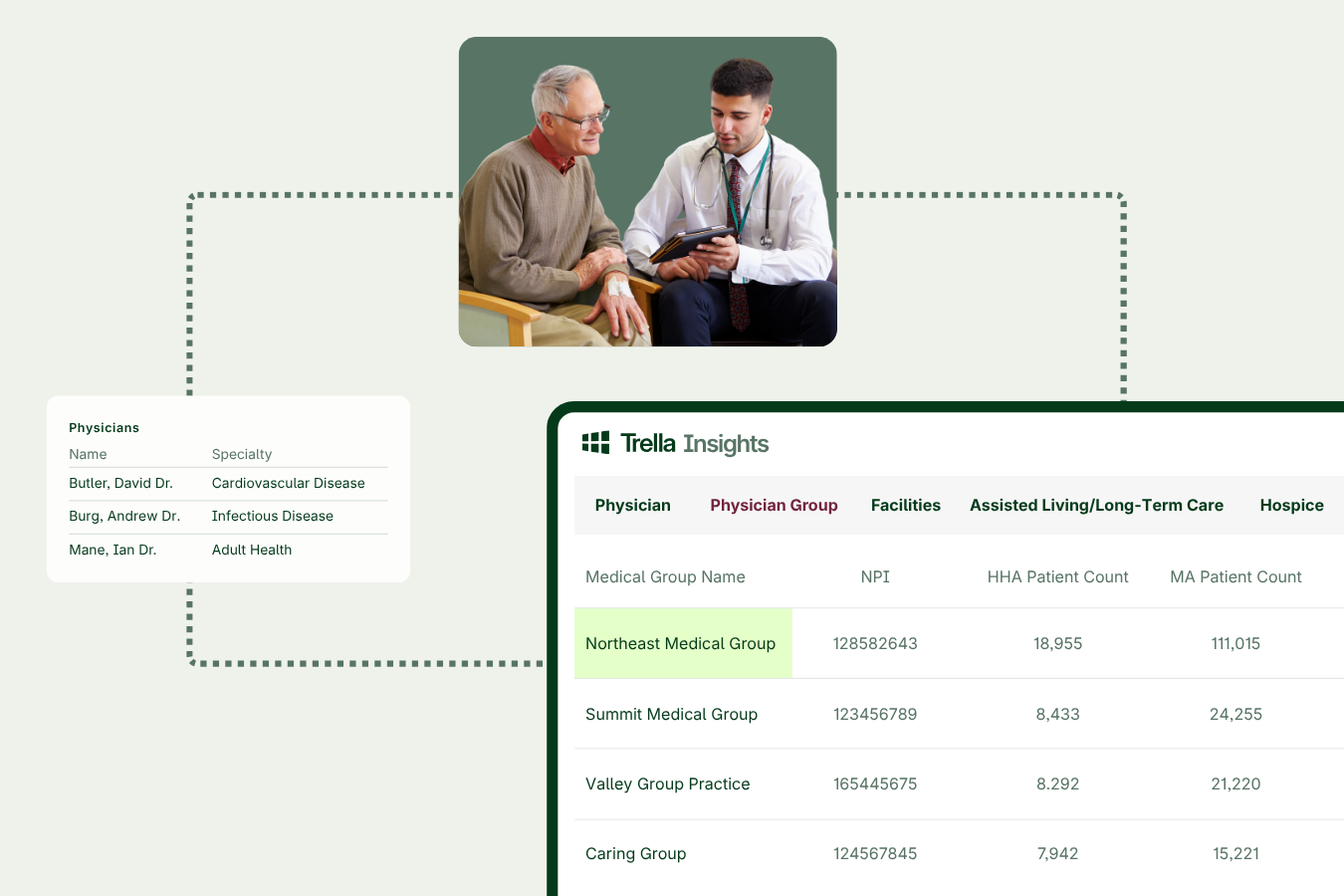
Trella Health helps providers understand and respond to the Medicare Advantage site-of-care shift with market-level intelligence and actionable insights. With Marketscape Insights, organizations can analyze referral patterns, payer mix, utilization trends, market share, and provider performance across service lines and geographies.
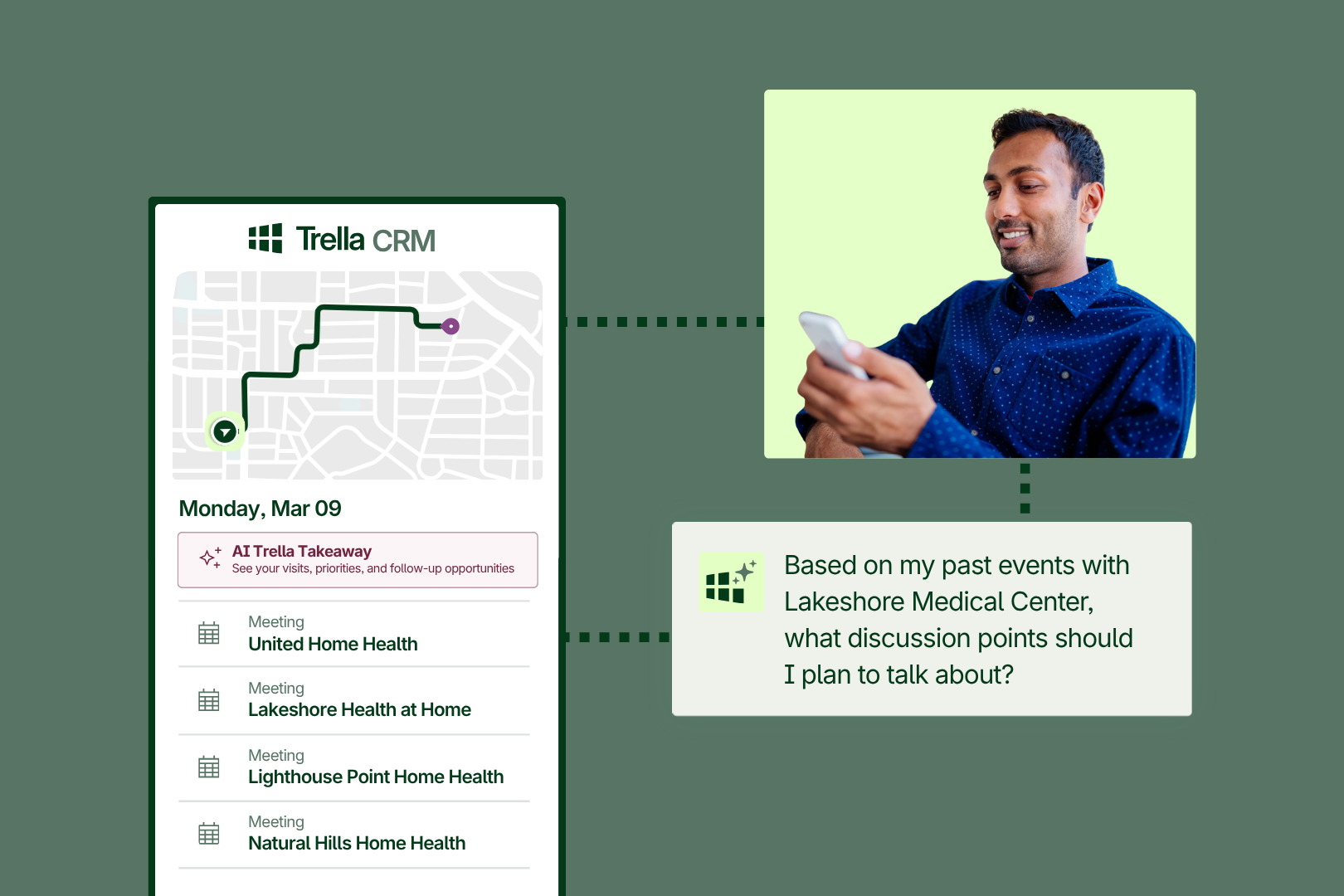
Marketscape CRM helps sales and growth teams turn those insights into focused action by prioritizing outreach, tracking account activity, and aligning field execution with strategic opportunities.
For providers navigating Medicare Advantage complexity, Trella Health helps connect payer strategy, referral growth, and market performance.
See how Trella Health helps providers identify Medicare Advantage trends, evaluate changes in post-acute utilization, and make more targeted payer, network, and growth decisions.