
Value-based care is no longer a future-state concept. Episode accountability is already shaping how hospitals, physicians, and post-acute providers manage care beyond the initial encounter.
Through mandatory episode-based models such as TEAM and the proposed CJR-X model, hospitals are increasingly accountable for the cost and quality of defined surgical episodes. Separately, population-based models such as LEAD and the Medicare Shared Savings Program are increasing ACO accountability for total cost and quality across beneficiary populations. Both trends are putting greater attention on post-acute care. For hospitals, this means post-acute spend and outcomes are becoming more directly tied to financial performance. For post-acute providers, referral relationships will increasingly depend on measurable performance, timely access, and alignment with preferred networks.
The central question is no longer whether post-acute care affects episode performance. It is how organizations will use data to design networks, manage discharge patterns, and reduce variation across markets.
Episode Accountability Is Moving Into the Mainstream
The CMS Transforming Episode Accountability Model, known as TEAM, requires acute care hospitals in selected geographic areas to coordinate care for certain surgical episodes involving people with Original Medicare. TEAM is a mandatory five-year model running from 2026 through 2030.
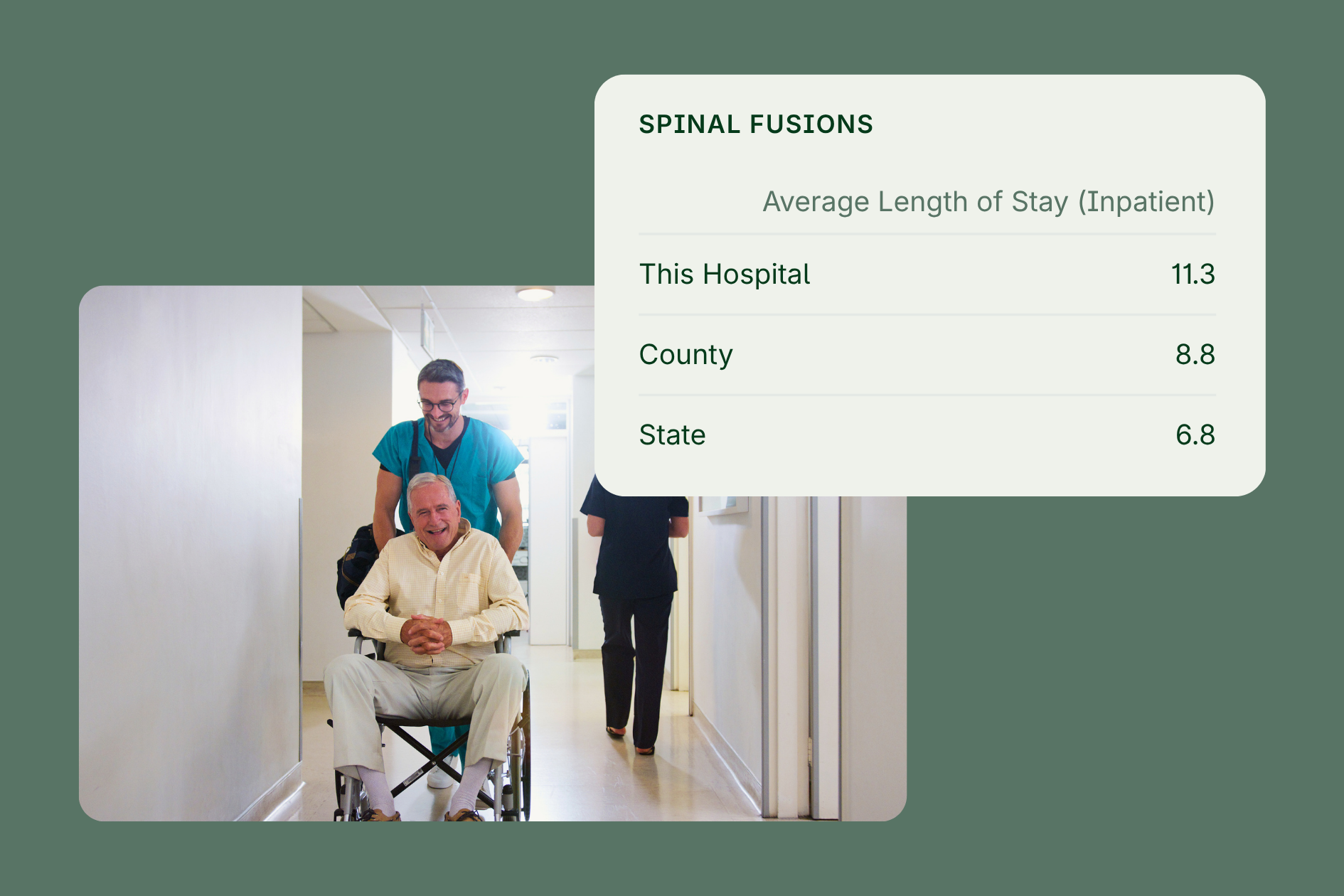
These episodes begin with an inpatient stay or outpatient procedure and end 30 days after the individual leaves the hospital. Included procedures include lower extremity joint replacement, surgical hip femur fracture treatment, spinal fusion, coronary artery bypass graft, and major bowel procedures.
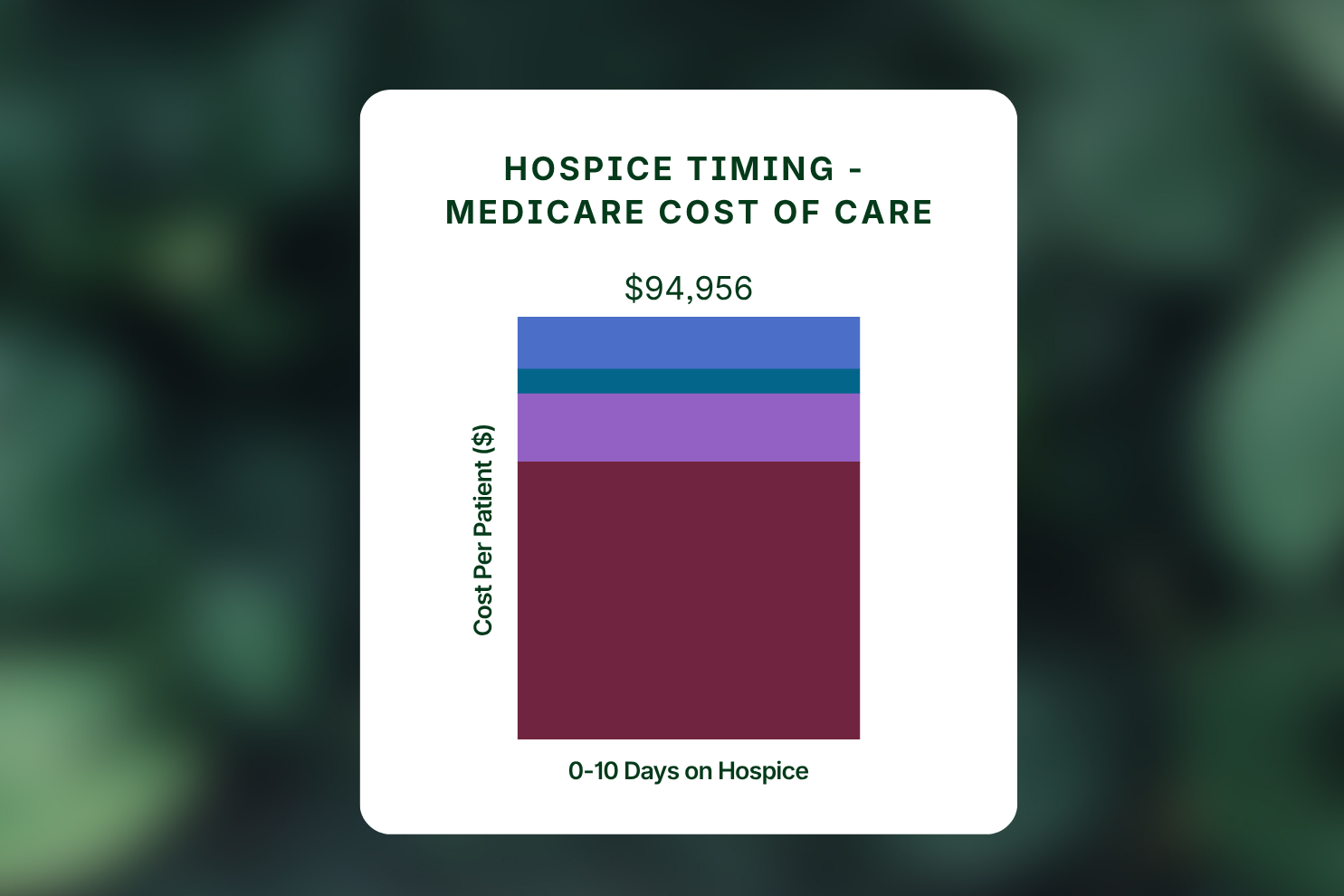
This matters because many of the cost and quality variables in an episode occur after discharge. Skilled nursing facility utilization, home health access, readmissions, emergency department visits, and follow-up care can all influence performance.
At the same time, CMS has proposed CJR-X, an expanded Comprehensive Care for Joint Replacement model that would be mandatory nationwide for most hospitals, including those not selected for TEAM, and begin on October 1, 2027. CMS describes the model as focused on Medicare patients undergoing hip, knee, and ankle replacements in inpatient and outpatient hospital settings. CJR-X episodes would extend 90 days after discharge, compared with 30 days under TEAM.
The direction is clear: episode accountability is not narrowing. It is expanding.
Post-Acute Decisions Are Becoming Financial Decisions
For hospitals, discharge planning has historically been viewed as a clinical and operational function. Under episode-based models, it becomes a financial performance lever.
A discharge to a skilled nursing facility, home health agency, inpatient rehabilitation facility, outpatient provider, or other care setting can affect total cost, readmission risk, recovery trajectory, and patient experience. The right post-acute pathway can support better outcomes and reduce avoidable utilization. The wrong pathway can create unnecessary cost, delays, or clinical risk.
This does not mean the lowest-cost setting is always the right setting. It means hospitals need greater visibility into which providers and care settings are most appropriate for specific patient populations, procedures, geographies, and payer dynamics.
Discharge patterns can no longer be evaluated only in aggregate. They need to be understood by market, service line, provider, payer, and outcome.
Network Design Will Matter More Than Ever
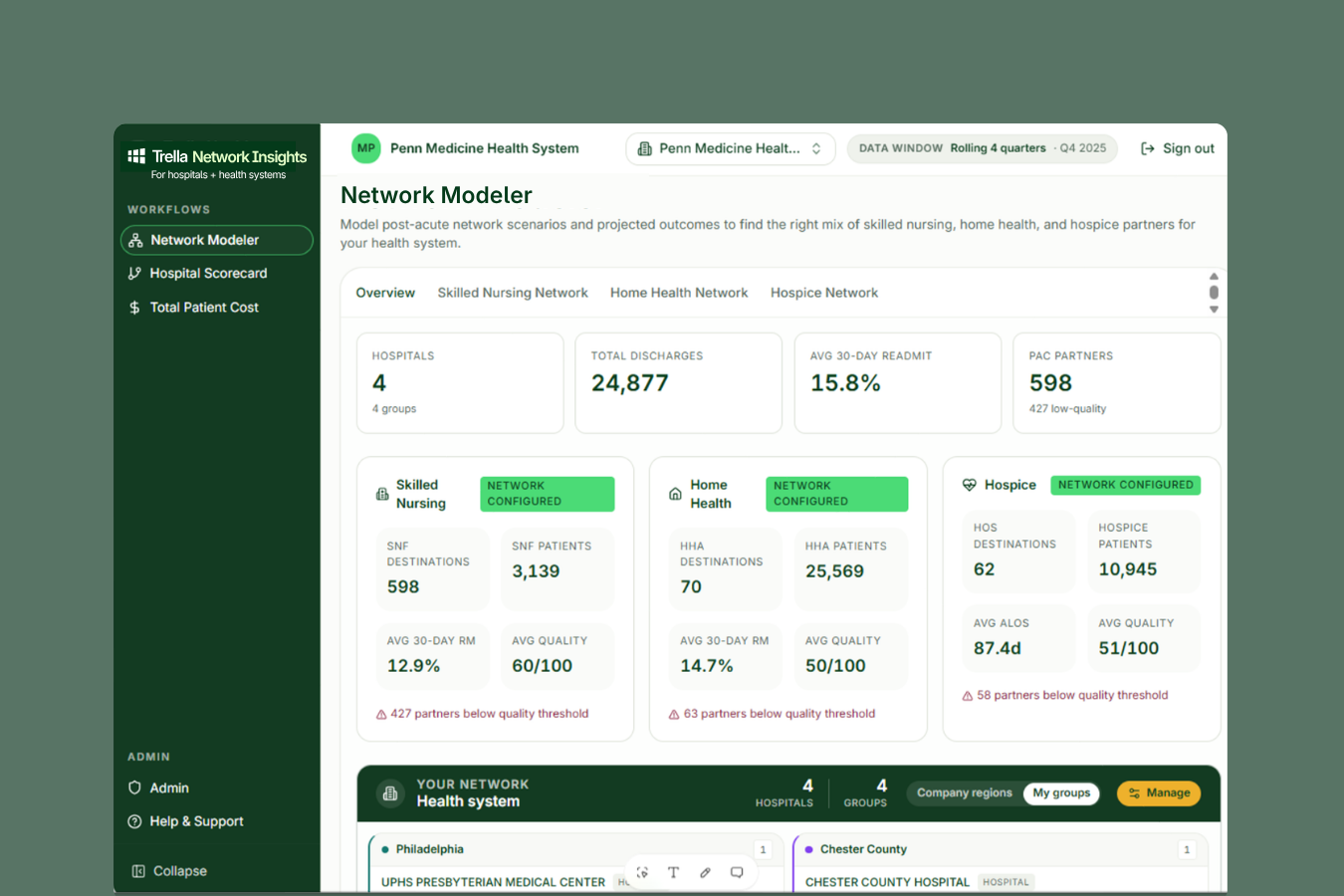
As episode accountability grows, hospitals and ACOs will need more intentional post-acute network strategies. Preferred provider networks will be expected to support timely placement, strong outcomes, and cost-effective care.
This creates pressure on both sides of the referral relationship.
Hospitals need to know which post-acute providers can support performance goals across specific episodes. Post-acute providers need to demonstrate why they should be included in preferred networks and how they contribute to stronger outcomes.
Network design will increasingly depend on questions such as:
- Which providers receive the most referrals today?
- Where are patients going after discharge, and how does that vary by market?
- Which providers demonstrate stronger outcomes for specific episodes or populations?
- Where is referral leakage occurring?
- Which post-acute partners can support timely starts of care and reduce avoidable readmissions?
Without market-level visibility, organizations risk building networks based on legacy relationships rather than performance.
ACO Models Are Increasing the Need for Post-Acute Alignment
Episodic models are not the only force increasing accountability. ACO models are also expanding the need for stronger post-acute alignment.
The CMS Long-term Enhanced ACO Design Model, known as LEAD, is a voluntary 10-year accountable care model scheduled to run from January 1, 2027, through December 31, 2036.
For ACOs, post-acute care can be an important component of total-cost management for ACOs. Skilled nursing utilization, home health engagement, readmission prevention, and care transitions all affect performance. As ACO arrangements evolve, hospitals and providers will need better visibility into the post-acute partners that can support their population’s health and cost management goals.
For post-acute providers, this creates a strategic opportunity. Organizations that can demonstrate performance, access, and market relevance will be better positioned for ACO partnerships and preferred network inclusion.
Variation Is the Opportunity
One of the most important realities in episode accountability is variation. Referral patterns, discharge destinations, post-acute utilization, readmission rates, and provider performance can differ significantly across markets.
Trella’s analysis found substantial geographic variation in post-acute care utilization. Home health utilization ranged from 11.9% to 35.4%, a range of 23.5 percentage points. Skilled nursing utilization ranged from 8.0% to 29.6%, a range of 21.6 percentage points.
That variation creates risk when organizations cannot see it. It creates opportunity when they can.
A hospital may discover that similar patients are being discharged to different care settings across markets. An ACO may identify that certain providers are supporting stronger outcomes for specific patient populations. A post-acute provider may uncover referral sources where its performance is strong, but its share remains low.
Data-driven organizations can use this variation to improve network design, focus outreach, strengthen discharge planning, and align care transitions with performance goals.
Preparing for a More Accountable Post-Acute Future
As TEAM, CJR-X, LEAD, the Medicare Shared Savings Program, and other accountability models continue to evolve, post-acute performance will become increasingly central to financial and clinical outcomes.
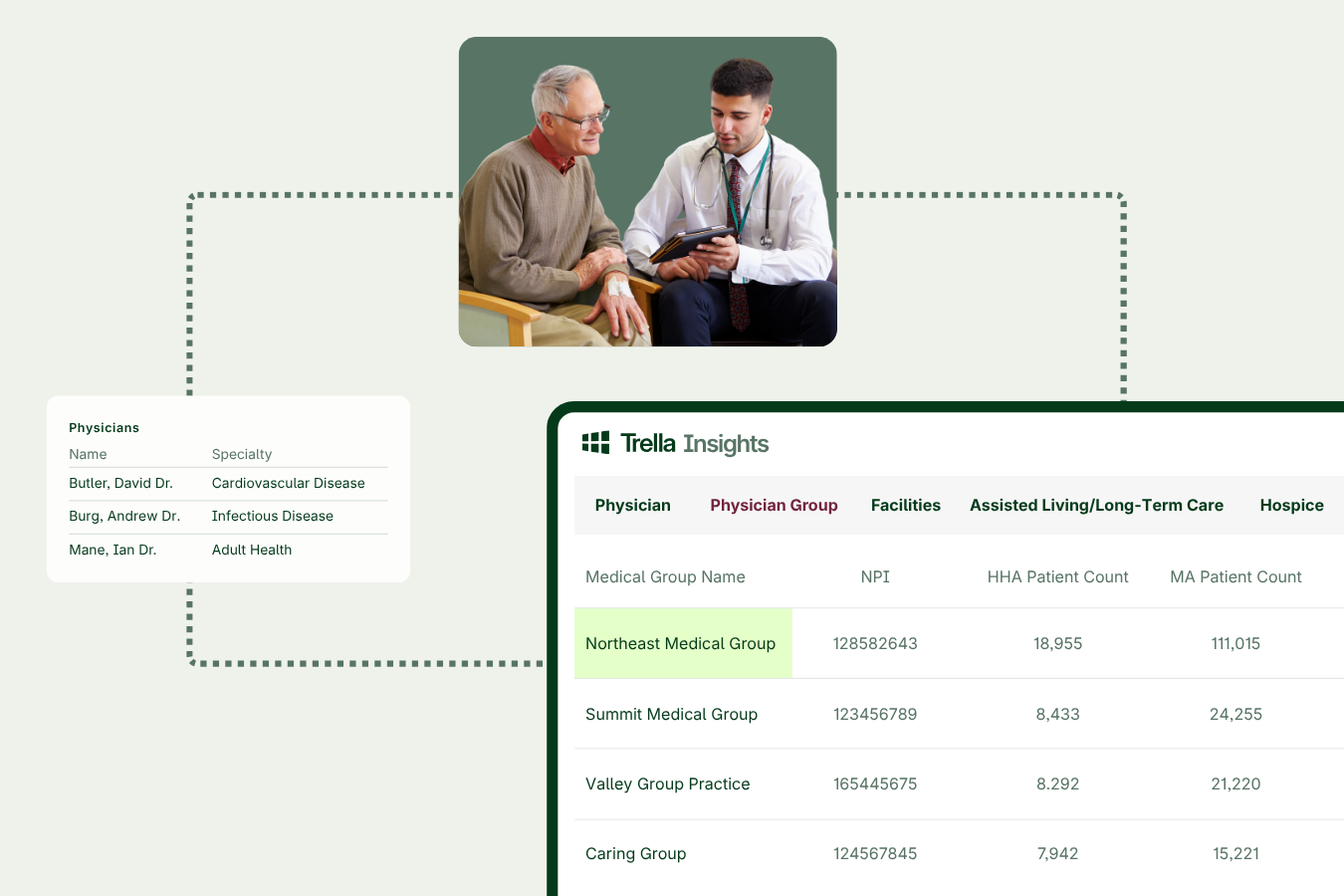
Trella Health gives healthcare organizations a clear view of referral patterns, market variation, payer dynamics, and provider performance across service lines and geographies. Through Trella Insights and Trella CRM, teams can prioritize high-value referral relationships, uncover network opportunities, and align growth strategy with the realities of episode-based accountability.
For hospitals and discharge teams, Trella Discharge streamlines the care transition moment, guiding patient choice and post-acute placement through a more compliant, efficient workflow. The result is a tighter connection between discharge decisions, network strategy, and post-acute performance.
See how Trella Health helps organizations reduce variation, strengthen post-acute networks, and improve performance in an increasingly accountable healthcare environment.