Patients don’t want to spend a minute more—or less—in the hospital than necessary, and hospital leaders share that goal: quality care at the right time. Avoidable delays, whether in the emergency department, testing, discharge planning, or post-acute placement, affect patient safety, staff efficiency, throughput, and the overall care experience. Managing and eliminating these delays reduces length of stay and prevents financial loss.
Some delays are unavoidable—a patient’s condition changes, a specialist needs more information, or a safe discharge plan requires coordination across settings. But many delays are preventable when teams see barriers early, communicate clearly, and act with intentional shared urgency.
Trella Health, a leader in post-acute market intelligence and discharge automation, uses technology-driven solutions to eliminate delays, streamline patient transitions, enhance communication among care teams, and ensure compliance with discharge planning regulations. This post explores those challenges and how automation creates a more efficient, patient-centered transition workflow.
Why Avoidable Delays Matter
Delayed care ripples across the hospital. When patients remain in beds after they’re medically ready to move on, ED admissions slow, ambulance handoffs back up, procedures are postponed, and staff spend more time on workarounds than on advancing care.
For patients and families, delays can feel confusing and frustrating. They may increase the risk of deconditioning, hospital-acquired complications, medication discrepancies, anxiety, and loss of confidence in the care plan. For clinicians, delays often mean moral distress—everyone knows what should happen next, but the system isn’t aligned to make it happen quickly.
Common Sources of Avoidable Delay
- Unclear discharge readiness: The care team, patient, and family don’t always agree on what must happen before a safe discharge.
- Late identification of barriers: Transportation, home support, durable medical equipment, insurance authorization, or post-acute placement needs may surface too late.
- Fragmented communication and workflows: Consultants, nursing, therapy, pharmacy, case management, patients, and families each hold part of the answer, but not always at the same time, and manual workflows compound the delay.
- Incomplete medication reconciliation: Delays occur when home medications, new prescriptions, prior authorizations, or patient education aren’t addressed early.
- Limited post-acute capacity: Skilled nursing, rehab, behavioral health, hospice, and home health availability create bottlenecks beyond the hospital’s walls.
- Documentation gaps: If the expected discharge date, barriers, and responsibilities aren’t visible in the daily plan, teams miss chances to act sooner.
What Hospitals Can Do Differently
Reducing avoidable delays isn’t about one person or discipline pushing harder—it’s about designing daily workflows that make the next step visible, assignable, and measurable.
1. Start Discharge Planning on Day One
Discharge planning starts at admission: identify barriers early and track the estimated discharge date (EDD), including anticipated destination, caregiver needs, transportation, medication access, and follow-up requirements—supported by a timely case management assessment and early interdisciplinary planning.
2. Make Barriers Visible Every Day
A daily huddle or discharge readiness board should answer three questions: What’s keeping the patient here today? Who owns the next action? When will it be done? Visible barriers are easier to escalate and resolve, and leadership dashboards can reflect delays in real time.
3. Use Structured Interdisciplinary Rounds
Effective rounds are focused, timely, and action-oriented—aligning the team around EDD, readiness, barriers, ownership, and next steps rather than repeating clinical detail across nursing, case management/social work, therapy, pharmacy, and providers.
4. Communicate Early with Patients and Families
Patients and families need to understand the care plan, likely discharge timing, warning signs, medications, equipment needs, and follow-up appointments. Proactive communication reduces delays and surprises and gives families time to arrange support.
5. Utilize Physician Advisors as a Proactive Operational Leader
Physician advisors bridge clinical care and administrative efficiency—removing clinical barriers, lending peer credibility, streamlining peer-to-peer escalations, and educating providers on utilization management.
6. Build Stronger Bridges to Post-Acute Partners
Hospitals cannot solve discharge delays alone. Strong post-acute networks—skilled nursing facilities, home health agencies, rehab providers, behavioral health partners, payers, and community resources—are essential. Shared expectations, closed-loop communication, real-time bed availability, and clear escalation pathways reduce wait times and prevent readmissions.
The Leadership Opportunity
Avoidable delays are often framed as a throughput problem, but they are also a leadership signal—revealing fragmentation, slow decision-making, and gaps in shared data that leave patients facing unnecessary uncertainty.
Leaders can help by setting clear expectations, measuring delay reasons, removing recurring barriers, and treating discharge readiness as a daily safety priority—not an administrative afterthought.
CMS focuses on the broader conditions of participation, but hospitals must also track state laws and accrediting body requirements. If you can’t see your avoidable delays, you can’t manage or eliminate them.
A Better Use of Hospital Time
Every day a patient is in the hospital should add value to their experience and recovery. When a patient waits because the next step is unclear, delayed, or unowned, that’s an opportunity for the health system to improve.
In a hospital, time is a critical resource. Reducing avoidable delays takes early planning, visible barriers, reliable communication, strong partnerships, and a culture that respects patients’ time as much as clinicians’. When hospitals get this right, patients move safely to the next level of care, teams work with less friction, and beds open up for the next person who needs them—producing safe, quality outcomes, a positive patient and employee experience, and financial benefit, including savings from reduced length of stay (roughly $2,500 per patient day) and new revenue from backfilled beds.
The Value of Working with Trella Health — Technology and Market Intelligence to Reduce Avoidable Delays
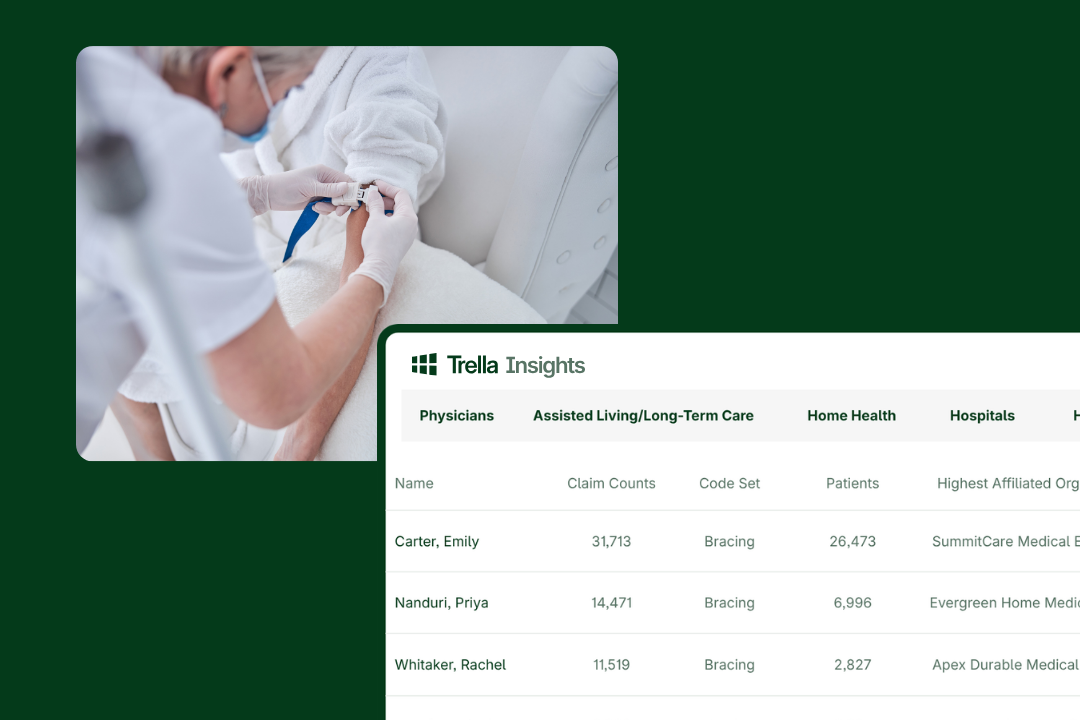
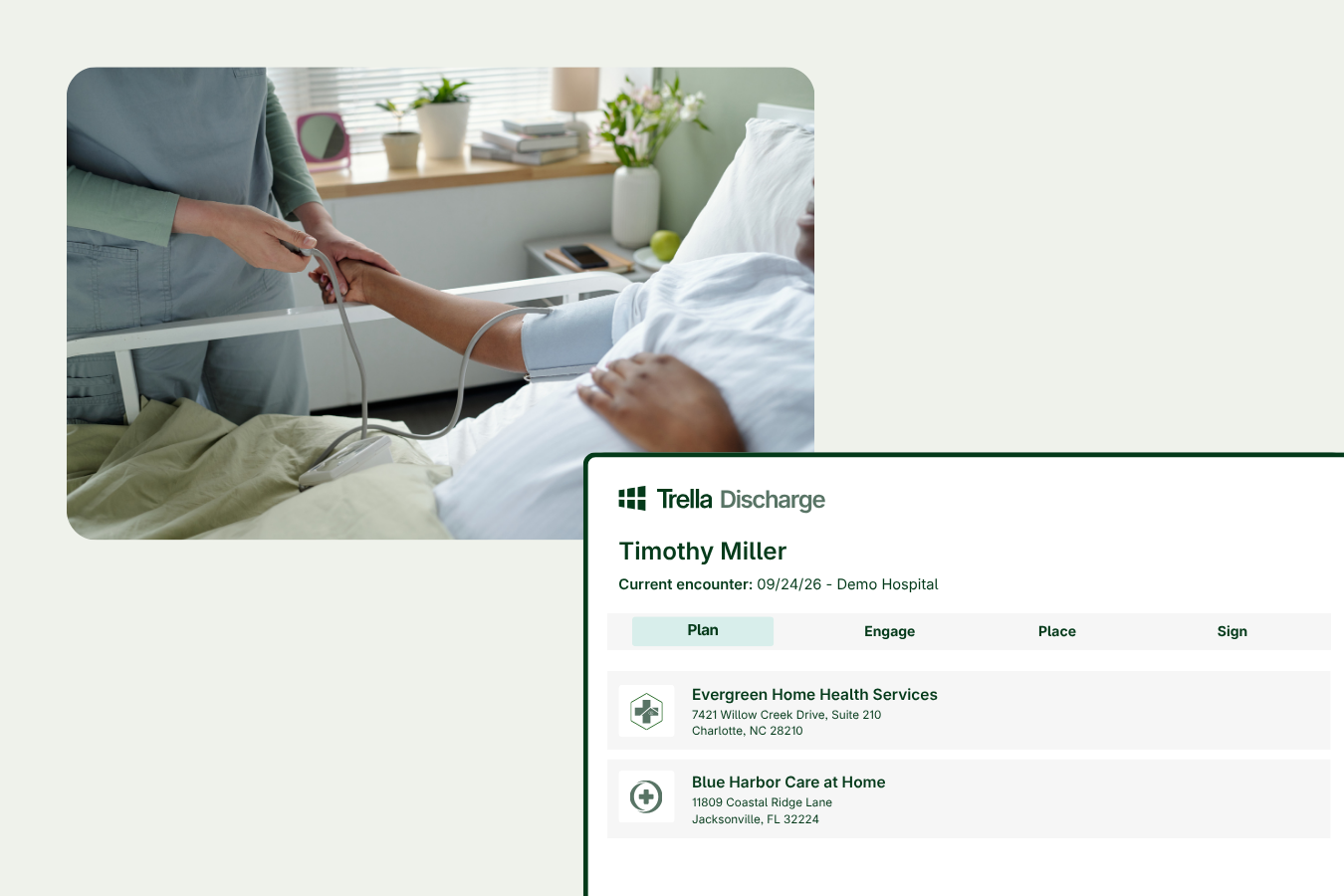
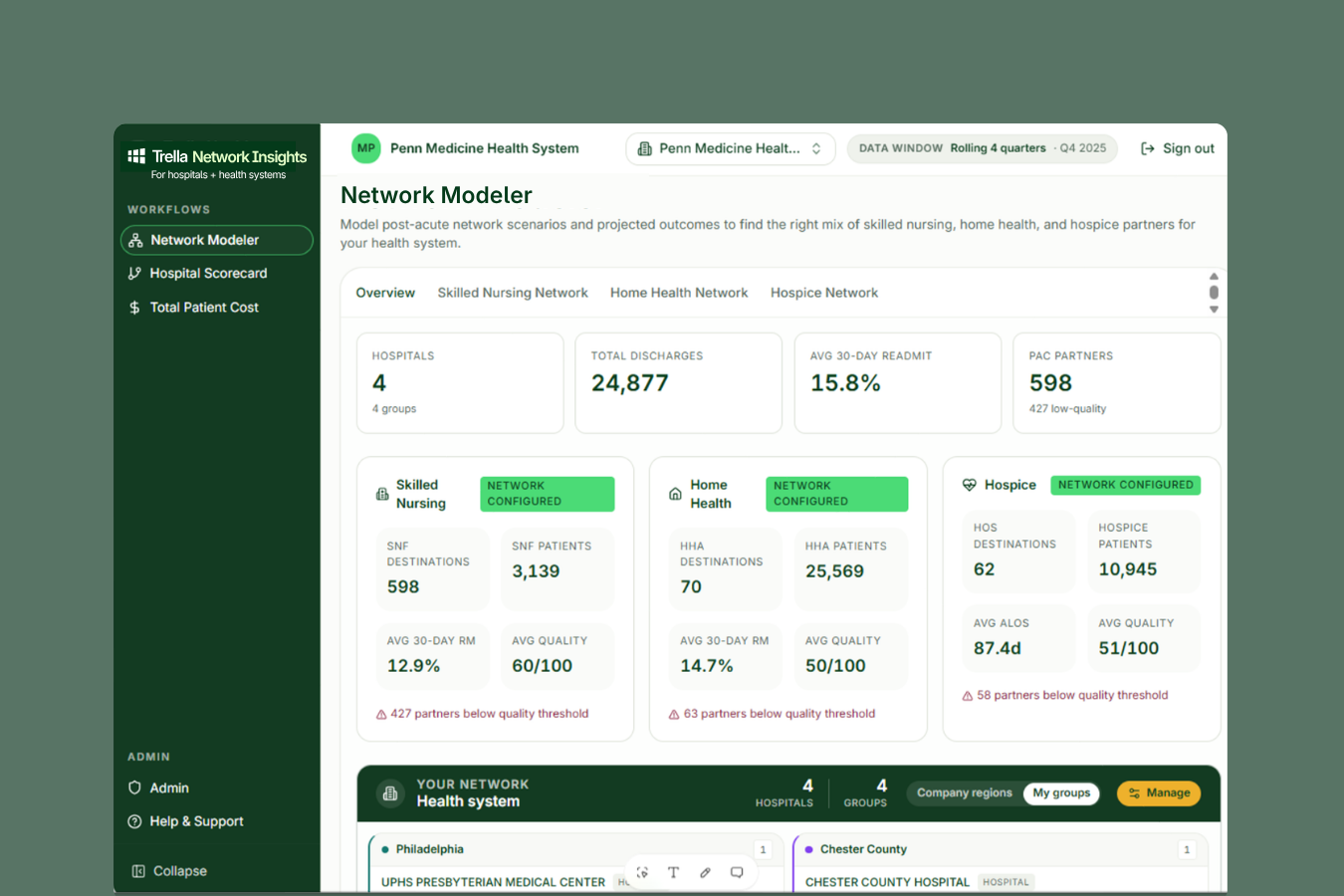
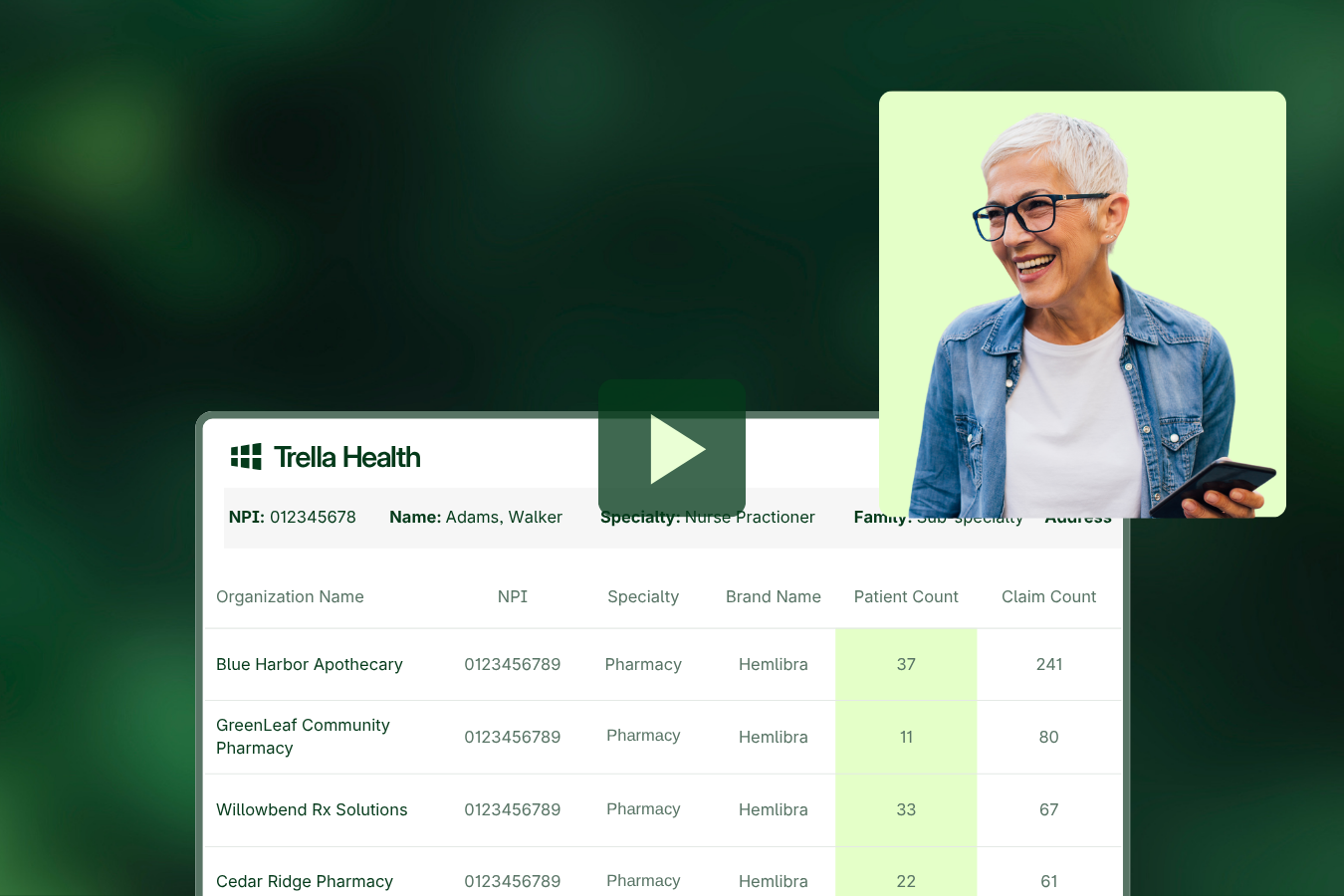
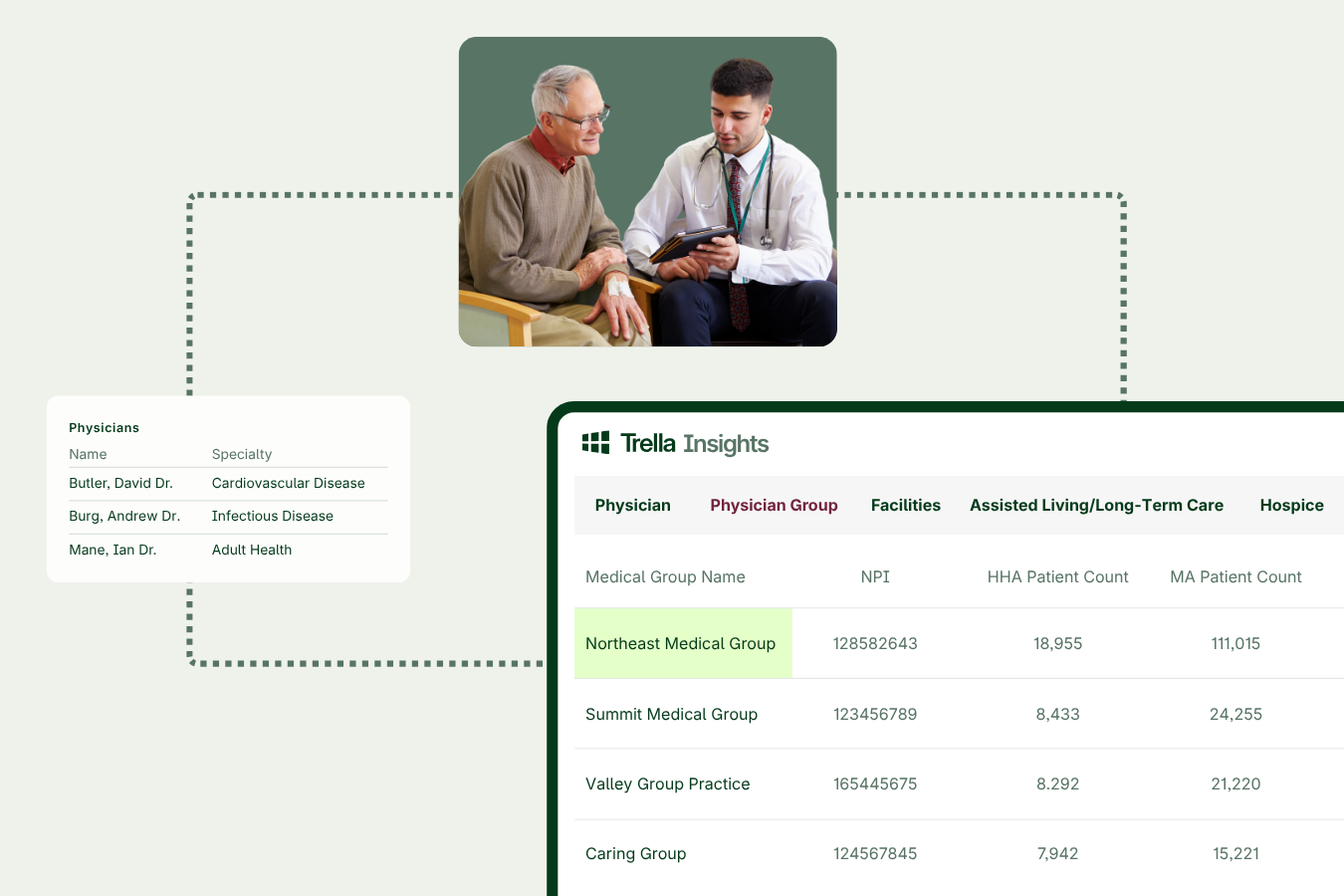
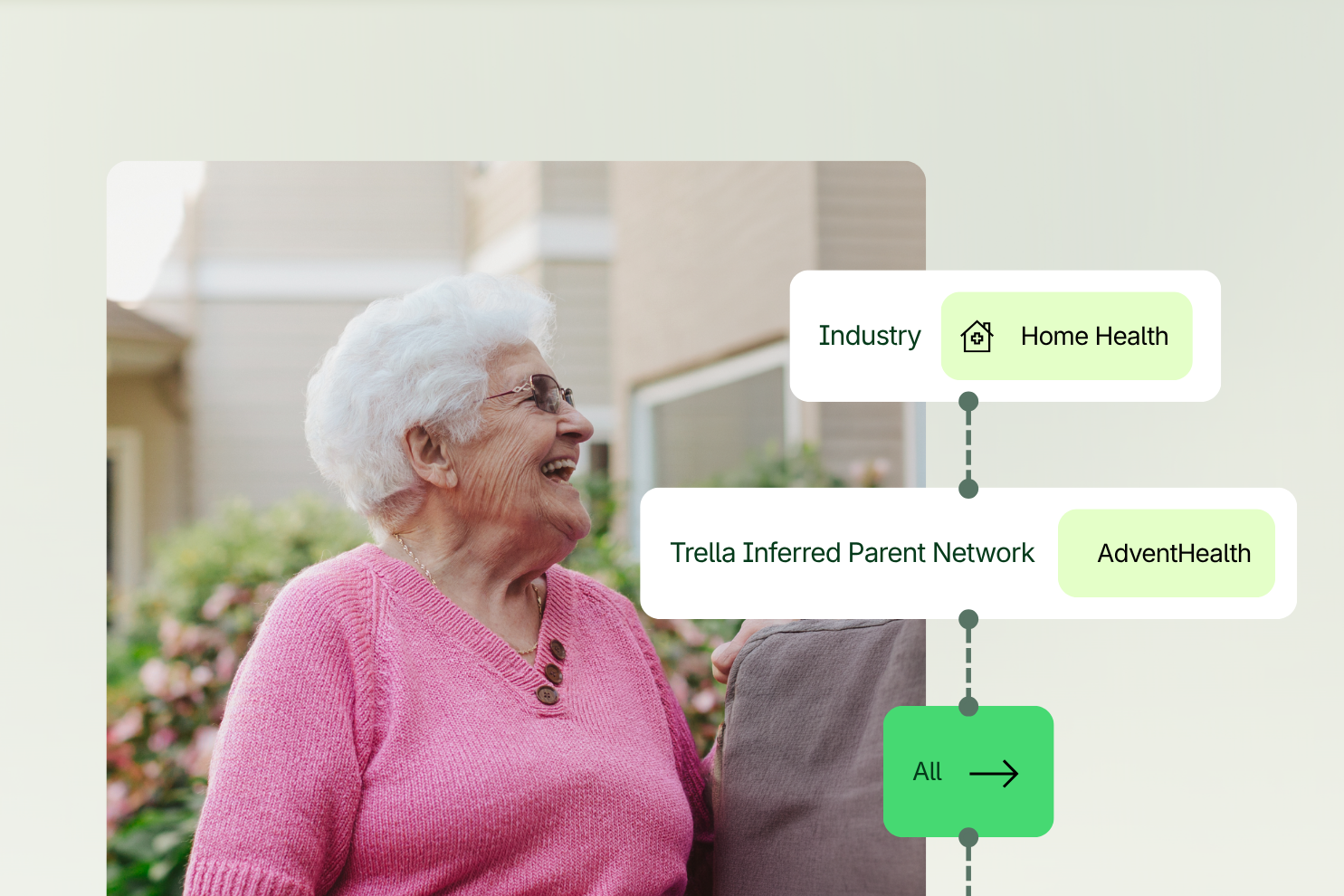
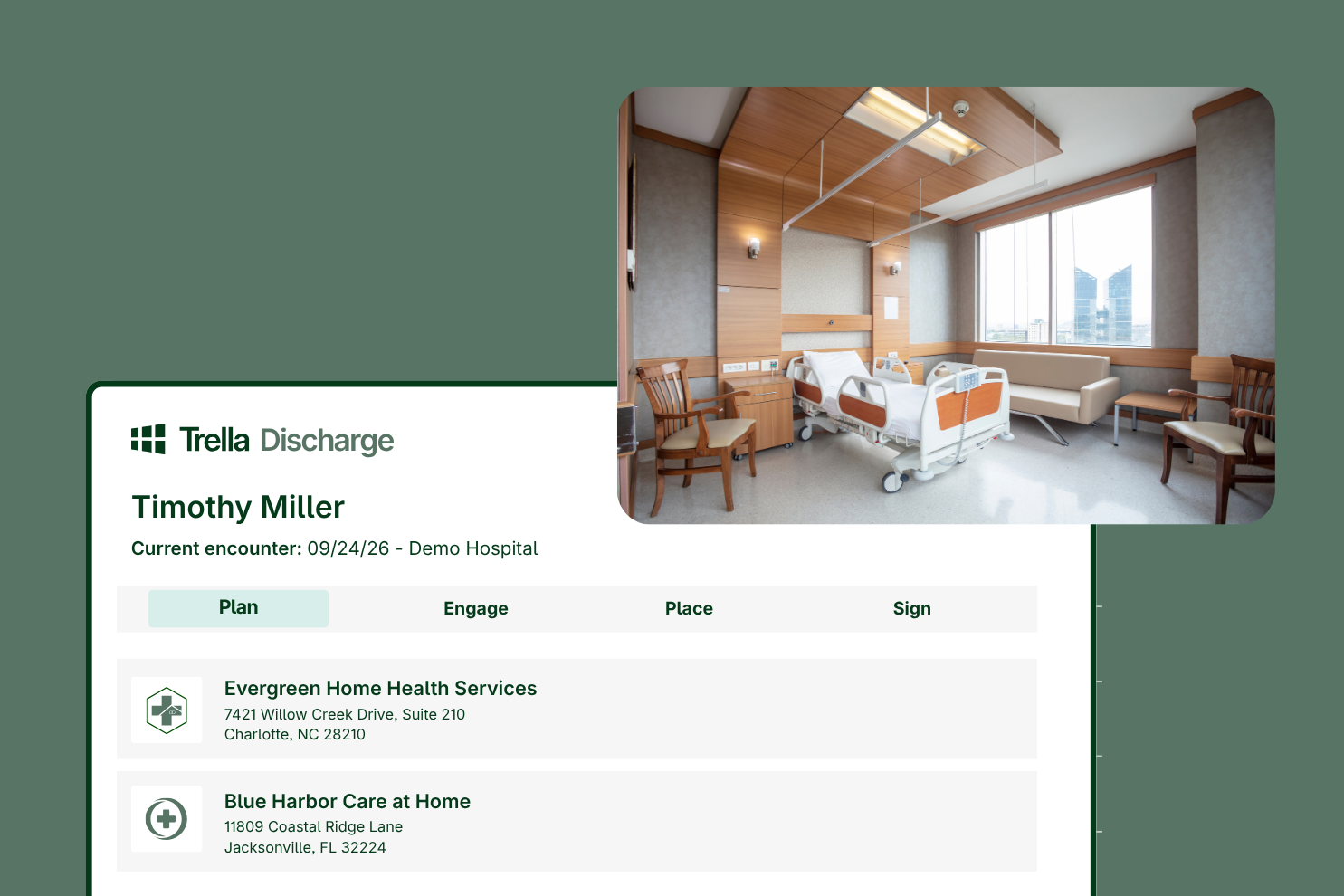
Trella Health combines two capabilities hospitals need to eliminate avoidable delays: automated discharge workflows and post-acute market intelligence. Trella Health moves care teams from manual, fragmented referral processes to EHR-integrated workflows that simplify patient choice, provider communication, referral status, and discharge readiness. It adds data-driven insight into post-acute provider performance, capacity, market dynamics, and care patterns, helping hospitals make more informed network decisions and match patients with the right next level of care.
Together, these capabilities create a more connected discharge process: hospitals plan earlier, place patients faster with the right post-acute partners, and measure outcomes over time—supporting shorter length of stay, fewer avoidable delays, and better patient-centered transitions to home, home health, skilled nursing, rehabilitation, or hospice.
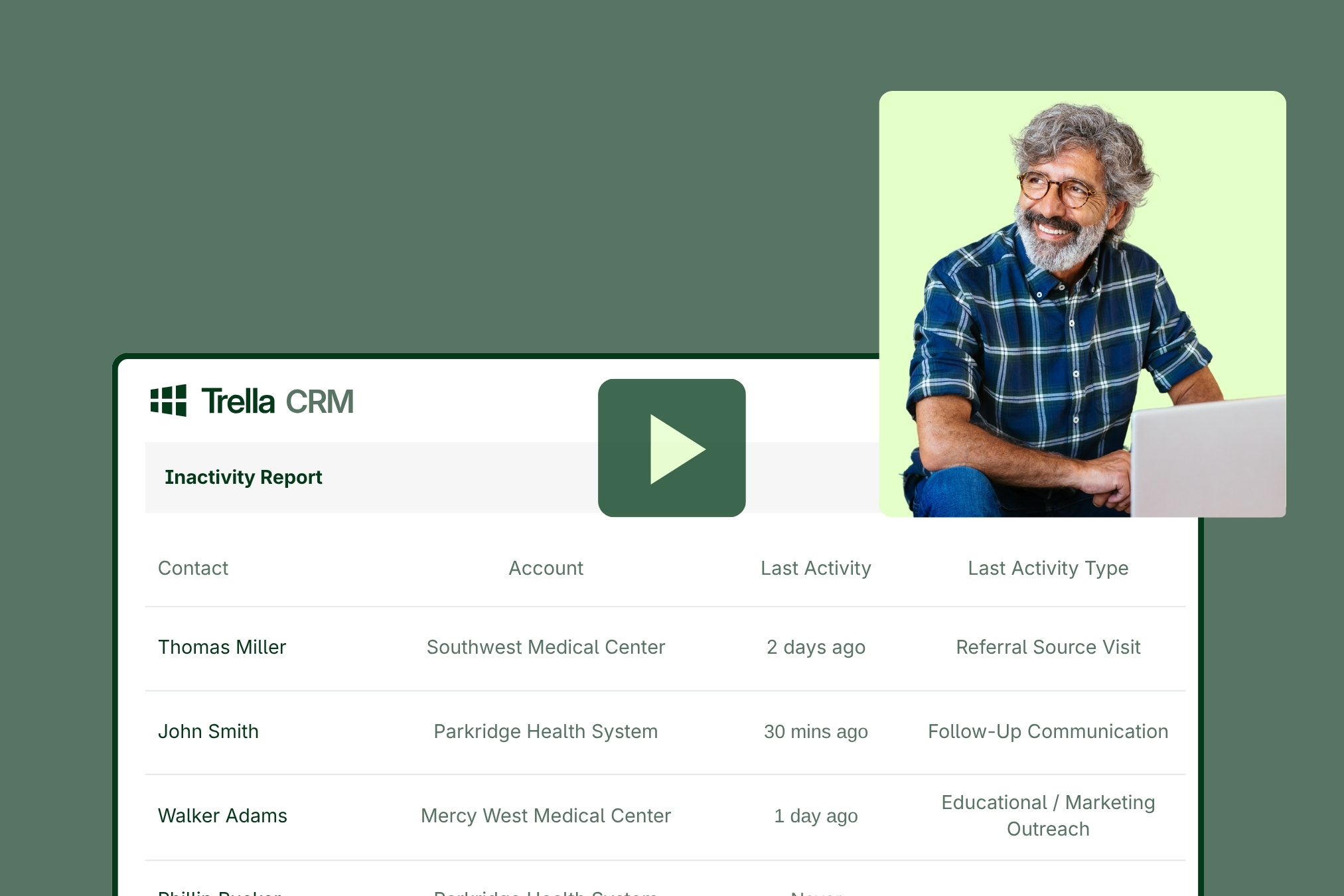
Trella Health’s discharge automation technology empowers hospitals to overcome inefficiencies, reduce costs, and improve patient care. Automation-assisted discharge planning can increase patient volumes without hospitals having to build additional infrastructure. It also helps achieve measurable improvements in efficiency and patient outcomes. By replacing legacy referral management systems with intelligent, streamlined workflows, healthcare providers can achieve faster discharges, improved patient care, and greater operational efficiency.
Learn More
Discover how Trella Health can help your hospital automate patient care transitions and drive better discharge outcomes. Contact us today to schedule a demo.