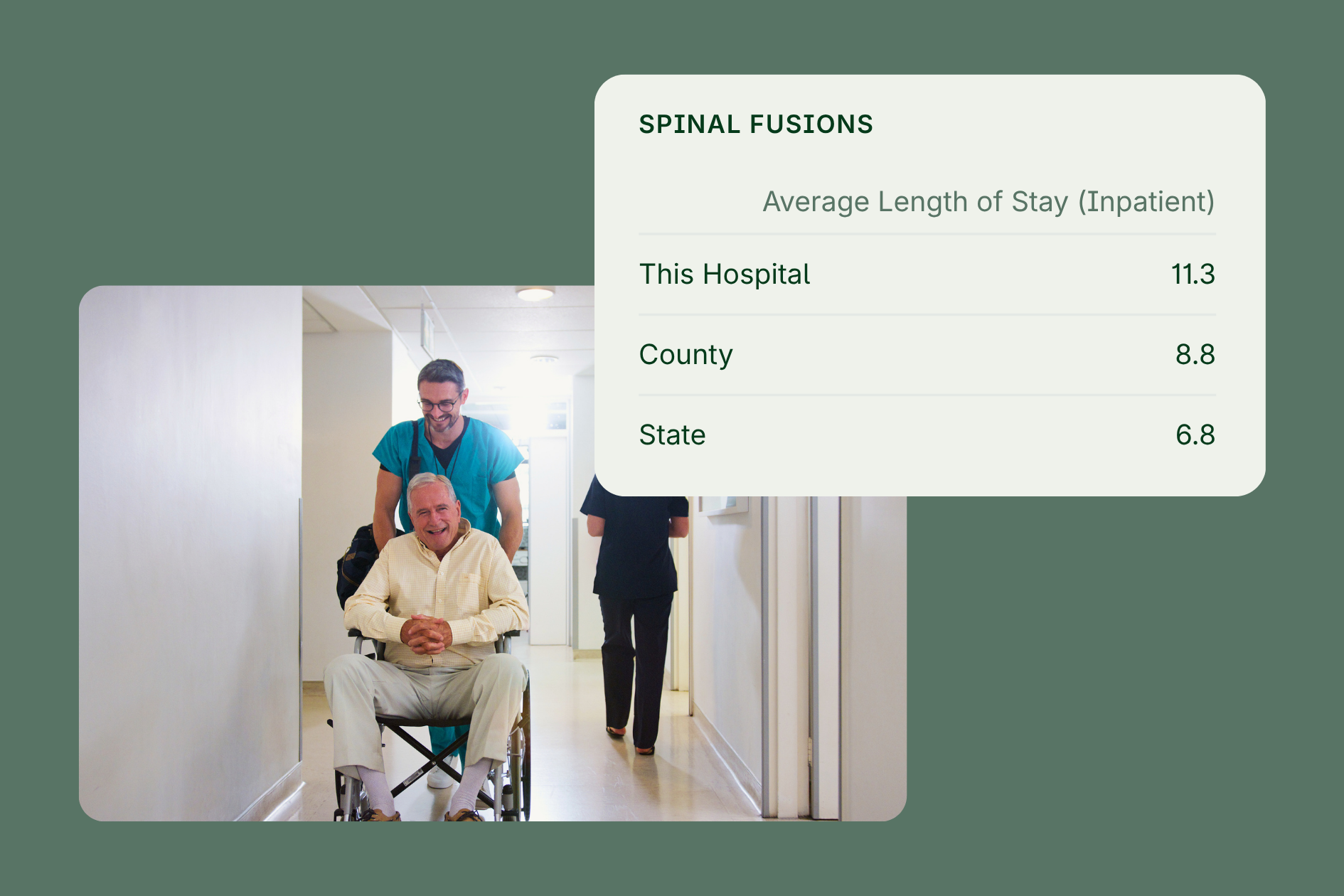

Patient discharges to post-acute care are a major driver of hospital length of stay increases. Health systems are developing partner post-acute care networks to reverse this trend.
Care transitions occur when a patient moves from one healthcare provider or setting to another, and they are a major driver of cost and patient outcomes. Roughly two in five Medicare patients discharged from a hospital go on to receive post-acute care (PAC) — about 41% of fee-for-service Medicare hospital discharges were followed by PAC in 2023, representing $57.7 billion in annual fee-for-service spending.
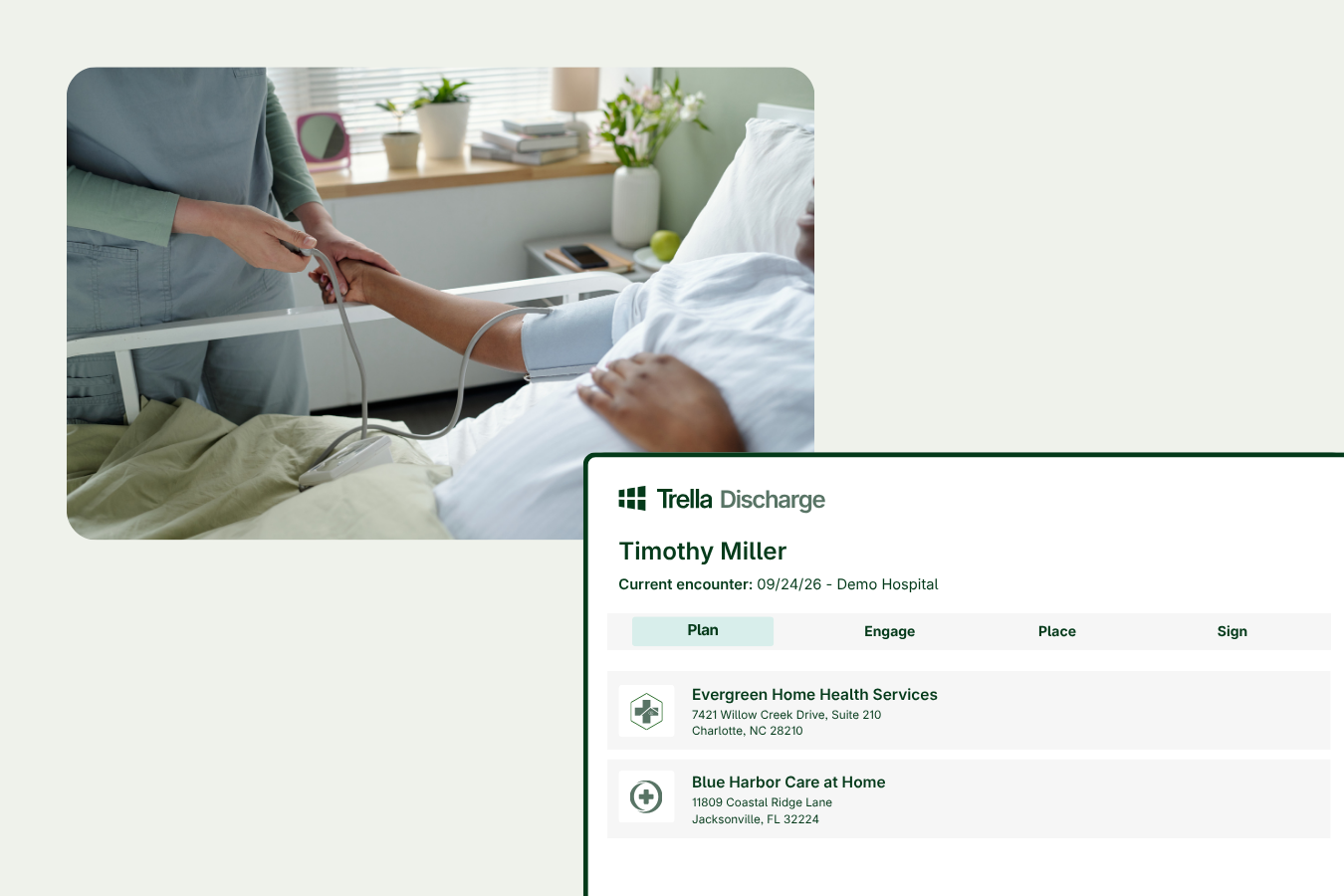
When a patient is ready to be discharged from the hospital and a level of care determination has been made, a patient requiring PAC must choose where to go or what care to utilize at home. The PAC provider must accept the patient’s insurance plan, offer the clinical services that they need, and have the capacity to accept the patient.
The logistics of setting up these care transitions can be complex and time consuming. Case managers and discharge planners must not only find a suitable set of PAC options, but they must also work with the patient and family to ensure the patient selects a PAC provider that can actually accept the patient.
As care transitions become more complex and hospitals continue to deal with capacity issues related to beds and staffing, patient discharges to post-acute care are significantly increasing hospital length of stay. American Hospital Association analysis found that case-mix-adjusted average length of stay rose 24% for patients discharged to post-acute care providers between 2019 and 2022, with discharges to skilled nursing facilities up 20.2%. Consequently, the question for health systems today is not whether to work more closely with post-acute care providers in their community, but how and with which ones.
The Rationale for Developing a Partner Post-Acute Care Network
Partner or preferred post-acute care networks are arrangements between hospitals/health systems and post-acute care providers, such as skilled nursing facilities, rehabilitation centers, or home health agencies. These networks are established to ensure smoother transitions for patients from acute to post-acute settings and to enhance the continuity and quality of care.
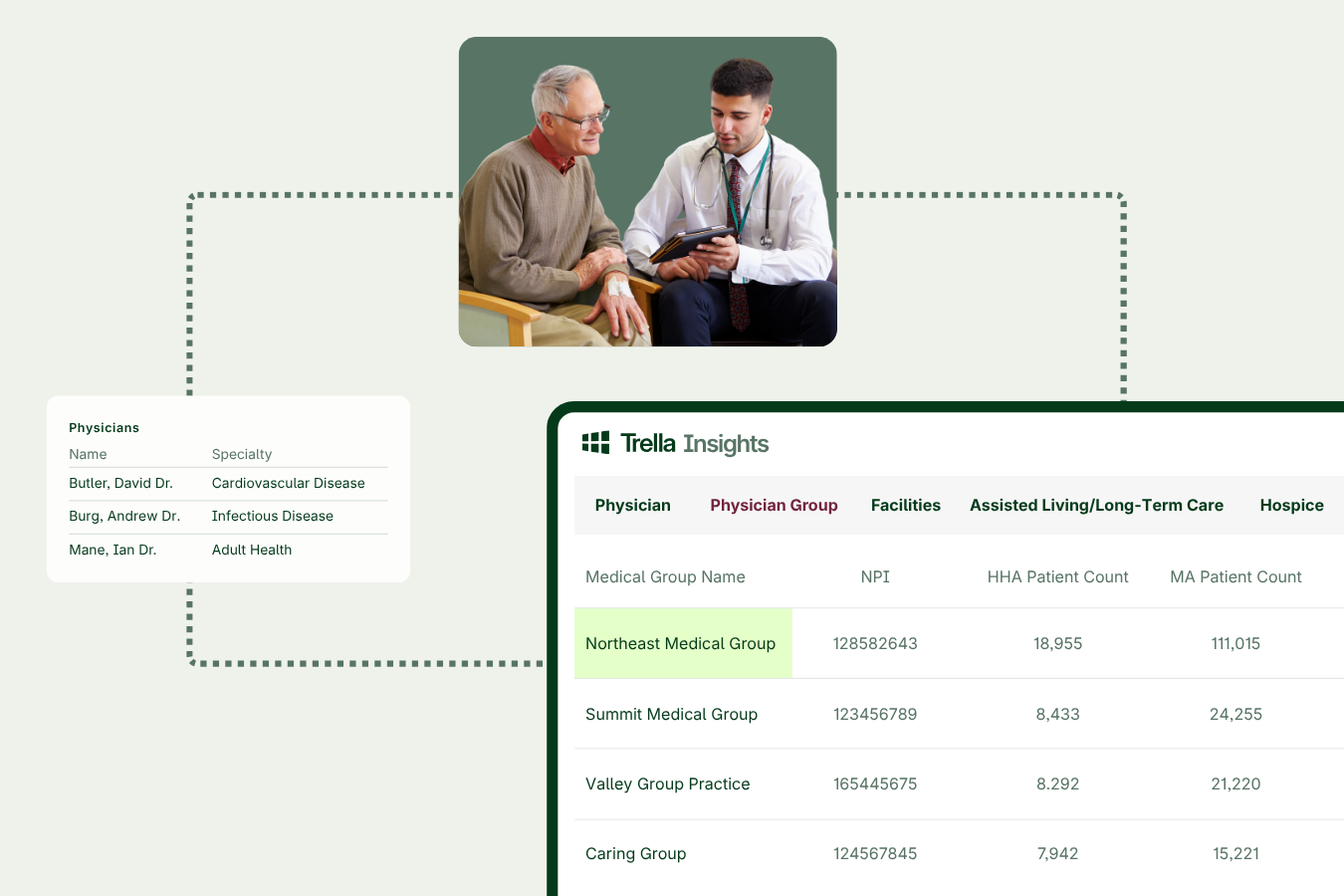
Health systems are well positioned to improve the overall value of post-acute care through partnerships. They are the primary source of PAC referrals and have the clinical capabilities to guide patients toward the lowest-cost, highest-quality care setting appropriate to the patient’s condition. Moreover, hospitals play a central role in organizing service offerings, including both network development and contracting.
Here’s how these networks typically function and how they contribute to reducing the length of hospital stays:
- Streamlined Referrals: Hospitals often have established relationships with specific post-acute care providers. When a patient requires post-acute care, the hospital can share information about these preferred providers while preserving the patient’s freedom to choose among participating Medicare providers, as Medicare’s discharge planning requirements (42 CFR 482.43) direct. Those rules also require hospitals to assist patients by sharing PAC quality and resource use data, and to disclose any financial interest the hospital holds in a home health agency or skilled nursing facility. Done well, surfacing the right options at the right moment reduces delays in arranging post-acute care services, which can help to expedite discharge from the hospital.
- Care Coordination: Partner or preferred post-acute care networks facilitate better communication and coordination between acute and post-acute care providers. This ensures that the post-acute care provider is prepared to receive the patient and continue their treatment plan seamlessly. Care coordination helps prevent gaps in care and reduces the risk of complications or readmissions, which can contribute to shorter overall lengths of stay.
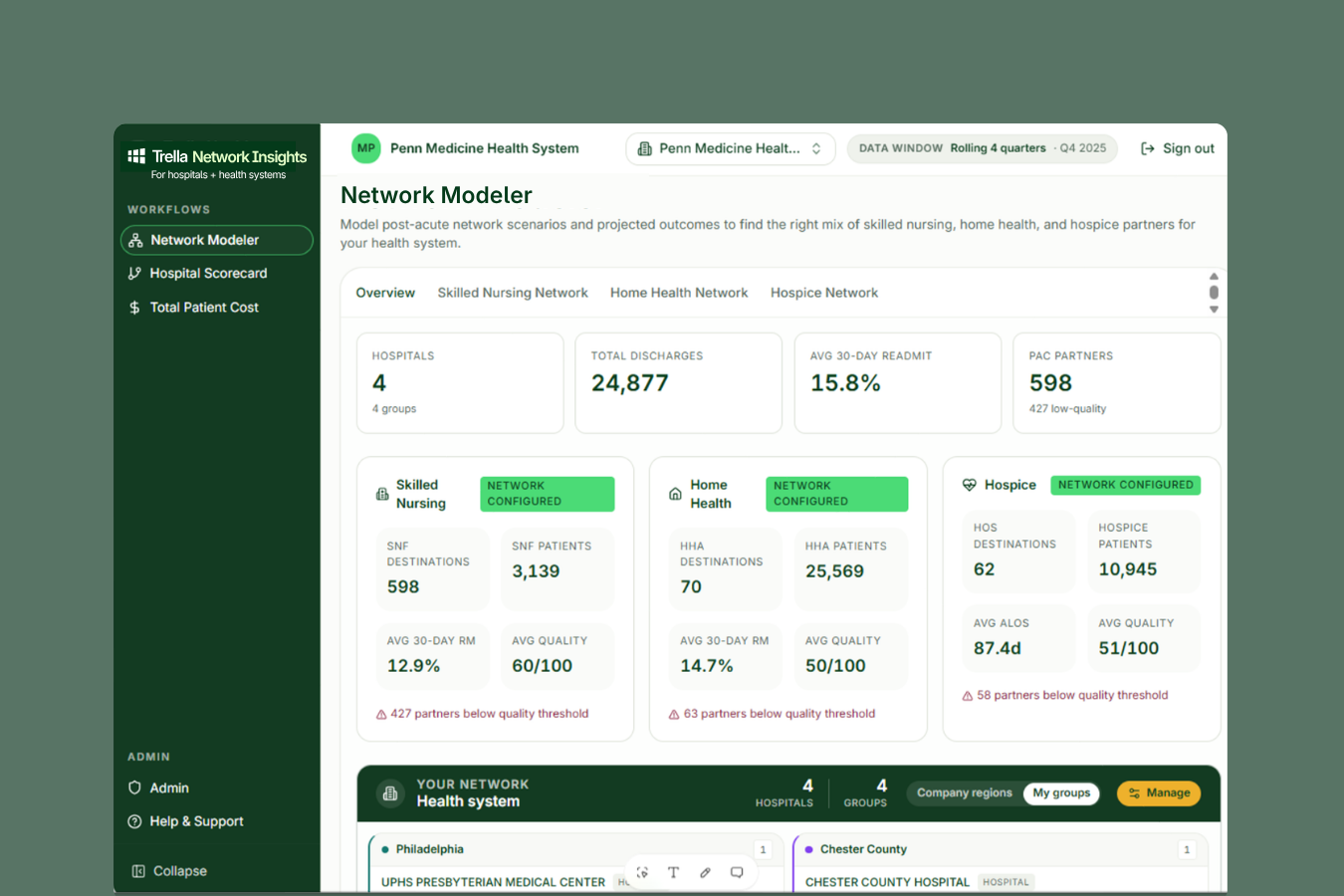
- Quality and Outcome Monitoring: Hospitals often select post-acute care providers based on their quality of care and outcomes. By partnering with high-performing post-acute care providers, hospitals can have more confidence in the care that patients receive after discharge. This can lead to better patient outcomes, including faster recovery times and reduced lengths of stay. Network performance data makes it possible to see where patients actually go after discharge, how those partners perform on readmissions and length of stay, and how a different network composition would change those results.
- Focused Rehabilitation: Post-acute care providers within these networks may specialize in certain types of rehabilitation or have expertise in specific conditions. When patients are referred to these providers, they receive targeted rehabilitation services tailored to their needs, which can expedite recovery and shorten the overall length of stay compared to receiving generalized care.
- Care Transitions and Follow-Up: Partner or preferred post-acute care networks often include protocols for ensuring smooth transitions between care settings and providing follow-up care after discharge. This comprehensive approach helps to prevent complications and address any issues that arise during the transition period, reducing the likelihood of readmissions and facilitating quicker recovery.
Overall, the relationship between partner or preferred post-acute care networks and the reduction of length of stay is rooted in improved coordination, communication, quality of care, and targeted rehabilitation services. By streamlining the transition from acute to post-acute care settings and ensuring continuity of care, these networks help patients recover more efficiently, ultimately leading to shorter hospital stays.
Are you interested in learning more about how partner post-acute care networks can help reduce length of stay? Trella Health works with health systems across the country to optimize and increase utilization of health system post-acute care partners. Request a demo or reach out to our team to learn more.
Sources: MedPAC, Post-Acute Care: Trends and Key Issues (March 2026); American Hospital Association, Patients and Providers Faced with Increasing Delays in Timely Discharges; 42 CFR 482.43, Condition of Participation: Discharge Planning.