Ask a post-acute sales rep what they think of their CRM and you’ll often hear a sigh. Too many clicks. Too much data entry. Too little payoff. But those frustrations usually come from tools that were never built for referral-driven growth.
Trella CRM is different. It’s purpose-built for home health, hospice, HME/DME, home infusion, and specialty pharmacy teams, with market intelligence and EHR data connected right into the workflow. Let’s clear up three common myths and share three facts worth knowing.
Myth 1: “A CRM is just more admin work for reps”
The reality: The right CRM gives reps time back. When Trella redesigned its CRM calendar, customers saw a 47% reduction in calendar admin time, saving each rep 1 to 1.5 hours every week.
That comes from features designed around how field teams work:
- Event templates standardize routine visits, so logging takes seconds, not minutes.
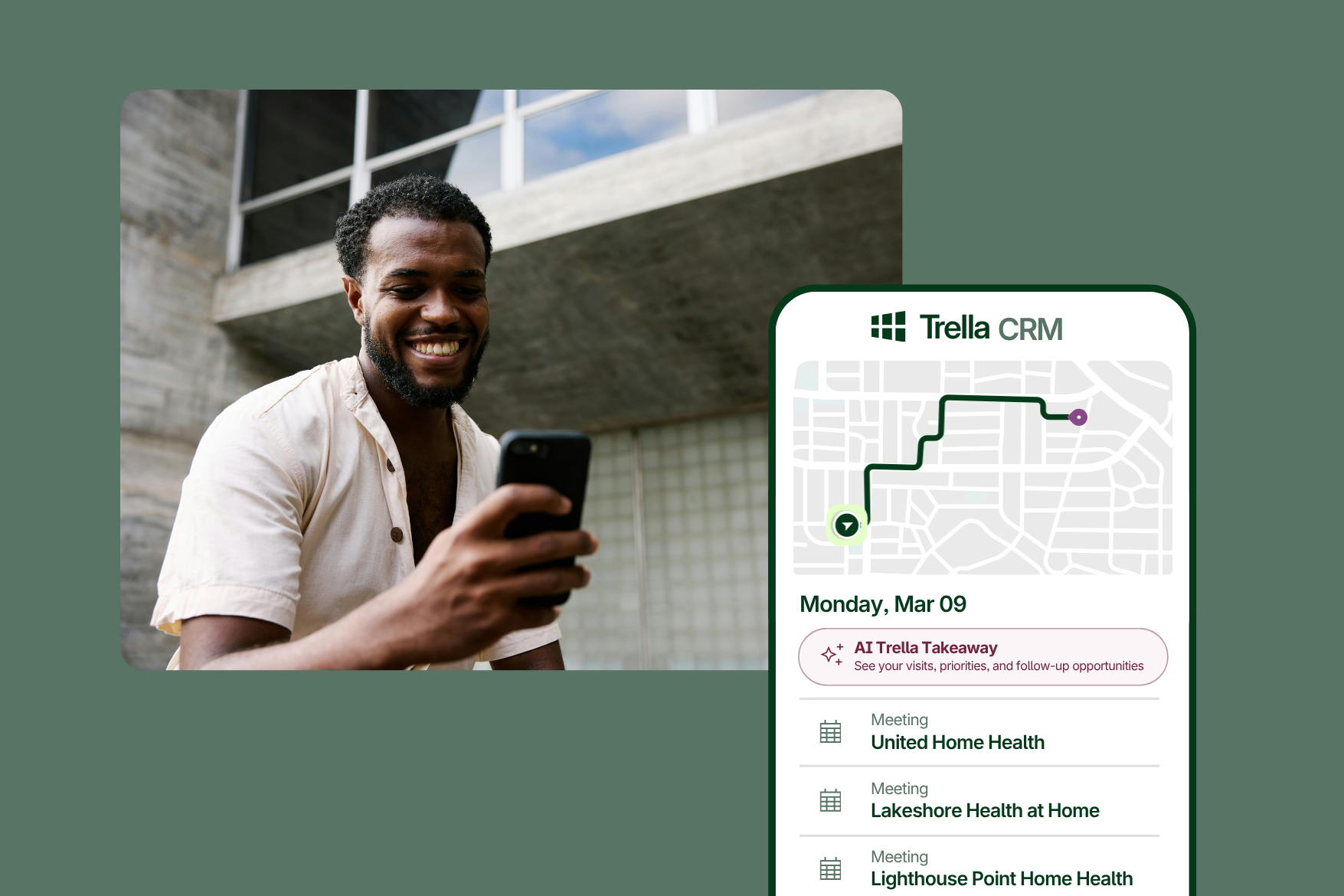
- Smart scheduling puts the calendar beside a rated Book of Business, with drag-and-drop planning.
- Voice-to-text lets reps dictate notes between visits instead of typing them up at the end of the day.
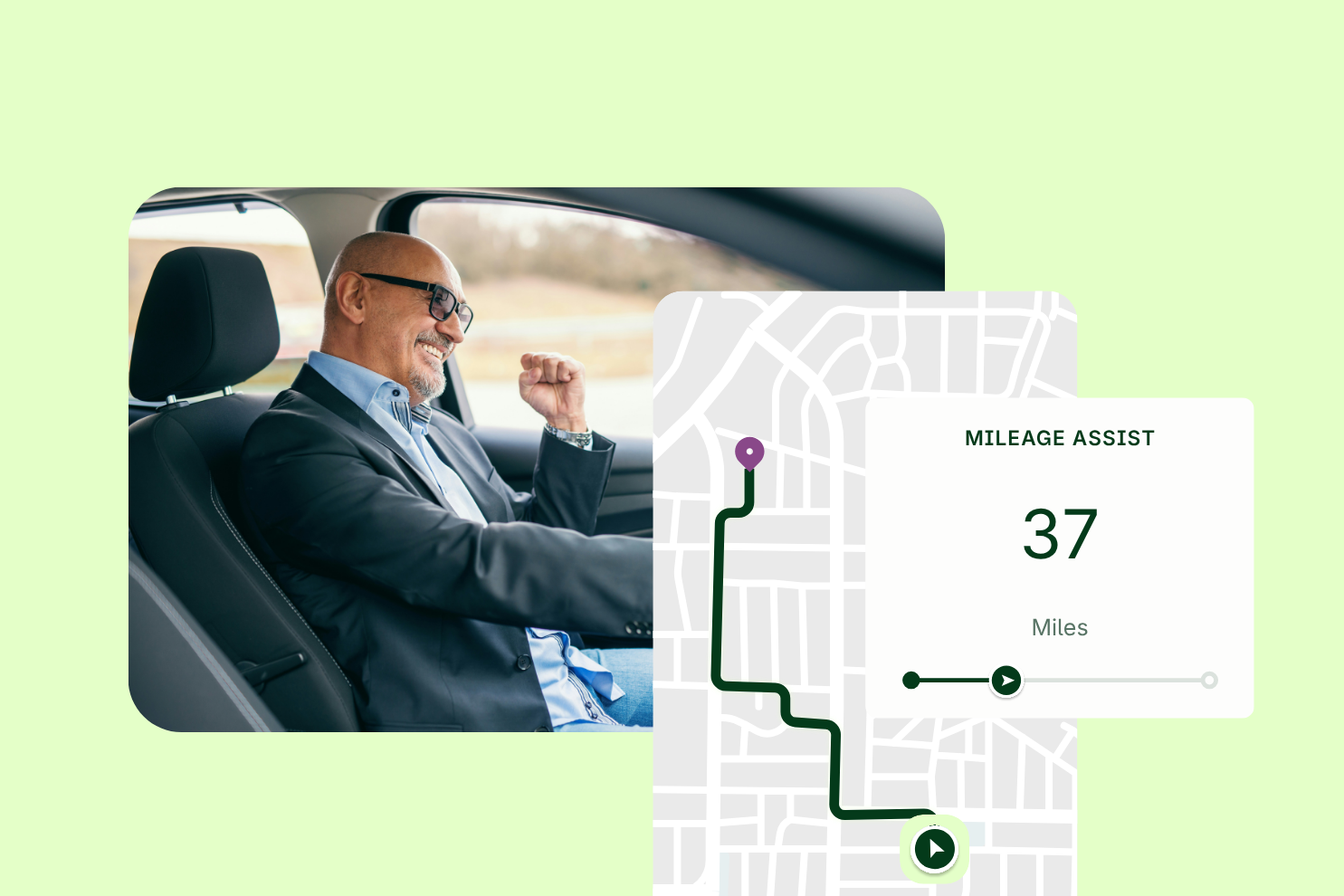
- Mileage Assist automates mileage tracking and reporting.
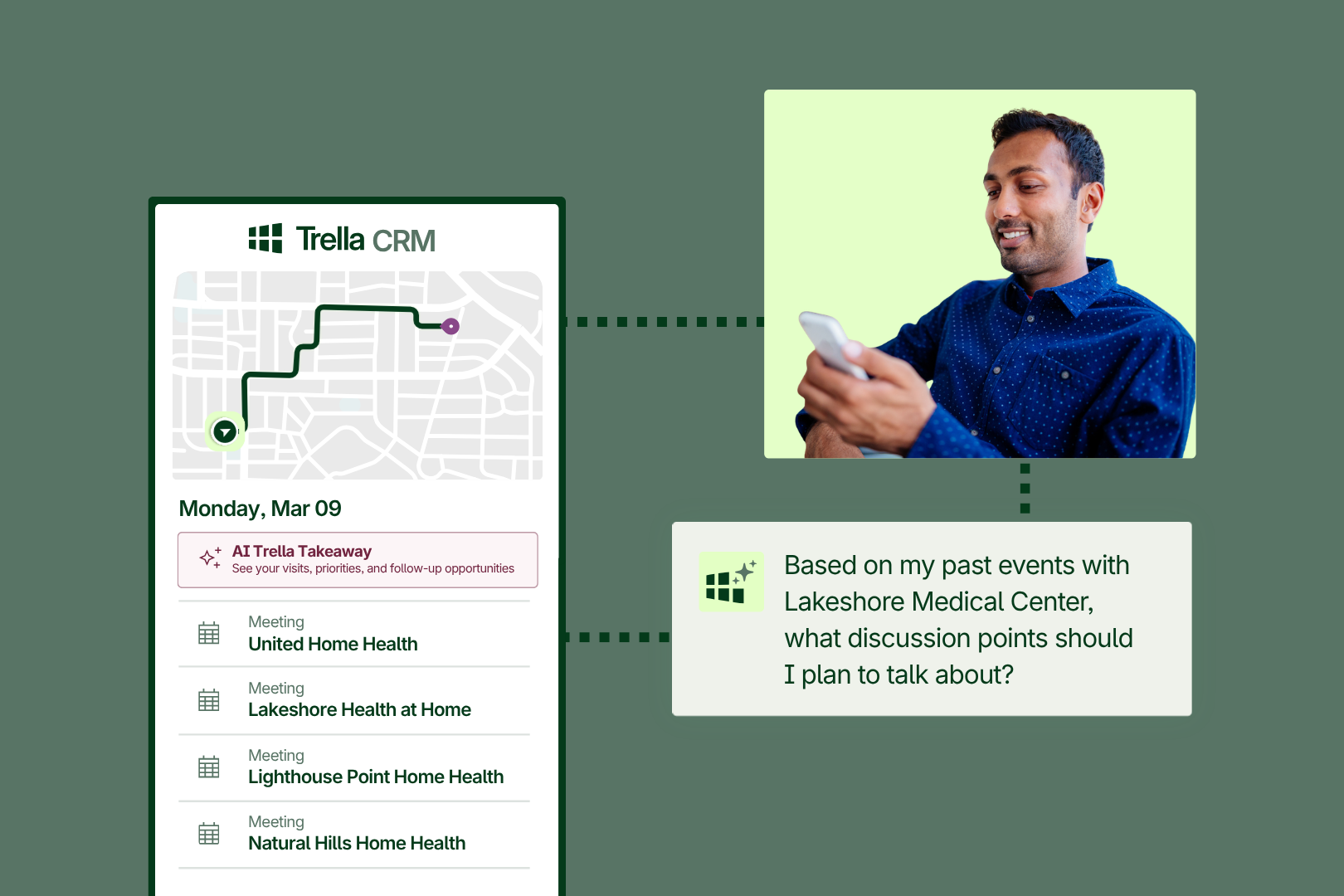
- CRM AI Assist turns quick call inputs into complete event notes, right from a phone.
Less time on paperwork means more time in front of referral partners.
Myth 2: “Any CRM will work for post-acute care”
The reality: General-purpose CRMs were built for retail and tech sales pipelines, not for referrals, admissions, and care transitions. Post-acute growth runs on a different motion.
Trella CRM is built for that motion. It tracks referrals from the very first contact with a referral source, including prospecting and cold calls, all the way through admission, with referral notifications along the way. It also connects to 30+ EHR systems, including Homecare Homebase, WellSky, and Brightree. That means teams can see the referral stage without re-keying data or chasing intake for updates.
Myth 3: “A CRM only shows what reps already did”
The reality: A CRM that only looks backward is a logbook. Trella CRM also points reps toward where to go next.
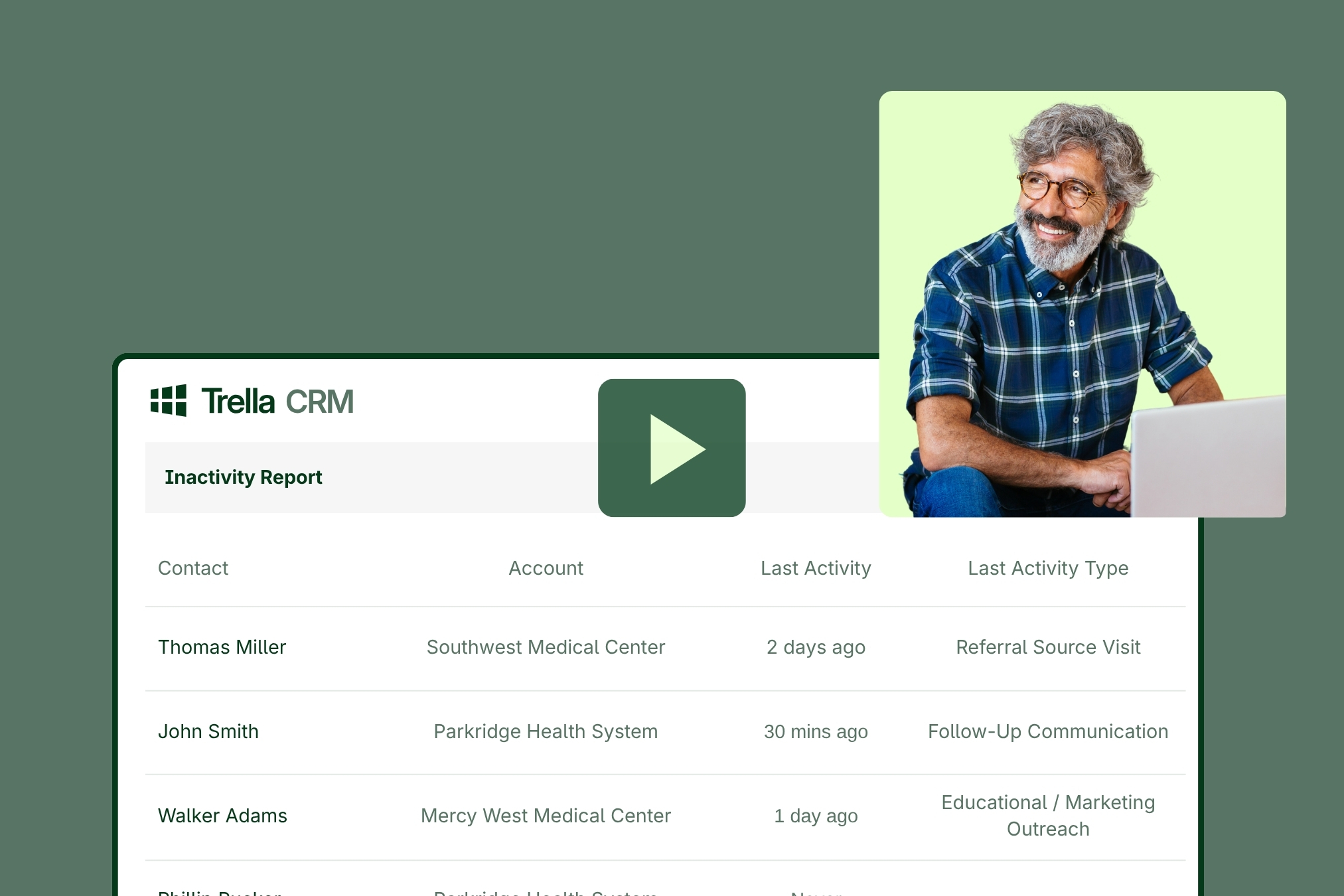
Calendar tools help reps plan ahead, not just record what’s done, so priority accounts stay on the schedule week after week. Reports highlight referral sources with no recent activity, so relationships don’t go cold without anyone noticing. Managers can use the same reports to spot coverage gaps across a territory and redirect effort before referrals drop off.
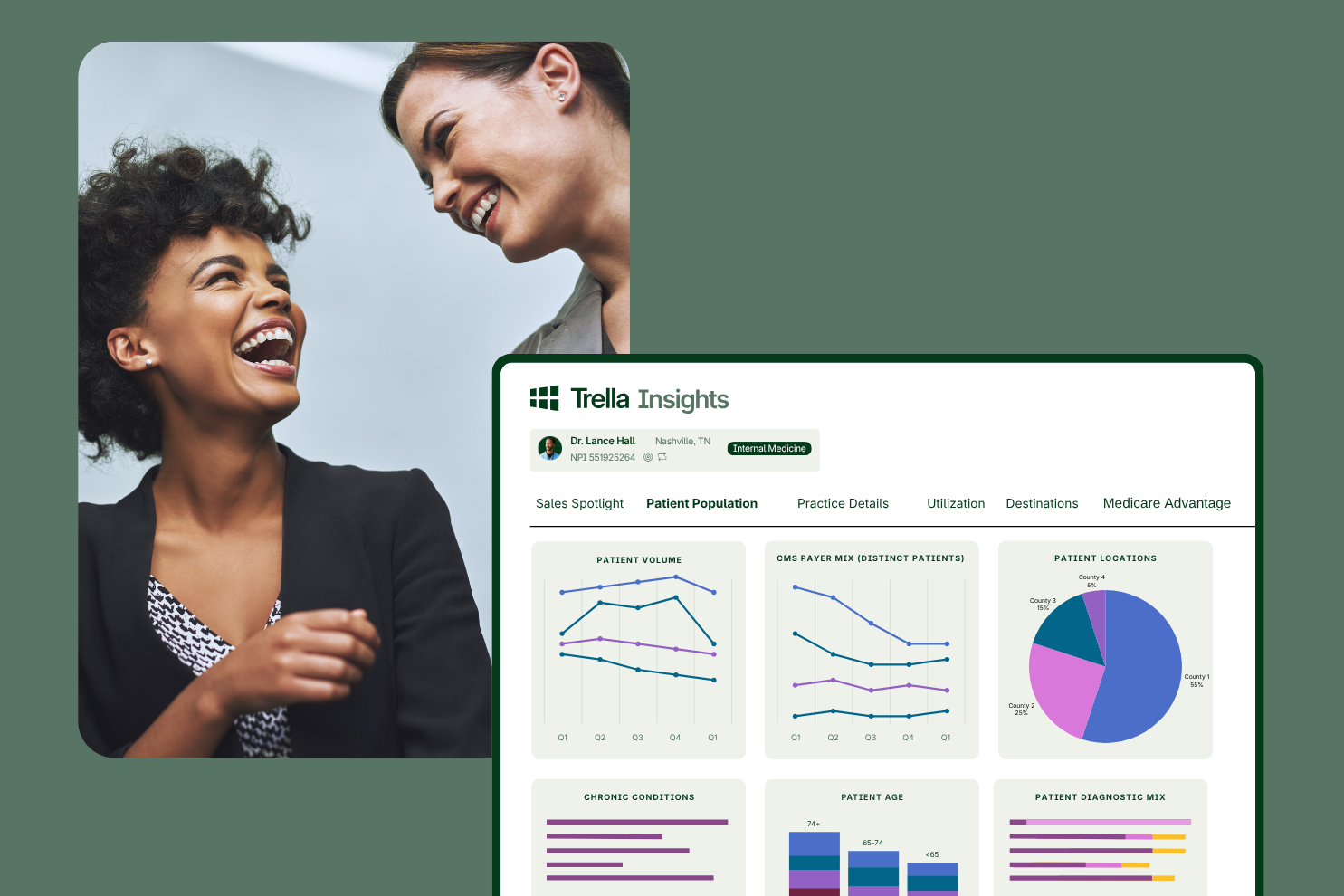
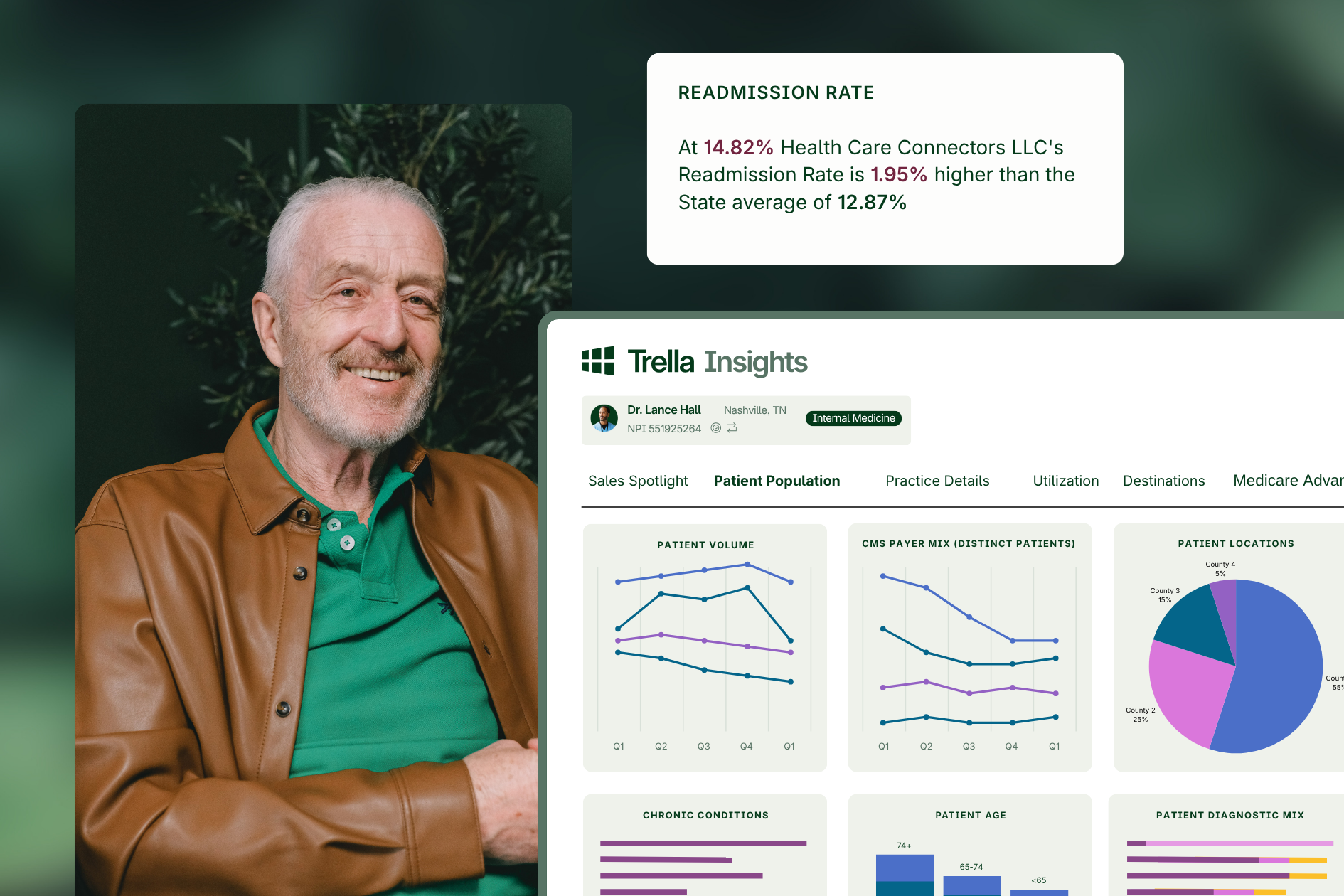
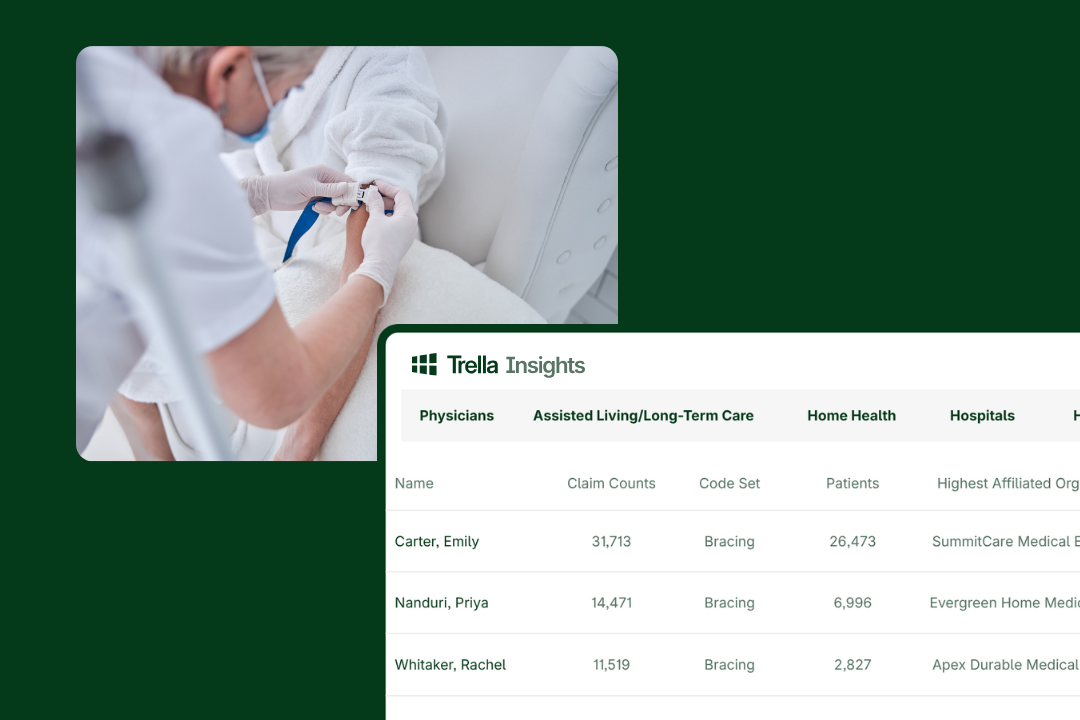
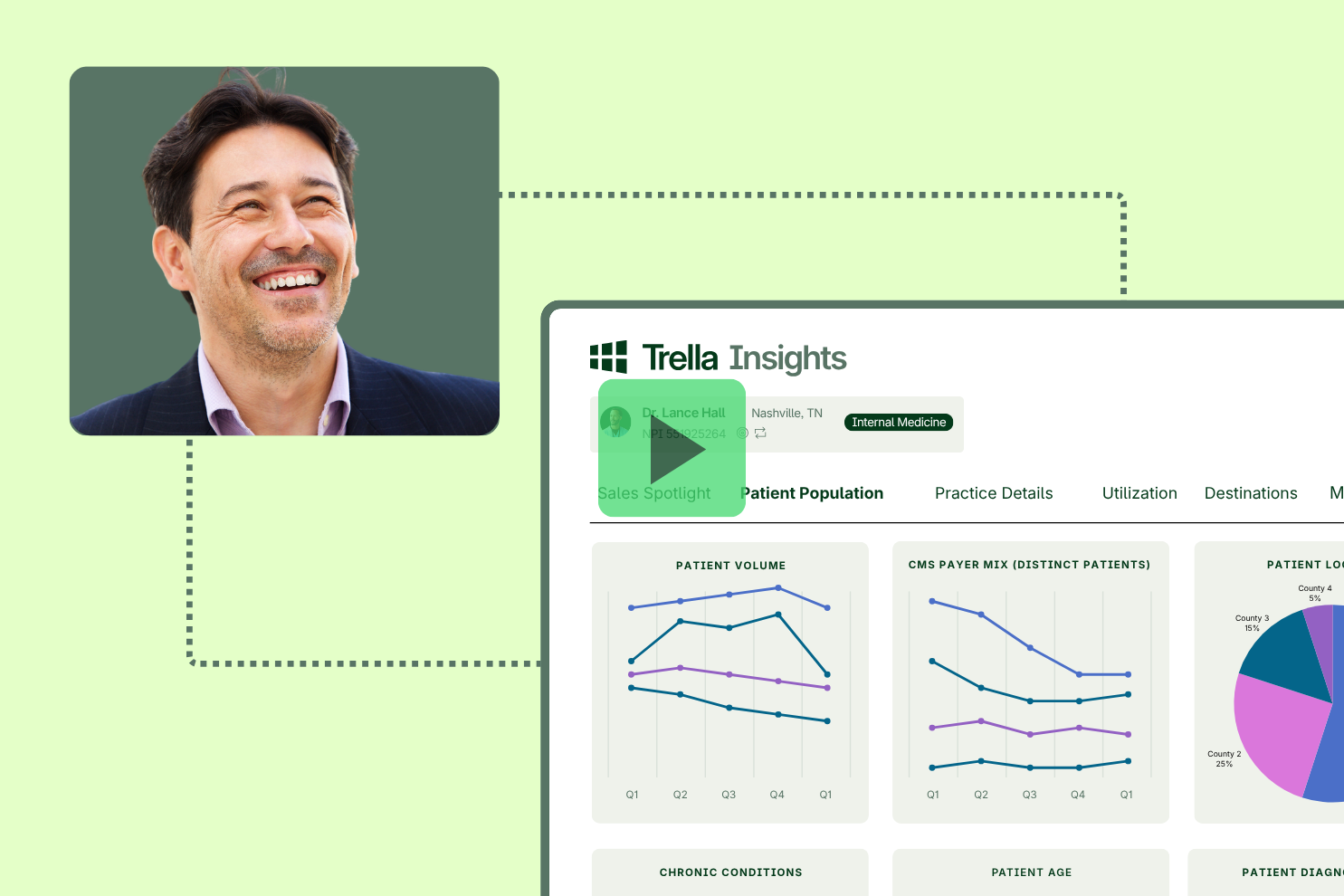
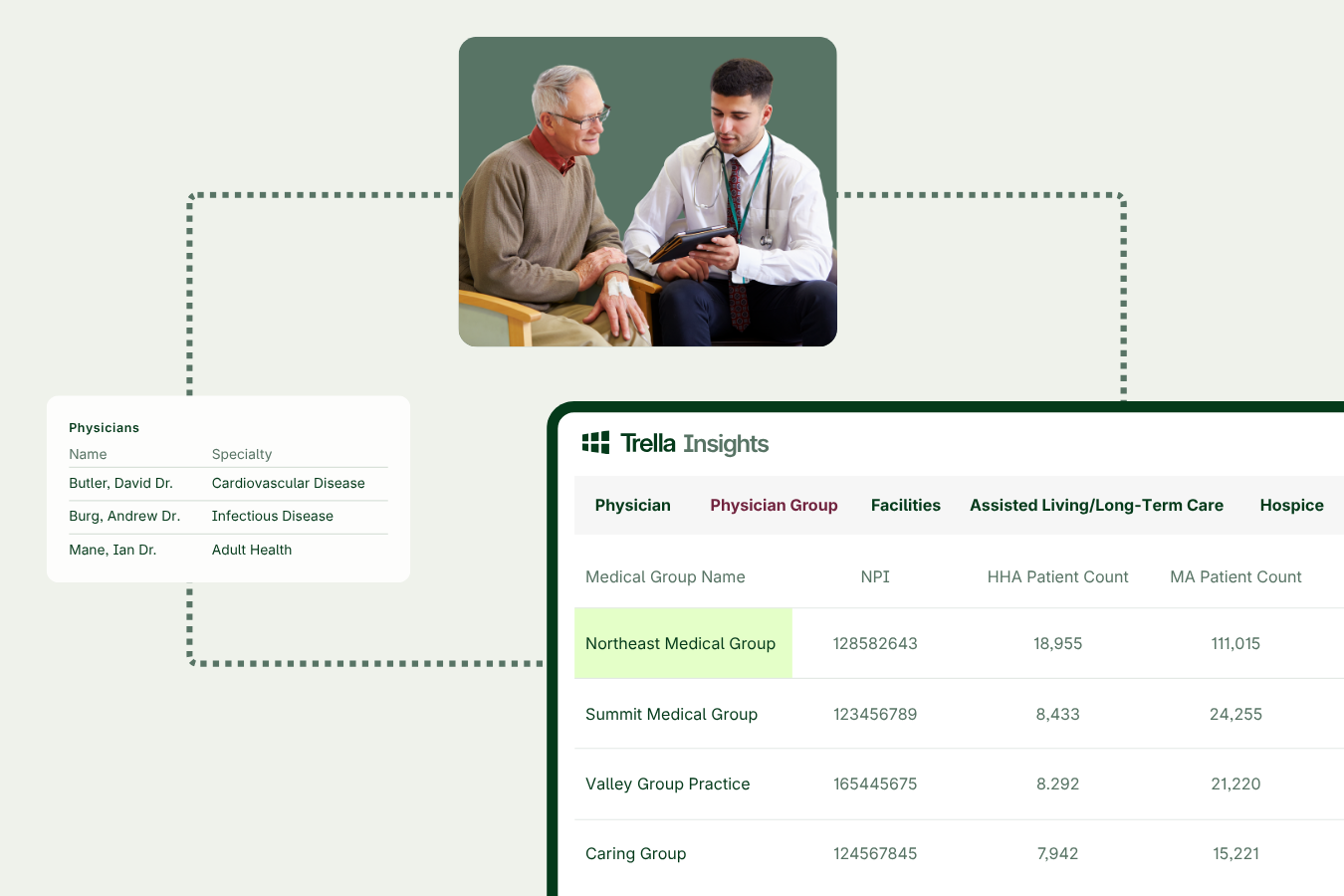
For teams that also use Trella Insights, market intelligence is built right in, so strategy and day-to-day execution live in the same place.
Fact 1: Trella CRM runs at real scale
More than 5.5 million referrals and orders flow through Trella CRM every year. That volume is possible because the CRM connects directly to the systems where referrals live.
Across its full platform, Trella serves 63,000+ users at 17,000+ post-acute providers, HME/DME suppliers, infusion and specialty pharmacies, and health systems.
Organizations like Vital Care, Optimal Care, and Kindful Health rely on it to manage referral relationships.
Fact 2: Sales leaders get coaching tools, not just reports
Trella CRM helps leaders connect activity to outcomes. Goal tracking lets teams build custom KPIs tied to referral statuses and insurance type, aligned with incentive plans. Built-in coaching uses standard or custom feedback templates. Industry-specific reports cover activity, referrals, admissions, and performance, so leaders can see which efforts drive growth and coach to them.
Fact 3: AI is now built into the workflow
AI is live in Trella CRM today, built directly into the tools reps and leaders already use. It’s grounded in billions of data points across claims, referrals, and clinical documentation, so answers reflect the real post-acute market.
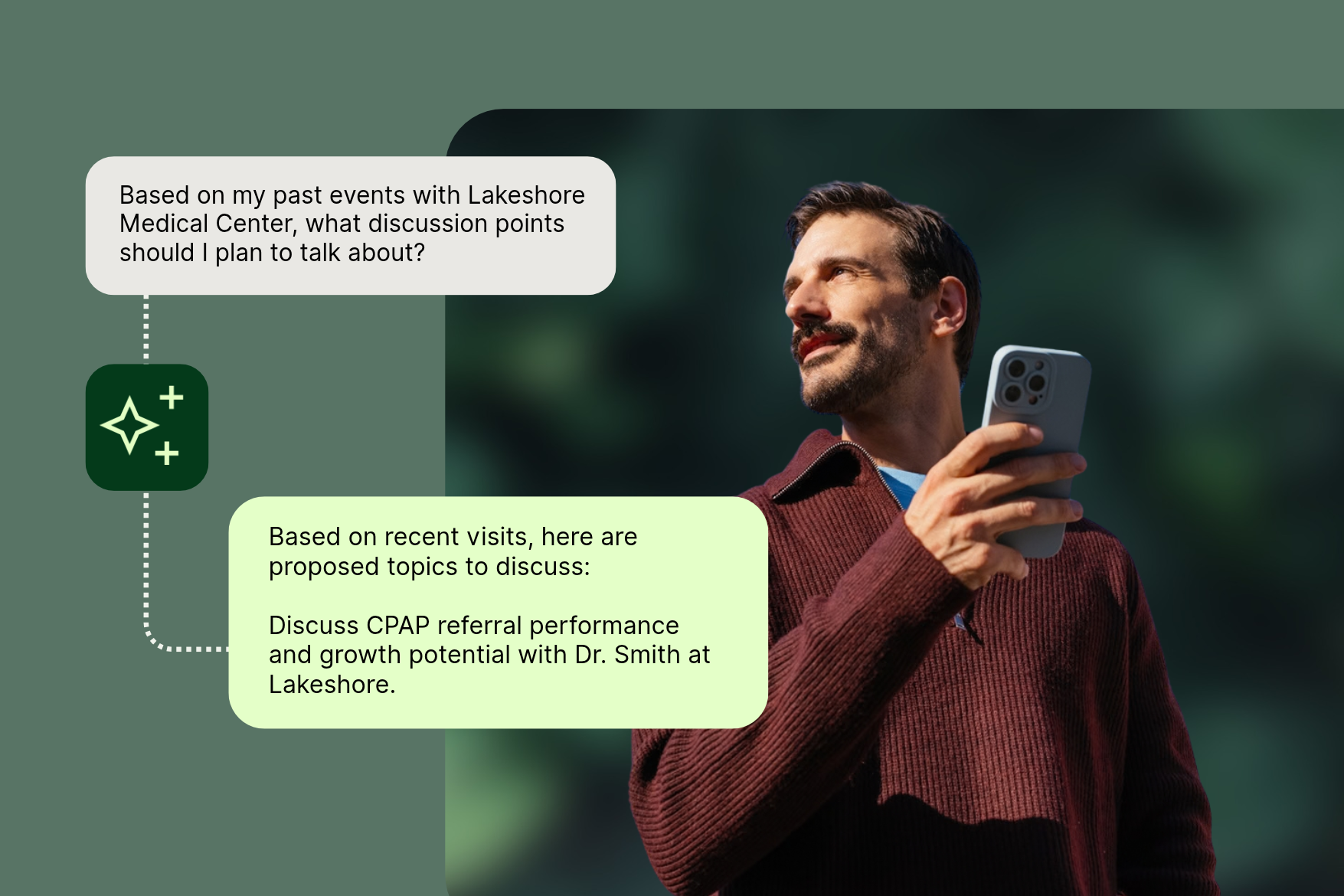
- AI Assist for CRM is a conversational assistant that answers account questions and recommends next steps for growth.
- Daily summaries on web and mobile recap each day’s activity at a glance, giving managers a quick read on their whole team without digging through reports.
- Historical note summarization condenses months of account notes into a quick brief, so reps walk in with context.
- Enhanced call documentation turns a few quick inputs into complete event notes and expected outcomes.
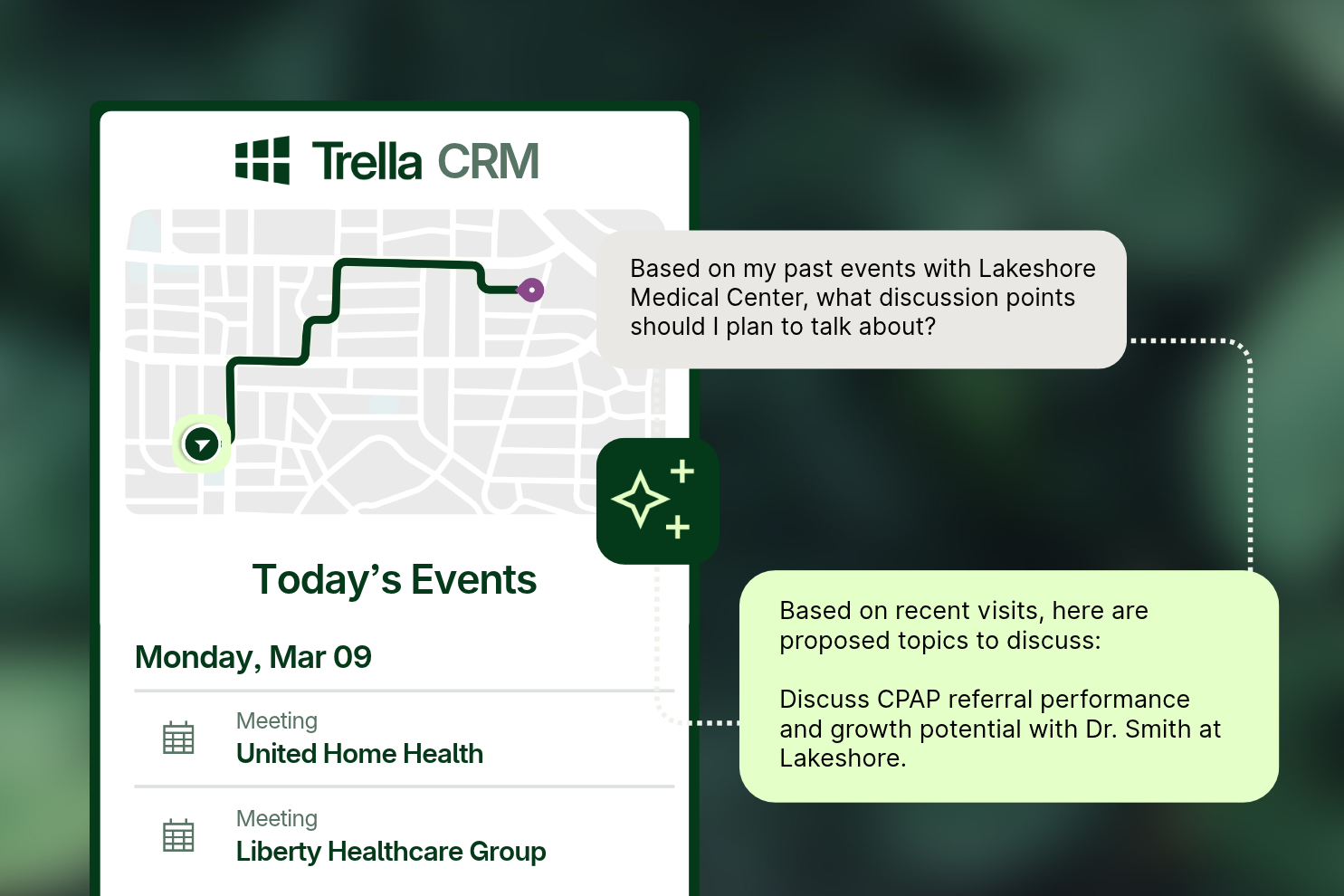
- Meeting talking points are suggested from past visits and recent market insights.
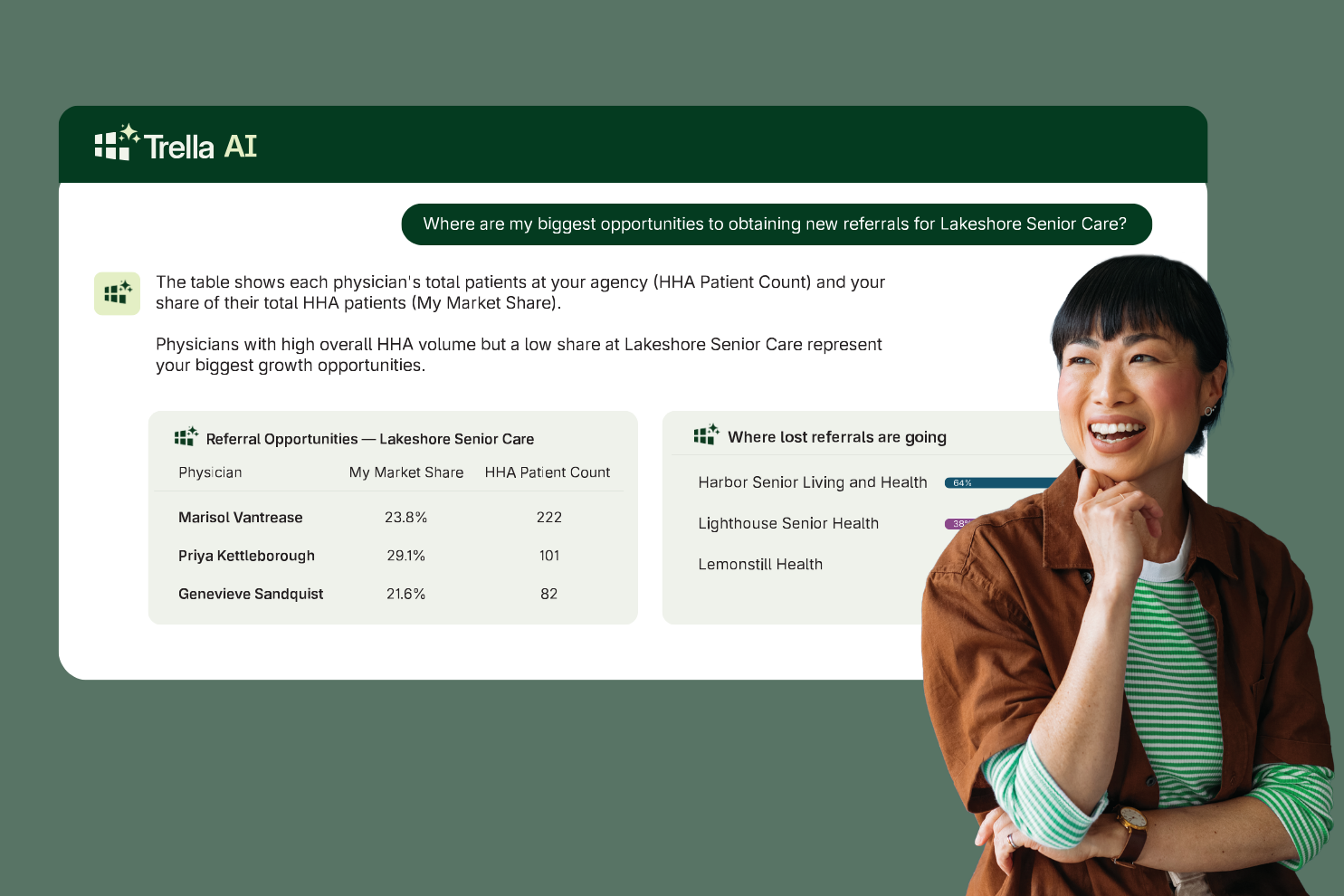
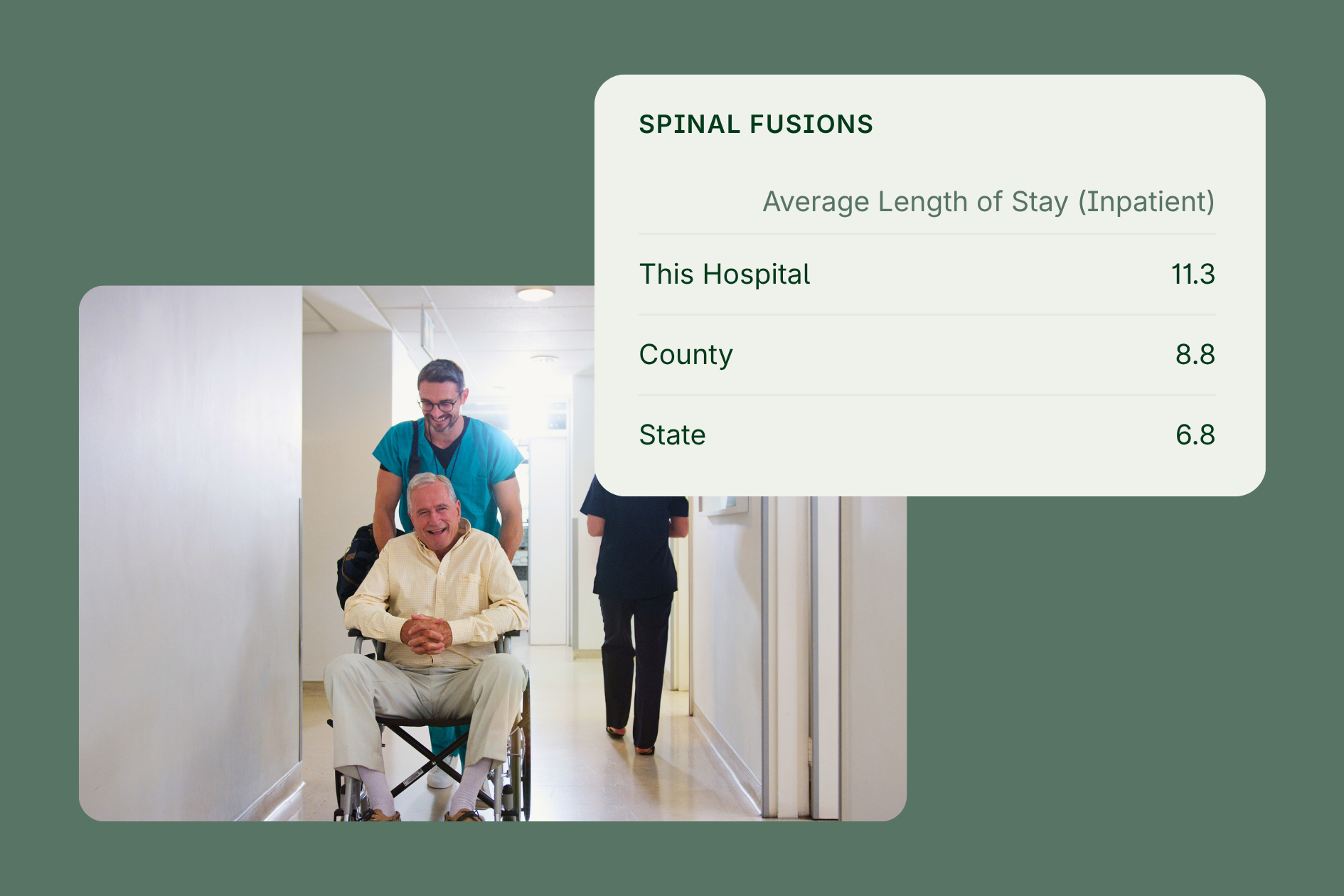
- Ask Trella AI for Insights (beta) lets users ask market questions in plain language and get key takeaways in seconds.
The goal: cut the time spent researching accounts and finding next-best actions by 50% or more. And because it’s mobile-ready and built on a platform that supports HIPAA compliance and SOC 2 Type II standards, it goes wherever reps go.
The bottom line
A CRM shouldn’t be a chore reps tolerate. With intelligence embedded in workflows and EHR data connected end to end, Trella CRM helps teams spend less time on admin and more time building the referral relationships that drive measurable patient results.
Ready to see it in action? Explore Trella CRM or request a demo.