
The CMS enrollment moratoria on new hospice and home health agencies are scheduled to end on November 13, 2026. With days to go, CMS still hasn’t said whether it will extend them. In our last post, we covered five ways to prepare for either outcome, including locking in your referral relationships before new entrants start knocking.
It’s important to remember the discharge planners and physician offices who stayed reliable through disruption. If new agencies return after November 13, the ones with fast intake and clear communication will hold their position.
That’s the hospital’s view of referral loyalty, and it’s worth taking seriously. Discharge planners don’t switch partners because a new liaison brings lunch. They stay with the agencies that made their day easier. Here’s what that looks like from the discharge desk, how to measure it, and why it matters whether the moratoria lift or not.
What the discharge desk actually experiences
A case manager may be juggling a dozen discharges on a given day. Everyone has a clock attached. Each extra day a medically ready patient waits for a post-acute care placement adds to their length of stay, ties up a bed, delays the next admission and dilutes revenue integrity.
From that seat, the referral process often looks like this:
- Referrals sent, then silence. A packet goes out to several agencies, and responses trickle in over hours, sometimes longer.
- Late declines. An agency declines after the patient’s family has already been told to expect them, and the search starts over.
- Phone tag. Questions about insurance, start of care, or staffing get answered by voicemail, not by a person who can decide.
- Unclear status. Nobody’s sure whether the referral was accepted, who’s assigned, or when the first visit happens.
- Pressure from above. Hospital leaders track length of stay and avoidable readmissions, and under models like TEAM, post-acute performance increasingly shows up in the hospital’s own results.
When one agency consistently removes that friction, the case manager notices. That memory is the referral relationship. It’s built one discharge at a time, and it’s hard for a competitor to buy.
What “reliable” looks like in measurable terms
Reliability sounds like a feeling, but discharge planners experience it as a set of numbers, even if they never write them down. Your agency should track the same numbers and know where you stand before a new competitor asks for the same referrals.
| Metric | What the discharge planner notices | What to track |
| Time to respond | Whether they can close out the placement before rounds end | Minutes or hours from referral received to accept or decline, by referral source |
| Acceptance rate | Whether sending to you is worth the effort | Share of referrals accepted, by hospital, payer, and diagnosis |
| Decline reasons | Whether declines are predictable or random | Coded reasons such as staffing, payer, geography, or clinical fit, and how they trend |
| Start-of-care follow-through | Whether you show up when you said you would | Days from discharge to first visit, and missed or delayed starts |
| Status communication | Whether they have to chase you for updates | How often the hospital learns status without a phone call |
| Patient outcomes | Whether patients come back to the hospital | 30-day readmission and ED visit rates for patients the hospital sent you |
Two patterns matter more than any single number. The first is consistency: a fast response on Monday means little if Friday afternoon referrals sit until Monday. The second is honesty: a quick, clear decline with a reason is often better received than a slow yes that turns into a no.
If you can’t pull these numbers today, that’s the first gap to close. Your referral sources are already forming an opinion about them.
Why the CMS decision doesn’t change the priority
CMS has signaled it would announce any extension in the Federal Register, and extensions run in six-month increments. Agency leaders have said the freeze is working: during the moratoria, CMS has denied 50 hospice and 250 home health applications. Trade groups, meanwhile, have pushed CMS to let it lapse. Either outcome is possible, and either way, reliability at the referral handoff is what protects your census.
| If the moratoria lift | If CMS extends them | |
| What changes | Delayed launches, branches, and acquisitions move forward. New agencies start courting the same hospitals, physician groups, and SNFs you serve. | New entrants stay blocked. Growth has to come from existing markets and existing referral sources. |
| What the discharge planner faces | More liaisons asking for a shot, and more unfamiliar names on the referral list. | The same set of agencies, with capacity and staffing still tight in many markets. |
| What earns the referral | A track record the new agency can’t match yet. Your response times and outcomes are proof; their pitch is a promise. | Responsiveness. When every agency is stretched, the one that answers fast and follows through gets the next patient. |
The common thread: discharge planners reward the agency that makes the transition easy and safe. A moratorium decision doesn’t change that, it only changes how many alternatives they have.
The relationship is built in the handoff
Most referral strategy focuses on the field: who your liaisons visit, how often, and what they bring. That still matters. But the moment that decides whether a discharge planner sends the next patient happens between two systems: the hospital’s discharge workflow and your intake workflow.
When those two sides run on phone calls, faxes, and voicemail, even a strong agency can look unreliable. When they’re connected, the same agency looks fast and easy to work with, because it is.
That’s why Trella builds for both sides of the handoff:
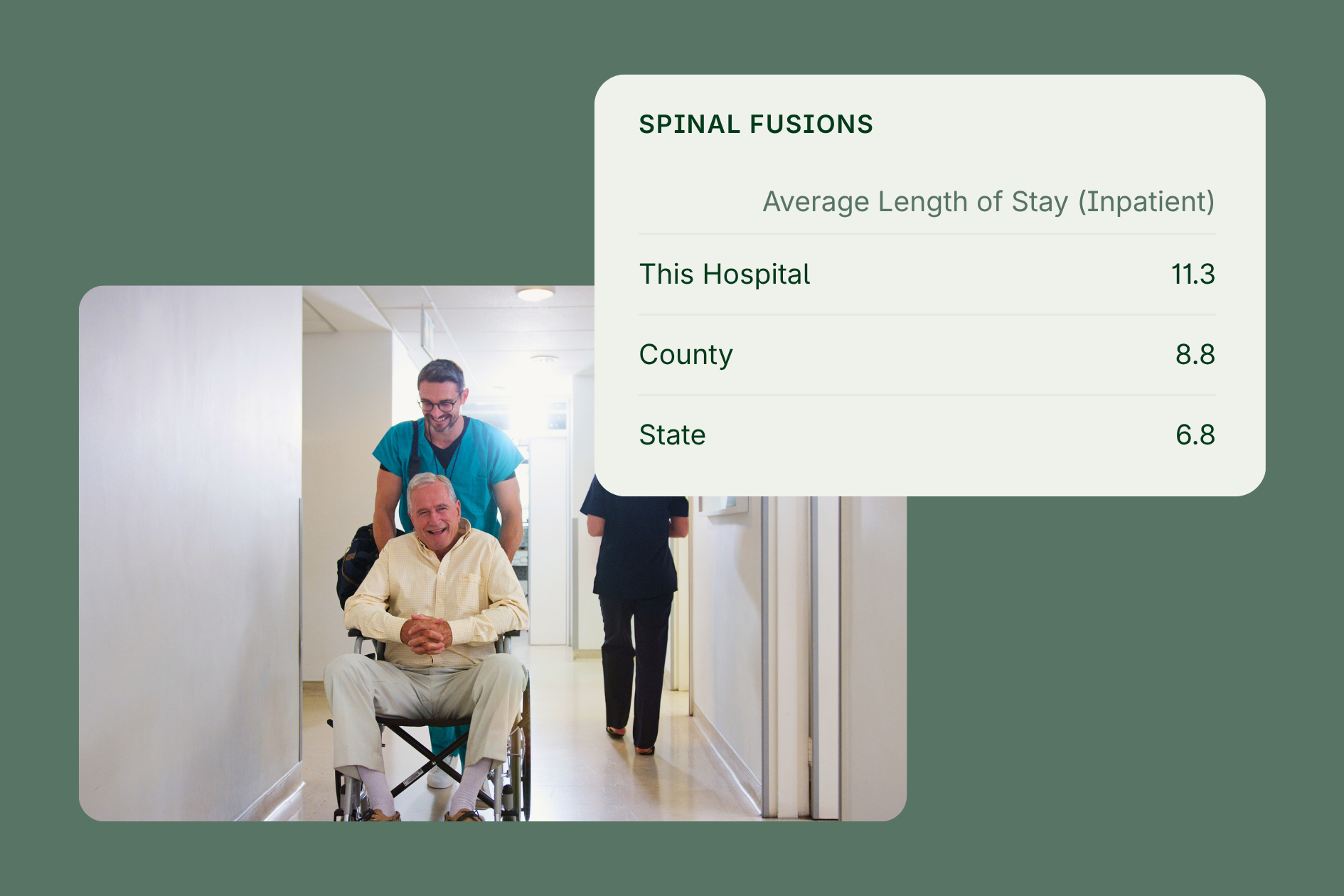
- On the hospital side, Trella Discharge automates discharge planning inside Epic and Cerner. Case managers can compare post-acute options by patient need, location, and provider capabilities, send referrals, update clinicals and document patient choice without leaving the EHR. Health systems using it have reduced length of stay by more than a day and saved about 21 minutes per post-acute discharge.
- On the provider side, Trella Community gives intake teams one place to receive referrals, evaluate patient fit, respond, and share availability in real time. Post-acute providers in a participating health system’s network see an average 46.9% increase in monthly referral volume.
Together, they reduce avoidable delays and close the loop. The hospital sends a better-fit referral faster, and your team responds before the case manager has to pick up the phone. Every one of those clean handoffs becomes part of what the discharge planner remembers.
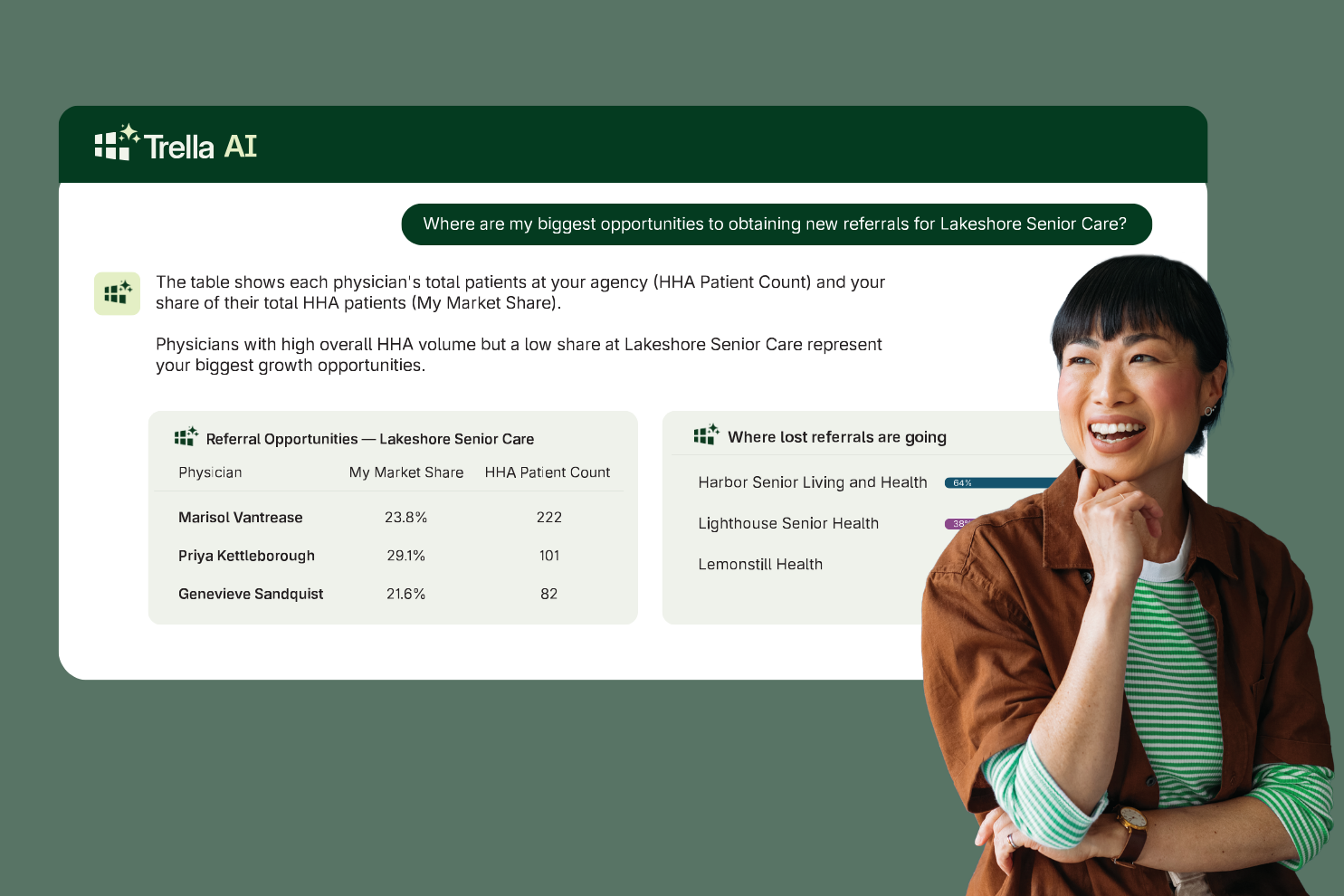
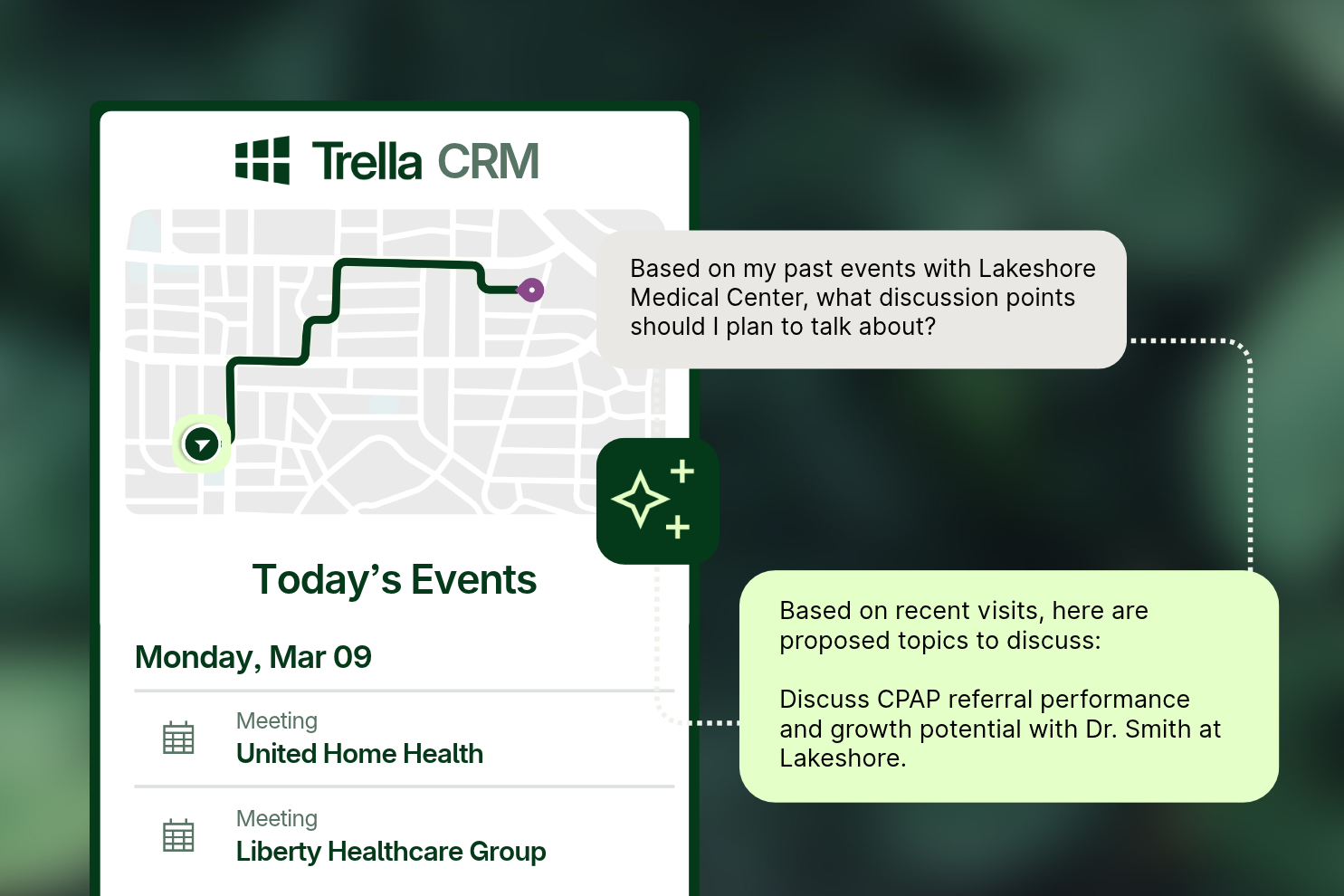
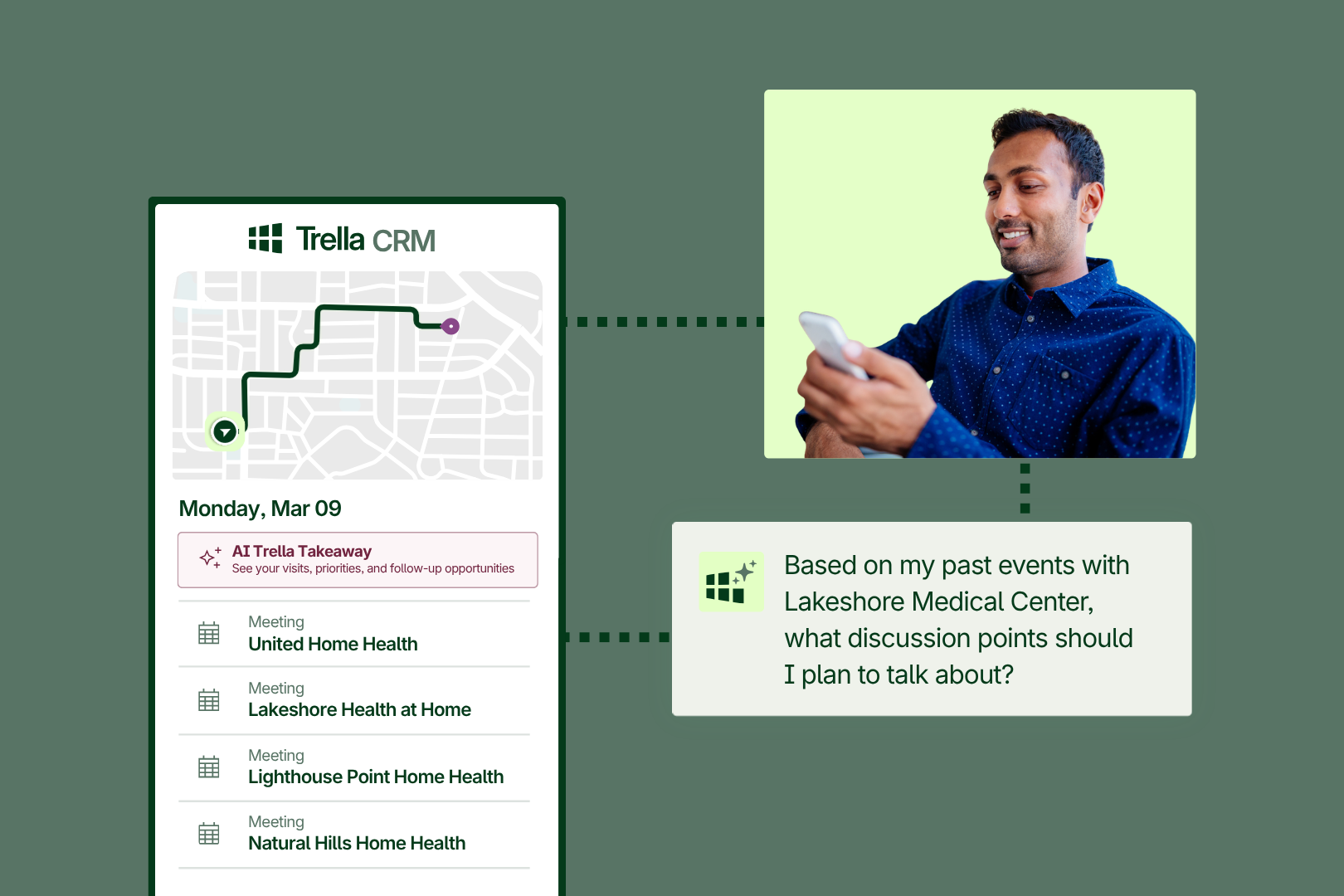
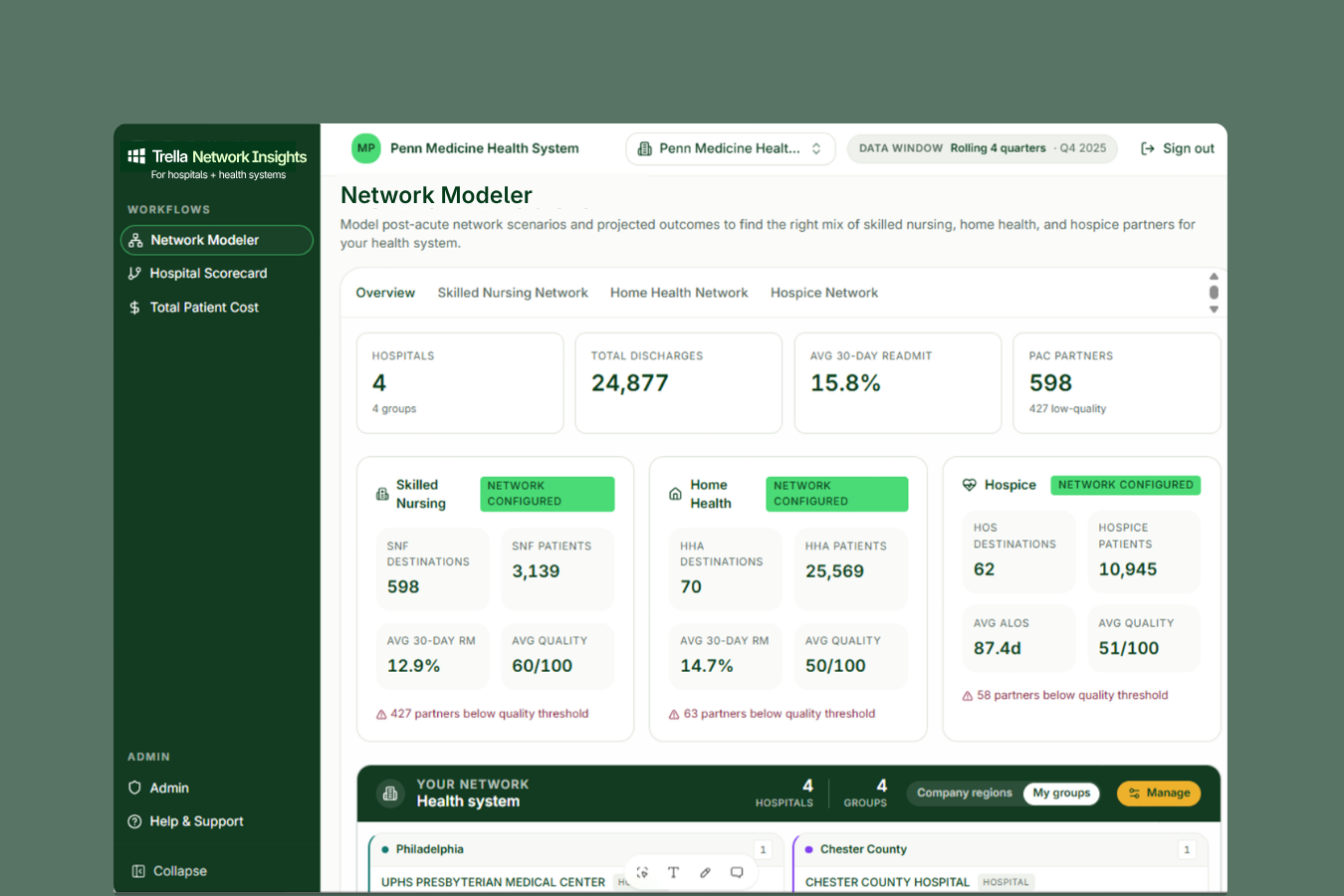
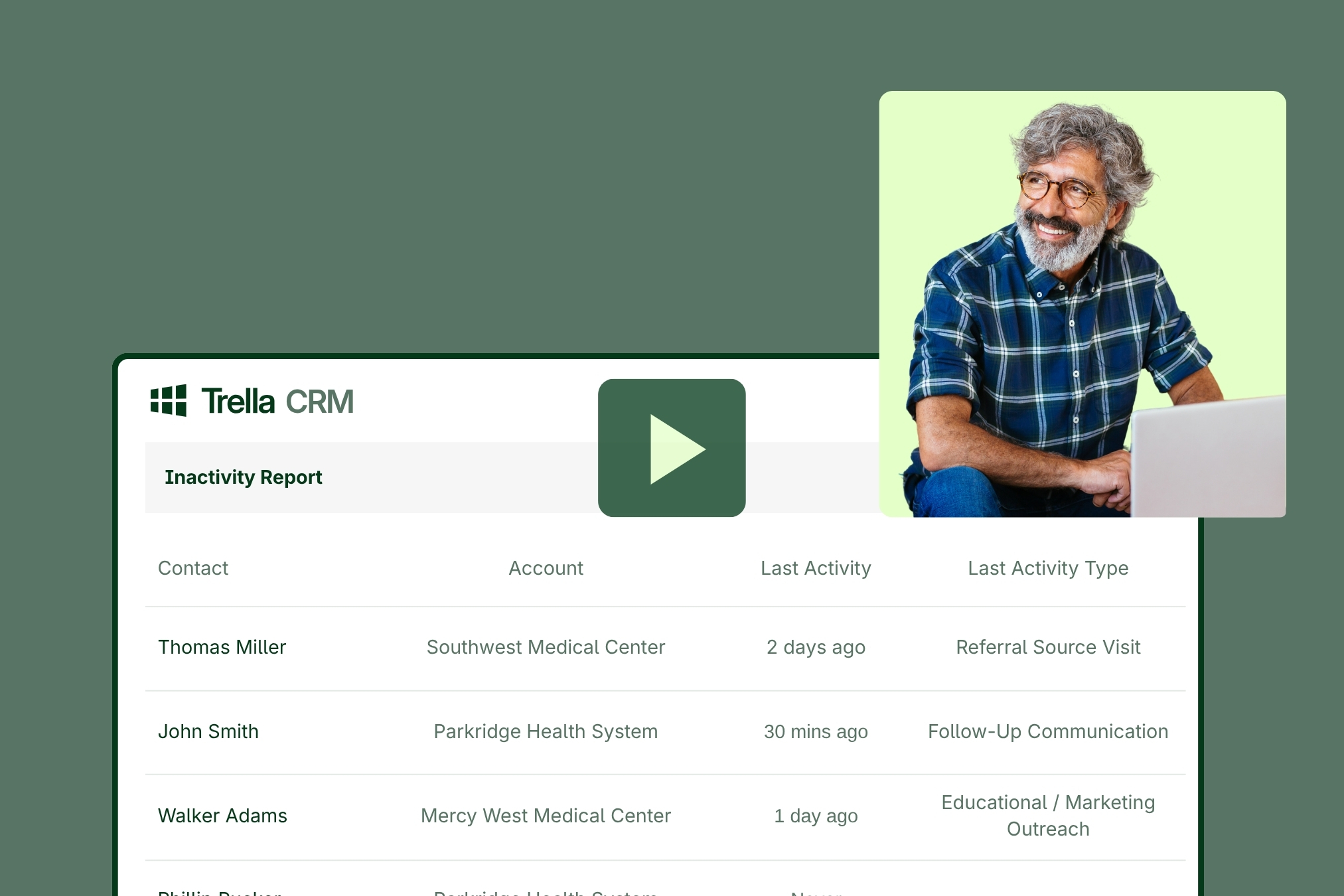
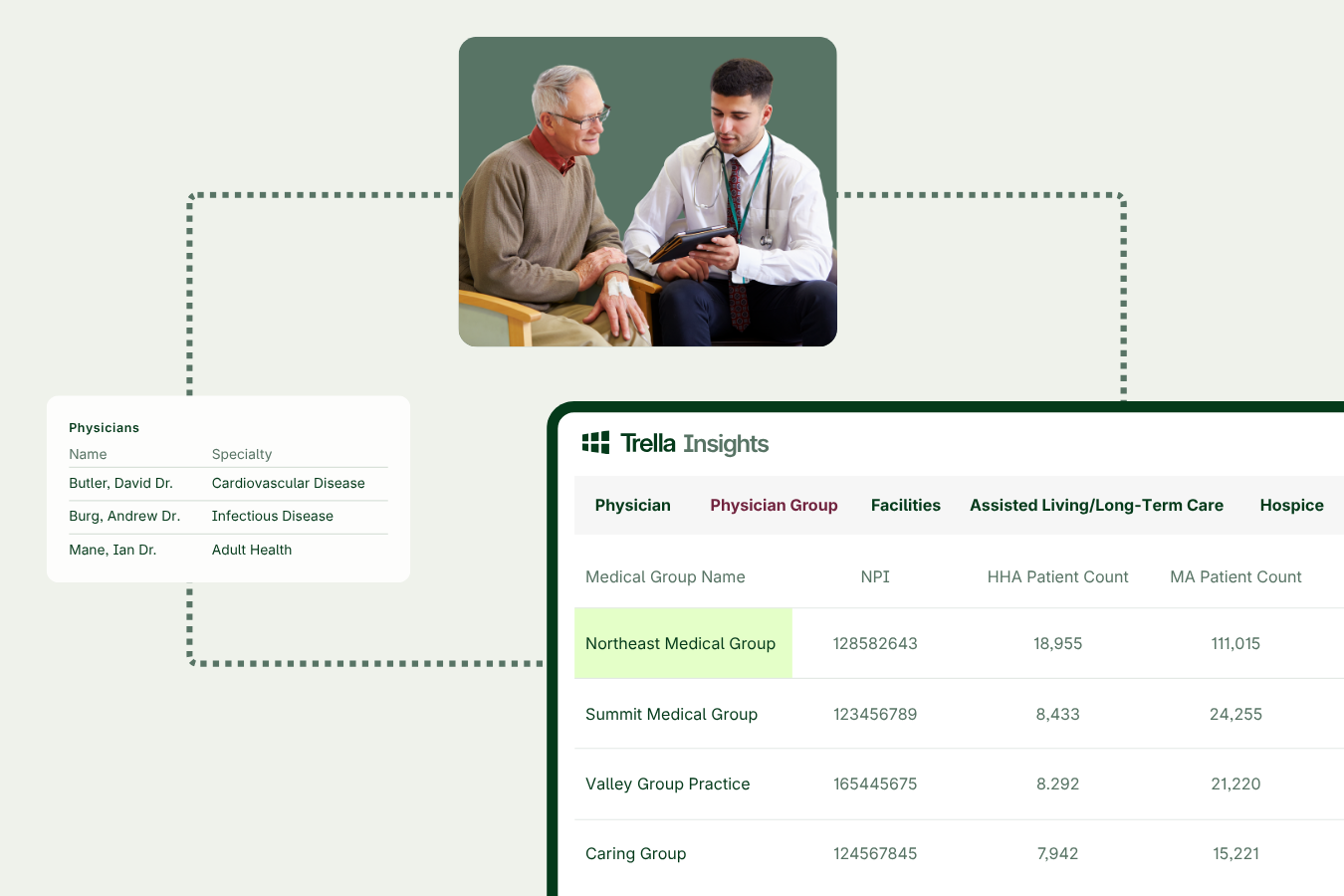
And with Trella Insights and Trella CRM, your business development team can see which referral sources drive your census, how your quality compares with competitors, and where new entrants are likely to show up.
Hold your position, whatever CMS decides
New agencies can hire liaisons and print brochures quickly. They can’t quickly build a record of fast acceptances, clear updates, and patients who stay out of the hospital. That record is yours to protect, and the next few weeks are a good time to measure it.
Start with three questions for your team:
- How fast do we respond to referrals from our top five hospitals, including nights and weekends?
- Why do we decline, and are those reasons improving?
- Do our top referral sources hear from us before they have to ask?
Don’t contribute to the hospital’s avoidable delays and request a demo to see how Trella Discharge and Trella Community connect hospital discharge with post-acute intake, so your reliability shows up in every handoff.
Sources
- CMS COO: Hospice, Home Health Moratoria a Successful Approach, Hospice News, Oct. 29, 2026
- Medicare Freeze on New Hospice and Home Health Agencies Expires November 13 as CMS Stays Silent, Medical Daily, Oct. 2026
- Six-Month National Moratoria on Hospice and HHA Enrollment (QSO-26-11), CMS, May 20, 2026
- CMS Moratorium: What’s Next for Providers and How to Prepare, Trella Health, Oct. 16, 2026
Patient Discharge Software and Intake Management Software, Trella Health