
The Transforming Episode Accountability Model (TEAM) is the Centers for Medicare & Medicaid Services’ (CMS) mandatory episode-based payment model for major surgical procedures. TEAM launched on January 1, 2026 and runs through December 31, 2030 — five performance years that hold hospitals accountable for the cost and quality of care delivered during a surgical episode and the 30 days following discharge.
Hospitals are now well into performance year one, and the operational reality is setting in: episode performance is decided largely by what happens after the patient leaves the building. With its focus on reducing readmissions and improving transitions of care, TEAM presents both opportunities and challenges for health systems. Trella Health is uniquely positioned to help hospitals thrive under this model by enhancing discharge workflows through automation, improving post-acute care coordination, and driving better patient outcomes.
What is the TEAM Model?
TEAM builds on lessons learned from prior bundled payment models — Bundled Payments for Care Improvement Advanced (BPCI-A) and Comprehensive Care for Joint Replacement (CJR) — by aligning incentives across multiple providers for a broader range of clinical episodes. It was shaped through the public rulemaking process and aims to encourage better care collaboration across the continuum.
Key Features
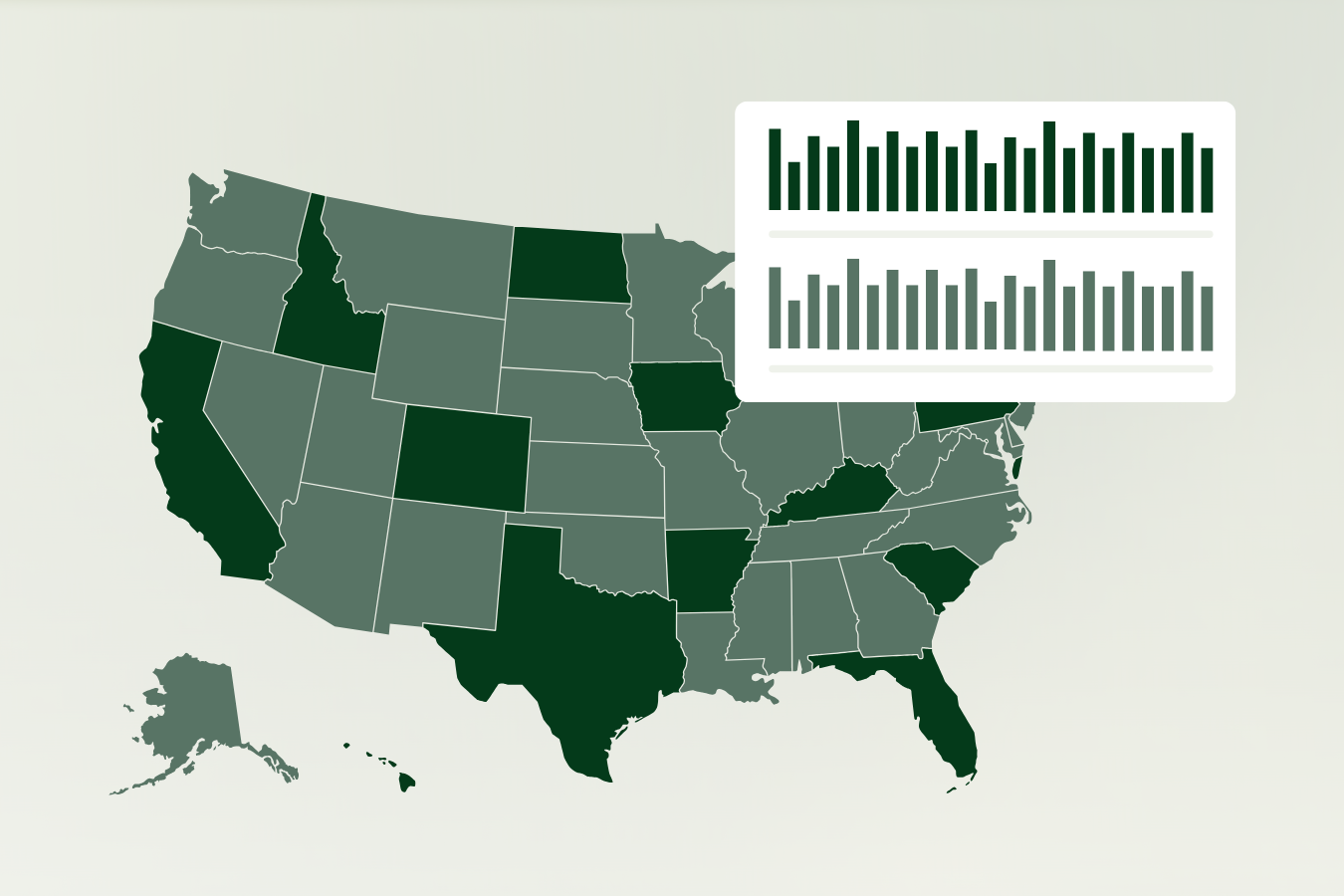
Mandatory participation. Hospitals located in selected Core-Based Statistical Areas (CBSAs) and paid under both the Inpatient Prospective Payment System (IPPS) and the Outpatient Prospective Payment System (OPPS) are required to participate. In the FY 2026 IPPS final rule, CMS excluded Indian Health Service and Tribal hospitals not paid under both systems, and allowed newly qualifying hospitals a deferment of up to one year to prepare.
Episodes begin in the inpatient or outpatient setting. An episode is triggered by a qualifying inpatient stay or outpatient procedure and extends 30 days past discharge — a detail that matters for discharge planning, because a growing share of these procedures never involves an inpatient bed.
Target prices and quality accountability. Target prices are benchmarks, not a tally of what a hospital spent. CMS builds them from three years of weighted regional historical claims, then applies a prospective trend factor, a normalization factor, and an episode-specific discount factor of roughly 1.5–2%, before risk-adjusting for beneficiary and hospital characteristics. Reconciliation happens retrospectively: hospitals that come in under the target price may earn savings, and those that exceed it may owe a repayment, depending on their track. Hospitals with fewer than 31 episodes in a performance year are not subject to reconciliation in either direction.
Quality is a sliding adjustment, not a pass/fail gate. Individual measure results roll into a Composite Quality Score (CQS) that scales the reconciliation amount up or down against peer performance. At launch, the measure set includes the Hybrid Hospital-Wide All-Cause Readmission measure (claims-only for PY1), the CMS Patient Safety and Adverse Events Composite (PSI-90), and the hip and knee arthroplasty patient-reported outcome measure. Hospital harm measures phase in beginning PY2, and an Information Transfer patient-reported outcome measure for outpatient episodes begins in PY3. Readmissions are not a side effect under TEAM — they are directly scored.
Primary care referral requirement. Participants must refer every beneficiary to primary care at discharge — to their established primary care provider, or to a new one if none is documented — to support continuity and long-term outcomes.
Three Participation Tracks
CMS lays out the three tracks as follows:
- Track 1 — upside only. No downside risk, with a 10% stop-gain limit. Available to all participants in PY1, and to safety net hospitals through PY3. Designed to let hospitals build care management infrastructure before taking on repayment risk.
- Track 2 — limited two-sided risk. A ±5% stop-loss and stop-gain corridor, available in PY2 through PY5 to safety net, rural, Medicare-dependent, sole community, and essential access community hospitals.
- Track 3 — full two-sided risk. A ±20% corridor, open to all participants across all five performance years. This is the default for hospitals that don’t qualify for Track 1 or Track 2 in a given year.
Included Surgical Episodes
TEAM covers five episode categories:
- Lower extremity joint replacement
- Surgical hip and femur fracture treatment
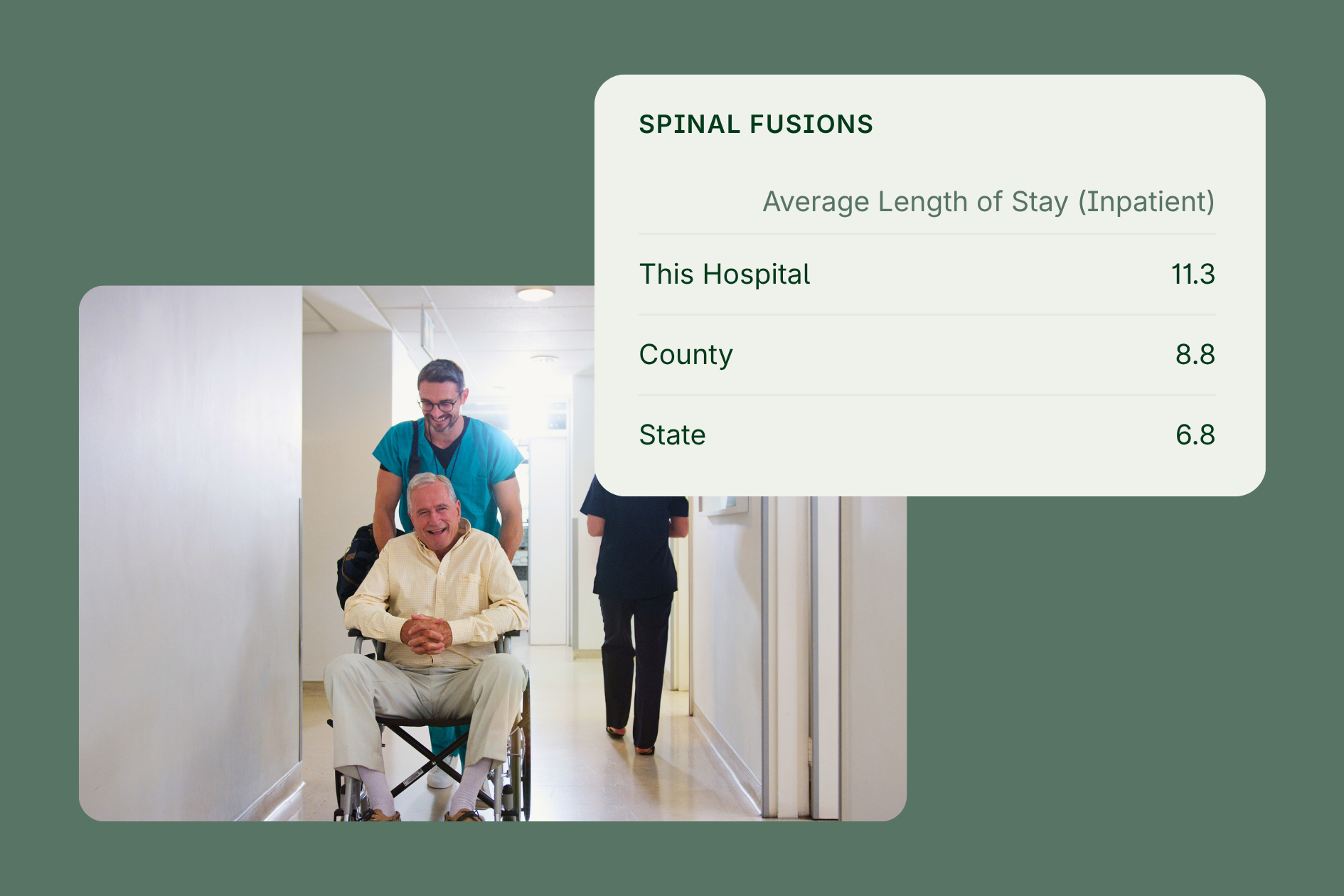
- Spinal fusion
- Coronary artery bypass graft (CABG)
- Major bowel procedure
What Changed in the FY 2027 IPPS Final Rule
CMS refined TEAM again in the FY 2027 IPPS final rule, finalized in August 2026. Notable updates:
- Three MS-DRGs were added to the spinal fusion episode category to better reflect patient acuity and resource use.
- TEAM participants are excluded from the CJR expansion (CJR-X) model to prevent overlapping mandatory episode initiatives.
- Two hospital harm measures were realigned to the Hospital IQR Program’s one-year reporting period, and the CQS moved to a concurrent baseline methodology effective PY1.
- Annual APC and MS-DRG update factors were added to target price calculations, and beginning in PY2, prospective normalization factors are calculated by episode type and region.
- CMS signaled its intent to propose voluntary participation for physician-owned hospitals outside the mandatory CBSAs in future rulemaking.
CMS projects roughly $368 million in Medicare savings across TEAM’s five performance years.
Challenges Health Systems Face with TEAM
With greater focus on longitudinal care, reducing unnecessary readmissions, and improving patient outcomes, health systems need solutions that ensure seamless transitions between acute and post-acute care settings. The most common obstacles we see:
Complex discharge management. Coordinating discharges across multiple care settings is difficult, especially when managing a variety of providers and care teams — and harder still when the episode started in an outpatient setting with no inpatient runway for planning.
Data fragmentation. Siloed systems often prevent providers from having real-time insight into patient outcomes after discharge, which is precisely where episode spend accumulates.
Care coordination across settings. Aligning inpatient, post-acute, and primary care providers requires seamless communication and shared accountability — including the primary care referral TEAM now requires at every discharge.
Readmission risk. Without effective post-acute follow-up, patients are at higher risk of avoidable readmissions — which under TEAM hit twice, through episode spend against the target price and through the Composite Quality Score.
How Trella Health Helps Health Systems Thrive in the TEAM Era
Trella Health’s discharge automation platform is designed to address these challenges directly.
Automating and standardizing the discharge process
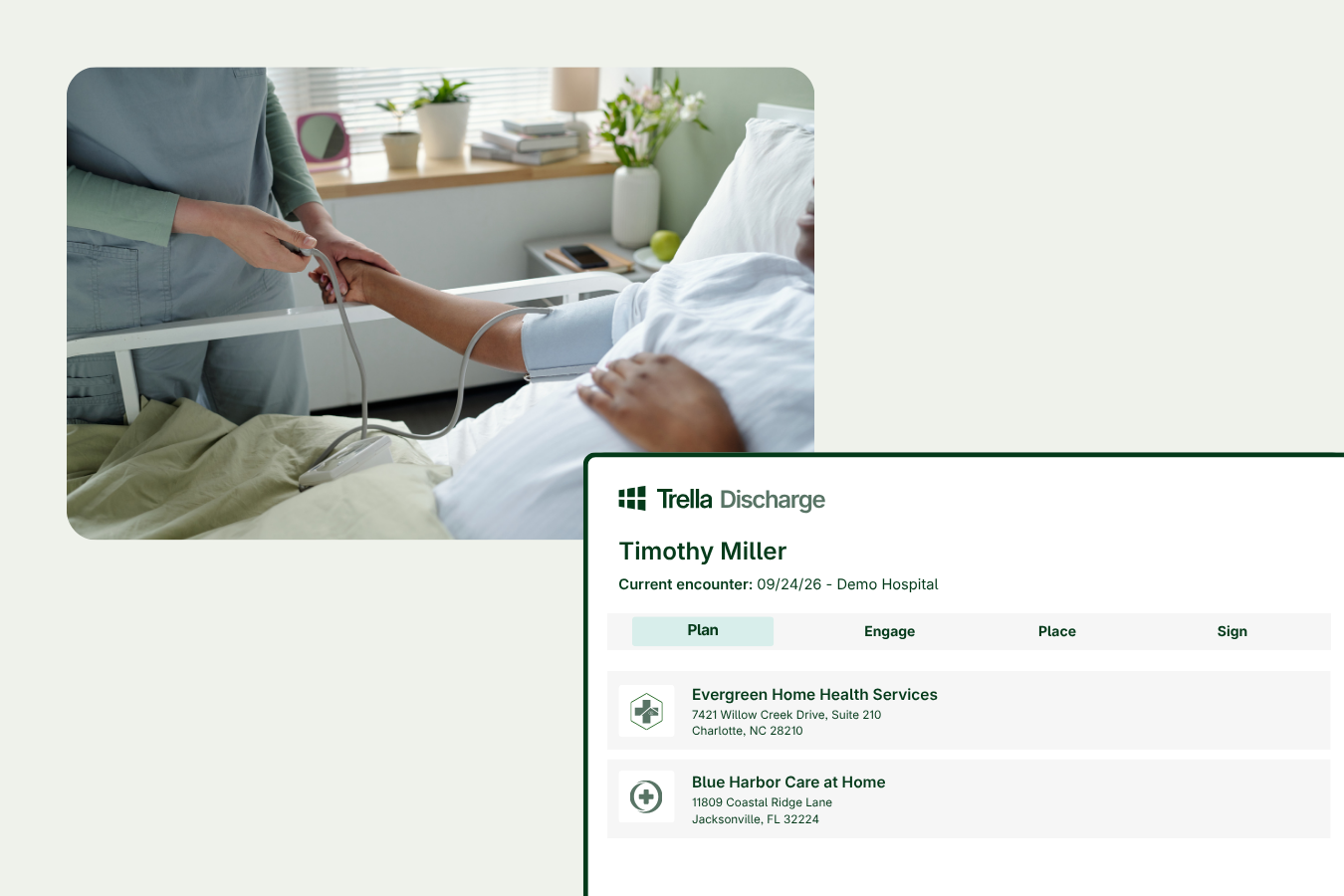
Trella Health modernizes referral management with a platform that makes discharge planning consistent, efficient, and compliant. By automating the referral process and providing real-time visibility into patient transitions, care teams can better coordinate care, reducing delays and unnecessary costs.
Improving post-acute care coordination
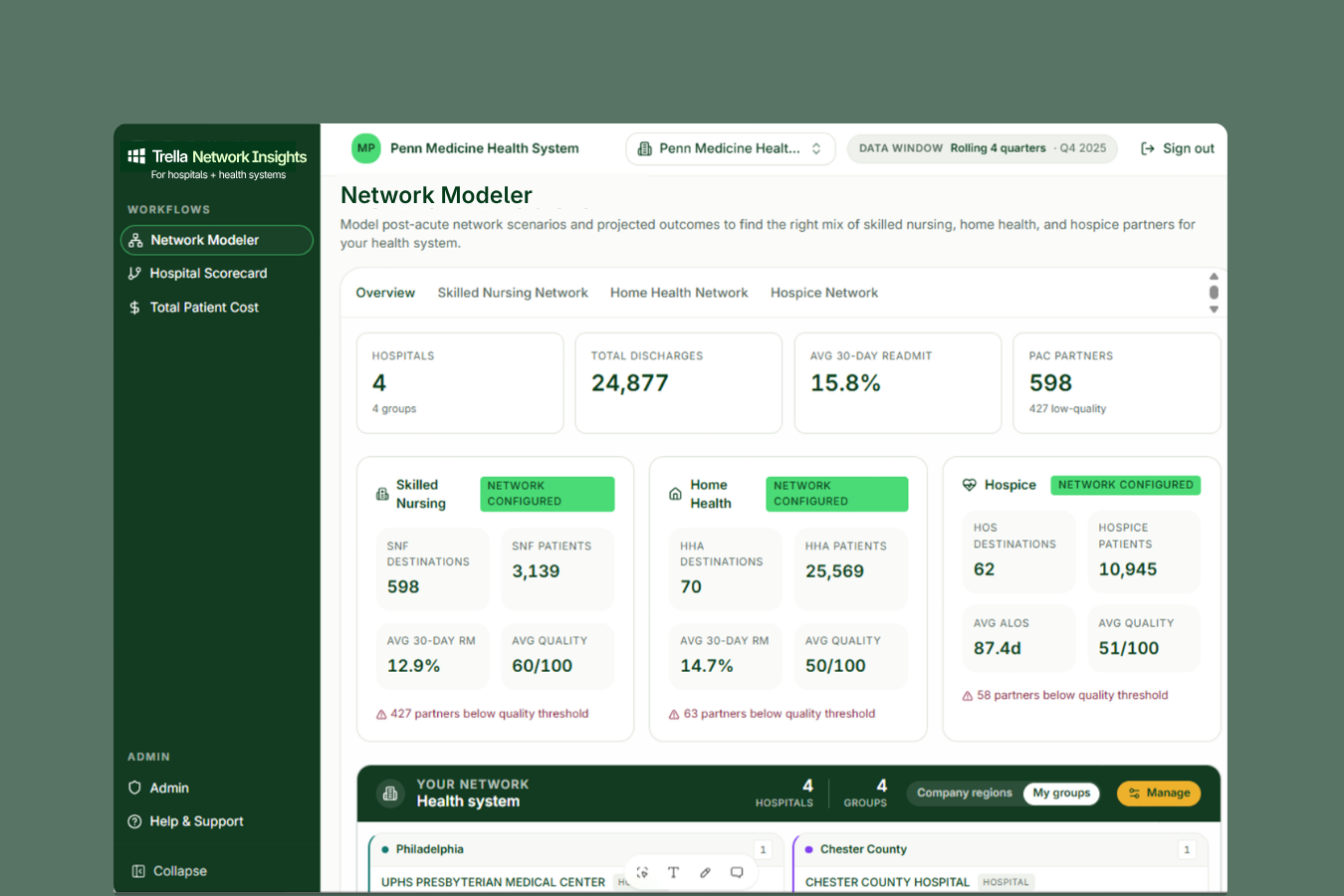
With TEAM placing greater emphasis on longitudinal care, Trella Health helps ensure patients are discharged to the most appropriate post-acute providers. Our platform leverages data-driven insights to identify the best-fit facilities for each patient, improving outcomes and reducing readmissions.
Enhancing patient engagement and satisfaction
Engaged and informed patients are key to success in value-based care. Trella Health empowers patients with clear, personalized post-acute care options, enabling informed decision-making and a smoother transition.
Reducing readmissions and repayment risk
By facilitating seamless transitions and improving care coordination, Trella Health helps mitigate readmission risk — a metric that flows directly into both sides of TEAM reconciliation. Our platform supports guiding patients to high-quality post-acute providers and maintaining ongoing communication, so patients receive the right care at the right time.
Providing actionable insights to optimize performance
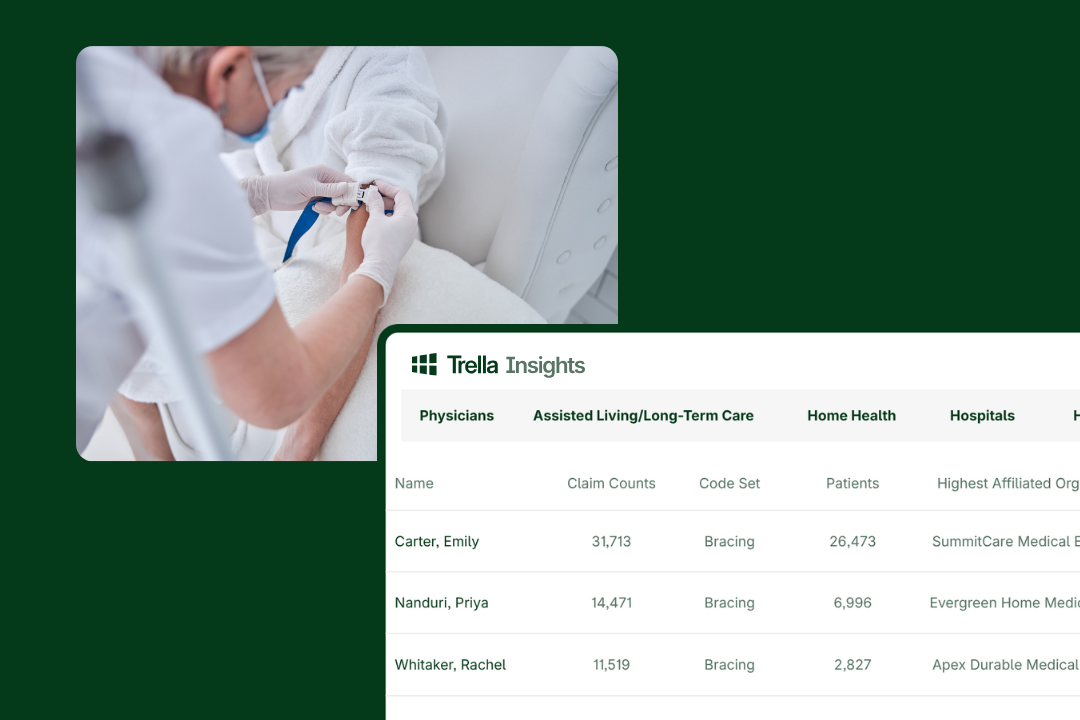
Trella Health offers robust reporting and analytics to track performance across care episodes and to identify and increase utilization of high-performing post-acute partners. Health systems can spot trends, address gaps, and continuously refine care delivery to meet TEAM’s quality and cost benchmarks.
Why Partner with Trella Health?
As CMS continues its push toward value-based care through TEAM, health systems need connected data, intelligence embedded in their workflows, and a trusted partner to remain competitive and financially sustainable. Trella Health equips hospitals with the technology and insight needed to reduce costs, improve outcomes, and succeed in the TEAM era — confidently navigating its complexities while delivering exceptional patient outcomes.
Ready to automate your discharge process and succeed with TEAM? Contact us today to learn how Trella Health can empower your organization to thrive.