In our last article, we explained why patient care transitions remain hampered by outdated legacy referral management systems, leading to extended hospital stays and discharge delays. These systems employ inefficient methods, like the “spray and pray” approach, where case managers send numerous referrals to post-acute care providers and hope for responses — a method now outdated given hospital capacity constraints and persistent staffing challenges across post-acute care. Additional key problems include manual, paper-based processes, lack of real-time information, inefficient coordination, data silos, limited EHR integration, and regulatory compliance challenges. These issues result in significant administrative burdens, diverting staff from direct patient care and negatively impacting the patient experience. Innovative automation technology is needed to reimagine and streamline care transitions.
Reimagining Patient Care Transitions and Referrals with Discharge Automation
At Trella Health, we believe that referral management is an outdated approach to a modern problem. Referrals should not be used as a blunt force tool to find out where patients can transition to at hospital discharge, especially given the legacy referral management issues and inefficiencies described above.
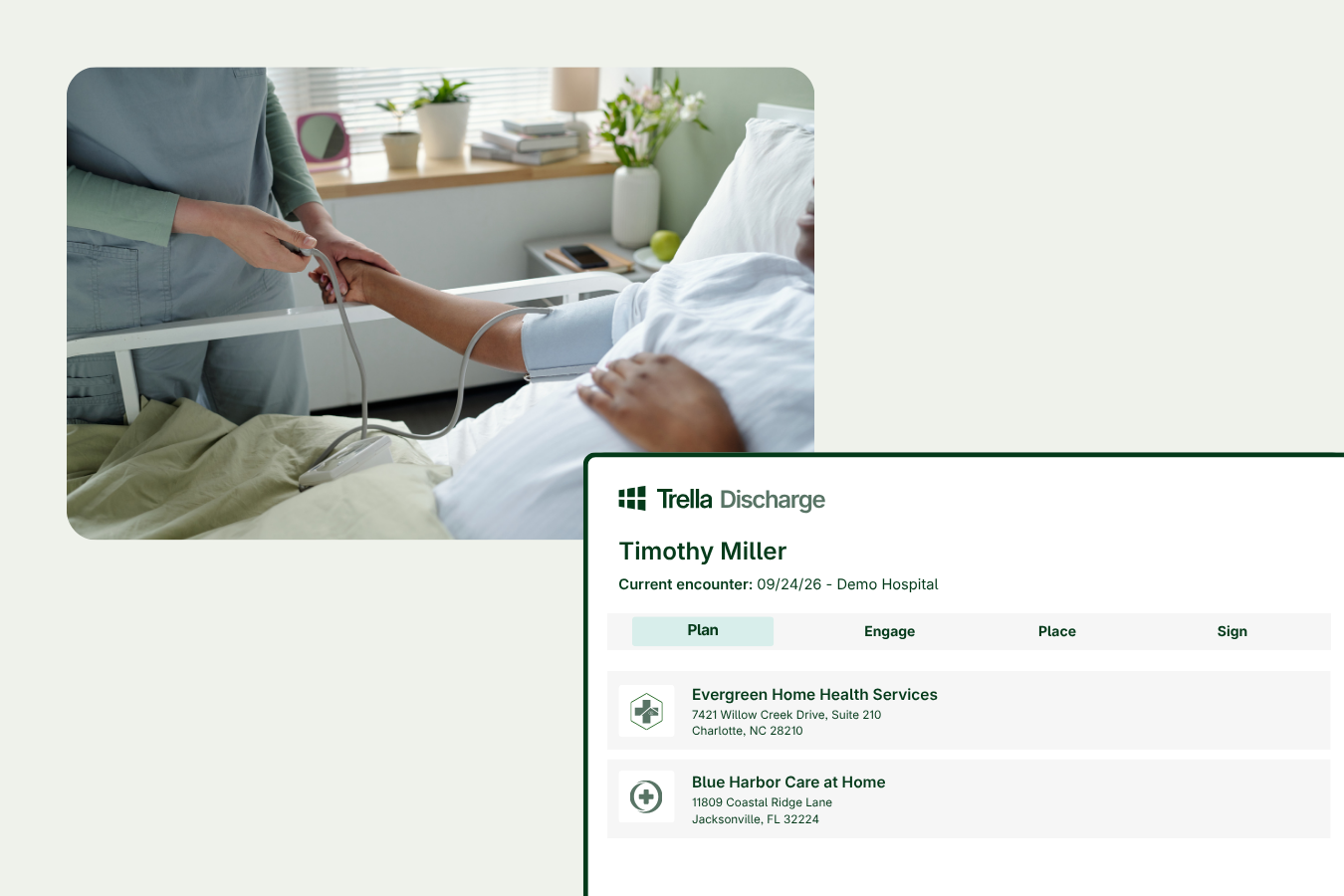
Trella Discharge — the discharge automation platform that joined Trella Health through our merger with Repisodic — helps health systems effortlessly manage patient discharges with modern technology and an innovative approach. We address care transition issues by automating processes, integrating directly with EHRs, providing real-time data, and enhancing communication and coordination across the continuum of care. Moreover, leveraging automation for the manual, repetitive tasks associated with referrals significantly streamlines operations, enhances patient outcomes, and reduces costs.
Here are just a few of the benefits that healthcare providers experience when making the switch from legacy referral management systems to discharge automation software.
Streamlined workflow and increased efficiency
Legacy referral management systems often require extensive manual input, leading to inefficiencies and a higher potential for human error. Discharge automation software, on the other hand, automates many of the manual steps of the discharge process — including one-click referral generation from inside the EHR. This means that discharge planners and care teams can spend less time on paperwork and more time on patient care. For example, automated software can surface whether a post-acute care provider accepts the patient’s insurance and whether they offer the specialty clinical services the patient needs. By automating these tasks, the discharge process becomes quicker and more reliable, reducing the likelihood of delays and ensuring that patients receive timely and appropriate care.
Enhanced patient outcomes
A smoother discharge process directly translates to better patient outcomes. Discharge automation software helps ensure that patients end up at the best next setting of care matched to their specific needs, with clear, relevant options that patients and families can actually act on. This proactive approach can help reduce readmissions, as patients are more likely to adhere to their post-discharge plans. Trella Health’s 2025 Industry Trend Report found that patients who adhered to home health discharge instructions had a 30-day readmission rate of 12.7%, compared with 15.1% for those who did not.
Cost reduction
One of the most compelling advantages of discharge automation software is its potential for cost savings. By reducing the administrative burden on care teams, hospitals can reallocate resources to more critical areas. Additionally, the reduction in readmissions and complications associated with poorly managed discharges can lead to significant cost savings. Furthermore, seamless integration with existing EHR systems through standard protocols, such as FHIR APIs, can eliminate redundancies and streamline operations. These standard integrations — enabled through vendor programs such as Epic Vendor Services and Oracle Health’s Millennium Platform APIs (formerly Cerner Code) — not only save time but also reduce the costs associated with managing disparate systems. Trella’s platform today connects with 30+ acute and post-acute EHRs, including Epic and Cerner.
Improved communication and coordination
Effective communication between care teams, patients, and post-acute providers is crucial for successful patient outcomes. Discharge automation software facilitates seamless communication by ensuring that all parties have access to up-to-date and accurate information — including real-time referral status, so case management leaders can see what is pending, accepted, or in need of follow-up. This level of coordination is often lacking in legacy systems, which can lead to miscommunications and gaps in care.
Scalability and adaptability
As healthcare demands continue to grow, scalability becomes increasingly important. Discharge automation software is designed to scale with the needs of healthcare providers. Whether it is a small community hospital or a large health system, the software can adapt to varying levels of complexity and patient volumes. Legacy systems, in contrast, often struggle to keep up with changing demands and can become a bottleneck in the discharge process. Trella Health supports more than 50 health systems and over 1,000 post-acute organizations nationwide.
Data-driven insights
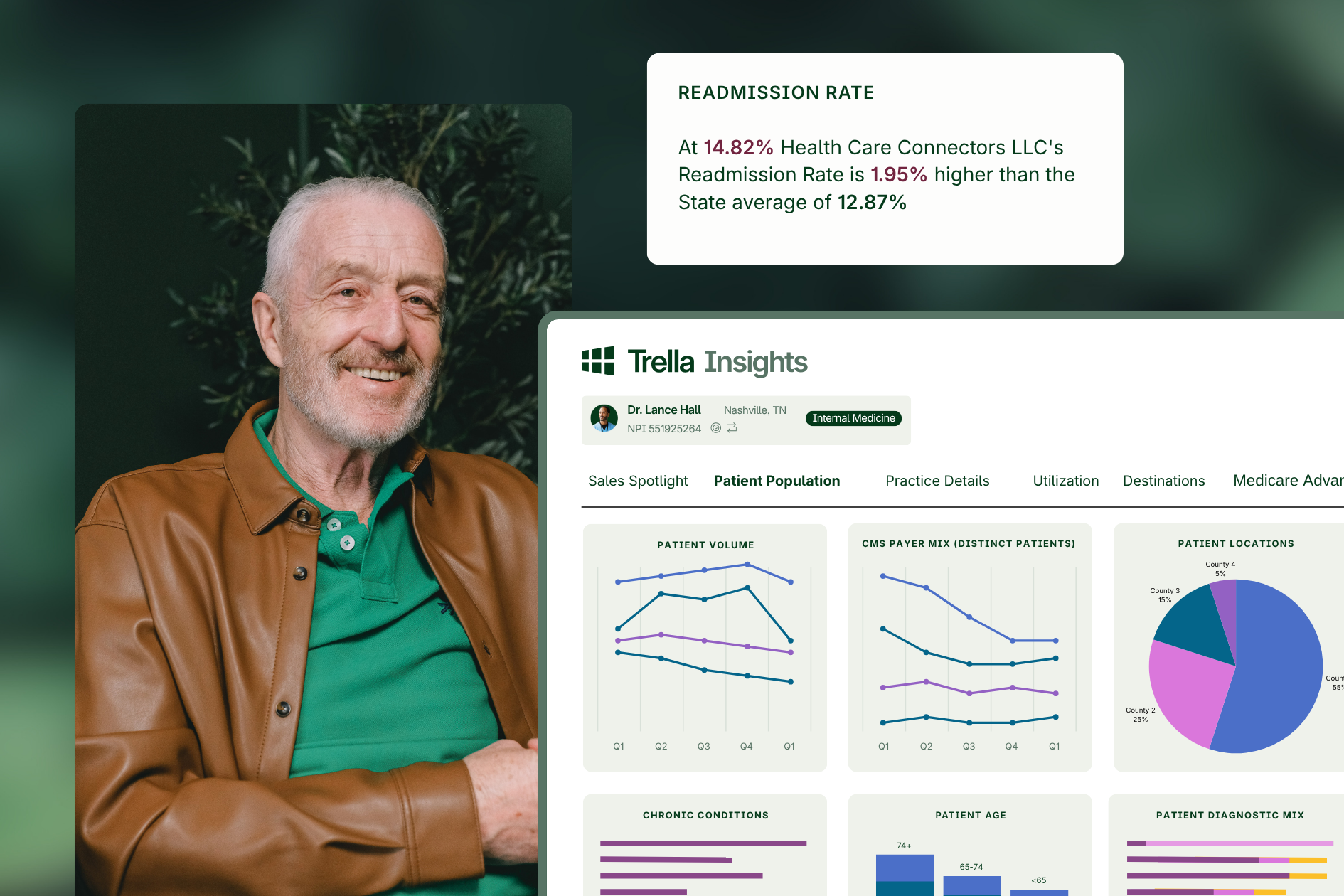
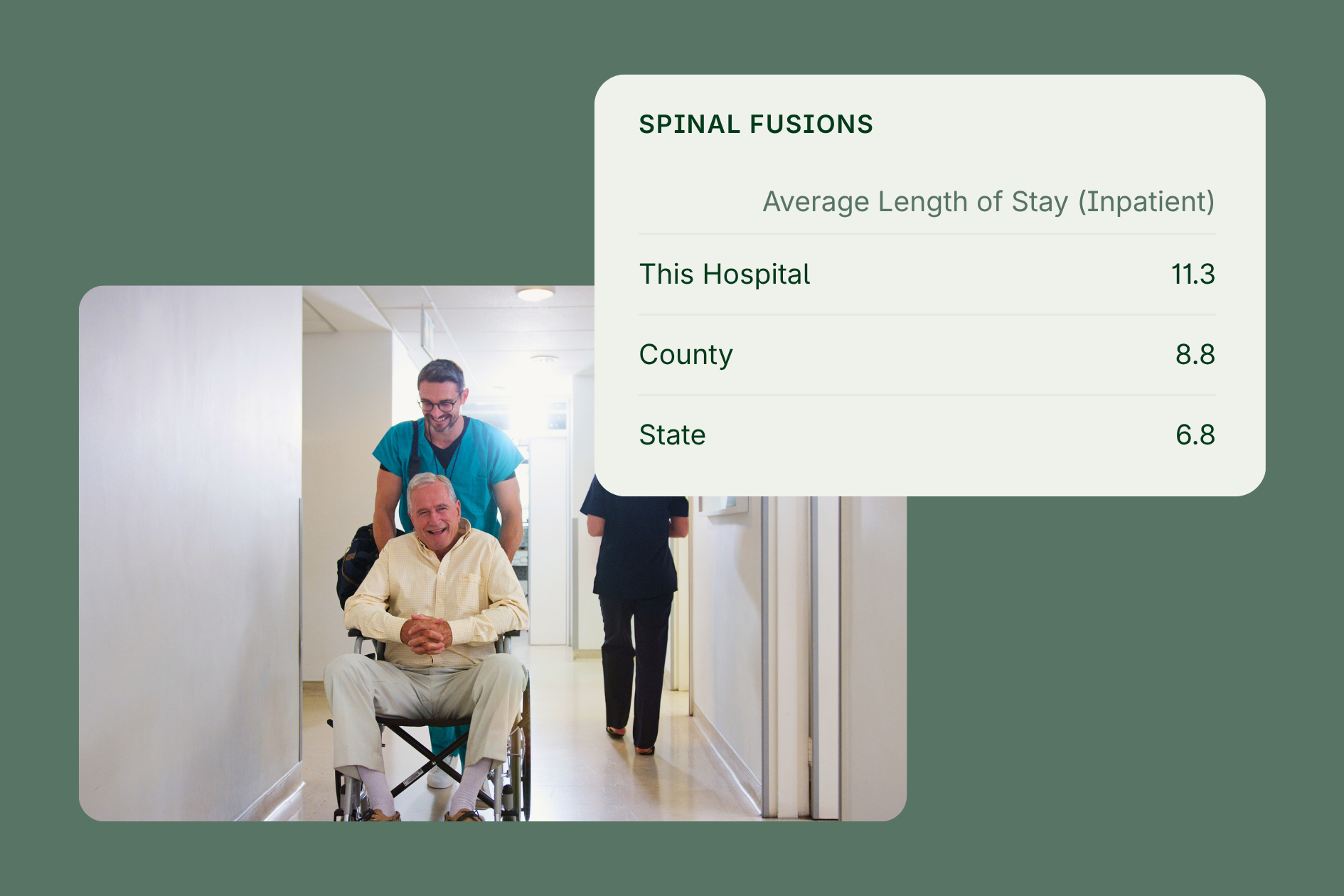
In today’s data-driven world, the ability to collect and analyze data is invaluable. Discharge automation software provides actionable insights into discharge processes, and pairing that workflow data with market intelligence makes it even more powerful. By analyzing discharge times, readmission rates, post-acute provider performance, and patient outcomes, health systems can identify areas for improvement and implement evidence-based changes. These insights can also help in anticipating trends and preparing for future challenges, including value-based models such as CMS’s Transforming Episode Accountability Model (TEAM).
Looking ahead
The transition from legacy referral management software to discharge automation software represents a significant leap forward in healthcare. By streamlining workflows, enhancing patient outcomes, reducing costs, improving communication, and providing valuable data-driven insights, discharge automation software is poised to change the way health systems manage the discharge process — and we could not be more excited to partner with health systems on this journey.
Investing in discharge automation software is not just about keeping up with technological advancements; it is about fundamentally improving the quality of care provided to patients. As healthcare continues to evolve, embracing innovative solutions like discharge automation will be key to staying ahead of the curve and ensuring the best possible outcomes for patients.
Ready to learn if your health system is ready for discharge automation? Request a demo or contact us today.