Using technology to automate time- and labor-intensive discharge workflows for complex patients can improve patient outcomes and reduce total cost of care.
Even with all of the change and disruption happening within healthcare today, one thing remains constant and challenging: discharging patients from the hospital to post-acute care, especially complex patients. Acute care hospitals are designed for short stays, and that is how they are reimbursed for care as well. Both the hospital and the patient benefit when the patient can move on once they have received the care they need and can safely be discharged. It is not so simple for sicker, more complex patients, or for those facing social and economic barriers that stand in the way of a safe discharge to the community.
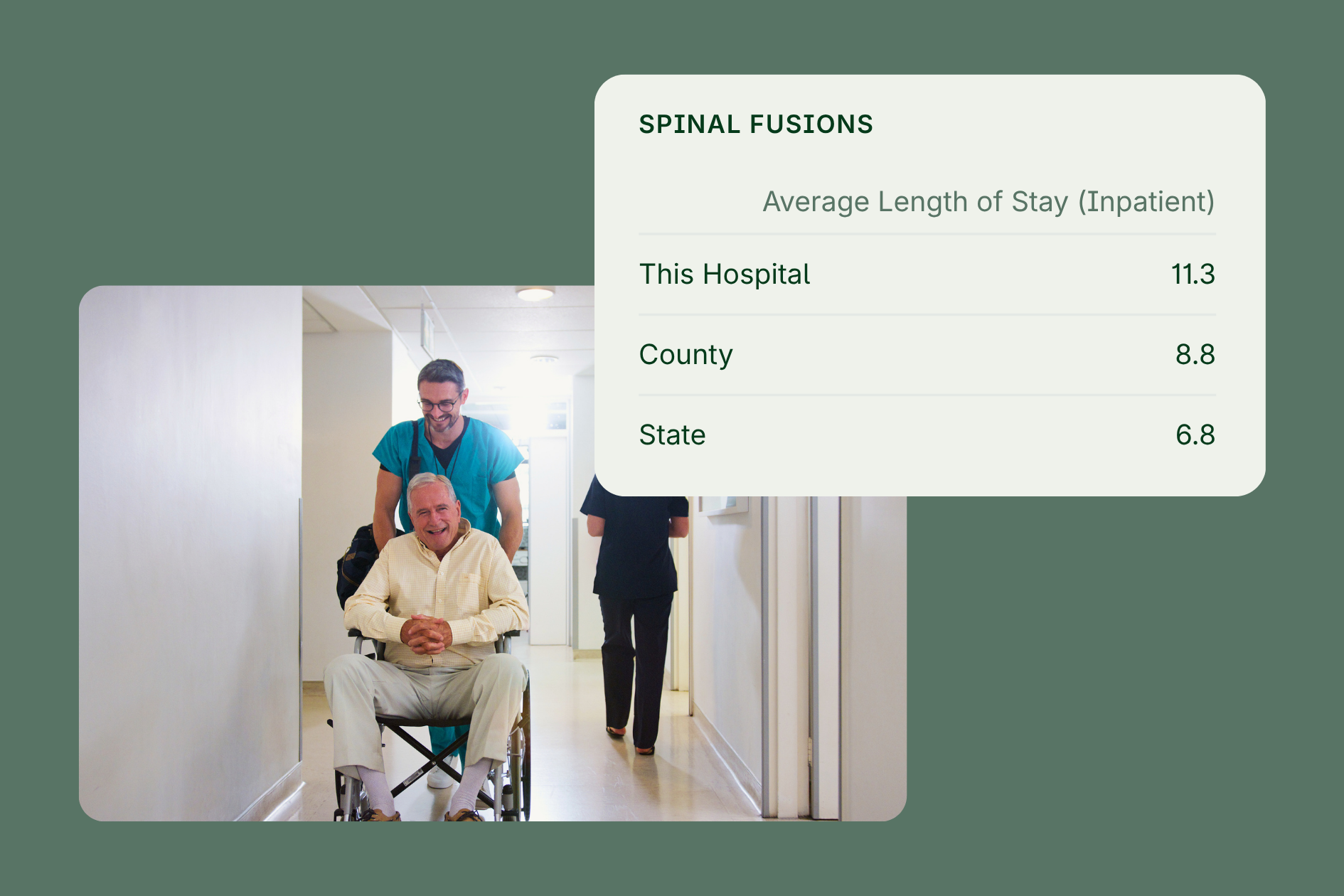
Once a person enters the doors of a hospital, that organization is responsible for the care and safe discharge of that patient. Sometimes factors prevent a safe discharge even when the patient is clinically ready to leave. Consider a patient with behavioral health needs, no family willing or able to assume responsibility, and no coverage or local capacity for mental health treatment. Multiple factors are now blocking the transition of this patient to the community. Gathering the information and arranging the options takes time and extensive hospital resources, all while the patient remains in a setting that can affect their psychological and physical well-being. The data bears this out: the American Hospital Association found that average length of stay rose 19.2% between 2019 and 2022, with stays for patients discharged to post-acute care up nearly 24% — and stays for patients headed to psychiatric hospitals up 28.9%, the largest increase of any discharge destination.
It is not just the patient who struggles. Because Medicare and most commercial payers reimburse inpatient care through DRG-based prospective payment — a fixed amount for the stay, not a daily rate — every additional day a complex patient waits is largely uncompensated. Those extra days also occupy a bed that cannot be used for an incoming admission, so the delay carries both direct cost and opportunity cost. The administrative burden on case managers, social workers, and nursing staff is often overlooked, as is the effect these prolonged stays can have on staff safety and morale. Today’s technology can help by surfacing the data teams need — which post-acute providers have availability, which accept the patient’s insurance, which have the clinical capabilities the patient requires — so decisions get made in minutes instead of days.
The right tools, paired with staff education, make it far easier to identify and act on complex cases earlier in the inpatient stay. That starts with defining what counts as a complex case within your own health system, then flagging those patients automatically at or near admission rather than discovering the barriers on day five. A dedicated, trained team working those cases keeps the process moving and reduces confusion and handoffs. Building that step into the discharge process reduces delay for the patient and cost for the hospital — and much of it can be automated today.
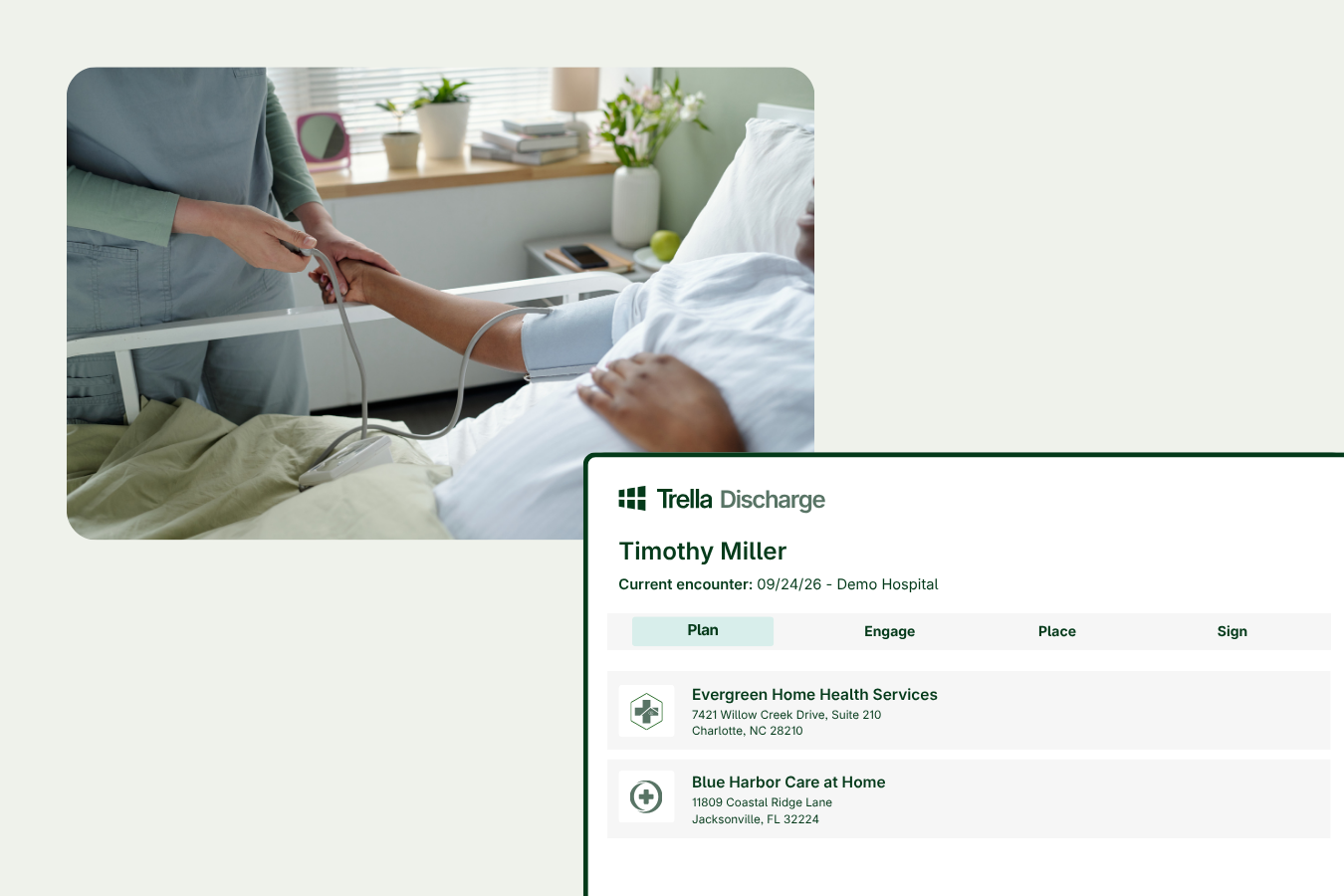
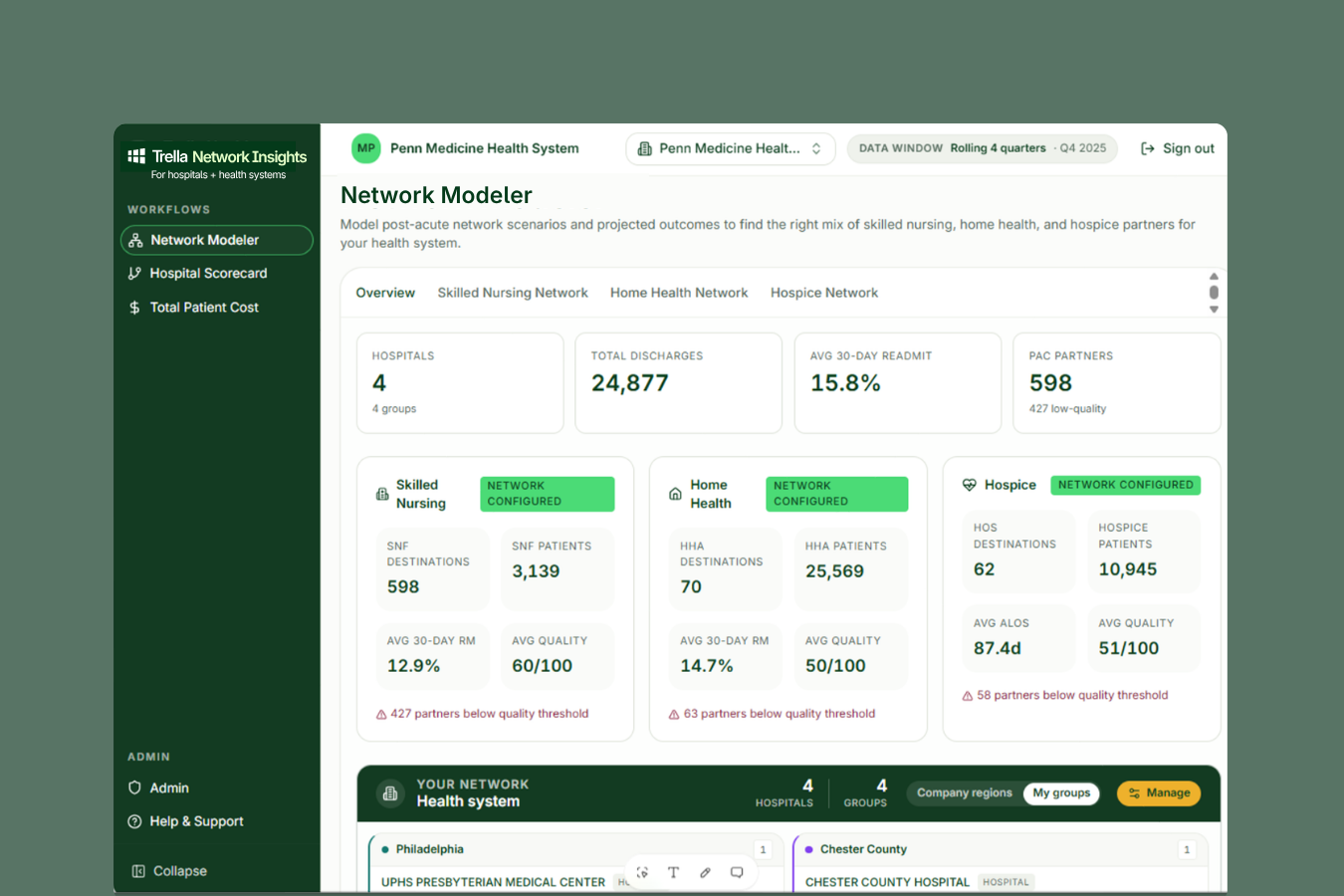
Even though this issue isn’t new, it remains a work in progress for many hospitals. At Trella Health, we make it easier to identify, engage, and discharge these cases to the appropriate next level of care. Trella Discharge — the discharge automation platform we expanded into through our merger with Repisodic — is embedded directly in Epic and Cerner, so discharge planners can generate referrals in one click, compare real-time provider availability and capabilities, support patient choice, and track referral status without leaving the EHR. Hospitals and health systems using the platform report a reduction in length of stay of a full day or more, 21 minutes saved per discharge to post-acute care, and more than 18,000 patient days saved. With technology, education, training, leadership, and the right tools in place, it is possible to keep closing the gap between hospital-based care and the social needs that shape whether a discharge succeeds.
Reach out today if this is an area you’d like to explore further.