
As advances in health information technology continue to improve access to quality care, hospital patients across demographics are benefiting from stronger care transitions at discharge and better individual health outcomes.
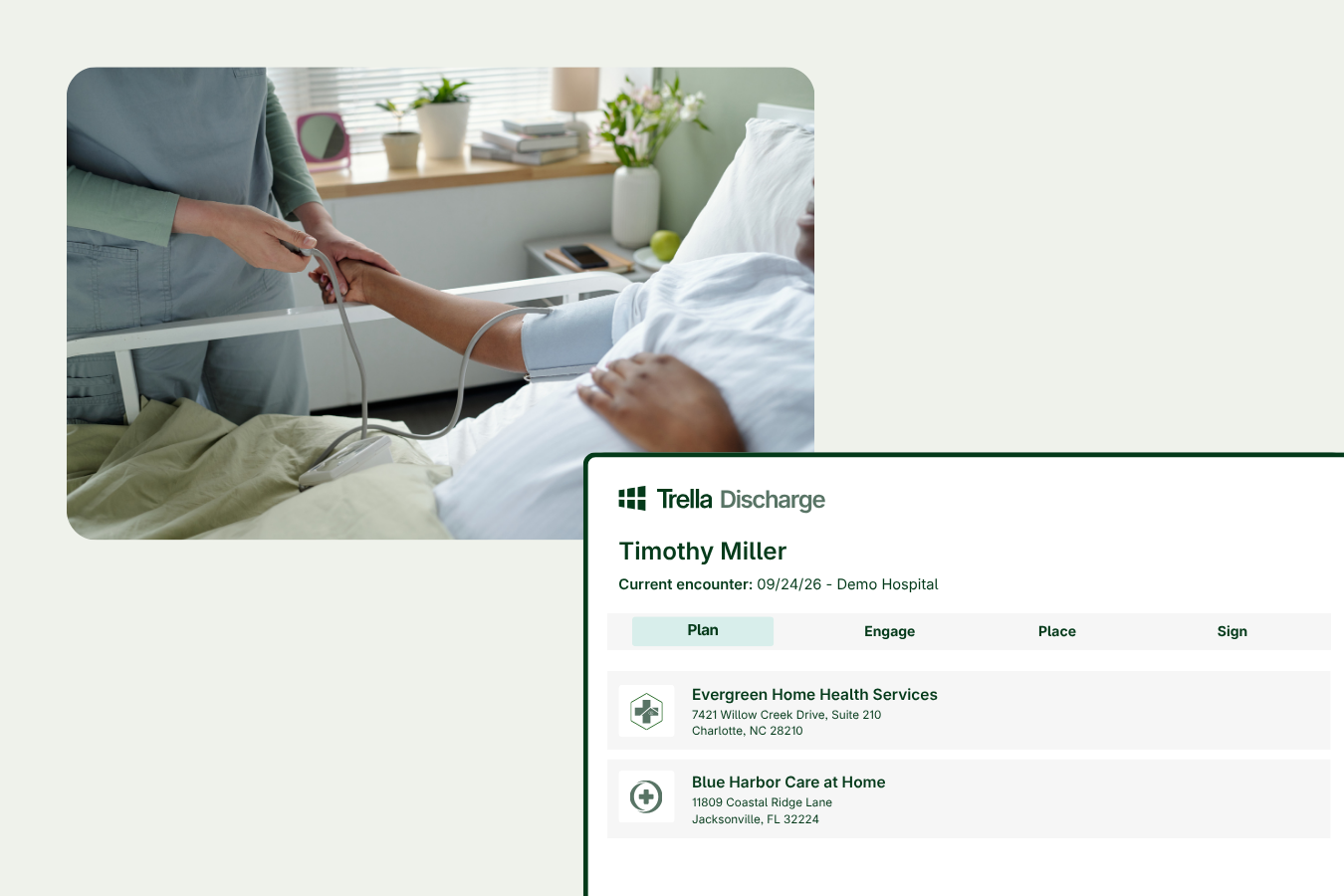
Transitioning a patient from an acute care hospital to a post-acute care (PAC) or other post-discharge provider is a critical step in the recovery journey, especially among vulnerable, at-risk patients. Patients achieve more positive health outcomes overall when the transition and transfer of patient information out of the hospital is done accurately and efficiently. Inefficient transitions result in the loss of critical medical information, increase the risk of medical errors, raise costs, and reduce patients’ ability to care for themselves. AHRQ’s Patient Safety Network reports that roughly one in ten discharges includes an error in discharge instructions or discharge medications — and for patients of low socioeconomic status and with high-risk conditions, preventing these outcomes is crucial. This is also why CMS’s Discharge Planning Final Rule, implemented under the IMPACT Act, requires hospitals to share post-acute quality and resource-use data with patients so they can make informed choices — and points health systems toward the kind of interoperable, data-driven systems that ensure timely and accurate communication of patient information: systems like Trella Discharge.
From a patient perspective, hospital discharges and transitions of care are often stressful and tedious for patients and their loved ones, especially if they’re experiencing financial hardship or facing serious illness or injury. Patients already feel vulnerable leaving the hospital, and uncertainty over their post-acute care only heightens anxiety. Taking control of the hospital discharge process alleviates that anxiety for families and patients as they feel more confident in their decisions for post-acute care. Families are often burdened with the overwhelming, emotional challenge of researching and coordinating their relatives’ care when they leave the hospital. With technology that efficiently matches patients with the best options for post-acute care, families can focus on supporting their loved ones as they are transferred out of the hospital — and discharge planners and case management leaders can spend less time on phone calls and faxes and more time on the patients in front of them.
Advances in health information technology that streamline transitions of care have improved early intervention and communication in healthcare settings and allowed for greater continuity of care. By accurately maintaining, accessing, and updating medical data, EHR-embedded platforms can improve a health system’s quality and control costs while also supporting more equitable care for vulnerable populations. Implementing health IT that allows patients to take control of the discharge process also decreases the probability of patients facing multiple, avoidable transitions between PAC providers and other levels of care. When patients choose from accurate, data-driven lists of providers that match their needs, there is a greater chance they will have a quicker and more successful care transition. Built-in features such as real-time availability and capability data provide vital communication between hospitals and post-acute care providers; patients and their families save time, energy, and strenuous transfers by knowing which providers have capacity to accept the patient before leaving the hospital. The ability for PAC providers to update their information in real time is equally valuable as census and capacity continue to shift week to week. Patients across all demographics can feel safer transitioning out of the hospital knowing they chose a provider based on accurate data. For a closer look at where these transitions break down today, see 5 Major Discharge Planning Challenges Health Systems Face.
Developments in health IT and interoperability continue to improve critical processes and workflows in health care. Standards-based EHR integrations and APIs — like those behind Trella Connect and Trella Discharge’s native Epic and Cerner workflows — have helped patients achieve more successful care transitions and better health outcomes. And the results are measurable: health systems using Trella Discharge have seen a reduction in length of stay of up to a full day, more than 18,000 total patient days saved, and roughly 21 minutes saved per post-acute discharge. Following Trella Health’s merger with Repisodic, the combined platform now supports more than 50 health systems and over 1,000 post-acute organizations nationwide — bridging the gap between hospitals, patients, and post-acute care providers, and helping hospitals discharge every patient well, especially those who are high-risk and among the most vulnerable.
Smarter Decisions. Healthier Outcomes. Request a demo to see how Trella Discharge fits into your team’s workflow.