
Alongside clinical considerations, patient-specific personal needs — like access for family visitors, alignment with cultural or spiritual practices, or proximity to familiar communities — play a major role in patient discharge decisions. When hospitals and post-acute care (PAC) providers aren’t fully aligned on these factors, patients and their families are left navigating a confusing and often frustrating placement process, leading to potential discharge delays.
Providers that appear clinically appropriate may still fall short of patient expectations if practical details are unclear. Missing or outdated information about things like transportation options, restrictive visitor access, or cultural accommodations can create hesitation, prolonging discharge decisions. For patients with complex care needs, these challenges only compound existing vulnerabilities, increasing their likelihood of experiencing delays.
The risks of prolonged hospital stays are well-documented: patients who remain in the hospital past the point of discharge eligibility face a higher chance of hospital-acquired infections, functional decline, and readmission. Hospitals and PACs alike experience the ripple effects — system-wide capacity strain, staff burnout, and operational stress — and avoidable readmissions carry real financial consequences under value-based payment programs. When hospitals, PACs, and patients aren’t fully looped into the discharge process, the care ecosystem falters.
While hospitals and PACs can’t control every external factor, they can prevent internal inefficiencies and avoid delays caused by gaps in communication and information needs. By maintaining a dynamic flow of accurate, relevant information, hospitals and PACs can ensure better alignment on the full picture of patient needs, helping patients transition smoothly to the next stage of care.
Trella Health offers PACs a chance to support their communities in a multitude of ways, including:
- Clearly indicating accepted insurance information so that patients and care managers can avoid incompatible PACs.
- Keeping case managers up to date with real-time availability.
- Providing details about specialized care programs, amenities, and access for families who rely on visits for emotional support or advocacy.
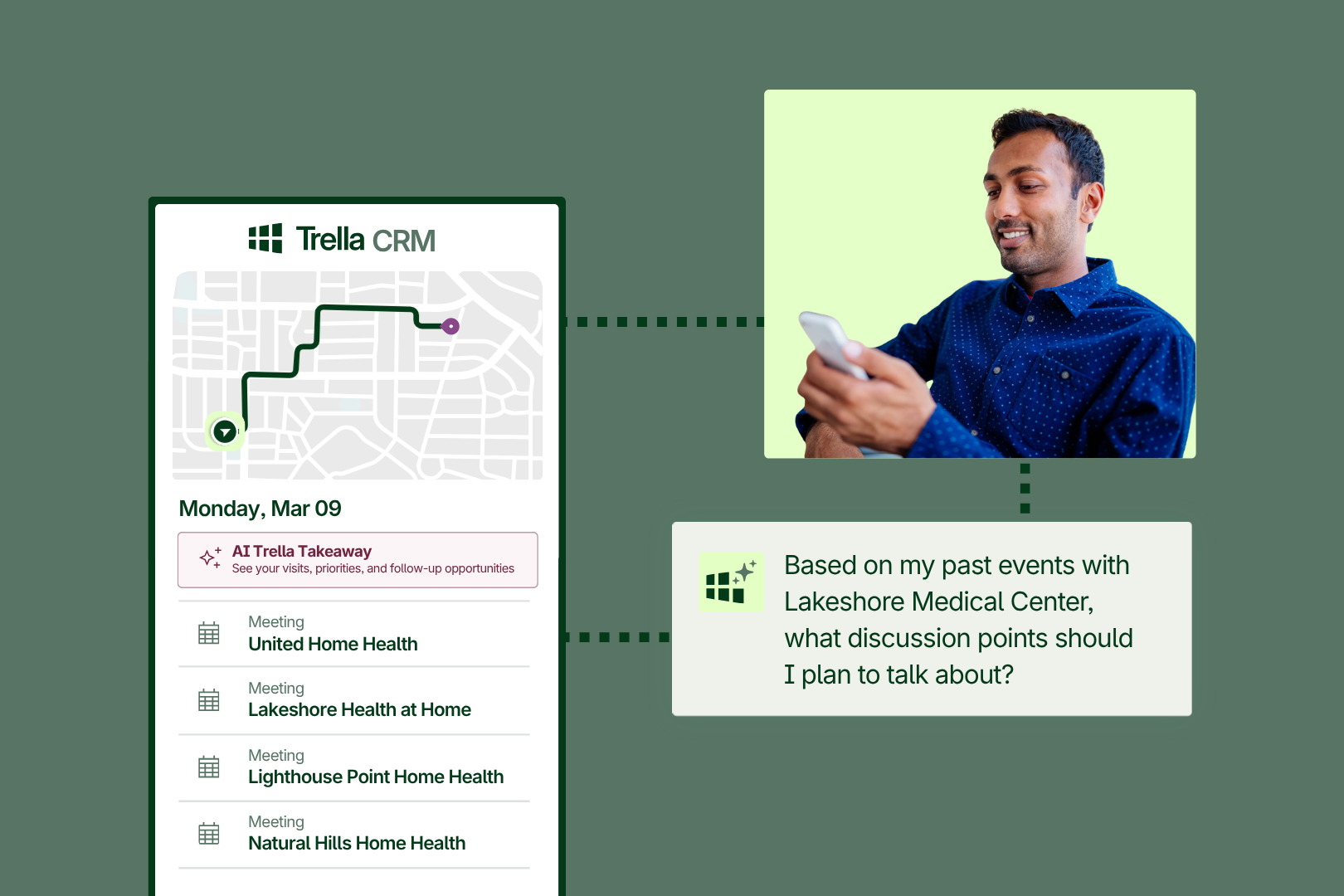
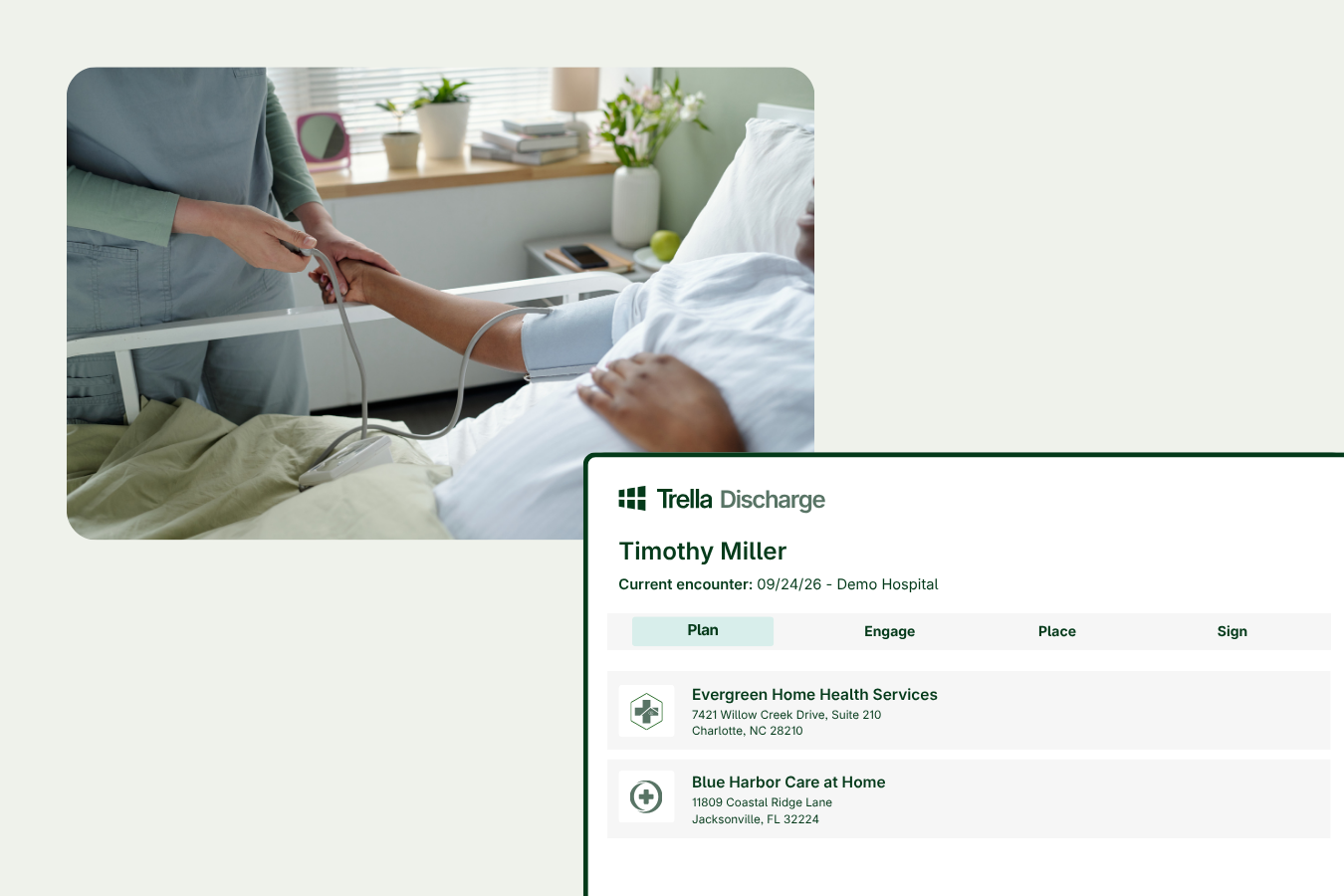
- Connecting directly with case managers inside the discharge workflow, so PACs are looped in earlier and aligned on patient needs.
Because when hospitals and PACs stay aligned, patients move forward faster and everyone benefits.