
Automation-powered technology can help health systems reduce length of stay, increase inpatient capacity, and improve patient outcomes.
The hospital discharge process is one of the most critical — and most often inefficient — components of patient care. Delays, administrative burden, and miscommunication contribute to extended hospital stays, increased readmission risk, and a poorer patient experience. Traditional discharge and referral management systems still rely on manual workflows that slow the transition to post-acute care. As hospitals across the country continue to face pressure to manage rising patient volumes with limited resources, innovation in technology and care workflows in this space is more important than ever.
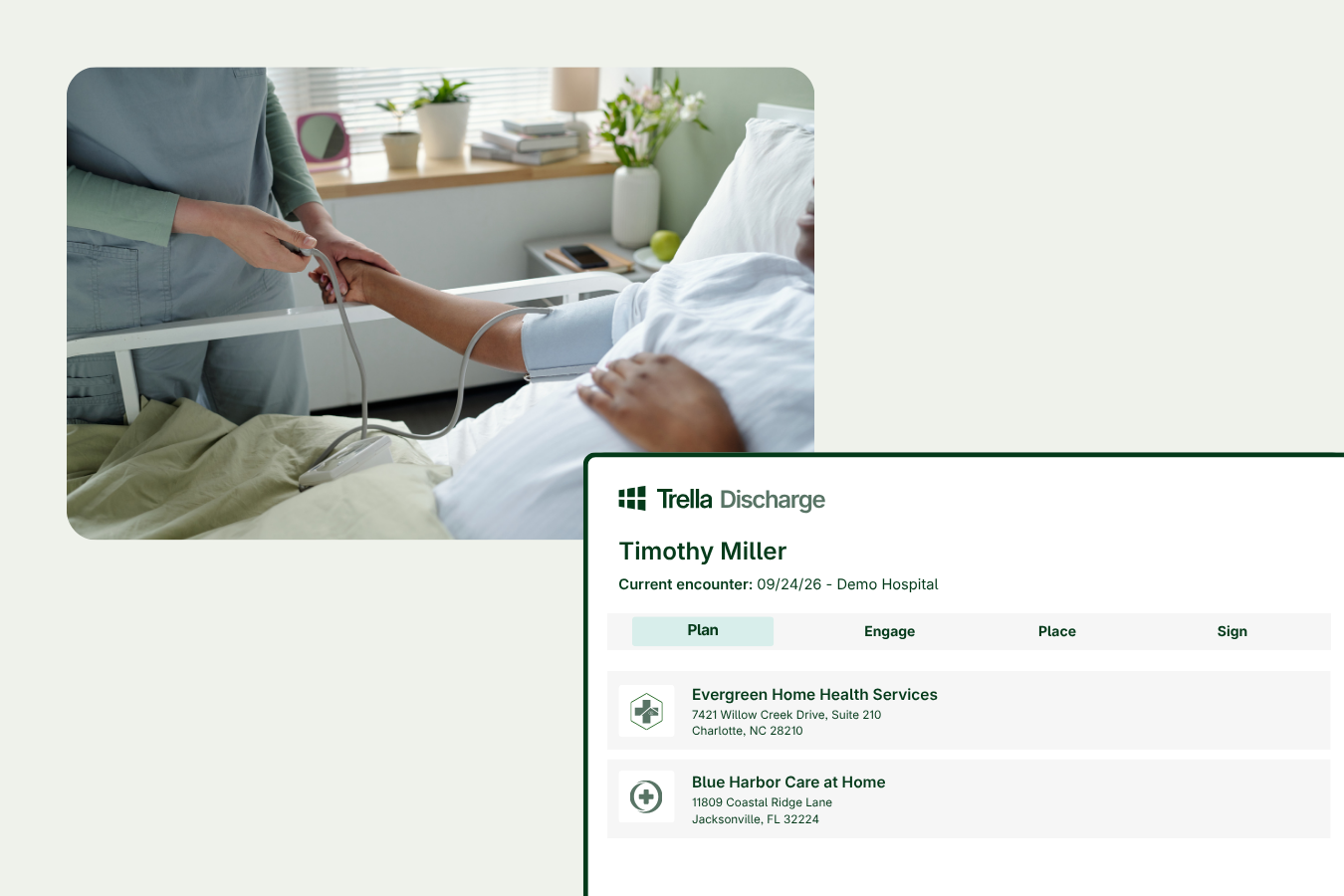
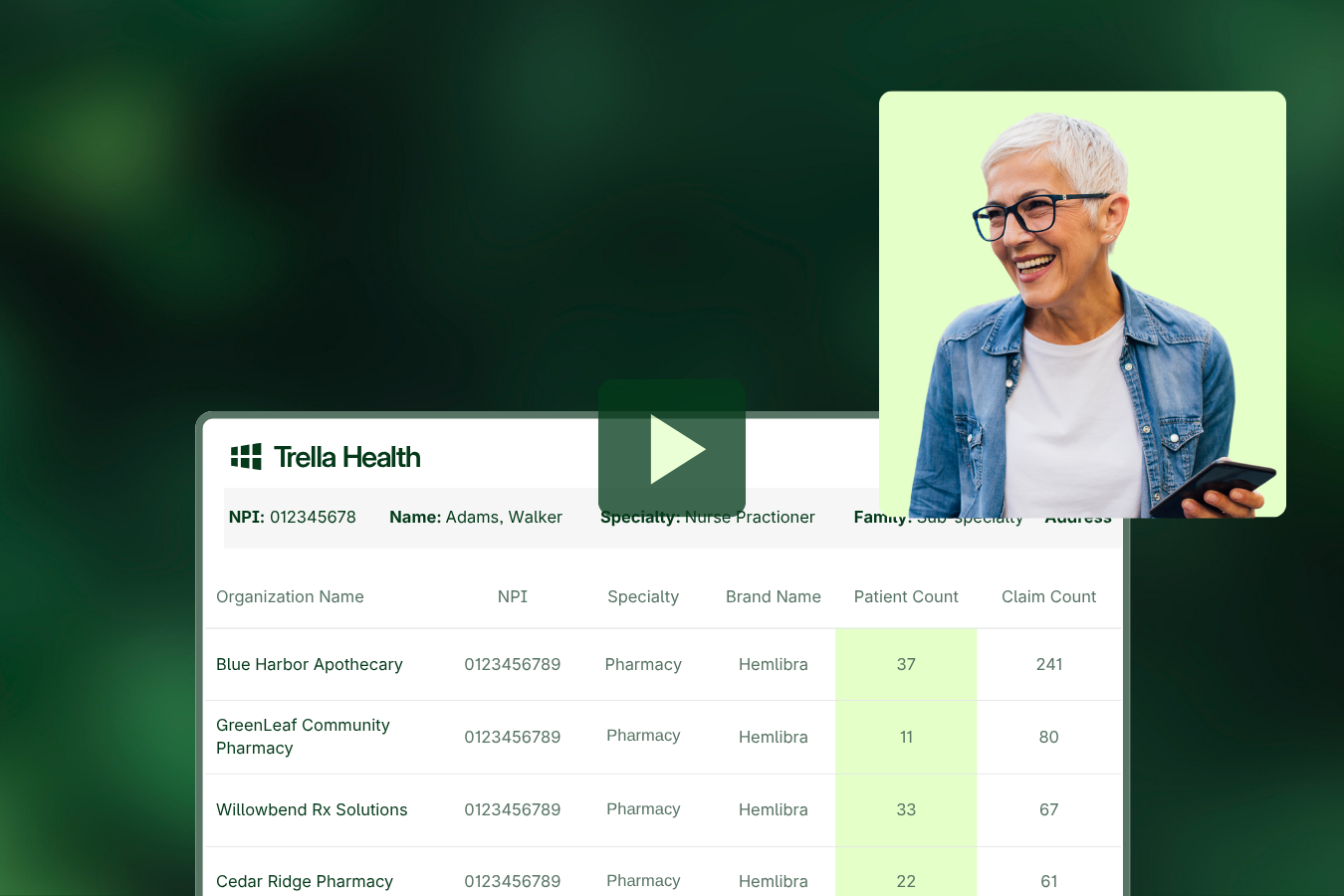
Trella Health transforms this process through technology-driven solutions that streamline patient transitions, strengthen communication between care coordination teams and post-acute providers, and support compliance with federal discharge planning requirements. Trella Discharge — the discharge automation platform Trella Health expanded into following its merger with Repisodic — automates discharge planning inside Epic and Cerner, so care teams spend less time on faxes and phone calls and more time with patients.
In this post, we explore the challenges of discharging patients to post-acute care and the benefits of leveraging automation to build a more efficient, more patient-centered care transition workflow.
Ongoing Challenges in Patient Discharge and Referral Management
Discharge Delays and Inpatient Capacity Constraints
Roughly one in ten hospitalized patients faces a major barrier to discharge, according to a multisite point-in-time assessment of 1,928 patients across 15 U.S. academic hospitals published in the Journal of Hospital Medicine. Among those patients, 84% needed skilled therapy or help with activities of daily living, and 44% had already been hospitalized for a month or longer despite being medically ready to leave (Bann et al., 2023).
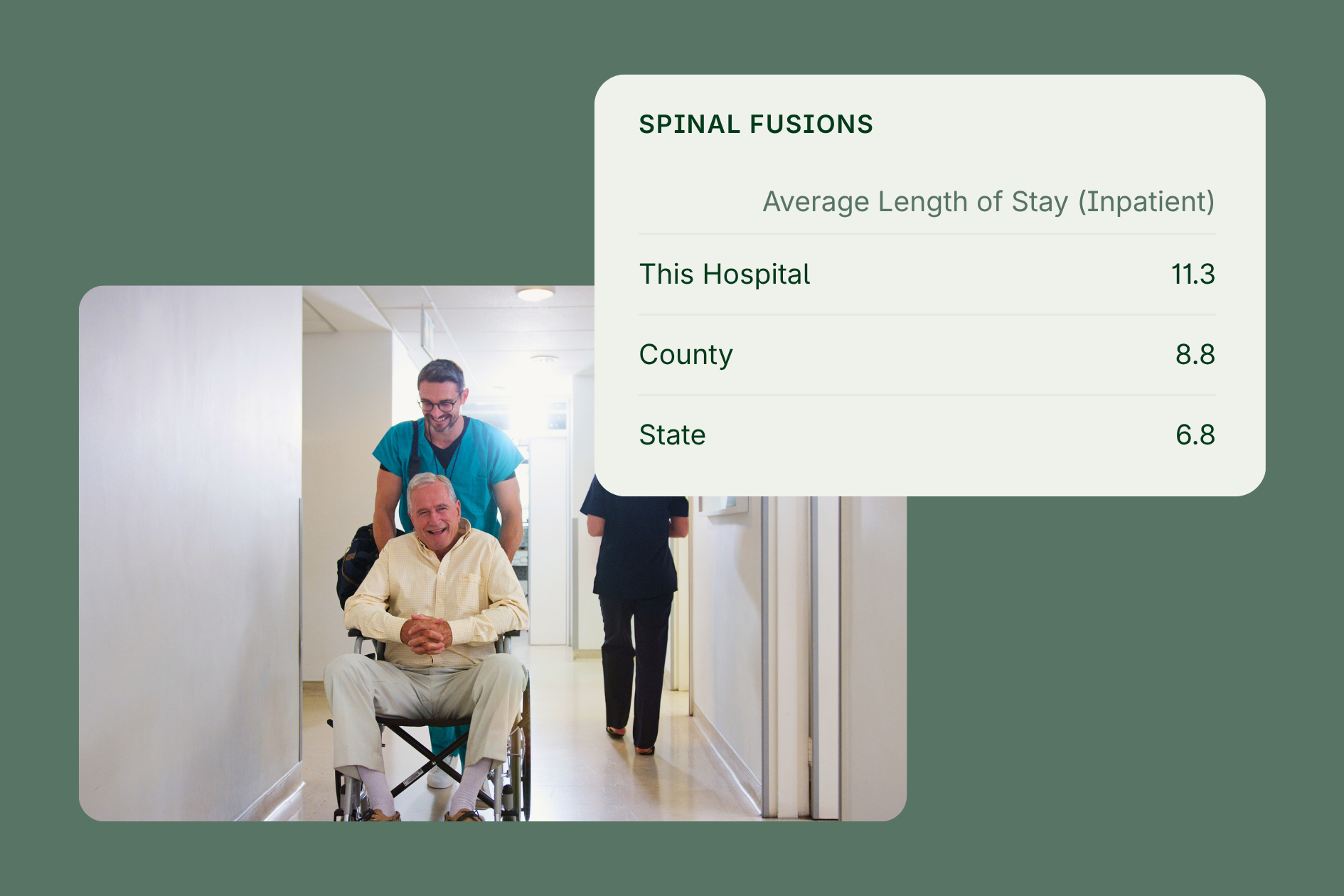
The causes are well documented: administrative inefficiency, slow referral responses, and no real-time view of which post-acute providers can actually accept a patient today. The effect shows up directly in length of stay. The American Hospital Association found that average length of stay rose 19.2% in 2022 compared with 2019 — but for patients waiting on a post-acute placement, the increase was nearly 24%, including 20.2% for patients headed to skilled nursing facilities and 12.6% for those going to home health (AHA, 2022). Those delays raise the cost of care and hold beds that patients waiting for admission need.
Rising Readmission Risk
Many readmissions trace back to incomplete discharge planning and patients landing in the wrong next setting of care. Guiding patients to high-quality post-acute providers — ideally within a hospital’s established partner network — reduces breakdowns in follow-up communication and post-discharge instructions, and ultimately reduces avoidable rehospitalizations.
Trella Health’s own analysis bears this out: patients who adhered to their home health discharge instructions had a 30-day readmission rate of 12.7%, compared with 15.1% for patients who did not (Trella Health, 2025).
Administrative Burden and Staff Burnout
Case managers and discharge coordinators spend an outsized share of their day navigating outdated, manual processes. Hospitals contend with fragmented workflows, limited interoperability between EHRs and legacy referral platforms, and time-consuming paperwork — all of which cuts into time with patients. Payer requirements compound the problem: 85% of clinicians report that prior authorization and similar requirements delay necessary care, and hospitals spent $26 billion in 2023 simply managing insurance claims (AHA, 2025 Cost of Caring). The documentation load required at discharge feeds directly into burnout and job dissatisfaction.
Using Automation to Address Discharge and Referral Challenges
Smarter Discharge Planning
Automation is reshaping discharge workflows by improving efficiency, reducing administrative burden, and improving patient outcomes. With better forecasting of discharge timing and earlier identification of patients at risk of delay, discharge planners can plan proactively instead of reactively — and free up beds that would otherwise sit occupied.
Patient Matching to Reduce Referral Volume
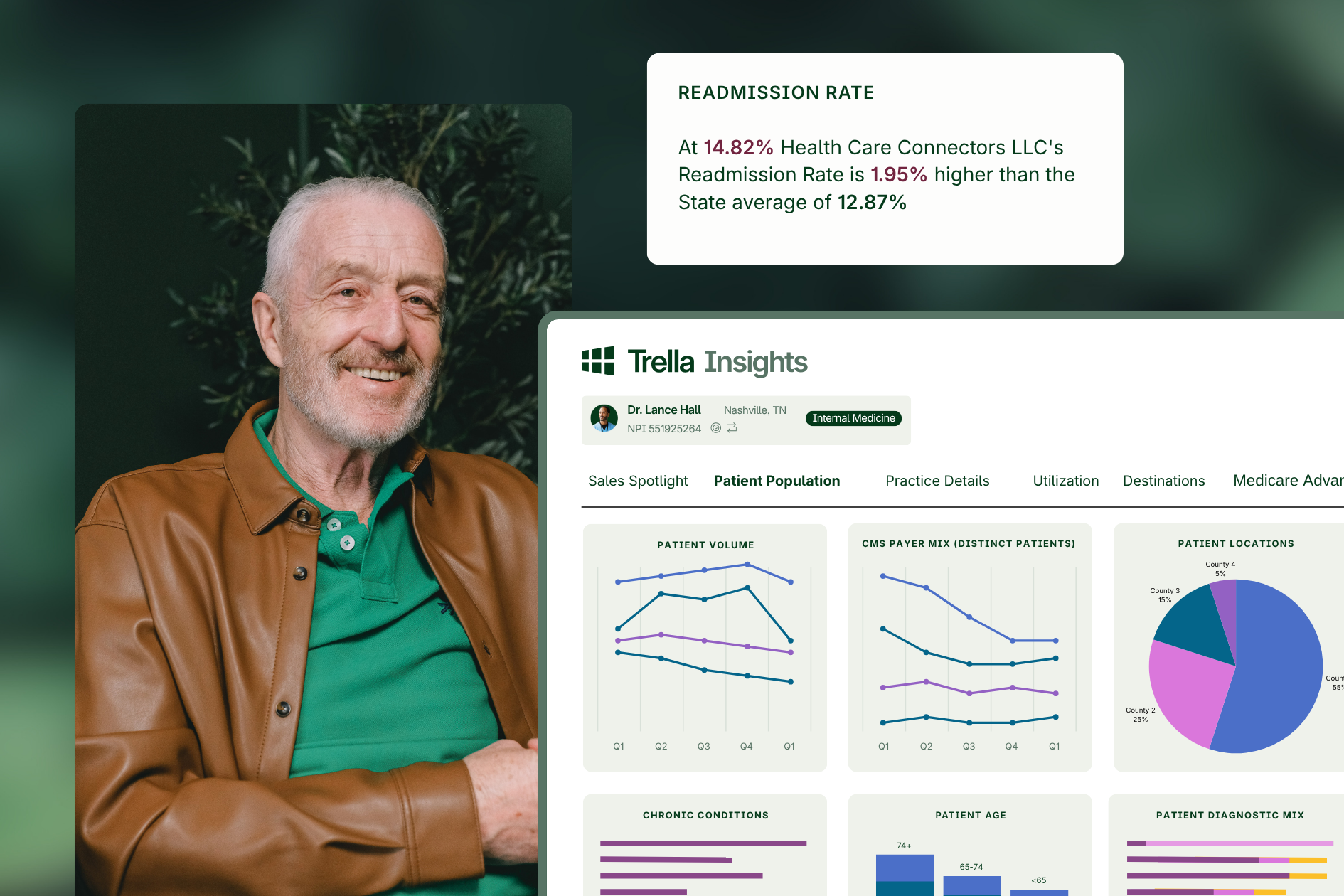
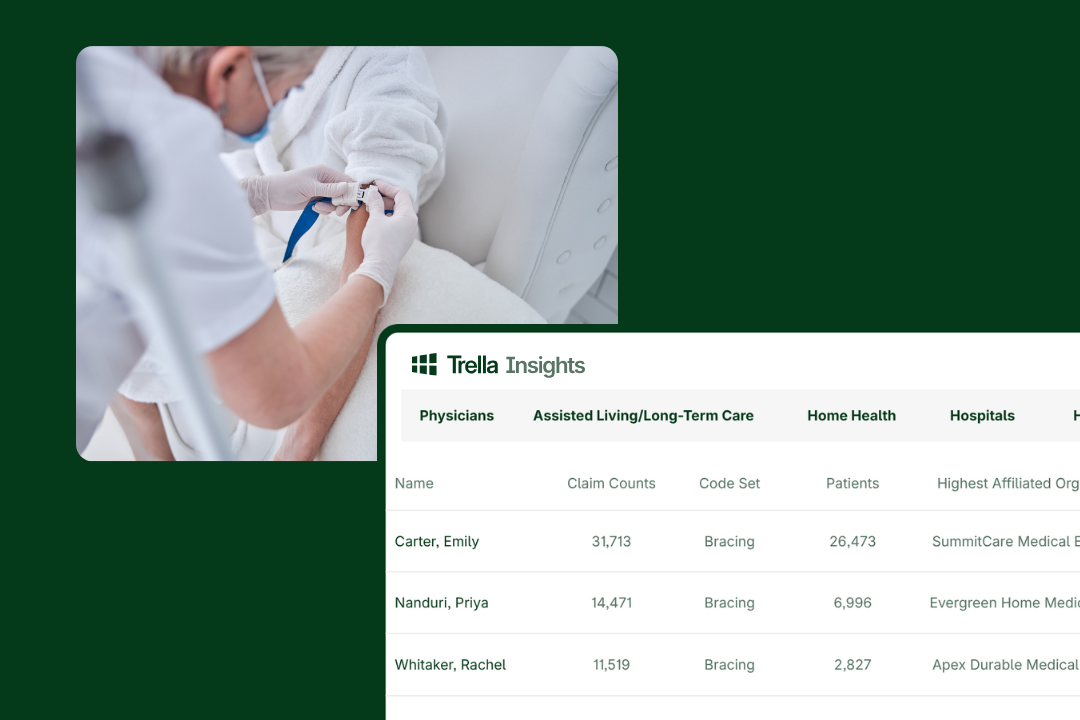
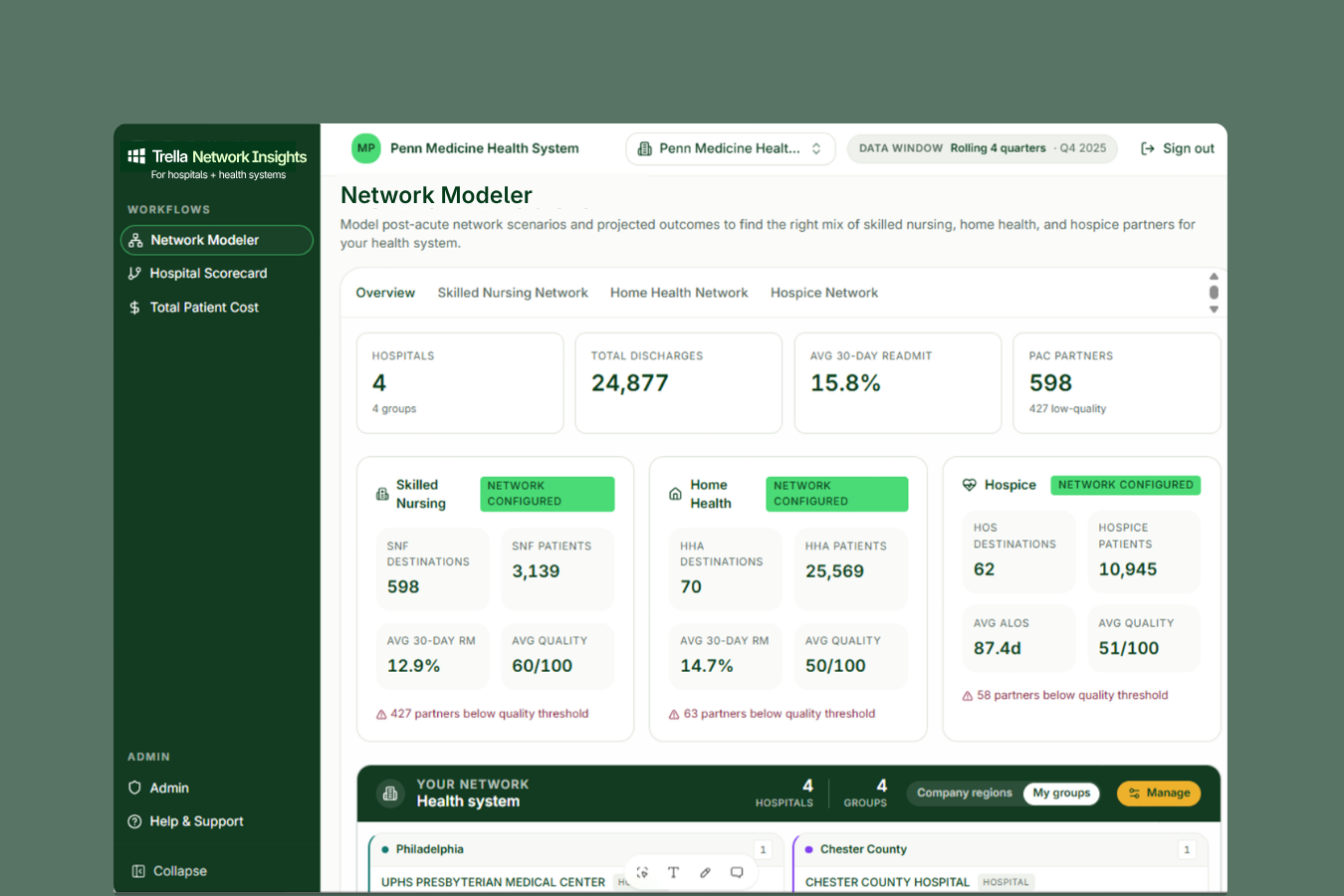
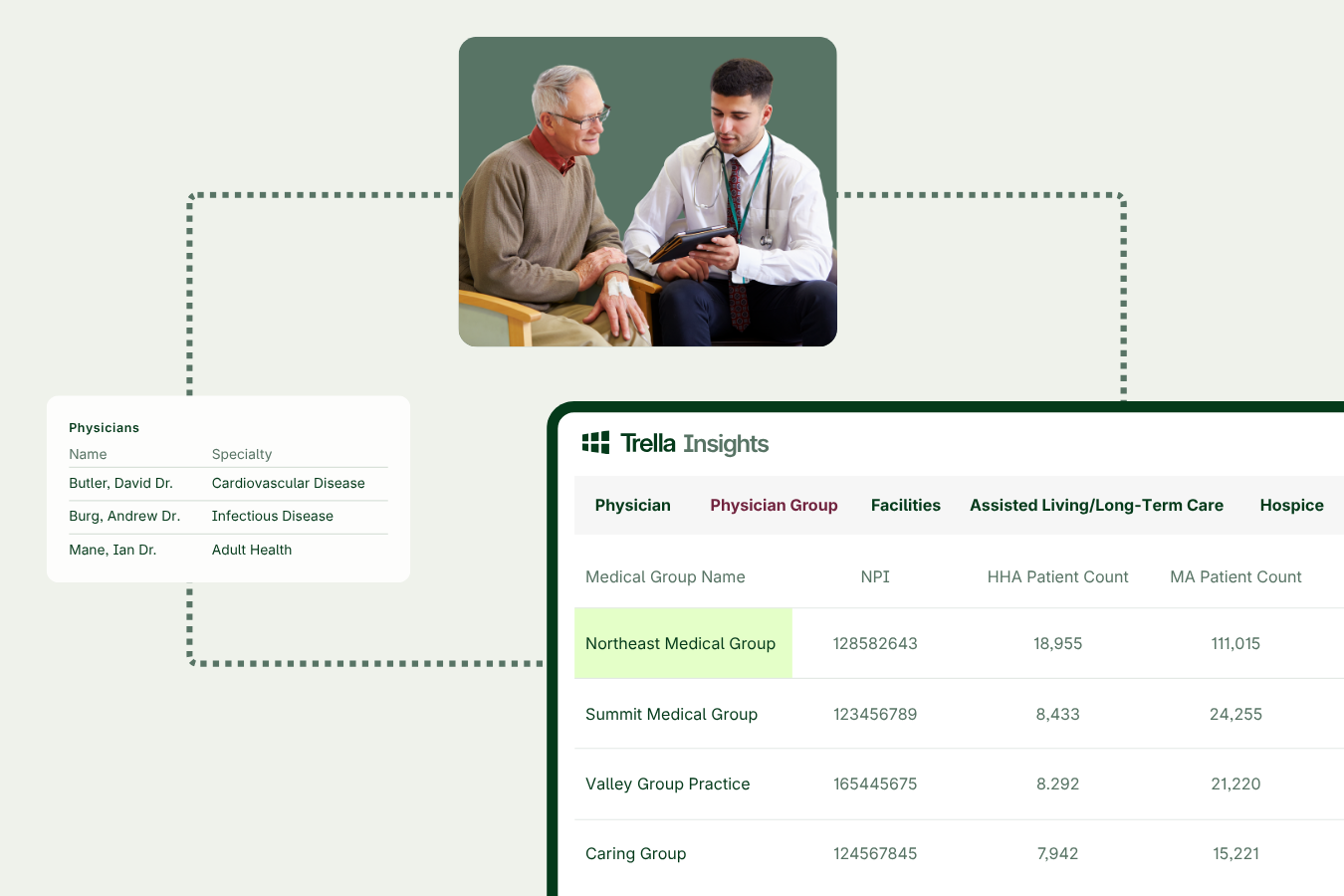
Data-driven tools can match patients to the most suitable post-acute providers based on clinical needs, insurance coverage, geography, and real-time availability. Bringing that information to the front of the process cuts the number of referrals a team has to send before securing an acceptance, which eliminates rounds of back-and-forth and gets patients into the right setting sooner. Pairing discharge workflows with the post-acute market intelligence in Trella Insights lets health systems evaluate providers on quality and performance, not just proximity.
Streamlined Documentation and Compliance
Hospitals can put data already in the EHR to work — pre-populating referral packets, capturing patient choice, and documenting the transition record — through Trella Connect EHR and API integrations that keep the work inside the systems care teams already use. That supports the requirements of the CMS Discharge Planning Final Rule (CMS-3317-F), which requires hospitals to build discharge planning around a patient’s goals and treatment preferences and to share post-acute provider quality data — including readmission rates, falls with injury, and pressure ulcers — so patients can make informed choices. Less time on paperwork means more time case managers and social workers can spend on patient care.
Patient Education and Engagement
Translating complex medical information into plain language, useful educational content, and clear next steps simplifies the discharge conversation — especially for complex patients — and supports both timely discharges and smoother transitions. When patients understand and act on their discharge instructions, outcomes improve on both sides of the transition.
Measurable Results for Health Systems
Trella Discharge helps hospitals overcome these inefficiencies, reduce cost, and improve patient care. Health systems using the platform see:
- 0.5 to 1 day reduction in average length of stay for patients discharged to post-acute care
- 21 minutes saved per discharge to a post-acute provider
- 18,000 patient days saved across the customer base
- 10x return on investment
Yale New Haven Health achieved a full day reduction in inpatient length of stay for its skilled nursing facility discharges. Automation-assisted discharge planning lets health systems serve more patients without adding beds or building new infrastructure.
By replacing legacy referral management with intelligent, streamlined workflows, hospitals and health systems can achieve faster discharges, better patient care, and greater operational efficiency.
Discover how Trella Health can help your hospital automate patient care transitions and drive better discharge outcomes. Request a demo today.
Want to go deeper? Read The Discharge Bottleneck: Why More Data Isn’t Solving Care Transitions or Eliminating Avoidable Delays in the Hospital.